Sweet Journey Guide
Let's talk about Thai sweets. I mean, really talk about them. If you think it's all about that famous mango and sticky rice dish, you're missing out on a whole universe of flavor, texture, and culinary tradition. I remember my first trip to a Bangkok night market, overwhelmed by stalls glowing with golden sweets, steaming baskets of coconut treats, and vendors skillfully crafting desserts I couldn't even name. That's the thing about Thai desserts – they're an experience, not just a sugar hit.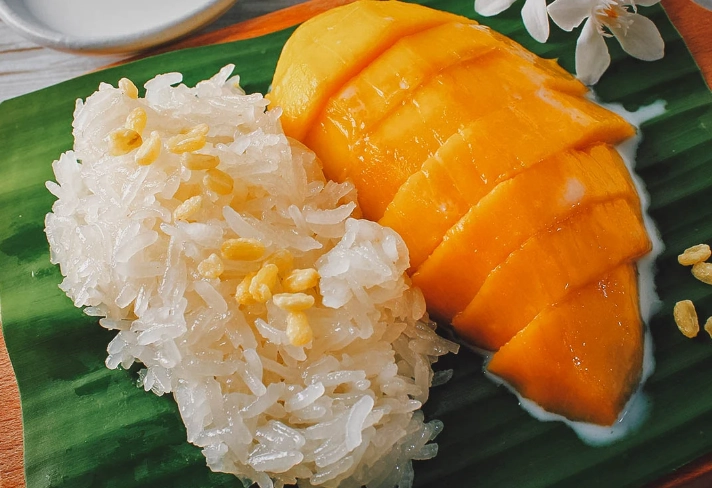
The world of Thai sweets is vast. It's where creamy coconut milk meets the subtle fragrance of pandan leaf. Where sticky rice becomes a canvas for both sweet and savory notes. Where textures play a huge role – think jelly-like, crunchy, gooey, and fluffy, all in one cuisine. It's a part of Thai culture that goes deep, tied to festivals, family gatherings, and simple street-side snacks.
What Exactly Are Thai Sweets?
This seems like a simple question, but the answer isn't straightforward. Western desserts often revolve around butter, flour, and chocolate. Thai sweets, or khanom wan Thai, dance to a different rhythm. Their foundation is built on a few key pillars you'll see again and again: coconut (in milk, cream, and flesh), rice (especially sticky rice and rice flour), tropical fruits, and palm sugar. The use of ingredients like mung bean flour, tapioca, and arrowroot starch creates unique, often translucent textures that can be surprising if you're not expecting them.
Flavor profiles are complex yet clean. It's not just about sweetness. There's saltiness from a pinch of sea salt. There's savoriness from steamed beans or egg yolks. Fragrance from jasmine, pandan, and banana leaves used as wrappers. The sweetness itself usually comes from palm sugar or coconut sugar, which has a caramel-like, almost smoky depth compared to plain white sugar. This creates a richness that doesn't just cloy.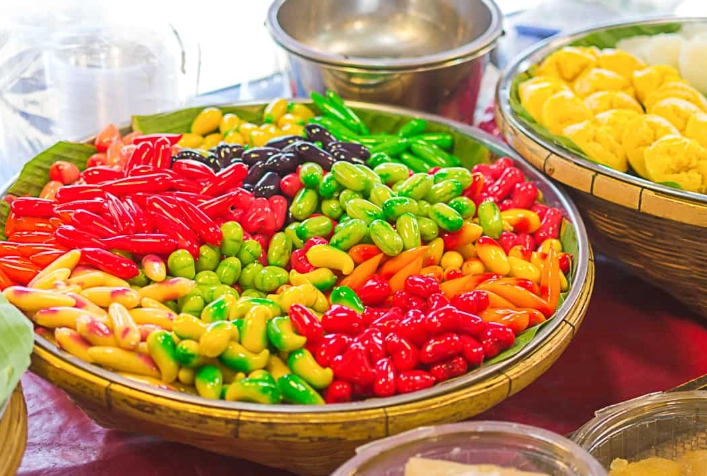
Why does this matter? Because when you bite into a Thai sweet, you're tasting geography and history. The abundance of coconut palms, rice paddies, and tropical fruit trees directly shaped these recipes. Many classic Thai sweets have roots in the royal palace cuisine of Ayutthaya, later adapted and spread throughout the country. They were made for special occasions, which is why even a simple street vendor's treat can feel a bit special.
A Handy Map to the Thai Sweets Landscape
Trying to categorize Thai desserts can be messy – and that's okay. They overlap, borrow from each other, and vary by region. But to make sense of it all, here's a practical way to group them. Think of it as a menu for your sweet tooth adventure.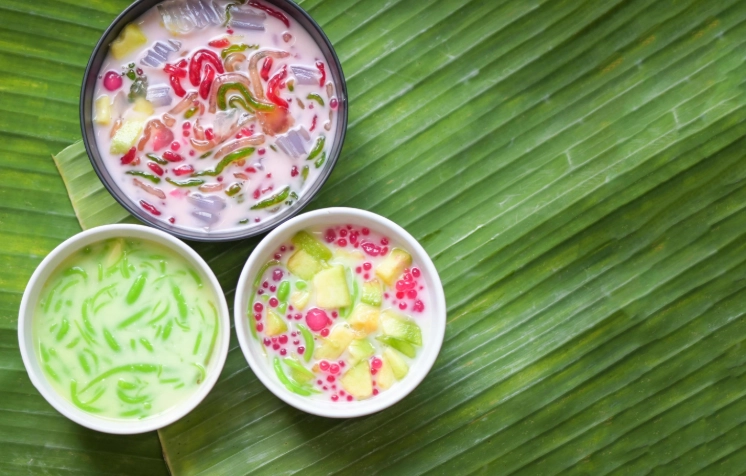
| Category | Key Characteristics | Prime Examples You Must Try |
|---|---|---|
| Rice-Based Sweets | Centered on glutinous (sticky) rice or rice flour. Textures range from chewy to soft and pudding-like. Often steamed in bamboo or banana leaves. | Khao Niew Mamuang (Mango Sticky Rice) – the superstar. Khao Tom Mud (banana leaf parcels of sticky rice and banana). Khanom Chan (steamed multi-layered colored cake). |
| Coconut Cream & Milk-Based | The richness of coconut is the star. Can be curds, custards, or jellies. Often topped with salty-sweet coconut cream sauce. | Khanom Thuay (tiny steamed coconut custard cups). Khanom Mo Kaeng (a baked egg and coconut custard). Lod Chong (green pandan noodles in sweet coconut milk). |
| Fruit-Centric Treats | Showcases Thailand's incredible fresh fruit. Sometimes cooked, sometimes fresh, always highlighting natural sweetness. | Obviously, Mango Sticky Rice. Also Kluay Buat Chi (bananas in coconut milk). Fresh fruit like rambutan, mangosteen, and ripe pineapple served with a spicy-salt dip. |
| Fried & Crispy Delights | Proof that not all Thai sweets are soft! Deep-fried for a crunchy exterior, often with a soft, sweet filling. | Khanom Buang (Thai crispy pancakes – my personal favorite for texture contrast). Thong Yip ("pinched gold" egg yolk sweets). Khao Kriap (crispy rice crackers). |
| Jellies, Agar & Tapioca Pearls | Clear, wobbly, and refreshing. Often flavored with flower syrups or fruit juices. Served cool. | Khanom Wun (colorful agar jelly cubes). Saku (tapioca pearl desserts). Grass Jelly in syrup or coconut milk. |
Looking at that table, you start to see the variety. Your mood dictates your choice. Feeling hot? Grab some chilled lod chong or grass jelly. Want something substantial? The sticky rice treats have you covered. Craving something fun and textural? Go for the fried khanom buang.
Breaking Down the Core Elements
To really get Thai sweets, you need to understand their building blocks. It's like knowing why chocolate works in a brownie.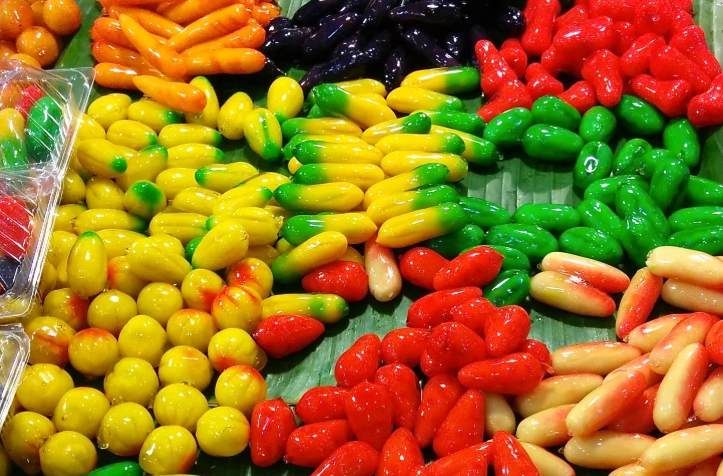
Coconut: The Heart of the Matter
If Thai sweets had a queen, it would be the coconut. It's used in every form imaginable. Coconut milk provides a liquid base and richness for things like sauces and soups for desserts. Coconut cream, thicker and fattier, is often used as a topping – that iconic salty-sweet white drizzle you see on mango sticky rice? That's cooked coconut cream with a pinch of salt. It's a game-changer. Then there's grated coconut flesh, toasted or fresh, adding texture. The flavor is unmistakable – rich, slightly nutty, and it carries other flavors like pandan or palm sugar beautifully.
Why is the salt added to the sweet coconut cream? It's not a mistake. That tiny pinch of sea salt cuts through the fat and amplifies the sweetness in a way that makes the whole dish more complex and less tiresome to eat. It's a signature move in Thai dessert-making.
Rice & Sticky Rice: More Than Just a Side
Rice isn't just for savory meals here. Glutinous rice, or sticky rice, is soaked for hours and then steamed. The result is chewy, slightly sweet grains that cling together. For mango sticky rice, it's then mixed with a sauce of coconut milk, sugar, and salt. But it's also used in savory-sweet combinations, wrapped around bananas or black beans. Rice flour is the other workhorse, used to make doughs for steamed cakes, giving them a uniquely soft, bouncy, and slightly sticky texture that's nothing like wheat flour cake.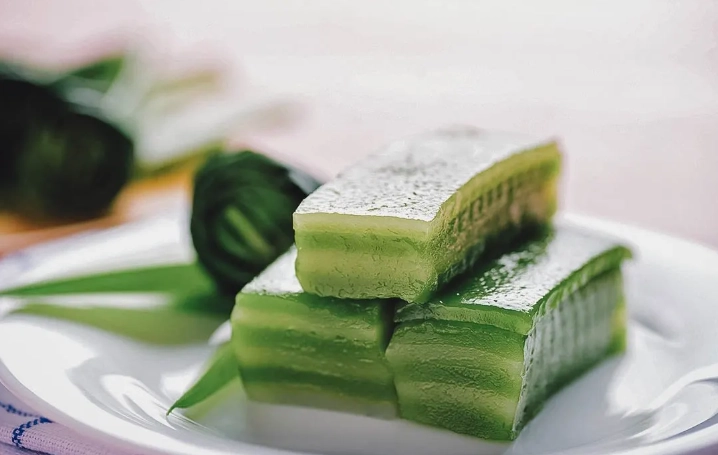
The Sweeteners: Palm Sugar & Friends
Forget refined white sugar for a minute. The traditional sweetener is palm sugar, made from the sap of sugar palm trees. It comes in hard cakes or soft blocks and has a gorgeous caramel, butterscotch, almost smoky flavor. It melts into a rich syrup. Coconut sugar is another common one, with a similar deep flavor profile. This is a big reason why Thai sweets taste "different" – the sweetness has layers. You can sometimes find recipes using jaggery too. These unrefined sugars also contribute to the desserts' characteristic golden or brown hues.
Fragrance Agents: Pandan, Jasmine, & Banana Leaves
This is where the magic of aroma comes in. Pandan leaf is the vanilla of Southeast Asia. Its vibrant green color and beautiful, grassy, vanilla-like scent infuse countless desserts, from cakes to custards. It's often boiled or blended to extract its essence. Jasmine water is sometimes used to scent sticky rice or syrups, adding a delicate floral note. And banana leaves aren't just packaging. When desserts are steamed in them, like in Khao Tom Mud, they impart a subtle, earthy tea-like fragrance that seeps into the rice. It's a form of aromatherapy you can eat.
Finding & Choosing Authentic Thai Sweets
Okay, you're convinced. You want to try them. Where do you even start? This was my biggest hurdle.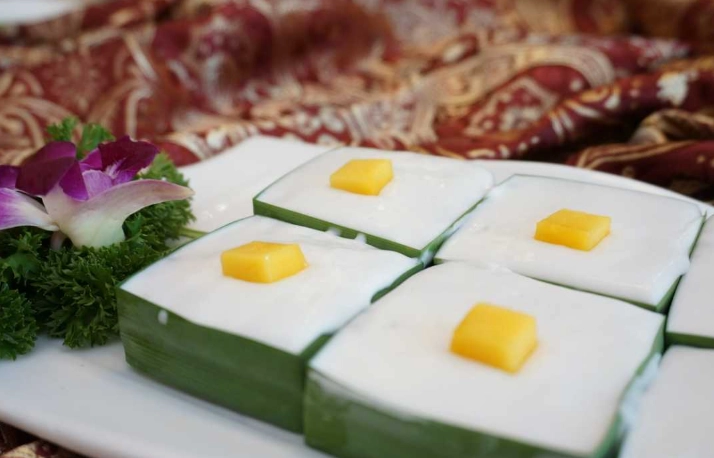
In Thailand: The Best Hunting Grounds
If you have the fortune to be in Thailand, you're in the right place. But don't just head to the fanciest hotel buffet.
- Local Markets (Talad): This is ground zero. Morning markets often have vendors selling freshly steamed treats like khanom thuay or khanom chan. Night markets are great for fried sweets like khanom buang made fresh to order. The sheer variety is astounding. Look for stalls with a steady stream of locals – that's your quality seal.
- Specialized Dessert Shops (Raan Khanom Wan): These shops dedicate themselves to sweets. They'll have a wide array displayed behind glass. You can point and choose, often getting a mix of several items on one plate. Perfect for sampling.
- Street Food Carts: The iconic mango sticky rice cart is a classic. Also look for carts with large bowls of lod chong (green noodles) or tubs of colorful jellies. They'll assemble a bowl for you on the spot.
Outside Thailand: Your Options Are Growing
This is getting easier, thankfully.
- Authentic Thai Restaurants: Many now have a dedicated dessert section beyond just ice cream. A proper Thai restaurant should offer at least mango sticky rice in season, and maybe one or two others like sticky rice with durian or banana in coconut milk.
- Asian Grocery Stores: A treasure trove. In the fridge section, look for ready-to-eat treats in plastic containers, often made by Thai companies. Things like khanom thuay or khanom mo kaeng sometimes appear. The freezer section might have sticky rice or banana leaf parcels. The dry goods aisles have ingredients to make your own.
- Online Retailers: Yes, you can now order some Thai sweets online. This is best for non-perishable or long-shelf-life items. Some specialty websites sell things like palm sugar-based candies, crispy rice crackers (khao Kriap), or even kits to make mango sticky rice (though the mango is, understandably, not included). Always check reviews.
Here’s a quick list of specific places in Bangkok I’ve had good experiences with, for those planning a trip:
| Place Name / Area | What They're Known For | Type of Venue |
|---|---|---|
| Or Tor Kor Market (near Chatuchak) | High-quality fresh fruit and traditional sweets vendors. Fantastic mango sticky rice. | Fresh Market |
| Thip Samai Pad Thai Area (Old City) | Besides great pad thai, the surrounding streets have amazing khanom buang carts in the evening. | Street Food / Cart |
| Mae Varee Fruit Shop (Thong Lor) | Famous specifically for its mango sticky rice, considered by many to be the best in the city. | Specialist Shop |
| Chinatown (Yaowarat) at night | Not just Chinese food! Dessert stalls serving things like lod chong, grass jelly, and sweet soups. | Night Market Stalls |
The Culture on a Plate: When and How to Eat Thai Sweets
This isn't just about satisfying a craving. There's a cultural context that makes it richer.
Traditionally, Thai sweets weren't eaten as a finale to a heavy meal like in the West. They are often enjoyed as a separate snack, in the mid-afternoon with tea or coffee, or as a small treat anytime. This makes sense given their often light and refreshing nature. You'll see people picking up little boxes of assorted sweets to take to work or share with friends.
They are also deeply embedded in festivals and ceremonies. Specific sweets are made for specific occasions. For example, during Songkran (Thai New Year), you might find khanom tom (sweet sticky rice balls), symbolizing family unity. For weddings, intricate golden sweets like thong yip or foi thong (golden egg yolk threads) are common, representing prosperity and a sweet life.
How do you eat them? There's no strict etiquette, but often fingers are perfectly acceptable, especially for sticky rice-based treats. For things in coconut milk or syrup, a spoon is used. The key is to enjoy the combination of flavors and textures in each bite. With mango sticky rice, for instance, get a bit of mango, some rice, and a drizzle of that coconut cream sauce all together.
Questions You Might Be Too Shy to Ask (FAQs)
Let's tackle some common curiosities and concerns head-on.
Are Thai sweets gluten-free?
Many, many traditional Thai sweets are naturally gluten-free because they rely on rice flour, tapioca, mung bean starch, and coconut instead of wheat. However, you must always be cautious. Some modern or adapted recipes might use wheat flour. Items with obvious dough or batter, like some versions of khanom buang, might contain wheat. When in doubt, ask the vendor or check ingredient labels on packaged goods. The rice-based and jelly categories are your safest bet.
Why are some Thai desserts so brightly colored?
Traditionally, colors came from natural sources: green from pandan leaf, blue from butterfly pea flower, purple from black rice or taro, yellow from turmeric or egg yolk. These are still used. However, in modern mass production or at some street stalls, you will also see artificial food coloring used to achieve very vibrant pinks, greens, and yellows. It's purely for visual appeal. If you prefer natural, look for the more muted, earthy tones or ask the vendor.
What's the deal with durian in desserts?
Ah, the king of fruits. Durian is famously pungent, and people either love it or… really don't. In desserts, its creamy, custard-like flesh is used in sticky rice, ice creams, and pastries. The strong flavor is tempered by the sweetness of coconut and rice. If you're curious, I'd recommend trying durian in a dessert before trying it raw – the other ingredients make it a gentler introduction. But maybe don't do it in a confined space with others who aren't fans!
Can I make Thai sweets at home?
Absolutely! Some are surprisingly simple. Mango sticky rice is very achievable if you can find glutinous rice and good ripe mangoes. The key is in the soaking and steaming of the rice, and making the coconut sauce. Other treats, like the multi-layered steamed cakes (khanom chan), require more patience and special pans. Start with something simple. The internet is full of recipes, but I'd recommend looking at sources from Thai chefs or reputable Thai food websites like Ethaicook.com for authentic guidance. Another fantastic resource for understanding the culinary context is the Tourism Authority of Thailand's food culture page, which gives insight into how food fits into daily life.
How do I store them? Do they last long?
This is crucial. Most fresh Thai sweets have a very short shelf life because they contain coconut milk and are often not heavily preserved. Items from a market or shop should be eaten the same day, or at most the next day if refrigerated. The texture of rice-based desserts can harden in the fridge, so let them come to room temperature. Fried sweets lose their crispness quickly. For longer storage, look for dried or packaged versions specifically designed for it. When buying fresh, only buy what you'll eat soon.
Moving Beyond the Basics
Once you're familiar with the classics, the rabbit hole goes deeper. Regional variations are fascinating. In the south of Thailand, influenced by Muslim culture, you might find sweets using ghee and more dried fruits. In the north, influenced by neighboring countries, sticky rice is used in even more varied ways.
There's also a whole category of Thai sweets that are less common but worth seeking out for the adventurous: things like khanom tan (small palm sugar cakes), khanom piak pun (taro and coconut dumplings), or sweet Thai crepes. It's a cuisine that keeps on giving.
So, the next time you think of Thai food, don't stop at the curry. Save room for the sweet finale.
Exploring Thai sweets is a journey of taste and texture. It might challenge your idea of what a dessert should be. You might not love every single thing you try – I certainly don't. But you'll gain an appreciation for a craft that balances sweet, salty, creamy, and fragrant in ways you've probably never experienced. Start with the iconic mango sticky rice, but don't let it be the end of your exploration. Ask vendors what they recommend, be brave with the colorful jellies, and savor the crunch of a fresh khanom buang. There's a whole world of Thai sweets waiting, and it's far more interesting than just the one famous dish.