Quick Navigation
Let's be honest. When someone says "Thai food," what pops into your head first? For most people, it's a plate of stir-fried noodles with a wedge of lime. Pad Thai has become the global ambassador for Thai cuisine, and for good reason. It's a crowd-pleaser. But here's the thing – Thai food is a symphony, not a solo act. It's a wild, beautiful, sometimes chaotic blend of sweet, sour, salty, spicy, and bitter that can literally make your taste buds dance (or cry, depending on your chili tolerance).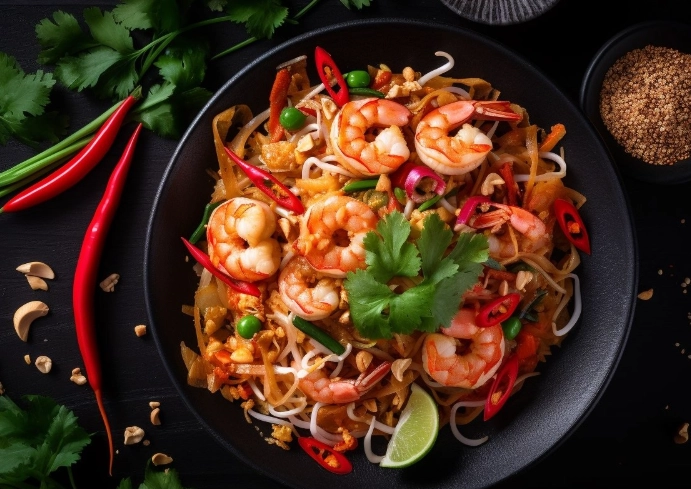
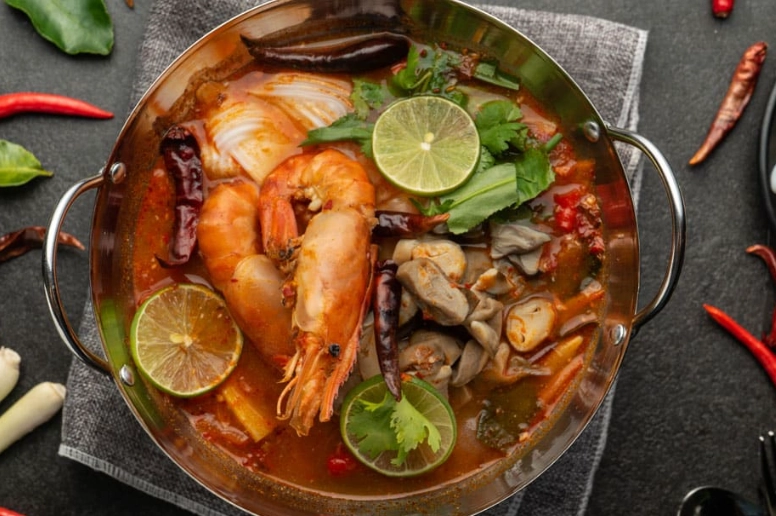
I remember my first real encounter with Thai food beyond the local takeout. I was in a tiny Bangkok alleyway, sweating more from the humidity than the spice, and I ordered something the vendor simply called "goong." What arrived was a volcanic-looking soup that smelled like a citrus grove had exploded. That was Tom Yum Goong. It was a revelation. It wasn't just food; it was an experience. And that's what this guide is about. We're going past the poster child dishes and into the heart of what makes these famous Thai dishes truly legendary.
The Pillars of Flavor: What Makes a Dish "Thai"?
You can't talk about the dishes without understanding the building blocks. Thai cooking isn't about one superstar ingredient; it's about balance. It's like a tightrope walk between five core tastes. Get it right, and it's magic. Get it wrong, and it's just... confusing.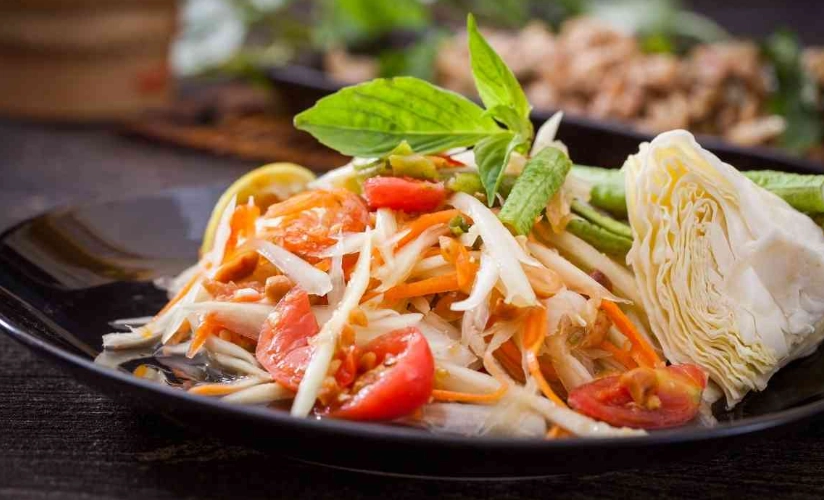
The Five-Flavor Balance:
- Sweet: Usually from palm sugar (softer, more caramel-like than white sugar) or coconut milk.
- Sour: Lime juice, tamarind, or sometimes green mango. It's the wake-up call in the dish.
- Salty: Fish sauce (nam pla) is the king here. It's the umami backbone. Soy sauce is often a secondary player.
- Spicy: Fresh chilies, dried chilies, chili paste. Heat is a flavor layer, not just a test of machismo.
- Bitter: Often from fresh herbs or certain vegetables, rounding out the profile.
And then there are the aromatics. Lemongrass, galangal (don't call it ginger – it's sharper, piney), kaffir lime leaves, and fresh coriander root. These aren't just garnishes; they're the soul of the broth, the curry paste, the marinade. The official Tourism Authority of Thailand often highlights this complex flavor harmony as the country's culinary signature.
So, with that stage set, let's meet the headliners. These are the famous Thai dishes you'll see on menus from Chiang Rai to Phuket, and frankly, from London to New York. But we're going to look at them through the lens of someone who's actually eaten them on the street, in the homes, and yes, in the fancy restaurants too.
Deconstructing the Classics: A Deep Dive
Pad Thai: The National Noodle (With a Twist)
Okay, we have to start here. But I want to clear up a few myths. First, Pad Thai isn't some ancient, timeless recipe. Its popularity as a national dish was heavily promoted in the mid-20th century. Second, the perfect Pad Thai is not sickly sweet. That's a common Western adaptation that drives purists nuts.
The magic lies in the tamarind paste. It provides a tangy, fruity sourness that cuts through the richness of the eggs and shrimp (or tofu). The noodles should be chewy, not mushy. You get a bit of crunch from bean sprouts and roasted peanuts. A true street-side Pad Thai is a quick, smoky masterpiece from a searing hot wok. The version you get in a mall food court? Usually a sad, sweet imitation.
Tom Yum Goong: The Aromatic Explosion
This is the soup that hooked me. The name tells you what's in it: "Tom" means to boil, "Yum" refers to the spicy-sour salad style, and "Goong" is shrimp. So, it's a boiled, spicy-sour shrimp soup. But that description is criminally bland.
When done right, the broth is clear, fiery, and fragrant. You smell the lemongrass and kaffir lime leaves before the bowl even hits the table. The sourness comes from fresh lime juice added at the end. The shrimp should be plump and sweet. There's also a creamy version (Tom Yum Nam Khon) that adds a dash of evaporated milk or coconut milk, which tames the heat a little and adds a silky texture. I actually prefer the clear version – it feels more vibrant and intense.
Green Curry (Gaeng Keow Wan): The Spicy Embrace
If Red Curry is the fiery older sibling and Yellow Curry the mild-mannered one, Green Curry is the vibrant, complex middle child. The color comes from fresh green chilies and herbs pounded into a paste. It's traditionally quite spicy, but the richness of the coconut milk creates a wonderful cooling effect.
The protein is usually chicken or fish balls, with Thai eggplant, bamboo shoots, and lots of sweet basil. The key is to not let it boil vigorously once the coconut milk is added – it can split. You eat it with plenty of steamed jasmine rice to soak up the incredible sauce. A common mistake is thinking all Thai curries are the same. They're not. The paste for each is a unique universe of flavors. The Michelin Guide's breakdown of green curry does a great job explaining the meticulous paste-making process.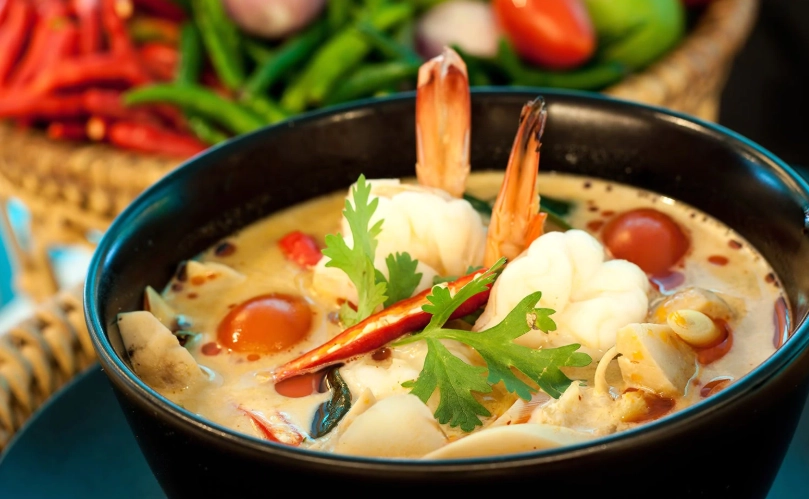
Is it one of the most famous Thai dishes for home cooking? Absolutely. Every family has their slight variation.
Som Tam (Green Papaya Salad): The Textural Firecracker
This is not a side salad. This is a main event. Shredded unripe papaya is pounded in a mortar with garlic, chilies, green beans, tomatoes, lime juice, fish sauce, and palm sugar. The result is an explosive combination of crunchy, sour, spicy, salty, and sweet.
There are endless variations. Som Tam Thai (the standard version with peanuts). Som Tam Pu (with salted black crab). Som Tam Lao (from the Isaan region, which uses a fermented fish sauce called *pla ra* and is often even more pungent and spicy).
Massaman Curry: The Royal Fusion
This curry tells a story of trade routes. With its Persian and Indian influences (think cardamom, cinnamon, cloves, and nutmeg), Massaman is unlike any other Thai curry. It's richer, sweeter, milder, and deeply aromatic. It often features beef or chicken, potatoes, onions, and roasted peanuts. It's a hearty, comforting curry that feels celebratory.
CNN Travel once famously ranked it the world's best food in a reader's poll, which tells you about its global appeal. It's complex but not confrontational.
Mango Sticky Rice (Khao Niew Mamuang): The Perfect Finale
After all those bold flavors, you need this. It's deceptively simple: sweet, ripe mango (the yellow, non-fibrous kind) served with sticky rice that's been steamed and soaked in sweetened coconut milk, then topped with crispy mung beans. The contrast of the cool, juicy mango with the warm, creamy, slightly salty rice is heavenly. It's only available during mango season (roughly March to June), so if you see it, order it.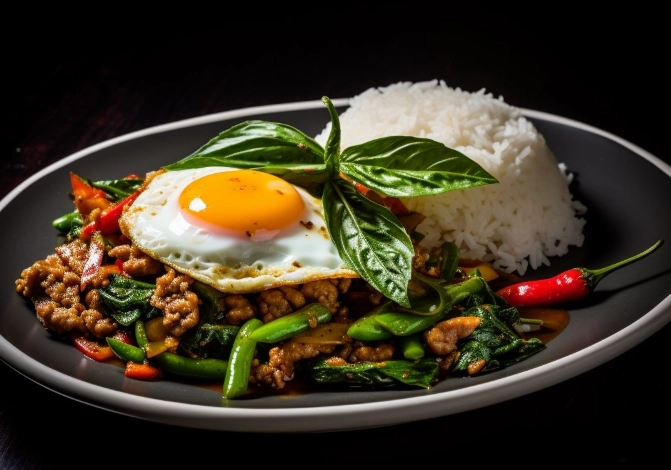
Beyond the Top Hits: Other Famous Thai Dishes You Need to Know
Sticking only to the top five would be a disservice. The menu is vast. Here are a few more heavy hitters:
- Pad Krapow Moo Saap (Holy Basil Stir-fry): Minced pork stir-fried with garlic, chilies, and loads of holy basil. It's served over rice with a fried egg on top. The runny yolk mixes with the spicy meat – it's the ultimate quick, cheap, and delicious meal. Ask for "kai dao" (fried egg) on top.
- Tom Kha Gai (Coconut Galangal Chicken Soup): Tom Yum's creamier, milder cousin. Coconut milk, galangal, lemongrass, and chicken. It's soothing and aromatic.
- Khao Soi: A signature dish from Northern Thailand. Egg noodles in a rich, creamy coconut curry broth, topped with crispy fried noodles. It has Burmese influences and is utterly addictive.
- Laab (or Larb): A minced meat salad from Isaan. It's spicy, sour, and herby, often using toasted rice powder for a nutty, gritty texture. Can be made with chicken, pork, or duck.
How to Navigate a Thai Menu Like a Pro
Seeing a long menu can be overwhelming. Here’s a quick cheat sheet to understand what you're getting into.
| Dish Name Starts With... | What It Likely Is | Key Characteristics |
|---|---|---|
| Tom... (e.g., Tom Yum, Tom Kha) | A soup. | Can be clear or creamy, often spicy and sour. |
| Gaeng or Kaeng... (e.g., Gaeng Keow Wan) | A curry. | Usually involves coconut milk and a specific curry paste. Eaten with rice. |
| Pad... (e.g., Pad Thai, Pad See Ew) | Stir-fried. | Cooked quickly in a wok. Noodles, rice, or vegetables. |
| Yam or Laab... | A salad. | Usually spicy, sour, and savory. Can be meat or seafood-based. |
| Khao... (e.g., Khao Soi, Khao Pad) | A rice or noodle dish. | "Khao" means rice. Khao Pad is fried rice. Khao Soi is the curry noodle. |
Common Questions About Famous Thai Dishes (Answered)
Bringing It Home: Can You Cook These Famous Thai Dishes?
You can! It's not as hard as you think, but you need the right ingredients. A trip to an Asian supermarket is essential. Don't substitute galangal with ginger – they're different. Use real tamarind paste, not lime juice, for Pad Thai. Fresh lemongrass and kaffir lime leaves make a world of difference over dried.
Start with something like Pad Thai or a simple stir-fry. Making your own curry paste from scratch is a rewarding project, but for weeknights, a good-quality store-bought paste (like Maesri or Mae Ploy brands) is perfectly acceptable. Just fry the paste in oil first to "wake up" the flavors before adding coconut milk.
The beauty of these famous Thai dishes is their depth. They're not just fuel; they're a conversation between flavors. They can be street food or fine dining. They're communal, meant to be shared with rice in the middle of the table.
So next time you order, maybe skip the Pad Thai you always get. Try the Khao Soi. Ask for the Som Tam "pet mak" (very spicy) if you're feeling brave. Dive into that bowl of Tom Yum and let the aromatics transport you. There's a whole world beyond the single most famous dish, and it's absolutely worth exploring.
Trust me, your taste buds will thank you. Even if they need a moment to recover.
Reader Comments