Your Thai Food Compass
- The Non-Negotiable Classics: Thai Food Dishes You Simply Have to Try
- It's Not All the Same: A Quick Tour of Thailand's Regional Thai Food Dishes
- How to Actually Order and Eat Thai Food (The Practical Stuff)
- Questions You Might Be Too Shy to Ask (But Everyone Wonders)
- Taking the Next Step: From Restaurant to Kitchen
Let's be honest. Walking into a Thai restaurant for the first time can be a bit overwhelming. The menu is full of names you can't pronounce, descriptions that make your mouth water but also leave you wondering, "What am I actually getting?" Pad Thai you've probably heard of. But what about Tom Yum Goong, Som Tum, or Gaeng Daeng? Are they all just... spicy?
I remember my first real encounter with Thai food dishes beyond the neighborhood takeout pad thai. It was in a busy family-run spot, the air thick with the smell of lemongrass and chili. I pointed at something random, braced for fire, and was instead hit with this incredible balance of sweet, sour, salty, and just a hint of heat. It was a revelation. Thai food isn't just about spice; it's about harmony. It's a conversation between flavors.
This guide is here to decode that conversation for you. We're going beyond the listicle. We'll dig into the classics everyone should try, uncover the distinct personalities of Thailand's regional cuisines, and give you the confidence to order like you know what you're doing. Consider this your friendly map to one of the world's most vibrant food cultures.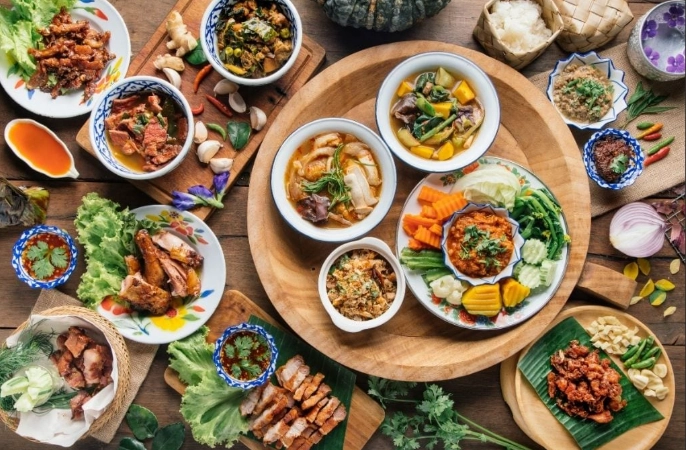
The Core Idea: At the heart of most Thai food dishes lies the quest for a balance between four fundamental taste senses: sour (like lime or tamarind), sweet (palm sugar, coconut), salty (fish sauce, soy), and spicy (fresh chilies, chili pastes). The fifth, bitter, sometimes plays a role too. It's this dance of flavors that makes Thai cuisine so addictive and complex.
The Non-Negotiable Classics: Thai Food Dishes You Simply Have to Try
These are the pillars. The dishes that have traveled the globe and for good reason. If you're building your foundational knowledge of Thai cuisine, start here.
The Soups: More Than Just a Starter
In Thailand, soup is often a shared centerpiece, not just a pre-meal ritual.
Tom Yum Goong. The iconic hot and sour shrimp soup. It's a clear, aromatic broth punched up with lemongrass, galangal (a knobbly cousin of ginger, but sharper and more citrusy), kaffir lime leaves, and chili. The "Goong" means it's typically made with prawns. The sourness usually comes from lime juice. It's bracing, refreshing, and wakes up every part of your palate. There's also a creamy version called Tom Yum Nam Khon, which adds a swirl of evaporated milk or coconut milk. I find the creamy version sometimes tames the heat a little too much for my liking—I prefer the punch of the original.
Tom Kha Gai. If Tom Yum is the vibrant extrovert, Tom Kha Gai is the comforting, creamy hug. It's a coconut milk-based soup with chicken ("Gai"), infused with the same herbal trio (lemongrass, galangal, lime leaves). It's rich, slightly sweet from the coconut, and has a milder, more rounded heat. This is the one I recommend to friends who are spice-averse but want flavor depth.
The Curries: A Spectrum of Color and Flavor
Forget the generic yellow powder. Thai curries are complex pastes pounded fresh from herbs, spices, and aromatics. The color often tells you a lot about the flavor profile.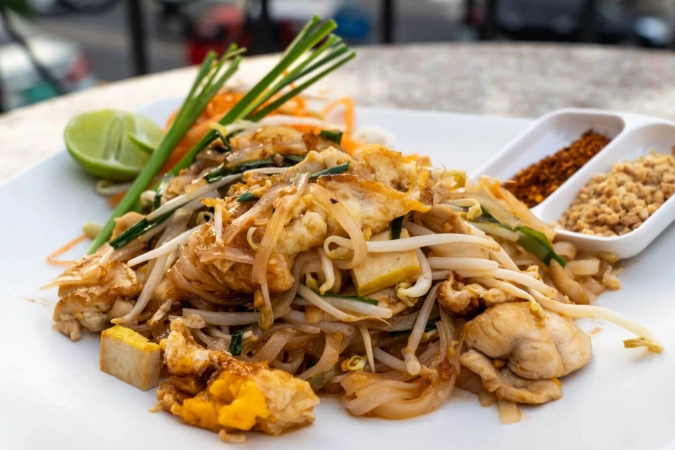
| Curry | Key Paste Ingredients | Flavor Profile & Typical Protein | Best Paired With |
|---|---|---|---|
| Green Curry (Gaeng Keow Wan) | Green chilies, lemongrass, galangal, kaffir lime, coriander root. | Hottest of the common curries, fresh herbal notes, slightly sweet from coconut milk. Often with chicken or fish balls. | Steamed jasmine rice. The rice is essential to balance the heat. |
| Red Curry (Gaeng Daeng) | Dried red chilies, garlic, shallots, galangal, lemongrass. | Deep, rounded heat (less fiery than green), robust and savory. Very versatile with beef, duck, or tofu. | Rice or even roti bread for dipping. |
| Massaman Curry (Gaeng Massaman) | Red chilies plus warming spices like cinnamon, cardamom, star anise, cloves. | Mild, rich, sweet, and nutty (often contains peanuts). Persian/Indian influences. Classic with beef or chicken and potatoes. | Fluffy jasmine rice. It's a hearty, almost stew-like curry. |
| Panang Curry (Gaeng Panang) | Similar to red curry paste but drier, with roasted peanuts ground in. | Thick, rich, less soupy than others, distinctly nutty and salty-sweet. Usually with beef or pork. | A modest portion of rice, as it's very rich. |
Here's a personal take: while Massaman is often hailed as the "world's best" by some lists, I sometimes find it can be too sweet in certain restaurants, tasting almost like a dessert curry. A well-executed Green or Red curry, bursting with fresh herbal notes, is often more satisfying to me.
The Noodle & Rice Stars: Street Food Legends
Pad Thai. Yes, it's the cliché. But a *good* Pad Thai is a thing of beauty. It should be a balance of sweet (palm sugar), sour (tamarind), and salty (fish sauce), with chewy rice noodles, scrambled egg, tofu, some shrimp or chicken, and a crunch from crushed peanuts and bean sprouts. The problem? It's often made too sweet for Western palates abroad. A legit version is more tangy and complex than just sugary.
Pad See Ew. My personal favorite. Wide, flat rice noodles stir-fried with soy sauce (leading to its signature dark color), Chinese broccoli, and egg, with pork or chicken. It's savory, slightly sweet from the soy, and has a wonderful smoky flavor from being seared in a very hot wok ("wok hei"). It's the ultimate comfort noodle.
Khao Pad. Simply, Thai fried rice. Usually jasmine rice fried with egg, onion, and a protein, seasoned with a light soy and fish sauce blend. It's simple, ubiquitous, and a safe bet that's almost always good. The key is the quality of the rice—it should be grains, not mush.
The Salads (Yam): Flavor Bombs in a Bowl
Thai salads are not the leafy, mild side dishes you might be used to. They are bold, often spicy, and packed with texture.
Som Tum. Green papaya salad. Shredded unripe papaya pounded in a mortar with chilies, garlic, lime juice, fish sauce, palm sugar, tomatoes, and long beans. It's an explosive combination of sour, spicy, sweet, and salty, with a fantastic crunchy texture. There are variations: Som Tum Thai (with peanuts), Som Tum Pu (with salted crab), etc. This is a dish where you can often ask for the spice level—and you should. A true Northeastern-style one can be brutally hot.
Yam Nua. Grilled beef salad. Slices of grilled beef tossed with onions, cilantro, mint, lime juice, and a fiery chili dressing. It's light yet packed with protein, refreshing from the herbs, and has a great charred-meet-zesty flavor. A perfect dish for a hot day.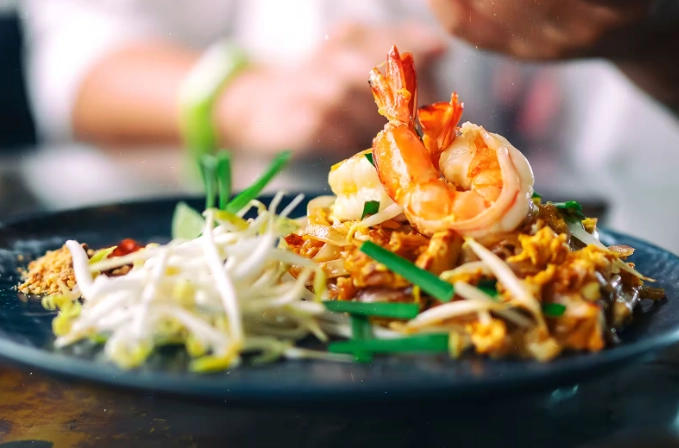
It's Not All the Same: A Quick Tour of Thailand's Regional Thai Food Dishes
Thailand has distinct culinary regions. The food in Bangkok is different from the food in Chiang Mai, which is worlds apart from the food in the southern islands. Knowing this helps explain menu diversity.
Central Plains (Bangkok & Surroundings)
This is the "royal cuisine" and the melting pot. Dishes are often refined, balancing all flavors elegantly. Curries tend to be coconut milk-based and rich. This is where you find many of the classics we've already talked about. The influence of the royal court historically meant presentation and complexity were key.
Northeastern / Isan
This region's food is bold, rustic, and heavily influenced by neighboring Laos. Sticky rice (Khao Niew) is the staple, not jasmine rice. Flavors are pungent, spicy, and sour. Som Tum (papaya salad) is the queen here. Larb (a minced meat salad with herbs, lime, and toasted rice powder) is another Isan superstar. Gai Yang (grilled marinated chicken) served with sticky rice and Som Tum is a quintessential Isan meal. The food is often less sweet and more aggressively seasoned than Central Thai food.
Northern Thailand
Here, the food is milder, earthier, and influenced by Burmese and Chinese Yunnanese cultures. Curries are often water-based, not coconut-based. A famous dish is Khao Soi—curried noodle soup with both boiled and crispy fried egg noodles, usually with chicken or beef. It's creamy, rich, and topped with pickled mustard greens, shallots, and a lime wedge. It’s a must-try that's become popular worldwide. Another is Sai Oua, a flavorful herbal sausage.
Southern Thailand
Surrounded by sea and with a large Muslim population, Southern Thai food dishes are famously spicy, use lots of turmeric, and feature seafood and coconut. Gaeng Som (or Gaeng Leung) is a sour, fiery yellow curry often with fish. Khao Yam is a beautiful rice salad with herbs, toasted coconut, and a fermented fish sauce. The food here is not for the faint of heart—chilies are used with a heavy hand.
You can see how geography shapes the plate. The official tourism site of Thailand, Tourism Thailand, has great cultural insights that often touch on these regional food identities, highlighting how integral cuisine is to local life.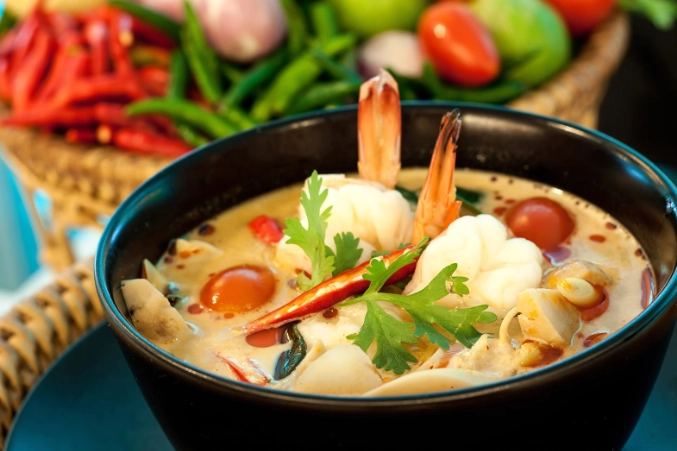
How to Actually Order and Eat Thai Food (The Practical Stuff)
Okay, you know the dishes. Now, how do you navigate a real meal?
Thai meals are typically shared.
You don't order one main course for yourself. You order a variety of dishes for the table—a curry, a stir-fry, a salad, a soup—and everyone eats family-style with plenty of rice. Rice is the neutral canvas that soaks up all the intense flavors.
Navigating the Spice Level: "Ped Mai?" (Spicy or Not?)
This is the big question for many. Thai spice levels are no joke. Here’s a strategy:
- Ask & Specify: Use the terms "Ped" (spicy), "Ped Nit Noi" (a little spicy), or "Mai Ped" (not spicy). Don't assume the kitchen knows your tolerance.
- Start Mild: If you're unsure, order a dish "Mai Ped" or "Ped Nit Noi." You can always add more heat with condiments on the table (like dry chili flakes or chili in fish sauce "Nam Pla Prik"). It's much harder to remove heat.
- Respect the Dish: Some dishes are meant to be spicy, like Som Tum or certain Southern curries. Asking for them "Mai Ped" will fundamentally change the dish. Maybe try a different, inherently milder dish instead.
What About Dietary Restrictions?
Vegetarians/Vegans: It's getting easier, but caution is needed. The biggest hurdle is fish sauce (Nam Pla) and shrimp paste (Kapi), which are used as saltiness in almost everything. Say "Jin Jay" (eat vegetarian, often implying Buddhist vegetarian, which also excludes garlic and strong spices) or more clearly, "Mai Sai Nam Pla, Mai Sai Kapi" (don't put fish sauce, don't put shrimp paste). Specify you eat tofu and vegetables. Many classic dishes like Pad Thai or Green Curry can be made vegetarian.
Gluten-Free: Soy sauce contains wheat. Fish sauce is usually gluten-free. Request dishes to be made with fish sauce only ("Chai Nam Pla Theung"). Stir-fries and curries are often safer than noodle dishes where sauces can be pre-mixed.
For authentic, in-depth explanations of ingredients like fish sauce and their role, resources like Michelin Guide's features (which has a strong presence in Thailand now) can offer a chef's perspective on these foundational elements.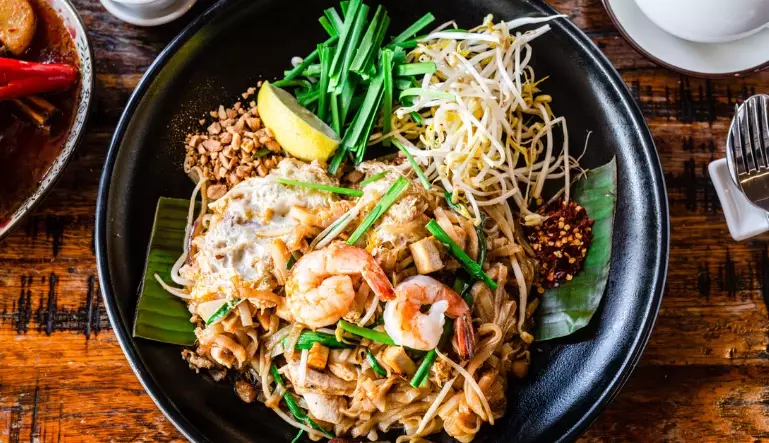
Questions You Might Be Too Shy to Ask (But Everyone Wonders)
Taking the Next Step: From Restaurant to Kitchen
Once you fall in love with these Thai food dishes, you might want to try making them. It's challenging but rewarding. The secret is in the paste. While you can buy decent pre-made curry pastes, the flavor difference with a fresh one is night and day.
Start with something like Pad See Ew or a simple stir-fry. For authentic recipes that break down techniques, I've found that websites like Eating Thai Food, run by someone deeply familiar with the cuisine, often provide great step-by-step guides and cultural context that goes deeper than generic recipe sites.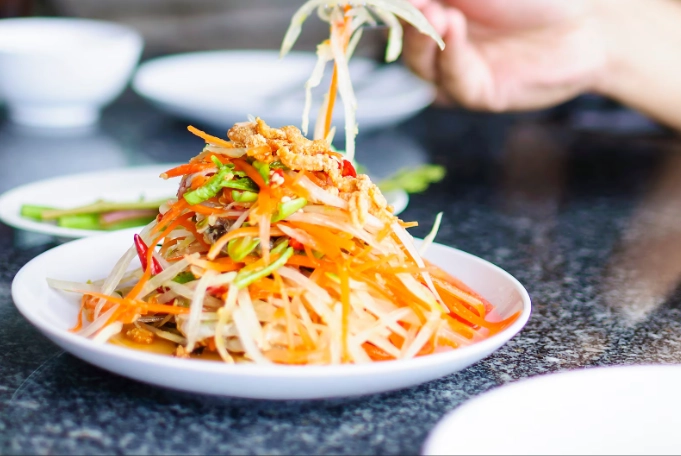
The world of Thai food dishes is deep and endlessly fascinating. It's a cuisine that rewards curiosity. Don't just stick to the same two things. Ask questions, point at something that looks good on another table, and embrace the balance of flavors. Your taste buds will thank you for the adventure.
So, next time you're looking at that menu, you'll see more than just words. You'll see regions, techniques, and a beautiful philosophy of balance. Now go eat.
Reader Comments