In This Guide
Let's be real. When most people think of Korean cuisine dishes, kimchi pops into their head first. And sure, that spicy, fermented cabbage is a superstar. But there's a whole universe of flavors waiting beyond that jar. I remember my first real Korean meal wasn't at some fancy spot; it was at a friend's grandma's house. The table was covered—I mean completely covered—with little plates of all colors. I was hooked. The mix of spicy, savory, sweet, and that incredible fermented tang was something I hadn't experienced before. It wasn't just eating; it was an event.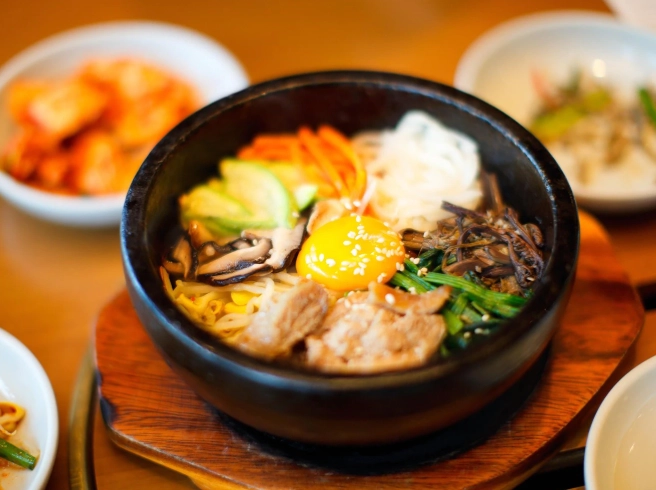
That's what this guide is for. To get you past the kimchi (though we'll definitely talk about it) and into the heart of what makes Korean food so special, comforting, and downright addictive. We're talking about the sizzling meats, the soul-warming stews, the bowls you can't stop mixing, and all the little side dishes that make every meal a feast.
Here's the thing: Korean food can seem intimidating. All those names, the fear of too much spice, not knowing what to order. I've been there. I once ordered something called "Sundae" thinking it was dessert. It was blood sausage. A surprise, but not a bad one once I got over the shock! My point is, we'll walk through it together.
The Heart and Soul of Korean Cuisine Dishes
Before we jump into the dishes themselves, you gotta understand the vibe. Korean food isn't about one single flavor hitting you over the head. It's a harmony, sometimes a playful argument, between a few key elements.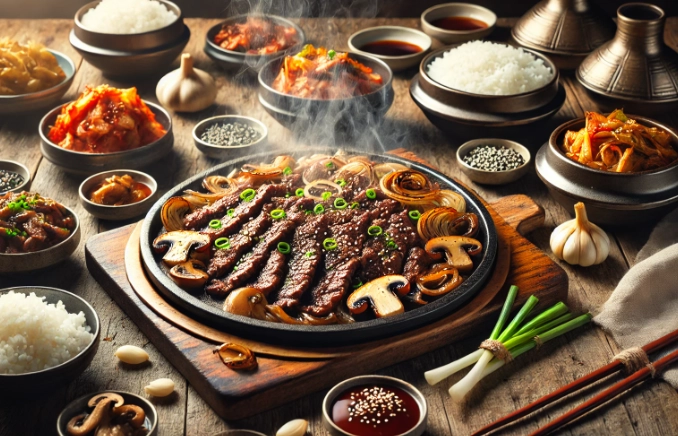
Fermentation is King (or Queen). This isn't just kimchi. It's the deep, savory foundation of so many sauces and pastes. Doenjang (soybean paste) and gochujang (chili paste) are the dynamic duo in your average Korean kitchen. They're aged, complex, and pack an umami punch that powdered seasonings just can't match. The Korean government's official portal has some cool cultural insights into how integral fermentation is, tracing back thousands of years.
Balance is Everything. Think about yin and yang. Meals often balance hot and cold, spicy and mild, crispy and soft. A blazing hot stew (jjigae) is almost always paired with cool, crisp sides (banchan). It makes the eating experience dynamic.
It's Meant for Sharing. The concept of jeong (정), a deep feeling of connection, is often felt over shared food. Big pots in the middle of the table, grills everyone cooks on together—it's communal. Even if you're eating alone, you'll likely have a spread of banchan, making it feel like a meal for more than one.
The Absolute Classics: Your Korean Food Starter Pack
These are the heavy hitters, the dishes you'll see on every menu and the ones you should probably try first to get your bearings. Let's break them down in a way that's easy to scan.
| Dish Name | What It Is (Plain English) | Key Flavors & Texture | Good to Know |
|---|---|---|---|
| Kimchi | Fermented vegetables, usually napa cabbage or radish. | Spicy, sour, salty, crunchy, fizzy. | The national side dish. Hundreds of varieties exist. It's alive (with good bacteria)! |
| Bibimbap (비빔밥) | "Mixed rice." A bowl of warm rice topped with veggies, meat, egg, and gochujang. | Fresh, savory, a little spicy, with crispy rice bits if served in a hot stone pot (dolsot). | The ultimate DIY meal. Mix everything together thoroughly! The dolsot version is a game-changer. |
| Korean BBQ (Gogi-gui) | Thinly sliced meats (like bulgogi, galbi) grilled at your table. | Sweet, savory, smoky, tender. The marinade is everything. | Interactive and fun. You wrap the meat in lettuce (ssam) with garlic, sauce, and kimchi. |
| Jjigae (찌개) | A hearty, boiling stew served in a communal pot. | Deep, savory, often very spicy, comforting. | Kimchi jjigae (with kimchi and pork) and sundubu jjigae (soft tofu) are the most popular. Eat with rice. |
| Japchae (잡채) | Stir-fried glass noodles made from sweet potato starch. | Savory-sweet, slightly chewy, glossy from sesame oil. | A staple at celebrations and parties. Often has veggies and beef. Surprisingly addictive. |
My personal take? You can't go wrong starting with Bibimbap. It's like a sampler platter in a bowl. You get a bit of everything—rice, veg, protein, sauce—and you control the spice level. It's a perfect introduction to the world of Korean cuisine dishes.
Beyond the Basics: Must-Try Korean Dishes for Adventurous Eaters
Once you're comfortable with the classics, the real fun begins. This is where Korean food shows off its range, from street food snacks to luxurious soups.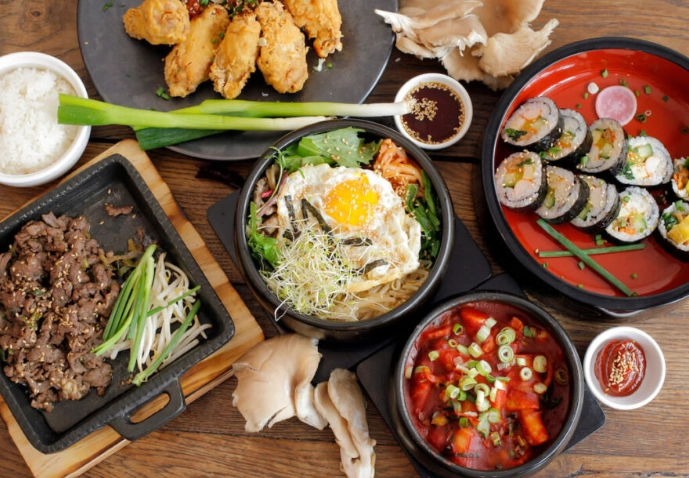
The Ultimate Korean Comfort Food List
These are the dishes Koreans crave when they're homesick, tired, or need a hug in a bowl.
- Tteokbokki (떡볶이): Chewy rice cakes swimming in a sweet, spicy, and sticky gochujang-based sauce. Often has fish cakes and boiled eggs. The #1 street food. It's chewy, spicy, and sweet all at once. I find the sauce can sometimes be too sweet in some places, but when it's balanced, it's magic.
- Samgyetang (삼계탕): A whole young chicken stuffed with glutinous rice, ginseng, jujubes, and garlic, simmered in a clear broth. Sounds intense, but it's incredibly delicate and clean-tasting. Eaten in the summer to combat heat—a "fight fire with fire" concept.
- Army Stew (Budae Jjigae/부대찌개): A fascinating piece of food history. Born after the Korean War, it combines spam, hot dogs, baked beans, ramen noodles, and kimchi in a spicy broth. It's chaotic, indulgent, and somehow works perfectly. A real testament to making something delicious from whatever's available.
For the Truly Bold
Okay, let's talk about the dishes that might give you pause. I've tried most of these, and some are now favorites, while others... well, they're an experience.
Live Octopus (San-nakji/산낙지): Yes, it's chopped up right before serving, and the tentacles are still moving. The texture is the main event—slippery and suctiony. It's usually dipped in sesame oil. It's more chewy than flavorful, to be honest. An experience, but not one I crave weekly.
Fermented Skate (Hongeo-hoe/홍어회): This one is famous for its... powerful ammonia smell. The fermentation process gives it a unique, pungent aroma that is definitely an acquired taste. I won't lie, it's a challenge. Even many Koreans find it strong.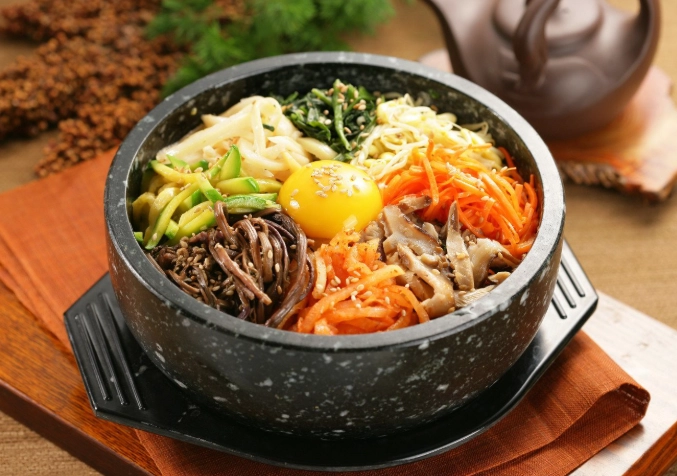
"The beauty of exploring Korean cuisine dishes is that there's a spectrum. You have the universally loved, comforting stews on one end, and these challenging, acquired-taste delicacies on the other. You don't have to like them all. But understanding their place in the culture is part of the journey."
How to Actually Eat a Korean Meal (No, Really)
This is where people get nervous. Relax. The rules are more about enjoyment than strict etiquette. But a few tips will make you feel more confident and enhance the meal.
Banchan (반찬) are FREE refills (usually). Those little side dishes—kimchi, seasoned spinach, bean sprouts, etc.—are meant to be shared and eaten throughout the meal. You can ask for more of any you like. Don't be shy.
Rice and Soup on the left, everything else on the right. That's the traditional place setting. Your personal bowl of rice (밥) and soup (국) are closest to you.
Sharing is caring. If a stew or a large plate is in the middle, it's for everyone. Use your own spoon or chopsticks to take what you want directly from the shared dish to your bowl. It's normal.
The Kimchi Question: Can you eat it straight? Absolutely. Do you have to? Nope. You can eat it with a bite of rice, wrap it with BBQ, or just nibble on it between bites. There's no wrong way.
One thing I learned the hard way: don't lift your rice or soup bowl off the table when eating. In some cultures, it's polite. In Korea, it's something you might do as a child. Keep it on the table and bring your face closer if needed. A small thing, but it stuck with me.
Your Korean Food Questions, Answered (FAQ)
I get asked these all the time. Let's clear things up.
Is all Korean food super spicy?
No! This is the biggest misconception. While spicy dishes like tteokbokki and kimchi jjigae are famous, a huge portion of Korean cuisine dishes are mild. Think of savory galbi (marinated short ribs), sweet and savory japchae, clean samgyetang, or the nutty flavor of bibimbap without the gochujang. You can almost always ask for less spice or order non-spicy alternatives.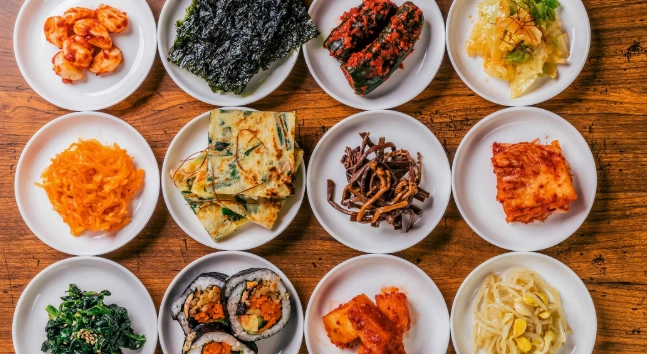
I'm vegetarian/vegan. Can I eat Korean food?
It's a challenge, but not impossible. The foundation of many broths and sauces is meat or seafood (like dried anchovies). However, Buddhist temple cuisine (sachal eumsik) is strictly vegan and showcases incredible flavors without any animal products. For everyday eating, look for dishes like:
- Bibimbap without meat or egg (ask for no meat broth in the rice).
- Japchae made without beef.
- Pajeon (savory scallion pancake).
- Doenjang jjigae made with just tofu and veggies (confirm the broth).
Always, always ask. The Michelin Guide has highlighted several vegan-friendly Korean restaurants in Seoul, showing the cuisine's growing adaptability.
What's the deal with all the side dishes?
That's banchan. It's not an appetizer; it's part of the main meal. They're designed to complement the flavors of the main dishes, add different textures, and ensure you never have a boring bite. They range from simple seasoned vegetables to complex pancakes and fritters. The variety is a sign of generosity and care from the kitchen.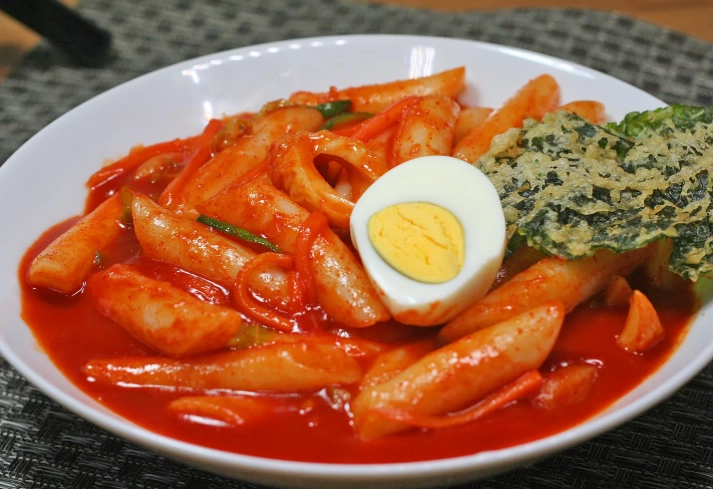
What should I order for my first time at a Korean restaurant?
Go with a group if you can. Then order:
1. A Korean BBQ meat (like bulgogi or pork belly).
2. A stew to share (kimchi jjigae or sundubu jjigae).
3. A carb/vehicle (like a bowl of rice per person or a pajeon pancake).
The restaurant will bring banchan. This gives you the full spectrum: grilling, sharing, spicy, mild, wrapping, and dipping. It's the best introduction.
Pro Tip: If you're dining solo, a dolsot bibimbap (hot stone pot bibimbap) or a hearty jjigae with rice is your best bet. You still get a variety of textures and flavors in one satisfying bowl.
Bringing Korean Flavors Home
You don't need to be a master chef. Start with a few key pantry items, and you can replicate a lot of flavors. The must-haves are gochujang (red chili paste), doenjang (soybean paste), gochugaru (coarse chili powder), and sesame oil. With these, you can make stews, marinades, and dipping sauces.
My first successful home attempt was kimchi jjigae. I bought a good quality, ripe kimchi, some pork belly, tofu, and used the kimchi juice as part of the broth. Threw in a spoonful of gochujang and gochugaru. It wasn't grandma-level, but it was delicious, warming, and felt like a real achievement. The Maangchi website is an incredible, trusted resource for authentic, well-explained recipes. She breaks it down so anyone can follow along.
Don't try to make everything from scratch at first. Buy good kimchi. Buy pre-made mandu (dumplings) to pan-fry. Use store-bought sauces as a base. The goal is to enjoy the process and the meal, not to stress.
The Final Bite
Exploring Korean cuisine dishes is a journey. It's about more than just feeding yourself. It's about experiencing a culture that puts incredible value on shared meals, balance, and deep, developed flavors. Start with the comforting classics—the bibimbap, the BBQ, the stews. Let your curiosity guide you to the street food and the more adventurous plates when you're ready.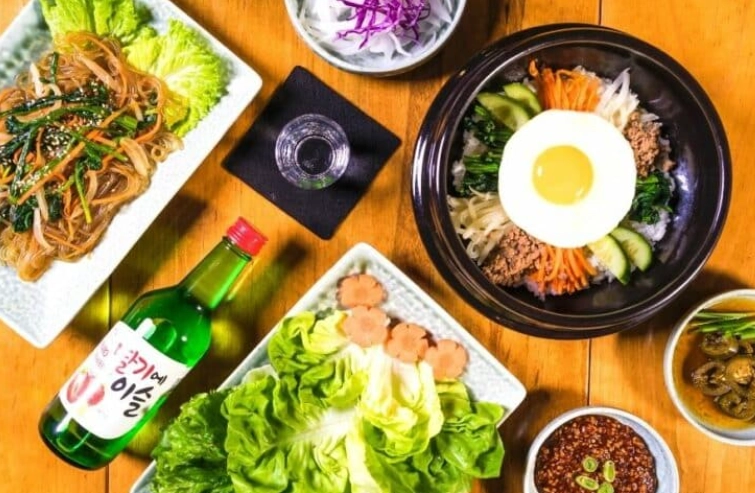
Remember, nobody expects you to know everything. The best Korean meals I've had were when I just pointed at something on the menu that looked good, or trusted the server's recommendation. Be open, be ready to mix things together, and don't forget to try a little bit of everything on the table.
That's the real secret to Korean food. It's an experience to be shared, one delicious, surprising, and satisfying bite at a time.
Reader Comments