Quick Navigation
Let's be honest, when you hear "Sri Lanka," what pops into your head? Maybe it's endless tea plantations, elephants wandering around, or those stunning Instagram shots of a train winding through green hills. I thought the same thing before I went. But let me tell you, the real Sri Lankan experience is so much deeper, messier, spicier, and more rewarding than any postcard can show.
This isn't just another generic travel listicle. I want to give you the feel of the place—the smell of cinnamon and diesel in Colombo air, the sound of a hundred prayers at a temple at dawn, the sheer, bewildering kindness of strangers who invite you for tea. We'll talk logistics, sure, but we'll also dig into why this island gets under your skin.
I remember getting hopelessly lost in the backstreets of Kandy, trying to find a specific restaurant. A shopkeeper saw me looking confused, abandoned his store for ten minutes, and personally walked me five blocks to the door. He refused any payment, just smiled and said, "You are our guest." That's the Sri Lankan spirit in a nutshell—a blend of deep-rooted hospitality and chaotic charm. It's not always perfect (the traffic in Colombo will test your soul), but it's always real.
First Things First: Getting Your Bearings
Before you dive into the curry and chaos, you need a mental map. Sri Lanka is deceptively small on a map, but the terrain and roads mean travel takes time. Don't try to cram it all in.
The heart of the ancient Sri Lankan civilization is the Cultural Triangle, smack in the middle of the island. Think staggering ruins like Sigiriya and Anuradhapura. Then you have the hill country, with its cool air, tea estates, and hiking trails. The south and west coasts are your beach zones, from surfing hotspots to lazy palm-fringed bays. The east coast is wilder, less crowded, with a different rhythm. And the north, including Jaffna, has a unique Tamil cultural flavor, still emerging from the shadows of the long civil war.
When to Go (It's More Complicated Than You Think)
Everyone asks about the best time. There's no single answer because of those darn monsoon seasons. The west and south coasts (think Colombo, Galle, Mirissa) are driest from December to March. The east coast (Trincomalee, Arugam Bay) shines from April to September. The hill country can be pleasant year-round but gets misty and cool. Honestly, unless you're chasing perfect beach weather every day, don't stress too much. I've been in the "off-season" and had brilliant sunny mornings followed by dramatic, short-lived downpours that just made everything greener. It's a tropical island—rain is part of the deal.
What you should be more aware of are local holidays, especially the Sri Lankan New Year in April and major Buddhist full moon days (Poya). On Poya days, alcohol sales are banned nationally, and everything slows down. It's a fascinating cultural insight, but just know that your plans for a sunset beer might need adjusting.
The Heartbeat of the Island: Sri Lankan Culture Unpacked
You can't understand Sri Lanka without understanding the forces that shape daily life. It's a rich, sometimes tense, blend of Buddhism, Hinduism, Islam, and colonial history.
Buddhism is the majority religion and its influence is everywhere. You'll see monks in saffron robes, countless white stupas gleaming in the sun, and offerings of frangipani flowers. When visiting temples, covering shoulders and knees is non-negotiable (for everyone), and you always remove your shoes. It's a sign of respect. The ancient cities are not just tourist attractions; they are active pilgrimage sites. Seeing families quietly praying amidst thousand-year-old ruins is a humbling experience.
Then there's the Tamil Hindu culture, vibrant and colorful, with its own magnificent temples adorned with intricate statues of gods. The Sri Lankan Tamil community, particularly in the north and east, adds a crucial layer to the national tapestry. The civil war that ended in 2009 was brutal, and its scars are still visible. But there's a palpable sense of moving forward. Visiting Jaffna now feels like witnessing a renaissance.
How do you connect with this culture? Don't just observe, participate. Smile back. Accept that cup of tea. Learn a few words of Sinhala or Tamil—"Ayubowan" (hello in Sinhala) or "Nandri" (thank you in Tamil) will earn you massive smiles. Be patient. Things operate on "Sri Lankan time," which is more of a suggestion than a schedule. Fighting it will only frustrate you. Go with the flow.
A Love Letter to Sri Lankan Food
Okay, let's talk about the real reason some people come here. Sri Lankan food is a glorious, fiery, complex explosion of flavors. It's not just "Indian food." It has its own personality—often hotter, with a distinctive use of toasted spices, coconut, and seafood.
The centerpiece is rice and curry. But forget what you think you know. A proper Sri Lankan rice and curry plate is a feast—a mound of rice surrounded by five, six, sometimes ten little bowls of different curries. There's dhal (lentil curry), maybe a potato curry, a pungent dried fish relish (mallum), a crispy papadum, and always, always, a sambol. Pol sambol, a mix of grated coconut, red onion, chili, and lime juice, is a revelation. It's fresh, spicy, and addictive.
Then you have the street food. Kotthu roti is the national street snack. It's chopped roti bread stir-fried on a hot griddle with vegetables, egg, or meat, and a killer spice mix. The rhythmic *chop-chop-chop* of the metal blades is the sound of a Sri Lankan evening. Hopper (appa) is a bowl-shaped fermented coconut milk pancake, perfect with an egg cooked in the center and a scoop of lunu miris (onion and chili paste).
My personal favorite? Lamprais. It's a Dutch Burgher influence—a bundle of rice, meat curry, seeni sambol (caramelized onion relish), and frikkadels (spicy meatballs), all wrapped in a banana leaf and baked. The flavors meld into something incredible. You have to try it.
For a deep dive into the ingredients and recipes, the Serendib magazine, a long-running publication about Sri Lankan life, often features fantastic food articles. Also, checking the official Sri Lanka Tourism website can sometimes point you to food festivals or cooking class experiences.
Must-Try Dishes Checklist
- Rice and Curry: The ultimate experience. Best had at a local "hotel" (small local restaurant).
- Kotthu Roti: The ultimate comfort food. Find a busy street stall.
- Egg Hopper: The ultimate breakfast. Eat it with your hands.
- Lamprais: The ultimate flavor bundle. Needs to be ordered ahead sometimes.
- Jaffna Crab Curry: If you're on the east or north coast. Messy, spicy, unforgettable.
- Wambatu Moju: Eggplant (aubergine) pickle. Sweet, sour, spicy. A perfect side.
- Curd and Treacle: Buffalo milk curd with sweet palm sugar syrup. The perfect dessert.
Planning Your Sri Lankan Adventure: The Nitty-Gritty
Let's get practical. This is the stuff that travel blogs often gloss over.
Getting Around (The Good, The Bad, The Chaotic)
Trains: The famous train rides (Kandy to Ella is the poster child) are beautiful for a reason. But they are often packed. Book 2nd or 3rd class reserved seats if you can, through the Sri Lanka Railways website. Hanging out the door is fun for photos, but be careful. For long distances, trains are scenic but slow.
Tuk-tuks: The king of short-distance travel. Always, always agree on a price before you get in. Use the PickMe or Uber app in Colombo and major cities—it's a game-changer for fair pricing and reduces haggling stress.
Private Driver: For moving between regions, hiring a car with a driver for a few days is incredibly common and surprisingly affordable. It gives you flexibility, comfort, and a local insight. Your hotel can usually arrange a reliable one.
Buses: Cheap and very local. Often crowded and driven with... let's call it assertive enthusiasm. An adventure for the brave.
Budget Breakdown (Approximate)
Let's talk money. Costs can vary wildly. Here's a rough idea per day for one person:
| Travel Style | Budget (USD) | What It Gets You |
|---|---|---|
| Backpacker | $25 - $40 | Basic guesthouse, local food, buses, limited paid attractions. |
| Comfort Traveler | $60 - $100 | Nice boutique hotel/guesthouse, mix of local & nicer meals, occasional private driver, entrance fees. |
| Luxury | $150+ | High-end hotels, fine dining, private driver throughout, guided tours. |
Remember, entrance fees for major sites like Sigiriya are steep for foreigners (around $30). Factor that in.
Where to Stay: Beyond the Chain Hotels
Sri Lanka excels at small, family-run guesthouses and beautiful boutique villas. You'll get better service, more authentic tips, and your money goes directly into the local economy. Look for places with good reviews on booking sites. In the hill country, staying on a tea estate itself is a unique experience. On the coast, you can find anything from simple beach huts to stunning design hotels.
Answering Your Burning Questions
The Hidden Gems & Overrated Spots (My Honest Take)
Everyone goes to Sigiriya, Ella, and Mirissa. They're popular for a reason. But here are some alternatives that might give you a more unique Sri Lankan experience.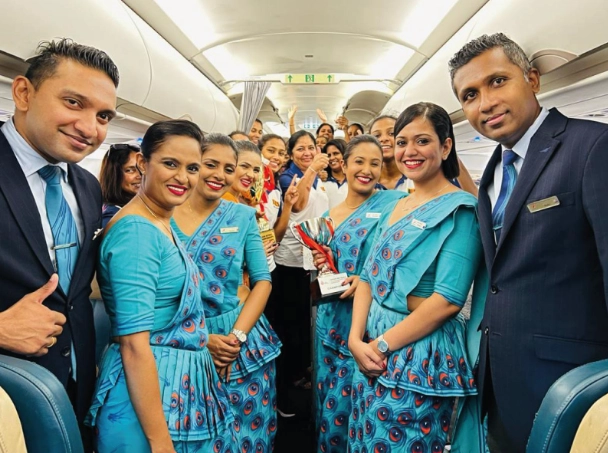
Instead of just Sigiriya... climb Pidurangala Rock right opposite it. The view of Sigiriya at sunrise is breathtaking, and it costs a fraction of the price. Also, don't skip the nearby cave temples of Dambulla.
Instead of just Ella... explore the lesser-known hill town of Haputale. The views from Lipton's Seat are arguably more dramatic, and it feels far less commercialized.
Instead of the crowded beaches of Mirissa/Hikkaduwa... look at the Tangalle area for more relaxed vibes, or the east coast (Nilaveli, Pasikudah) for crystal-clear, calm water if the season is right. The beach near the historic town of Galle (like Unawatuna) has a nice mix of sand and culture.
My personal "skip it" opinion? The Pinnawala Elephant "Orphanage." The practice of keeping herds of elephants in a captive setting, often for tourist bathing shows, has been heavily criticized by animal welfare groups. If you want to see elephants, go on a responsible safari in one of the national parks like Udawalawe or Yala, where you see them in the wild. It's a far more ethical and authentic experience.
Leaving a Positive Footprint
Sri Lanka has had its challenges—economic crisis, overtourism in some spots. As visitors, we have a responsibility.
- Support Local: Eat at local "hotels," stay in guesthouses, hire local guides.
- Respect Wildlife: No elephant rides. Keep a distance from animals on safari. Don't feed monkeys.
- Go Plastic-Lite: Refuse plastic straws, carry your own bag. The plastic pollution problem is visible.
- Be Culturally Sensitive: Dress appropriately, ask before taking photos of people (especially monks).
- Haggle Fairly: A few dollars saved for you might be a big deal for a vendor. Be friendly, not aggressive.
The UNESCO World Heritage Centre lists eight sites in Sri Lanka. Visiting them helps fund their preservation, but always follow the rules—don't climb on ancient structures!
Final Thoughts Before You Go
Sri Lanka will challenge you. It will frustrate you with its bureaucracy and slow pace. It will overwhelm your senses with its smells, sounds, and colors. But it will also captivate you. It will feed you the most incredible meals of your life. It will show you ancient wonders that leave you speechless. It will introduce you to people whose resilience and kindness redefine hospitality.
Don't just tick off a list. Sit in a village and drink tea with a family. Get lost in a local market. Watch the fishermen bring in their catch at dawn. Let the rhythm of the island find you.
The true essence of the Sri Lankan experience isn't found in a guidebook. It's in the shared smile over a plate of kotthu, the quiet awe inside a dimly lit temple, and the feeling of the Indian Ocean breeze on your skin as the sun sets on another chaotic, beautiful day. It's a piece of the world that stays with you long after you've left.
Pack your patience, your curiosity, and an appetite. Sri Lanka is waiting.
Reader Comments