Quick Navigation
- The Pillars of the Jordanian Table: Main Dishes You Must Try
- The Vibrant World of Street Food & Everyday Bites
- Dips, Salads, and the Art of Mezze
- The Sweet Finale: Jordanian Desserts
- Drinks: From Coffee Rituals to Refreshing Sips
- The Culture of Eating: Unwritten Rules You Should Know
- Your Practical Guide to Eating Your Way Through Jordan
- Frequently Asked Questions About Jordanian Food
- Final Thoughts on the Jordanian Table
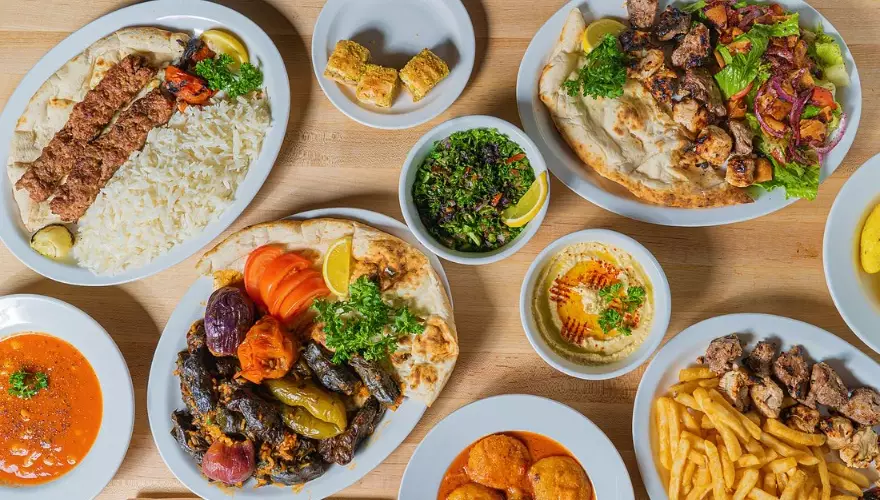
Let's talk about eating in Jordan. I mean really eating. It's not just fuel, it's the centerpiece of life here. If you're imagining just hummus and falafel (which are amazing, don't get me wrong), you're missing the whole story. The real Jordan the country food is a deep, layered experience tied to desert hospitality, family gatherings, and history you can taste. It's about dishes that have been simmering for generations, literally and figuratively.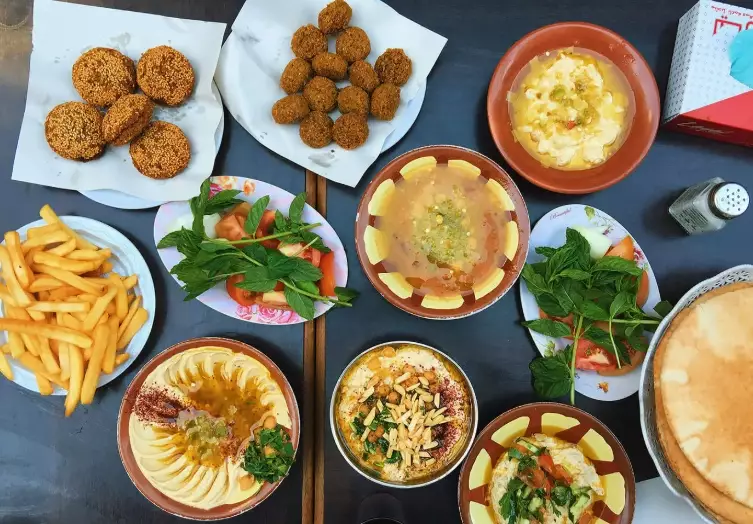
I remember my first real Jordanian meal wasn't in a restaurant. It was in a home in Amman, where the spread seemed to never end. The generosity was almost overwhelming. That's the thing – to understand Jordanian food, you need to understand that it's a language of welcome. Every bite tells you something about the land, from the olive groves of the north to the aromatic herbs of the Dead Sea region.
Thinking about Jordan the country food? Forget fancy plating. Think big platters shared by everyone, hands sometimes preferred over forks, and flavors that are earthy, tangy, and spiced with warmth rather than just heat.
The Pillars of the Jordanian Table: Main Dishes You Must Try
This is where we get to the heart of it. These are the dishes that define a celebration, a family Sunday, or a gesture of ultimate respect to a guest.
Mansaf: The National Dish, and So Much More
You can't talk about traditional Jordanian dishes without starting here. Mansaf is more than food; it's a cultural institution. Picture this: a massive platter layered with thin, markook bread, topped with fragrant rice, then piled high with tender lamb that's been cooked in a fermented dried yogurt sauce called jameed. It's garnished with toasted almonds and pine nuts.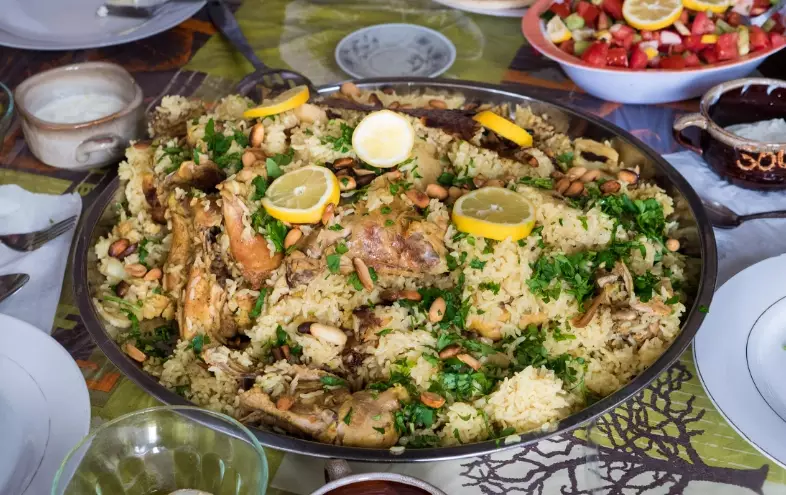
The taste? Rich, tangy from the jameed, savory, and incredibly comforting. But the how is as important as the what. Traditionally, people gather around the platter and eat with their right hand, forming balls of rice and meat. It's communal, it's messy in the best way, and it's an experience. Saying you've had Mansaf is one thing, but eating it the traditional way? That's when you feel you've truly touched a piece of Jordanian soul.
Honestly, the jameed flavor can be an acquired taste for some – it's got a distinct sourness that might surprise you at first. But it grows on you, and it's what makes Mansaf, well, Mansaf. You can find variations – some places use chicken instead of lamb, especially for large events – but the lamb version is the classic.
Maglubah: The “Upside-Down” Wonder
The name means "upside down," and the drama is in the serving. Chicken (or sometimes meat), rice, and fried vegetables like cauliflower, eggplant, and potatoes are all cooked together in one pot with a blend of spices like turmeric, cumin, and allspice. When it's done, the pot is flipped over onto a giant plate, creating a beautiful, layered cake of food. You get a bit of everything in one scoop – the spiced rice, the melt-in-your-mouth vegetables, and the succulent meat. It's a one-pot masterpiece that showcases the genius of home cooking in Jordan.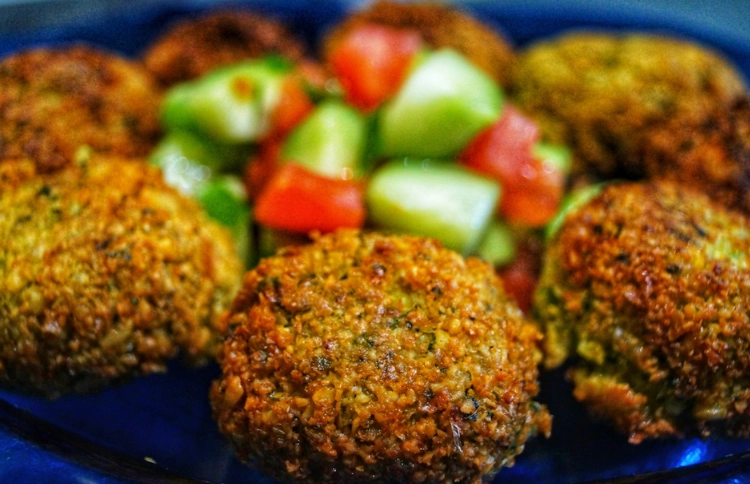
Maqluba with Eggplant
Often considered a variation or a close cousin, this one heavily features eggplant as the star vegetable. The eggplant becomes incredibly soft and absorbs all the spiced broth, making it a favorite for many. Whether you call it Maglubah or Maqluba, you're in for a treat.
| Dish | Core Ingredients | Key Flavor Profile | When You'll Likely Eat It |
|---|---|---|---|
| Mansaf | Lamb, Jameed (yogurt sauce), Rice, Bread | Tangy, Savory, Rich, Nutty | National celebrations, Weddings, Major family gatherings |
| Maglubah/Maqluba | Chicken/Meat, Rice, Cauliflower/Eggplant, Spices | Earthy, Spiced (turmeric/cumin), Comforting | Family lunches, Friday feasts, Comfort food dinners |
| Zarb | Chicken & Lamb, Vegetables | Smoky, Herby, Tender | Bedouin-style desert camps, Special outdoor events |
| Musakhan | Chicken, Sumac, Onions, Taboon Bread | Tangy (sumac), Sweet (onions), Savory | Autumn harvest time, Regional specialty from the north |
The Vibrant World of Street Food & Everyday Bites
This is the pulse of Jordan the country food for most people on a daily basis. It's fast, flavorful, and incredibly satisfying.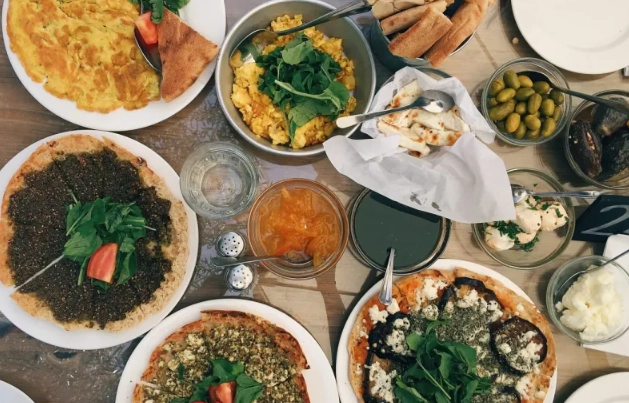
Falafel & Hummus: The Dynamic Duo
Yes, they're found across the Levant, but Jordan does them exceptionally well. Jordanian falafel tends to be on the greener side inside, packed with herbs like parsley and cilantro. Crispy on the outside, fluffy and moist within. And the hummus? Creamier and silkier than any supermarket tub you've ever had, topped with a glug of good olive oil, a sprinkle of paprika, and maybe some whole chickpeas. For the ultimate breakfast or snack, get a plate of hummus topped with ful (fava beans), a handful of falafel on the side, and plenty of fresh pita for scooping. It's a meal that will keep you going for hours.
Shawarma: The King of Street Meat
The vertical rotisserie towers of seasoned chicken or beef are a common sight. The meat is shaved off, often placed in a bread with pickles, tomatoes, and a garlic sauce (toum) that is absolutely addictive. The quality can vary wildly though. Some places use inferior cuts or too much fat. The best shawarma joints have a constant line out the door – that's usually a good sign.
Then there's Manakish. Think of it as the Levantine pizza. Dough topped with za'atar (a thyme, sumac, and sesame seed mix) and olive oil, then baked in a hot oven. It's the go-to breakfast or snack. Simple, cheap, and delicious. You can also get it with cheese (jibneh) or minced meat (lahme bil ajin). Grabbing a fresh, warm manakish from a bakery in the morning is one of life's simple pleasures in Jordan.
Dips, Salads, and the Art of Mezze
No discussion of Jordan the country food is complete without the mezze spread. This array of small dishes is a meal in itself and a fundamental part of the dining experience.
- Mutabbal/Baba Ghanoush: Smoky roasted eggplant blended with tahini, lemon, and garlic. Often confused with baba ghanoush, mutabbal is usually smoother and has a higher proportion of tahini. The key is the smokiness from charring the eggplant over an open flame.
- Warak Enab: Grape leaves stuffed with a mixture of rice, herbs, and sometimes minced meat, then cooked in a lemony broth. They are tangy, delicate, and require serious skill to roll properly.
- Fattoush: The "king of salads" in my book. A vibrant mix of cucumbers, tomatoes, radishes, and lettuce, but the stars are the crispy, toasted or fried pieces of pita bread and the generous use of fresh mint and sumac in the dressing. It's a crunchy, tangy, refreshing counterpoint to all the rich dishes.
- Labneh: Strained yogurt, thick like cream cheese, often served in a bowl with a pool of olive oil in the middle. You spread it on bread. It's cool, tangy, and a perfect palate cleanser.
You'll see these dishes, and many more like kubbeh (fried bulgur croquettes) or sambousek (savory pastries), covering the table at the start of any proper meal. It's a feast for the eyes before you even start eating.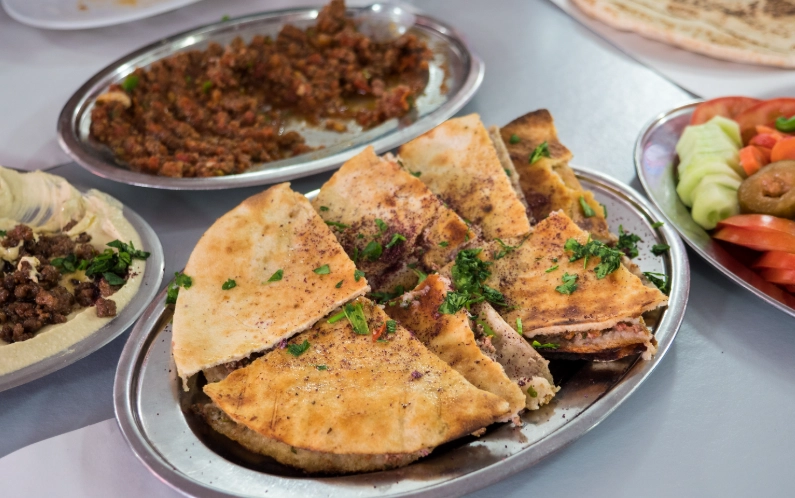
The Sweet Finale: Jordanian Desserts
Jordanian sweets are famously sweet, often syrup-soaked, and utterly indulgent.
Knafeh is the superstar. It comes in two main types: Nabulsi (with a white, stretchy cheese like Nabulsi cheese) and Khishneh (with shredded phyllo dough, giving a crunchy texture). The cheese version might sound strange for dessert, but trust me, it works. The salty-sweet combination, with the orange blossom or rose-scented syrup poured over the top, is magical. The best knafeh is served fresh and hot, often from specialized sweet shops. Go to a place like Habibah in downtown Amman (yes, it's touristy, but for a reason) and you'll see the huge trays of it being made.
Baklava is everywhere, with layers of flaky phyllo, nuts, and syrup. Jordanian baklava is often less cloyingly sweet than some other regional versions. Then there's Qatayef, a treat especially popular during Ramadan. They're like small, sweet pancakes, filled with cheese or nuts, then fried or baked and dipped in syrup. Eating a warm qatayef is a Ramadan memory for every Jordanian kid.
Drinks: From Coffee Rituals to Refreshing Sips
Food is only half the story. Drinking is deeply ritualistic here.
Arabic Coffee (Gahwa): This is not your filter coffee. It's a thin, cardamom-infused brew, often unsweetened or lightly sweetened, served in tiny cups. It's a symbol of hospitality. The ritual of pouring it, serving it to the eldest or most honored guest first, and the continuous small refills until you subtly wiggle the cup to say "enough" – it's all part of the code. You can learn a lot about the culture just by observing a coffee serving. For an authentic look at Bedouin coffee traditions, resources like the UNESCO listing for Arabic coffee as intangible cultural heritage provide fascinating context.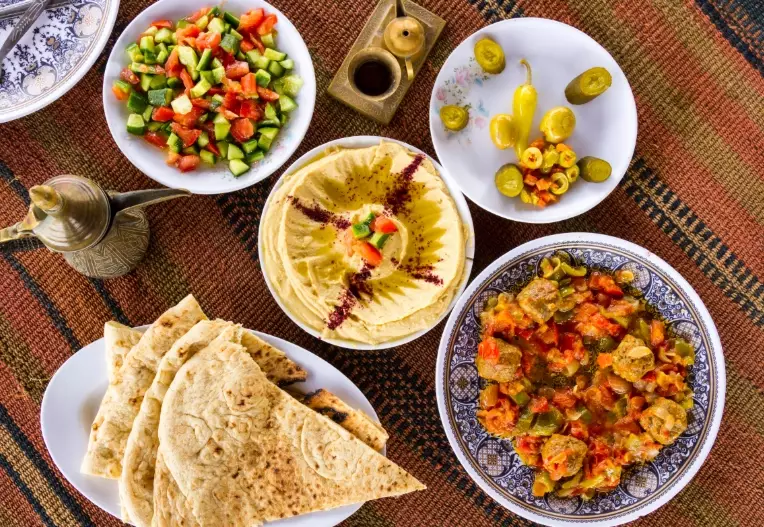
Mint Lemonade (Limonana): On a hot day, nothing beats this. Freshly squeezed lemonade blended with a huge handful of fresh mint leaves. It's frothy, tart, sweet, and incredibly refreshing. You'll find it in most cafes and restaurants.
Herbal Teas: Sage tea (meramiyeh) is common, especially if you mention a sore throat. It's earthy and soothing.
The Culture of Eating: Unwritten Rules You Should Know
To really appreciate Jordan the country food, you need a bit of cultural context. It makes the experience so much richer.
- Generosity is Law: Portions are huge. You will be urged to eat more, and more, and more. Saying you're full is often seen as the start of a negotiation, not the end. It comes from a deep-seated tradition of desert hospitality, where offering your best to a guest, even a stranger, was a matter of honor.
- Sharing is Everything: Many dishes are meant to be shared from the center of the table. Dig in! Using your right hand for Mansaf or to scoop up hummus is not just acceptable, it's encouraged for some foods.
- Bread is the Utensil: Fork? Sometimes. But a piece of pita bread (called khobz) is the primary tool for scooping up dips, sauces, and meats. Don't be shy about it.
- The Importance of Invitation: If you're invited to a Jordanian home for a meal, it's a great honor. Always bring a small gift, like pastries or flowers. And be prepared to eat a lot. Complimenting the host on the food is very important.
Your Practical Guide to Eating Your Way Through Jordan
So, where and how do you actually experience all this?
Where to Eat: From Homes to Restaurants
Local Restaurants & Cafes: In Amman, areas like Jabal Al Weibdeh or Rainbow Street have great modern cafes serving traditional food with a twist. But for the most authentic, no-frills experience, head to the older parts of town or ask a local for their favorite spot.
Home-Style Cooking: Some smaller, family-run places serve daily specials that are basically what a Jordanian mother would cook at home. Look for signs listing “Today's Dish” like Maglubah or Fasoulia (bean stew).
Bedouin Camps (in Wadi Rum or Petra): This is where you might experience Zarb, the underground barbecue. Meat and vegetables are cooked for hours in a pit dug in the sand. The result is incredibly tender, smoky food. It's a unique and memorable dining experience under the stars.
For official tourism resources that can guide you to culinary experiences, the Jordan Tourism Board's official website is a reliable starting point for planning.
Navigating Menues & Etiquette
Don't be afraid to ask questions. Most people are proud of their food and happy to explain. A simple "What do you recommend?" goes a long way. When eating Mansaf or other shared dishes, always use your right hand if following local custom. And remember, leaving a little food on your plate can signal that you are satisfied, not wasteful.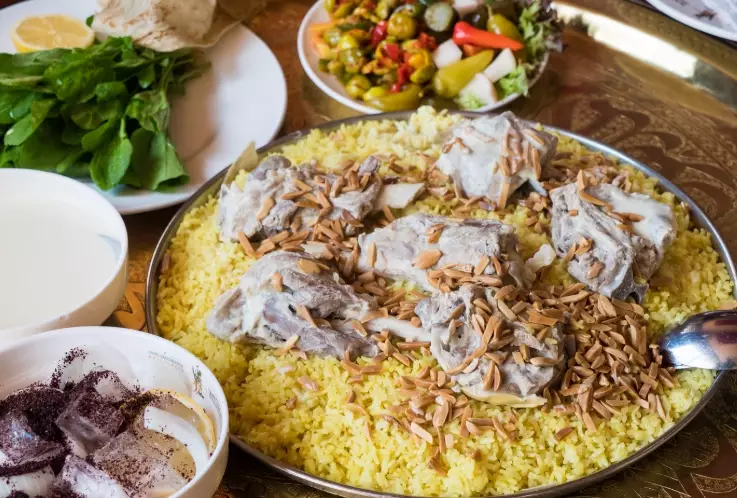
Frequently Asked Questions About Jordanian Food
Is Jordanian food very spicy?
Generally, no. It's more about depth of flavor from spices like cumin, turmeric, allspice, and cinnamon than about chili heat. You'll find chili paste or fresh peppers on the side if you want to add heat.
What if I'm vegetarian?
You'll eat like a king! The mezze spread is a vegetarian's paradise: hummus, mutabbal, falafel, fattoush, labneh, warak enab (often made without meat), and more. Just clarify when ordering main dishes, as some rice dishes might be cooked in meat broth.
Is street food safe to eat?
Generally, yes, especially at busy, reputable stalls where the turnover is high. Use common sense: look for clean preparation areas. Freshly cooked items like falafel and shawarma are usually very safe.
What is a typical breakfast in Jordan?
It can be light – labneh, olive oil, za'atar, and bread with tea. Or it can be a feast of hummus, ful, falafel, and tomatoes. Manakish is also a hugely popular breakfast on the go.
What's the deal with the olive oil?
Jordan produces excellent olive oil, and it's a point of pride. It's used liberally in cooking and as a finishing touch on dips and salads. The flavor is often fruity and robust.
How do I eat like a local on a budget?
Stick to street food and local bakeries. A falafel sandwich, a manakish, or a plate of hummus and ful are incredibly cheap, delicious, and filling. Avoid tourist-trap restaurants near major sites.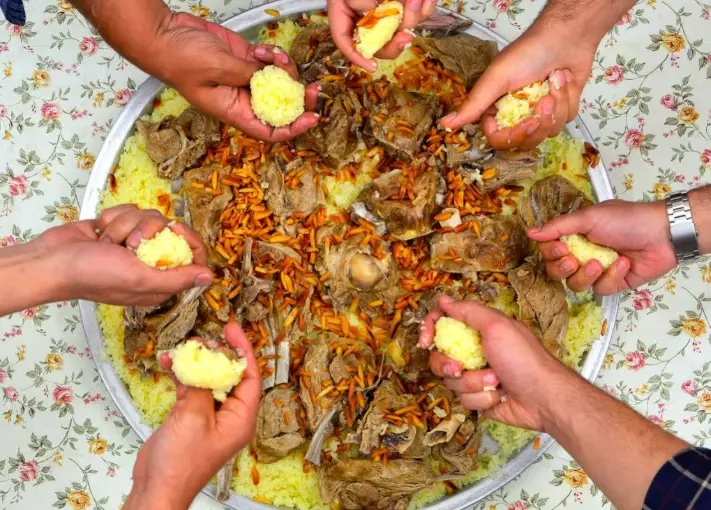
Final Thoughts on the Jordanian Table
Exploring Jordan the country food is a journey into the heart of its culture. It's generous, hearty, and deeply connected to the land and its people. It's about the smoky taste of a campfire-cooked eggplant, the shared laughter over a messy Mansaf platter, the ritual of a tiny cup of bitter coffee, and the sheer joy of biting into a hot, syrup-drenched piece of knafeh.
Don't just eat to fill up. Ask about the dishes. Accept invitations if you're lucky enough to get them. Try eating with your hands. Let go of your usual routines. The food of Jordan has a way of bringing people together, breaking down barriers, and creating memories that linger long after the taste fades. That's the real magic of it. So go ahead, dive in. Your taste buds – and your spirit – will thank you.