Your Tasting Guide
Let's get something straight right away. If you think Sri Lankan food is just a spicier version of Indian food, you're in for a massive, delicious surprise. I made that assumption myself before my first trip, and let me tell you, my taste buds were not prepared for the journey. The complexity, the freshness, the sheer variety of Sri Lanka dishes is something you have to experience to understand. It's a cuisine built on layers – layers of history (think Portuguese, Dutch, Malay, and Arab influences), layers of geography (from the coast to the hill country), and most importantly, layers of flavor that hit you in waves.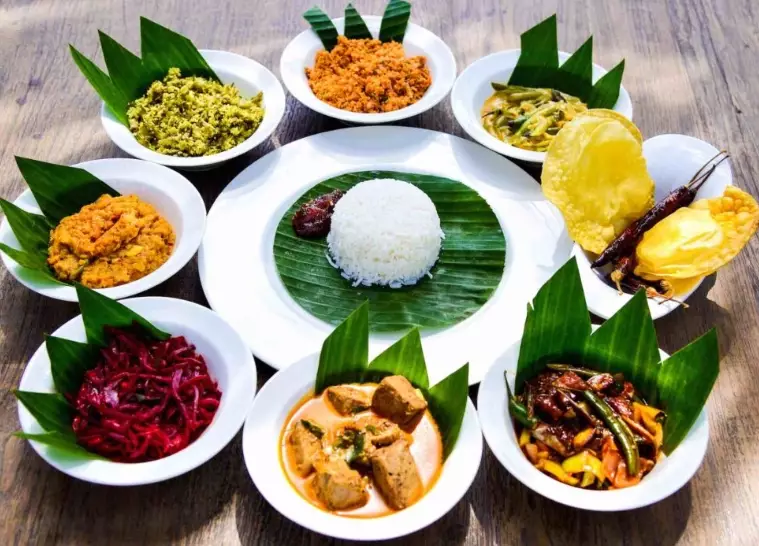
I remember my first time trying a proper rice and curry spread in a small family-run place just outside Kandy. The plate arrived, and it wasn't a single curry next to some rice. It was a universe on a plate. A mountain of red or white rice, surrounded by maybe five or six different little bowls of things – some wet, some dry, some crunchy, some creamy. That's the heart of it. Eating here is a communal, sensory experience. So, where do you even start? Let's break it down, not like a textbook, but like a friend who's just come back from a food coma and wants to tell you everything.
The Heart of the Matter: Rice, Curry, and Sambol
This is the holy trinity. The foundation. You can't talk about Sri Lankan dishes without starting here. But even this simple phrase hides a world of variety.
Rice: The Unshakable Foundation
It's rarely just plain boiled rice. You have red rice (kekulu haal), which is nuttier, more nutritious, and has a great chew to it. It's the healthier, local favorite. Then there's white rice, of course. But sometimes, the rice itself is the star. Kiribath is rice cooked in thick coconut milk until creamy, then flattened and cut into diamonds. It's a celebration food, eaten for breakfast on the first of each month and on special days like Sinhala and Tamil New Year. Eaten with a spicy lunu miris sambol, it's a perfect mix of creamy and fiery. Simple, but genius.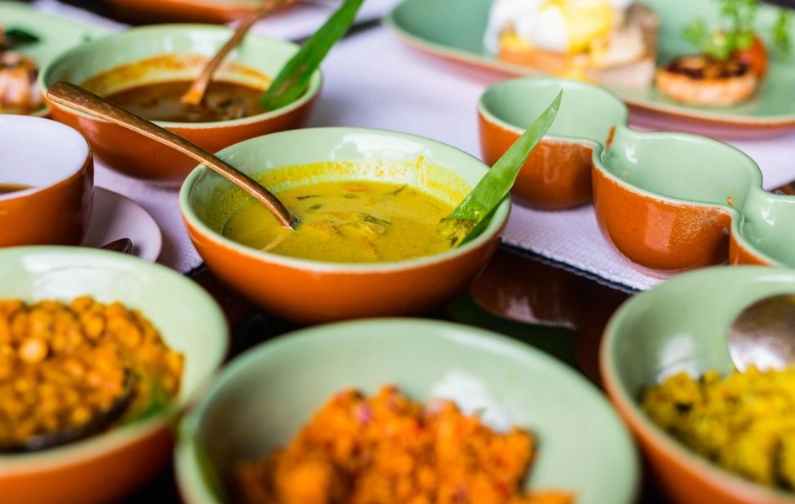
The Curry Spectrum: From Fiery to Mild
Ah, curry. The word is so overused globally. Here, it simply means something cooked in a spiced gravy. But what exactly is in that curry? The base is almost always a roasted curry powder, which is different from Indian curry powder. It's a dry roast of coriander, cumin, fennel, cinnamon, cardamom, cloves, and curry leaves, then ground. The result is warmer, more aromatic, and less dusty-tasting. Then there's the wet paste – red chilies, black pepper, garlic, ginger, pandan leaf, lemongrass, and sometimes turmeric, ground together. This paste is what brings the heat and the deep, complex base flavor.
The proteins and vegetables vary wildly. You'll find jackfruit curry (polos), which is a stunning vegan dish where young jackfruit mimics pulled meat in a dark, rich gravy. There's brinjal (eggplant) moju, a sweet and sour pickle-like curry that's addictive. And of course, the seafood. A Jaffna crab curry, from the northern peninsula, is legendary for its intense, pepper-forward heat and thick gravy meant for mopping up with bread or rice.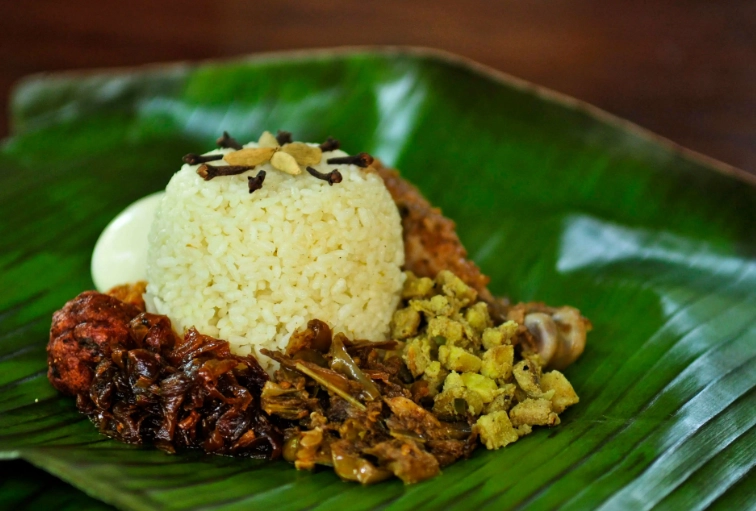
Here’s a quick table to demystify some common curries you'll encounter. Don't be intimidated by the list; half the fun is pointing at something you don't recognize and trying it.
| Curry Name | Main Ingredient | Protein/Type | Heat Level | Key Flavor Notes | Best Eaten With |
|---|---|---|---|---|---|
| Chicken Curry | Chicken on bone | Poultry | Medium-High | Robust, coconutty, aromatic | Red Rice, String Hoppers |
| Fish Curry (Ambul Thiyal) | Tuna / Marlin | Seafood | Medium | Sour, tangy, dry-coated | White Rice, Bread |
| Dhal Curry (Parippu) | Red Lentils | Vegetarian | Low | Creamy, comforting, coconut milk | Everything! (Base curry) |
| Jackfruit Curry (Polos) | Young Jackfruit | Vegan | Medium | Meaty, savory, spiced gravy | Rice, Roti |
| Bean Curry (Bonchi) | Long Beans / Green Beans | Vegetarian | Low-Medium | Fresh, slightly sweet, tempered | As a side with any meal |
| Pumpkin Curry (Vattakka) | Pumpkin / Squash | Vegetarian | Low | Sweet, soft, mild coconut gravy | Perfect balance for spicy dishes |
Sambol: The Flavor Bomb Condiments
If curry provides the melody, sambols are the percussion section. They add crunch, intense heat, and freshness. No plate is complete without at least one.
Pol Sambol (Coconut Sambol): This is the king. Freshly grated coconut mixed with red chili powder, lime juice, salt, and a bit of red onion. Maybe some Maldive fish (dried tuna) flakes if it's not vegan. It's vibrant red, incredibly fragrant, and has an amazing texture. You mix it into your rice, and it elevates every single bite. I've seen people eat bowls of this by itself.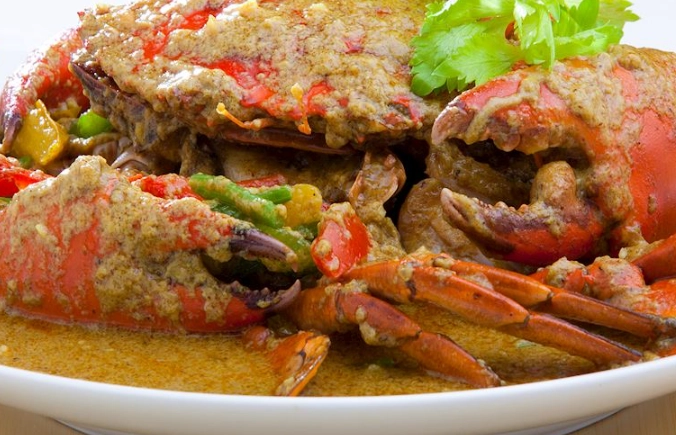
Lunu Miris (Onion & Chili Sambol): This is pure, unadulterated fire. Red onions, dried chilies, salt, lime, and sometimes Maldive fish, ground into a coarse paste. A tiny dab is enough. It's the classic partner for kiribath. It wakes up your entire palate.
Gotu Kola Sambol: A refreshing contrast. Finely chopped gotu kola (a leafy green), grated coconut, lime, and a hint of chili. It's herbal, citrusy, and acts as a brilliant palate cleanser between richer bites. These condiments are what make the meal dynamic and interactive. You control the heat, the crunch, the acidity.
You see, a typical lunch plate isn't a single dish. It's an ecosystem. You take some rice, add a bit of dhal for creaminess, a spoon of chicken or fish curry for protein, some beans for greenery, a big scoop of pol sambol for kick, and maybe a bit of lunu miris on the side if you're brave. Each forkful is a different combination. It's never boring.
Beyond the Plate: Street Food & Short Eats
Now, let's step out of the home and onto the bustling streets. This is where the energy of Sri Lankan cuisine really shines. They call them "short eats" – snacks, essentially, that are perfect any time of day.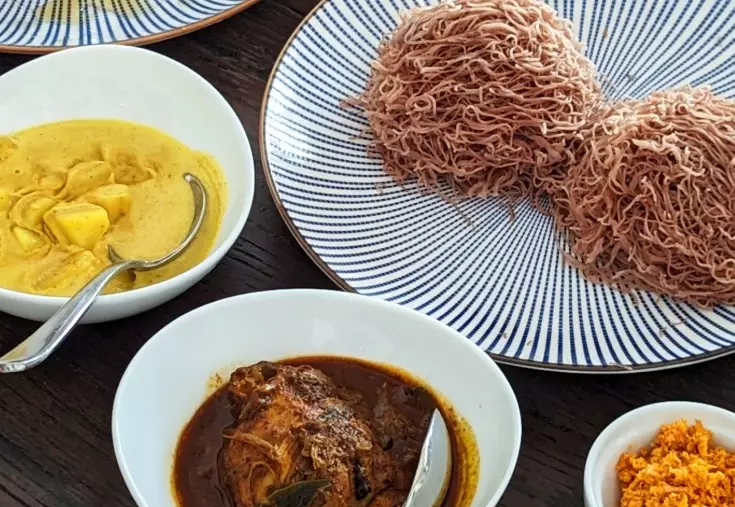
Kottu Roti: The National Soundtrack
You'll hear kottu before you see it. The rhythmic, metallic *clack-clack-clack* of two metal blades chopping on a hot griddle is the sound of a Sri Lankan evening. It's essentially chopped-up godamba roti (a flat, flaky bread) stir-fried with vegetables, egg, meat (chicken, beef, or seafood), and a wicked blend of spices and curry sauce. It's greasy, incredibly satisfying, and a complete meal in a takeaway packet. Every kottu maker has their own style. Some are drier, some are saucier. The chicken kottu is the classic, but the cheese kottu (a slightly odd but beloved fusion) has its fans. Is it fine dining? No. Is it one of the most memorable Sri Lanka dishes you'll have? Absolutely.
Hoppers (Appa): The Bowl of Joy
Hoppers are a thing of beauty. It's a fermented rice flour and coconut milk batter, swirled in a small, curved pan to create a crispy, lace-edged bowl. You get plain hoppers, but the star is the egg hopper, where an egg is cracked into the center and steams to perfection inside the crispy vessel. You break off pieces of the crispy edge, dip it into the soft egg yolk and a bit of lunu miris or seeni sambol (a sweet onion chutney). It's a textural dream – crispy, soft, runny, spicy, sweet. They're primarily a breakfast or dinner item. Trying to make these at home was a disaster for me; the batter consistency and the wrist-swirl technique are an art form.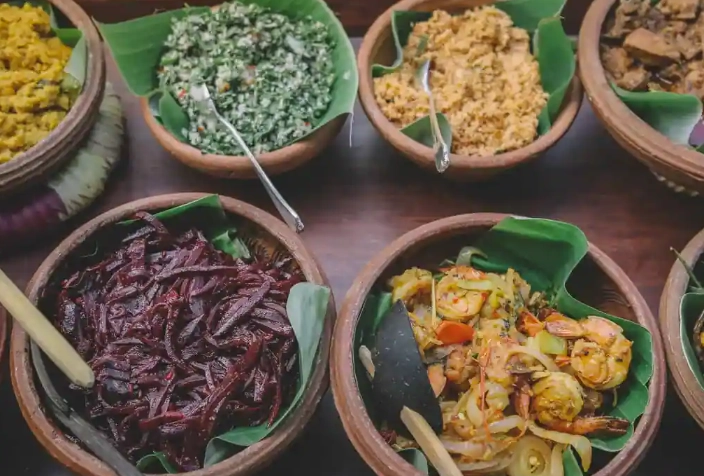
Lamprais: The Dutch-Inspired Parcel
A legacy of the Dutch Burgher community, lamprais (pronounced "lump-rice") is a special occasion food. It's a complete meal steamed inside a banana leaf parcel. Inside, you'll find fragrant rice cooked in stock, two or three different meat curries (often a frikkadel - a spiced meatball), a blachan (shrimp paste) sauce, and a few sides like ash plantain. The whole parcel is baked or steamed, letting all the flavors meld together. Unwrapping it is an event. The rice absorbs all the juices, and every bite is a complex, savory treasure hunt. You won't find it at every street corner; it's more of a weekend treat or something you order ahead from a specialist.
And let's not forget isso vadai (lentil fritters topped with tiny spicy prawns), rolls (spiced meat or vegetables wrapped in a thin pastry and deep-fried), and roti served with a simple curry sauce for dipping. The street food scene is a masterclass in flavor-packed, portable food.
Sweet Endings and Refreshing Sips
Sri Lankan desserts are often less sugary than Western ones, relying on the natural sweetness of coconut, jaggery (palm sugar), and treacle.
Sweet Treats to Satisfy
Watalappan: This is the iconic dessert. A steamed custard made with jaggery, coconut milk, eggs, and spices like cardamom and nutmeg. It's wobbly, rich, and has a deep, caramel-like flavor from the jaggery. It's a must-try, often served during Ramadan but available in many restaurants. The texture is what gets you – impossibly smooth.
Kavum (Oil Cakes): Small, deep-fried treats made from rice flour and treacle, shaped like little shells or diamonds. They're crunchy on the outside, slightly chewy inside, and not overly sweet. They're a New Year staple but found in sweet shops year-round.
Curd and Treacle (Kiri Pani): The simplest, most perfect dessert. Buffalo milk curd, which is thick, tangy, and creamy, drizzled with sweet, smoky kitul palm treacle. The contrast is heavenly. You'll find it sold in clay pots along rural roads. It’s a fantastic example of how the best Sri Lankan dishes often use just a few perfect ingredients.
For drinks, you have to try king coconut water (thambili) straight from the nut – it's the most refreshing thing on a hot day. Ginger beer here is a fiery, non-alcoholic brew, not the sweet soda you might expect. And of course, Ceylon tea, from the lush hill country. A cup of plain black tea with a piece of jaggery is a daily ritual.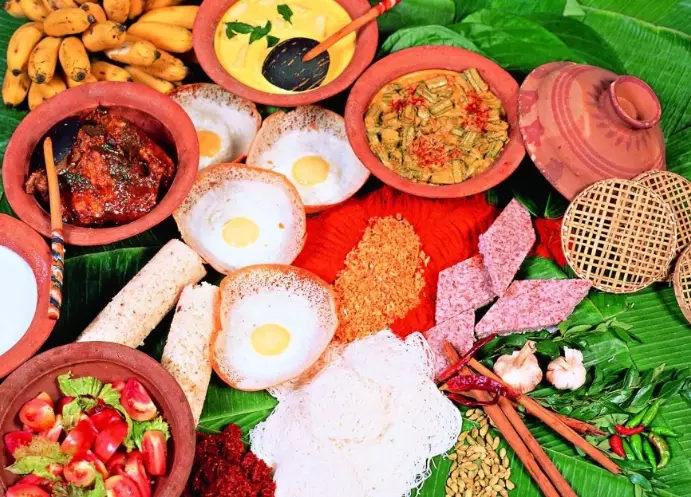
Your Sri Lanka Dishes Questions, Answered
I get a lot of questions from friends planning trips. Here are the real, practical answers.
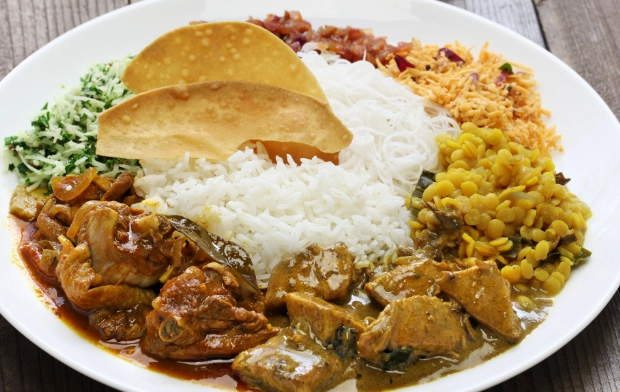
The beauty of this cuisine is its honesty. It's not about delicate presentation or fussy techniques. It's about bold, clear flavors that come from fresh ingredients and time-tested combinations. It's hearty, it's vibrant, and it tells the story of the island in every bite. From the fiery kick of a Jaffna curry to the soothing creaminess of a watalappan, exploring Sri Lankan food is as essential as visiting its ancient temples or beautiful beaches. It's the tastiest way to understand the place. So go on, dive in. Your plate is waiting.