Quick Navigation
Let's talk about food in Jordan country. If you're imagining just hummus and falafel, you're in for a massive, delicious surprise. Jordanian cuisine is this incredible tapestry woven from Bedouin traditions, Levantine classics, and influences from trade routes that have passed through for centuries. It's hearty, flavorful, and deeply connected to hospitality. I still remember my first meal in Amman, the smells from a tiny street vendor hitting me—za'atar, roasting meats, fresh bread. That's the real food in Jordan country experience.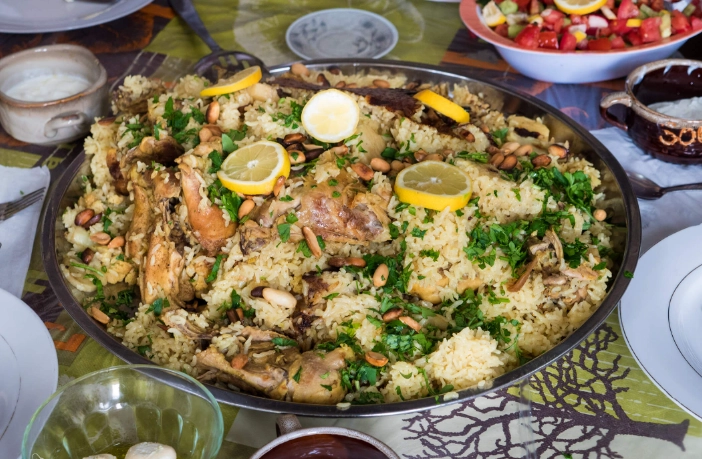
Core Idea: Food in Jordan isn't just sustenance; it's a language of generosity. Meals are social events, often shared from large communal platters, reflecting a culture where feeding guests is a sacred duty.
You'll find that the food tells the story of the land itself—from the resourceful, meat-and-yogurt based dishes of the desert-dwelling Bedouins to the olive oil, grains, and vegetables prominent in the fertile north. It's rustic and honest. Don't expect overly complicated, fussy presentations. The magic is in the quality of ingredients and the slow-cooked, well-spiced flavors.
The Heart of the Matter: Iconic Dishes You Absolutely Must Try
Okay, let's get to the good stuff. What should you actually eat? Here’s the non-negotiable list. Missing these would be like going to Italy and skipping pasta.
Mansaf: The National Dish
This is it. The king of all food in Jordan. Mansaf is more than a meal; it's a cultural institution served at weddings, graduations, and major celebrations. Picture tender lamb (sometimes goat) cooked in a fermented dried yogurt sauce called jameed, served over a giant layer of fragrant rice and shrak bread.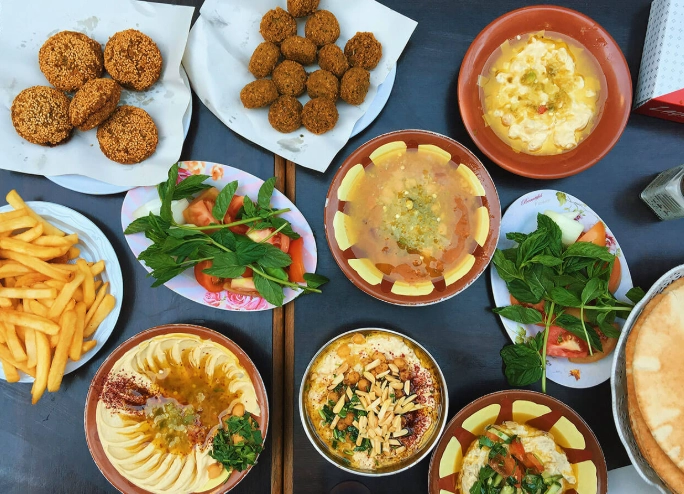
The eating ritual is part of the experience. You gather around the large platter, use your right hand to roll the rice and meat into a small ball, and pop it in your mouth. The jameed sauce is tangy, rich, and uniquely salty—it's an acquired taste for some, but utterly central to the dish. I found it deeply savory and satisfying, though a friend thought it was a bit too funky on the first try. It grows on you.
The Street Food Hall of Fame
This is where the food in Jordan country truly comes alive for the everyday traveler. It's affordable, delicious, and everywhere.
- Falafel: Forget the dry, pre-made balls you might know. Jordanian falafel is a revelation—freshly fried, crispy on the outside, fluffy and bright green with herbs on the inside. Served in khobz (Arabic bread) with veggies and tahini.
- Shawarma: Juicy layers of marinated chicken or beef, sliced off a vertical rotisserie and wrapped in bread with pickles, tomatoes, and garlic sauce. The chicken shawarma with toum (garlic sauce) is a personal addiction.
- Manakish: Often called "Arab pizza." A flatbread topped with za'atar (thyme, sumac, sesame, olive oil), cheese, or minced meat. The perfect breakfast or snack. Grab one from a bakery in the morning.
- Knafeh: Yes, it's dessert, but it's street food too. A gooey, sweet cheese pastry soaked in syrup, topped with shredded phyllo dough, and often tinted orange. Get it from a specialist shop like Habibah in downtown Amman—it's legendary for a reason.
Pro-Tip: For the best street food in Jordan country, follow the locals and the queues. A crowded vendor is a good vendor. Don't be shy to point if your Arabic isn't up to snuff.
Beyond the Classics: Everyday Staples & Hidden Gems
While Mansaf gets the crown, the everyday food in Jordan is wonderfully varied.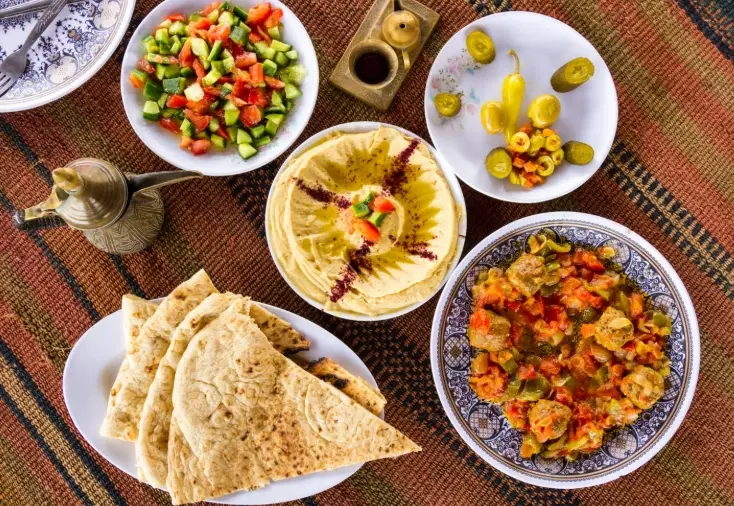
Magluba: Literally means "upside-down." It's a casserole of rice, vegetables (like cauliflower, eggplant, potatoes), and chicken or lamb, all cooked in one pot and then flipped onto a platter to serve. A comforting, home-style dish.
Galayet Bandora: A simple but stunningly flavorful dish of tomatoes stewed with garlic, olive oil, chili, and sometimes peppers, served as a dip or side with bread. It's the essence of simplicity done right.
Zarb: This is a Bedouin barbecue experience. Meat and vegetables are slow-cooked in an underground sand pit. You'll likely need to go to Wadi Rum or a dedicated restaurant to try it, but it's worth seeking out for the uniquely smoky flavor.
What about breakfast? A typical Jordanian breakfast is a feast of small plates: labneh (strained yogurt), hummus, fool (fava bean stew), olives, tomatoes, cucumbers, olive oil, za'atar, and fresh bread. It's healthy, fresh, and sets you up for the day.
A Practical Guide to Eating Your Way Through Jordan
Knowing what to eat is half the battle. The other half is knowing how to navigate the dining scene. Let's break it down.
Where to Eat: From Street Stalls to Fine Dining
Your options range dramatically, and each offers a different slice of the food in Jordan country pie.
- Local Eateries & Buffets: Look for places with steam tables of stews and grilled meats. You point, they serve. Incredibly cheap and authentic. Try Hashem Restaurant in Amman—it's an institution for falafel and hummus, frequented by locals and royalty alike.
- Traditional Restaurants: Often have a more extensive menu of classic dishes in a sit-down setting. Great for trying Mansaf or Magluba in comfort.
- Modern Jordanian Cuisine: A newer trend, especially in Amman, where chefs are reinterpreting traditional dishes with contemporary presentations. Places like Sufra or Fakhreldin offer a more upscale, refined take on the classics.
Dining Etiquette: Do's and Don'ts
Avoiding a faux pas makes the experience smoother.
Do: Use your right hand for eating if dining communally. Accept offers of coffee or tea—it's a sign of welcome. Say "Sahtain" (double health) as a compliment to the host. Expect to be offered food repeatedly; a polite "Al hamdullah" (thanks to God, meaning I'm full) usually works.
Don't: Start eating before the host invites you to. Pass food with your left hand if you can avoid it (it's considered unclean). Refuse hospitality outright; a small taste is better than a flat "no." Expect to split the bill. Often, the person who invites will pay, but in modern restaurants, splitting is becoming more common.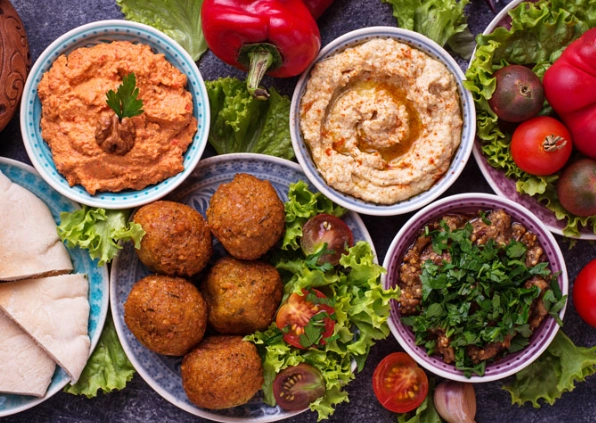
Heads up: While incredibly welcoming, Jordan is a conservative society. Dressing modestly, especially when leaving tourist areas, is respectful. In local eateries, you might see mostly men. As a woman traveler, I sometimes got curious looks but always felt safe; sticking to family-friendly or more modern spots can be more comfortable for solo female diners.
Navigating Menus & Allergies
English menus are common in tourist areas, but not everywhere. Learning a few Arabic food words helps: Laham (meat), Dajaj (chicken), Samak (fish), Khodar (vegetables).
Vegetarians, you'll eat very well! Many mezze are plant-based (hummus, mutabbal, salads, falafel). Just clarify "ana nabati" (I am vegetarian) and watch out for chicken stock in rice.
Vegans need to be more careful, as yogurt, butter (samneh), and jameed are everywhere. Ask specifically about dairy.
For gluten-free diets, the heavy reliance on bread is a challenge. Rice is safe, and grilled meats and salads are fine, but cross-contamination in kitchens is a real risk.
Regional Specialties: Food in Jordan Across the Map
The food in Jordan country isn't monolithic. It changes as the landscape does.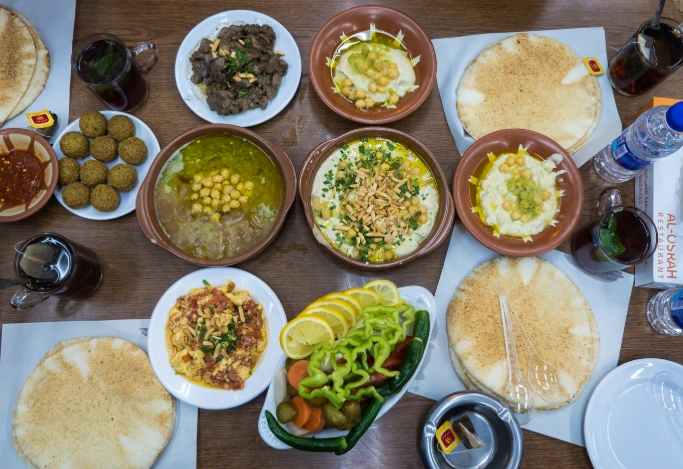
| Region/City | Specialties & Highlights | Why It's Unique |
|---|---|---|
| Amman | The melting pot. Everything from high-end modern cuisine to the oldest falafel joints. Best for street food tours and variety. | Cosmopolitan vibe. You can find every Jordanian dish here, plus international fare. |
| Petra & Wadi Musa | Zarb (Bedouin barbecue), Maqluba, and tourist-friendly buffets. Prices can be higher near the site. | Focus on hearty dishes to fuel a day of hiking. Experience Zarb in a Bedouin camp setting. |
| Wadi Rum | Authentic Bedouin cuisine. Zarb cooked in the sand, simple stews, bread baked in the embers, sweet Bedouin tea. | The ultimate rustic, desert dining experience under the stars. The setting is half the meal. |
| Dead Sea Area | Resort-style international buffets. Less focus on hyper-local cuisine due to the tourist clientele. | Comfort and variety after a float in the sea. Good for a break from heavier traditional food. |
| Northern Jordan (Irbid, Ajloun) | Heavy use of olives, olive oil, and grains from the fertile highlands. Fresh dairy products. | Greener, agricultural region influences a lighter, produce-forward side of Jordanian food. |
| Aqaba | Seafood! Sayadieh (fish with rice and caramelized onions), grilled shrimp and fish. Influences from Red Sea neighbors. | The only coastal city, so it's your best bet for fresh fish, a nice change from lamb and chicken. |
See? The food in Jordan has regional dialects. In the north, you might find more olive-based dishes, while in the desert south, it's all about preservation techniques like jameed and meat-centric feasts.
Answering Your Burning Questions (FAQ)
I get asked these things all the time. Let's clear them up.

Final Tips for the Culinary Adventurer
To truly embrace the food in Jordan country, you need the right mindset.
First, be adventurous. Try the jameed even if it sounds weird. Taste the sheep's head soup (Pacha) if you're offered it (it's a delicacy!). Say yes to the sweet, sage-infused Bedouin tea offered in the desert.
Second, pace yourself. Portions are generous, and sharing is the norm. Don't fill up on bread at the start of the meal (a common mistake).
Third, connect with people. Ask your guide or hotel host for their favorite local spot, not the tourist one. The best food in Jordan is often found where the connection is made. I once got invited to share a simple meal of bread, labneh, and olives with a shopkeeper in Madaba—it was one of the most memorable bites of the trip.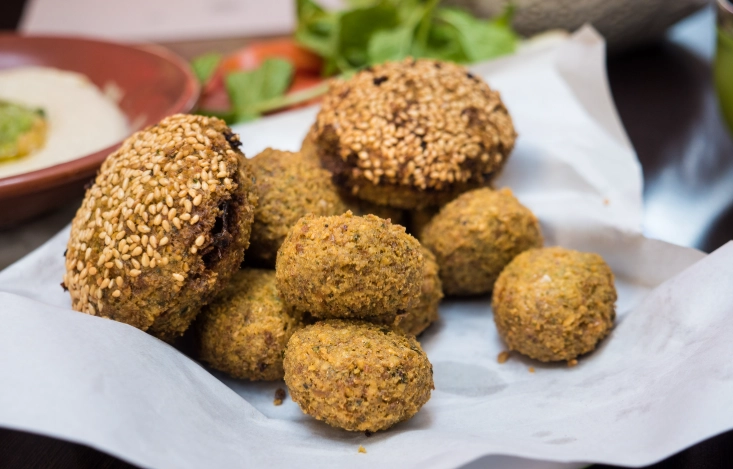
So, pack some loose-fitting pants and get ready. Your journey into the heart of Jordanian cuisine is waiting. From the sizzling street corners of Amman to the silent desert feasts of Wadi Rum, the food in Jordan country is an integral, unforgettable part of the travel experience. It's the taste of hospitality itself.
Reader Comments