Explore This Guide
- So, What Exactly *Is* Malaysian Food Anyway?
- The Flavor Toolkit: Ingredients That Define the Taste
- The Must-Try Hall of Fame: Breaking Down the Dishes
- Navigating the Street Food & Hawker Scene: A Survival Guide
- The Regional Deep Dive: It's Not All the Same
- Answering Your Burning Questions (The FAQ Section)
- Bringing Malaysia Cuisine Home: Can You Cook It?
- Final Thoughts: It's a Journey, Not a Checklist
Let's be honest, when someone says "Malaysian food," what pops into your head? Probably satay skewers and that coconut rice dish, right? Nasi lemak. I get it. But here's the thing – reducing Malaysia cuisine to just a couple of iconic plates is like saying Italian food is only pizza and pasta. It misses the point entirely, and you miss out on so much.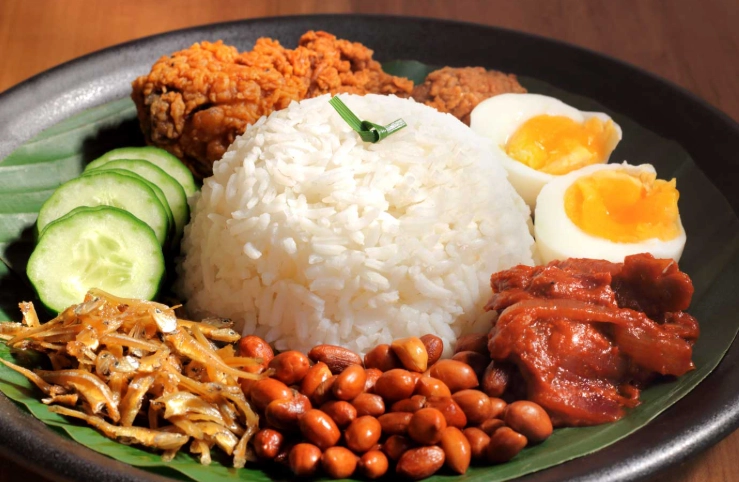
My first real encounter with the depth of Malaysian food wasn't in a fancy restaurant. It was in a cramped, noisy hawker center in Penang, sweat dripping down my back, staring at a menu board written in a mix of Malay, Chinese, and Tamil. I was overwhelmed. I pointed at something random. What arrived was a bowl of asam laksa – a sour, fishy, pungent noodle soup that hit me like a flavor bomb. It was nothing like the sweet, peanutty satay I expected. That was the moment I realized Malaysian cuisine isn't a single thing. It's a conversation. A loud, messy, incredibly delicious argument between Malay, Chinese, Indian, and indigenous Bornean traditions that's been going on for centuries.
And that's what we're going to unpack here. Not just a list of dishes to try, but the story behind them. The "why" it tastes like that. Where to actually find the good stuff without falling into tourist traps. Because navigating Malaysia cuisine can be tricky. Some dishes are pure comfort, others are challenging adventures for your palate. I've had some that made me want to cry with joy, and honestly, one or two that I just couldn't finish (more on that later).
So, What Exactly *Is* Malaysian Food Anyway?
This is the first big question. You can't just pin it down. Imagine taking the aromatic, herb-heavy cooking of the Malay archipelago, tossing in the wok-based techniques and noodles from southern Chinese immigrants, adding the complex spice blends and breads from the Indian subcontinent, and then letting it all simmer under a tropical sun. That's the starting point.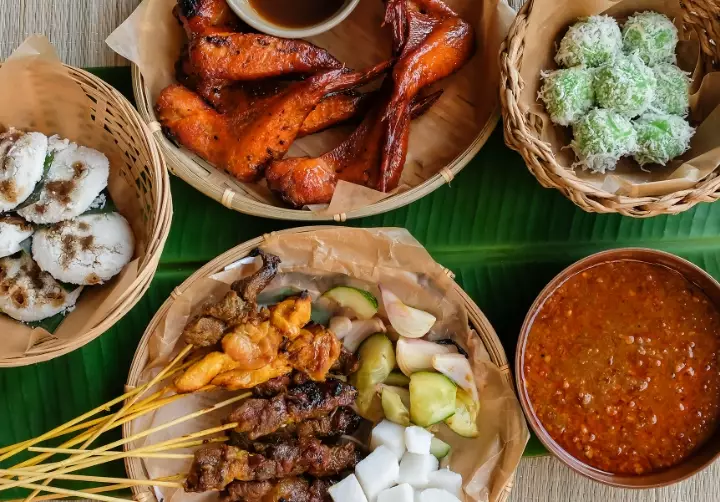
The official tourism board, Tourism Malaysia, often frames it as "a fusion of flavors," which is true but feels a bit sterile. It's less a deliberate fusion and more a happy, centuries-long collision. Communities lived side-by-side, shared kitchens, borrowed ingredients, and adapted recipes. A Malay cook might use Chinese soy sauce. A Chinese chef might use Malay belacan (shrimp paste). An Indian restaurant might serve its curry with Chinese-style noodles. The lines blur until they basically disappear.
This creates distinct regional personalities too. The food in the northern island of Penang, with its strong Hokkien Chinese and Thai influences, is different from the heartier, coconut-milk-rich dishes of the east coast Malay heartland. And the food in Malaysian Borneo (Sabah and Sarawak) is a whole other world, with wild jungle ferns, exotic river fish, and indigenous ingredients you won't find on the peninsula.
The heart of the matter? There is no single "Malaysia cuisine." There are multiple Malaysias on a plate.
The Flavor Toolkit: Ingredients That Define the Taste
Before we jump to specific dishes, let's talk about the building blocks. You keep seeing and tasting the same things over and over. Once you know them, you can start to decode any menu.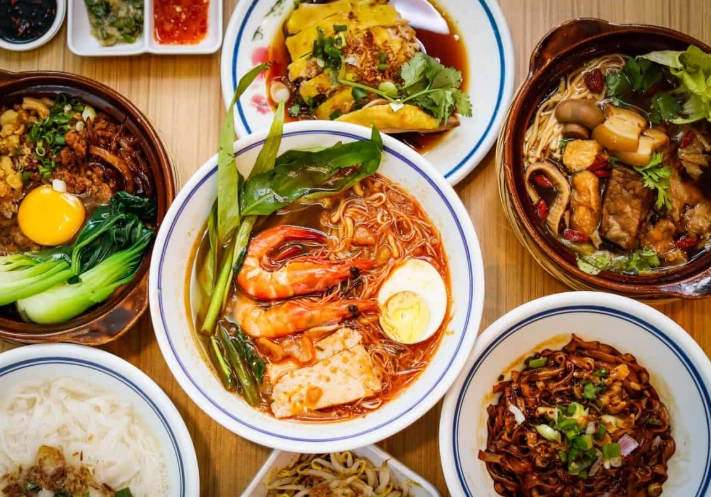
The Holy Trinity of Pastes
Most Malaysian cooking starts with a *rempah* – a spice paste pounded fresh in a mortar. The base often includes three superstars:
- Shallots & Garlic: The sweet, aromatic foundation. Used in staggering quantities.
- Chilies: Fresh red and green ones for heat and color, dried ones for deeper, smoky heat. Not everything is super spicy, but the potential is always there.
- Ginger, Galangal, & Turmeric: The rhizome gang. Ginger for warmth, galangal (a tougher, more citrusy cousin) for sharpness, and fresh turmeric for earthy color and flavor. Don't confuse galangal with ginger – the taste is completely different.
The Funky Flavor Bombs
This is where things get interesting, and where some newcomers might hesitate.
Belacan is the big one. Then there's budu (fermented fish sauce) and cincalok (fermented small shrimp), more common on the east coast. These are the umami powerhouses. They're like the fish sauce of Southeast Asia, but with their own distinct personality.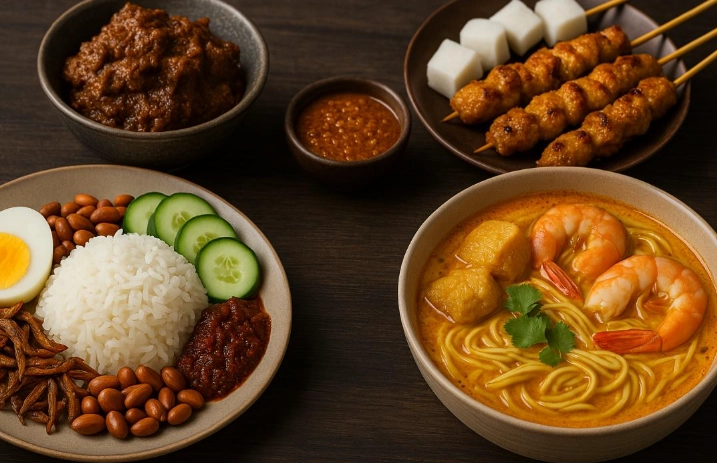
The Creamy Elements
Coconut milk is everywhere. It's used to enrich curries, to cook rice (nasi lemak!), to make creamy sauces. It tempers the heat and marries all the strong flavors together. Then there's gula melaka (palm sugar) – a dark, smoky, caramel-like sugar used in desserts and sometimes in savory dishes for balance. It's a world away from regular white sugar.
The Must-Try Hall of Fame: Breaking Down the Dishes
Okay, let's get to the good stuff. The dishes you'll see recommended everywhere. But instead of just listing them, let's group them by their soul, by what they're trying to do. This table should be your first stop for decoding a menu.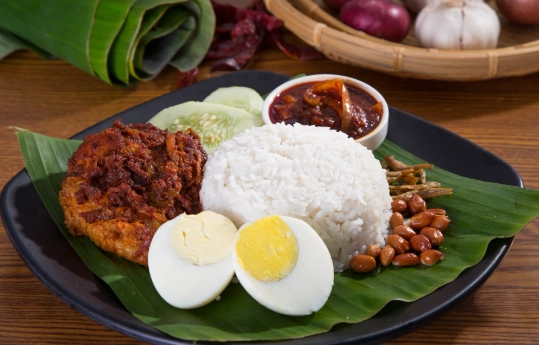
| Dish Name | The Vibe / Category | What It Really Is (Plain English) | Why It's a Must-Try |
|---|---|---|---|
| Nasi Lemak | The National Comfort Food | Fragrant rice cooked in coconut milk, served with sambal (chili paste), crispy anchovies, peanuts, cucumber, and a hard-boiled egg. Often comes with extra sides like fried chicken or rendang. | It's breakfast, lunch, and dinner. The perfect balance of creamy, spicy, crunchy, and savory. The ultimate test of a cook's sambal. |
| Char Kway Teow | The Hawker Star | Flat rice noodles stir-fried in a very hot wok with dark soy sauce, prawns, Chinese sausage, bean sprouts, egg, and sometimes cockles. | That elusive "wok hei" – the breath of the wok, a smoky, charred flavor. It's a simple dish done to absolute perfection. (Can be greasy, fair warning). |
| Rendang | The Celebration Dish | Often called a curry, but it's really a dry beef (or sometimes chicken) stew. Meat is slow-cooked for hours in coconut milk and spices until the liquid evaporates and the meat caramelizes in the spice paste. | The depth of flavor is insane. Tender, spicy, slightly sweet, incredibly aromatic. It's a labor of love, not a quick weeknight meal. |
| Asam Laksa | The Sour Punch | A Penang specialty. Thick rice noodles in a tangy, fish-based broth flavored with tamarind (asam), lemongrass, galangal, and topped with pineapple, cucumber, and mint. | It's a wake-up call for your taste buds. Sour, spicy, fishy, fresh, all at once. Not for the faint-hearted, but utterly addictive if it clicks for you. |
| Roti Canai | The Perfect Anytime Bite | An Indian-influenced flatbread, crispy on the outside, fluffy and layered inside, served with a bowl of dhal (lentil curry) or chicken/beef curry for dipping. | It's cheap, delicious, and available 24/7 at "mamak" stalls. Watching the vendor flip and stretch the dough is a show in itself. |
| Satay | The Global Ambassador | Marinated meat (chicken, beef, mutton) skewered and grilled over charcoal, served with a rich, slightly sweet peanut sauce, cucumber, and compressed rice cakes (ketupat). | Yes, it's the famous one. But done right over charcoal, with a complex peanut sauce (not just sweet gloop), it's a masterpiece of smoky, savory, nutty goodness. |
Now, a personal opinion? I think rendang is overhyped for tourists. Don't get me wrong, a good one is divine. But I've had too many mediocre, dry versions served at hotel buffets. The real sleeper hit for me is Hainanese Chicken Rice. It's simple – poached chicken, fragrant rice cooked in chicken fat and broth, with chili-ginger and dark soy dipping sauces. But when every element is perfect – the silky-smooth chicken skin, the bursting-with-flavor rice – it's one of the most satisfying meals on earth. It shows the Chinese side of Malaysia cuisine in its purest, most refined form.
Navigating the Street Food & Hawker Scene: A Survival Guide
This is where Malaysia cuisine truly lives. Not in restaurants, but in open-air food courts, under makeshift tents, at plastic tables on the side of the road. It can be intimidating. Here’s how to not just survive, but thrive.
Finding the Good Stalls
Ignore fancy decor. Look for stalls with a queue of locals. A long line is the best quality assurance you can get. Check if the food looks fresh and the stall is relatively clean (we're talking functional cleanliness, not hospital sterile). If the wok is blazing hot and the vendor looks like they've been doing this for 30 years, you're in the right place.
How to Order Without Panicking
Many hawkers have pictures or plastic food models. Pointing is a universally understood language. Learn a few key phrases: "*Satu*" (one), "*Dua*" (two), "*Tidak pedas*" (not spicy), "*Sedikit pedas*" (a little spicy). Most vendors in touristy areas speak basic English. Just be patient and smile.
Top Hawker Centers to Target
- Penang: Gurney Drive, New Lane, Chulia Street Night Hawkers. Penang is often considered the street food capital. The competition is fierce, so standards are high.
- Kuala Lumpur: Jalan Alor (touristy but still fun), Imbi Market (more local), APW Bangsar for a cleaner, modern hipster take on the concept.
- Malacca: Jonker Street Night Market. Great for sampling local specialties like chicken rice balls and nyonya laksa in a historic setting.
Bring cash. Small bills. And tissues/wet wipes. Always.
The Regional Deep Dive: It's Not All the Same
If you travel around, the food changes. Significantly.
Penang & the North: The King of Street Food
Heavy Hokkien Chinese and Thai influence. Expect sharper, tangier flavors from tamarind and lime. Dishes like asam laksa, char kway teow, and hokkien mee (a prawn noodle soup) reign supreme. The food here is often lighter, less coconut-heavy than other regions.
The East Coast (Kelantan, Terengganu): Malay Heartland
This is where you find the most traditional Malay cuisine. Food is sweeter, uses more coconut, and those funky fermented sauces (budu) are common. Nasi kerabu – blue rice (colored with butterfly pea flower) served with fried chicken, fish crackers, and salads – is a stunning must-try here. The food is less influenced by Chinese tastes.
Malaysian Borneo (Sabah & Sarawak): The Wild Card
This is frontier food. You'll find dishes you simply won't see in peninsular Malaysia. Midin (a crunchy jungle fern stir-fried with belacan), umai (a Melanau dish of raw fish "cooked" in lime juice and chilies, like a ceviche), and exotic meats. The indigenous groups have a completely different pantry. Organizations like Sarawak Tourism are starting to promote this unique culinary heritage more. It's an adventure for the truly curious eater.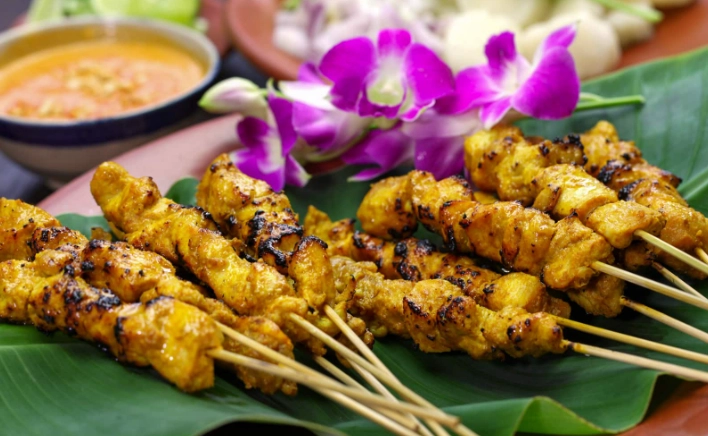
Answering Your Burning Questions (The FAQ Section)
Bringing Malaysia Cuisine Home: Can You Cook It?
You can try! The main barrier is ingredients. You'll need a good Asian grocery store for fresh galangal, lemongrass, kaffir lime leaves, and maybe belacan. Pastes in jars are okay in a pinch, but the flavor won't be as bright.
Start simple. A chicken curry kapitan (a nyonya curry) or mee goreng (fried noodles) are achievable first projects. Don't be afraid to substitute – if you can't find galangal, use a bit more ginger (but know it's different). The website Nyonya Cooking has fantastic, well-tested recipes that explain the techniques clearly.
The key is the *rempah*. Take your time to fry that spice paste until it's really fragrant and the oil separates. That's where the flavor foundation is built. Rushing this step is the number one reason homemade Malaysian food tastes flat.
Final Thoughts: It's a Journey, Not a Checklist
Exploring Malaysia cuisine isn't about ticking off a list of 10 dishes from a blog. It's about embracing the chaos, the loud flavors, the contrasting textures. It's about having a perfect char kway teow at 2 am from a surly uncle who's been making nothing else for 40 years. It's about trying something that smells strange and discovering you love it.
You'll have misses. I still can't get behind certain overly fishy versions of laksa. That's okay. The beauty of this food culture is its sheer variety and audacity. It doesn't care if it's too spicy, too funky, too sweet. It knows what it is.
So go in with an open mind, an empty stomach, and a willingness to point at something and say, "I'll have what they're having." That's how you find the real magic of Malaysian food. It's out there waiting, sizzling in a wok, simmering in a pot, just beyond the tourist menu.
And if you do one thing? Find a good, busy hawker stall. Sit down. Order a teh tarik (pulled milk tea) and a plate of something that looks good. Watch the world go by. That's the true taste of Malaysia.
Reader Comments