Quick Navigation
Let's be honest, the first time you hear "cod sperm," you probably do a double-take. It sounds like something from a bizarre culinary dare or a questionable internet trend. I know I wrinkled my nose when I first stumbled upon it in a fancy skincare ingredient list. But after digging into it – and I mean really digging, talking to people who use it, reading research, even looking at the history – it turns out there's a whole world behind those two words. It's not just one thing. In the beauty world, cod sperm is processed into a luxurious extract praised for its skin-plumping magic. In kitchens, especially in parts of Asia and Scandinavia, it's a traditional food known as "shirako" or fish milt, often served steamed or in hot pots. Two completely different applications, one surprisingly versatile biological material.
The confusion is real. Is it ethical? Is it effective? Does it actually work for skin, or is it just a gimmicky way for brands to charge $500 for a jar of cream? And if you're eating it, what does it even taste like? I had all these questions. Most articles online either just scratch the surface with a few weird facts or dive too deep into the science without giving you the practical, usable info. My goal here is to bridge that gap. To take you through everything about cod sperm, from the biology lab to the bathroom shelf and the dinner table, without the hype and without the unnecessary gross-out factor. We'll look at the real science, the traditional uses, and the modern beauty claims, so you can decide for yourself if it's something you'd ever want to try.
From the Sea to the Serum: Cod Sperm in Skincare
This is where cod sperm has made its biggest modern splash. Walk into an ultra-luxury skincare boutique, and you might find it listed as "Cod Milt Extract," "Marine DNA," or something similarly elegant on eye-wateringly expensive potions. The claim? That it's a hydration superhero, packed with nutrients that can help improve skin elasticity, reduce the appearance of fine lines, and deliver a serious dose of moisture. But how much of this is marketing, and how much is real?
The proposed science centers on its composition. Cod milt is naturally rich in protamines (small, arginine-rich proteins), nucleotides (like DNA and RNA building blocks), and amino acids. The theory goes that these components can signal skin cells, support repair, and act as humectants – drawing water into the skin. A review published by the National Center for Biotechnology Information (NCBI) discusses the general role of marine-derived nucleotides in cellular processes, which provides a plausible scientific basis for their use in topical applications, though direct studies on cod sperm extract for cosmetic use are more limited.
I tried a sample of a famous cream containing this ingredient. My personal take? The texture was undeniably rich and silky. It absorbed well and left my skin feeling intensely hydrated for hours, more so than my usual hyaluronic acid serum. Did I look ten years younger? No. But the moisturizing effect was impressive. Was it worth the astronomical price tag? For me, absolutely not. There are so many effective moisturizers out there. But I can see why the unique story and the tangible hydration boost create a market for it.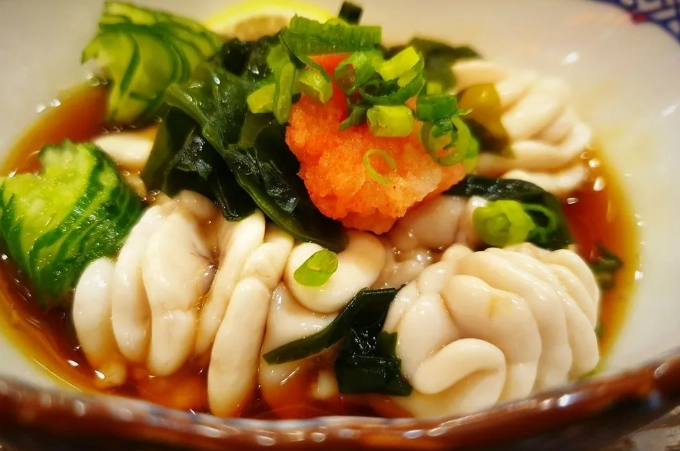
What's Actually in the Bottle? Breaking Down the Ingredients
When you see "Cod Milt Extract" on a label, it's not a single molecule. It's a cocktail of beneficial components derived through hydrolysis (breaking down the raw material with water or enzymes). Here’s what formulators are after:
- Protamines: These are the star players. Small, positively-charged proteins that might help other ingredients penetrate better and are believed to have hydrating and protective properties.
- Nucleotides (DNA, RNA): The building blocks of genetics. In skincare, they are thought to act as cellular communicators, potentially supporting skin's natural repair mechanisms and energy production.
- Amino Acids & Peptides: The fundamental components of proteins like collagen and elastin. These provide direct nourishment and can signal the skin to perform specific functions, like producing more collagen.
- Minerals and Trace Elements: Sourced from the marine environment, these include zinc and magnesium, which play roles in skin health.
It's this combination, rather than one miracle component, that brands leverage. The idea is to deliver a broad spectrum of skin-compatible nutrients. Now, is cod sperm extract uniquely superior to other marine extracts or peptide complexes? That's where it gets murky. Many dermatologists argue that well-studied ingredients like retinoids, vitamin C, and ceramides have far more robust evidence behind them. The use of cod sperm feels more like a complementary, luxury additive rather than a frontline active treatment.
Cod Sperm vs. Other Luxury Skincare Ingredients
Let's put it in context. The beauty industry loves exotic ingredients. How does cod sperm extract stack up against other high-end bio-actives? Here’s a quick, honest comparison.
| Ingredient | Primary Claim | Strength of Evidence | My Personal Verdict on Value |
|---|---|---|---|
| Cod Sperm/Milt Extract | Deep hydration, improved elasticity, nutrient delivery. | Moderate (based on component science, fewer direct cosmetic studies). | A luxurious humectant. Effective for moisture, but the price is hard to justify unless you're splurging. |
| Snail Mucin | Hydration, barrier repair, soothing. | Strong (numerous studies and widespread user reports). | Excellent, affordable multi-tasker. A proven winner for sensitive and dry skin. |
| Caviar Extract | Rich in minerals, fatty acids; claims of revitalization. | Moderate to Low (often more about the luxury aura). | Mostly a sensorial experience. The benefits are nice, but it's a status symbol in a jar. |
| Plant Stem Cells (e.g., Swiss Apple) | Protection against environmental stress, longevity claims. | Emerging/Variable (interesting in-vitro data, but real-world skin results are debated). | Conceptually cool, but the actual benefit on applied skin is still unclear. Often overhyped. |
See what I mean? Cod sperm extract holds its own as a potent moisturizing ingredient with a unique biological profile. Its biggest drawback, in my view, is the insane cost attached to it by luxury brands. You're paying for the rarity and the story as much as the efficacy.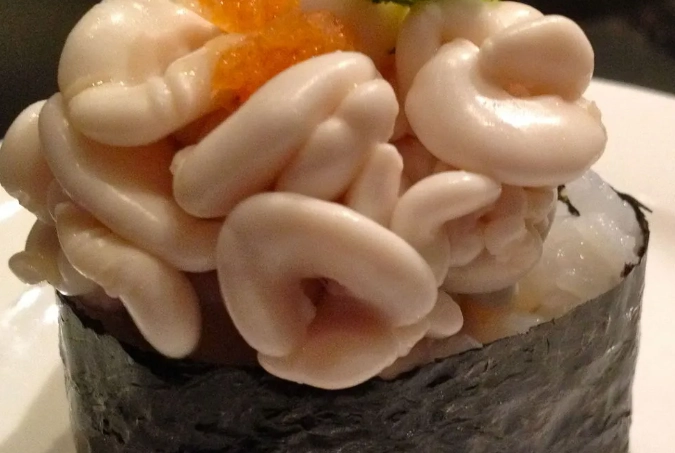
FAQs: Cod Sperm in Your Skincare Routine
On the Menu: Cod Sperm as a Culinary Delicacy
Now, let's switch gears from the vanity to the kitchen. This is where the concept of cod sperm becomes far less abstract and much more literal. Across Japan, it's celebrated as "shirako," which translates poetically to "white children." In European cuisines, particularly in Italy (where it's called "lattume") and parts of Scandinavia, it's a seasonal treat. The texture is what gets most people – it's often described as creamy, custardy, or brain-like. The flavor is mild, delicate, and slightly sweet or milky, absorbing the sauces and broths it's cooked in.
I'll admit, I haven't had the courage to try it myself. A friend who's an adventurous foodie described it to me as "the ocean's version of silken tofu, but with a more complex mouthfeel." He loved it poached in a dashi broth. Another person said it was a hard pass, the texture being a bridge too far. It's absolutely an acquired taste, but one deeply rooted in food culture and the nose-to-tail eating philosophy, where respecting the animal means using all of it.
Culinary Note: The season for fresh cod sperm is typically in the colder months, aligning with the cod spawning season. This makes it a true seasonal delicacy, much like soft-shell crab or white asparagus. In Japan, it's enjoyed in high-end sushi restaurants (sashimi style, with ponzu), in hot pots (nabe), or simply salted and grilled.
Nutritional Profile: Is It a Superfood?
Forget the weird factor for a second. As a food, cod sperm is surprisingly nutritious. It's low in fat and carbohydrates but packed with high-quality protein. It's also a source of:
- Vitamin B12: Crucial for nerve function and energy.
- Vitamin D: Often lacking in diets, important for bone health and immunity.
- Selenium: A powerful antioxidant mineral.
- Zinc: Essential for immune function and metabolism.
So, while no one is calling it a daily staple, it certainly brings nutritional value to the table beyond just being a curious dish. The USDA FoodData Central database provides detailed nutrient breakdowns for various seafoods, highlighting the general nutritional benefits of consuming fish organs and by-products, which align with the profile of milt.
But let's be real. People aren't eating it for the zinc. They're eating it for tradition, texture, and the experience of something unique. It represents a connection to maritime food cultures that don't shy away from the whole animal.
The Big Picture: Sustainability, Ethics, and Your Choice
This is the part most glossed-over articles miss. Whether you're considering a cream or a course of shirako, the story of cod sperm is inextricably linked to the story of cod itself. Cod stocks, especially in the North Atlantic, have a history of severe overfishing. So, the ethical consumption of any cod product, including its by-products, depends entirely on sustainable sourcing.
That's non-negotiable.
For skincare, this means looking for brands that are transparent. Do they mention MSC (Marine Stewardship Council) certification? Do they talk about using by-products from regulated fisheries? A brand like Dr. Barbara Sturm, which famously uses cod sperm extract in her line, emphasizes its sourcing from sustainable Norwegian fisheries. That kind of information matters. If a brand is secretive about where its "marine DNA" comes from, that's a red flag.
For food, the same rules apply. Seek out restaurants or fishmongers who can tell you the origin of their seafood. Is it line-caught? Is it from a sustainably managed population? Supporting fisheries that use the entire fish responsibly is a positive step.
So, Should You Try It?
Let's wrap this up with some straight talk.
For Skincare: If you have money to burn and are fascinated by cutting-edge (and edge-case) ingredients, a product with cod sperm extract might be a fun, luxurious experiment. You will likely get exceptional hydration. But if you're on a budget or want proven, dramatic results for anti-aging, your money is better spent on prescription retinoids, a good vitamin C serum, and sunscreen. The cod sperm is the cherry on top, not the sundae.
For Food: If you're a culinary adventurer with an open mind, absolutely give it a try in a reputable restaurant. Appreciate it as a cultural experience. Go with a trusted chef's preparation. If you're squeamish about textures or unfamiliar foods, maybe start with something tamer. There's no shame in either choice.
At the end of my deep dive, my own opinion has softened. I'm not rushing to buy a $400 cream, and I'm still not sure I could stomach a plate of shirako. But I have a real respect for the process and the potential. It's a reminder that sometimes, the most surprising ingredients can have legitimate, multifaceted uses. The key, as always, is informed choice. Now you have the information. The rest is up to you.
Reader Comments