Your Foodie Map
Let's be honest. When you think about planning a trip to Malaysia, the beaches and Petronas Towers flash in your mind first. But for anyone who's actually been, the real star of the show is the food. The sheer, glorious chaos of flavors that is Malaysia meals. I remember my first night in Penang, stumbling into a packed hawker centre. The air was thick with smoke, sizzle, and a dozen smells I couldn't name. It was overwhelming, in the best way possible. That's what this guide is for – to strip away the overwhelm and give you a map to the best eating adventure of your life.
Malaysian cuisine isn't just one thing. It's a loud, proud, and delicious argument between Malay, Chinese, and Indian traditions, with cameo appearances from Thai, Indonesian, and Portuguese influences. One minute you're eating a rich, coconut-milk curry, the next you're biting into a flaky roti, and then you're slurping down noodles that sing with chili and shrimp paste. Trying to define it is pointless. Experiencing it is everything.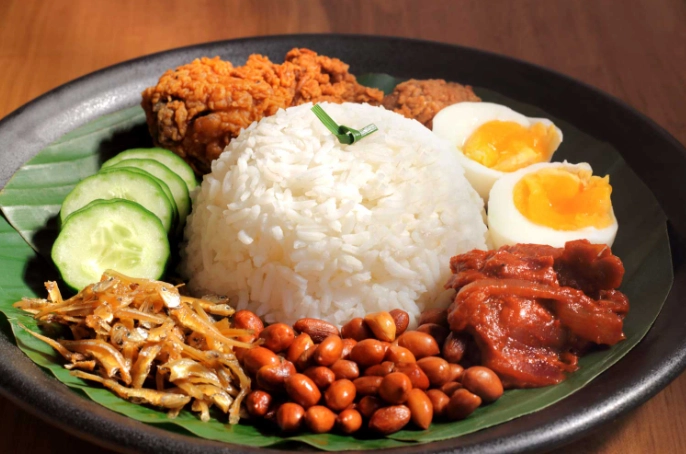
The Non-Negotiable: Must-Try Malaysian Dishes
If you have limited time (or stomach space), these are the pillars. The dishes that form the foundation of what people mean when they rave about Malaysian food. Missing these is like visiting Paris and skipping the Eiffel Tower – technically possible, but why would you?
Nasi Lemak: The National Dish (For a Reason)
Calling it just "coconut rice" is a criminal undersell. At its core, yes, it's rice cooked in coconut milk and pandan leaf, which gives it an incredible fragrance. But it's the ensemble cast around it that makes it legendary. You get a spicy sambal (chili paste), crispy anchovies (ikan bilis), roasted peanuts, a slice of cucumber, and a hard-boiled egg. That's the basic plate. From there, you can add a whole universe of lauk (side dishes) – fried chicken, beef rendang, curry squid, you name it. It's breakfast, lunch, dinner, and a 2 a.m. snack. It's perfect.
My personal take? The sambal makes or breaks it. A good one has depth – sweet, salty, umami, and heat that builds slowly. A bad one is just fire. You'll find it everywhere, from banana-leaf-wrapped packets at roadside stalls to fancy versions in hotels. Start with the humble packet.
Char Kway Teow: Wok Hei Heaven
This is the dish that showcases the Chinese influence in all its stir-fried glory. Flat rice noodles are blasted in a screaming hot wok with dark soy sauce, shrimp, bloody cockles (see hum), Chinese sausage (lap cheong), bean sprouts, chives, and sometimes an egg. The magic ingredient is wok hei – that elusive "breath of the wok," a slightly smoky, charred essence that comes from extreme heat and expert tossing. It's rich, it's savory, it's slightly sweet, and utterly addictive.
Roti Canai: The Flaky, Buttery Miracle
Of all the wonderful Malaysia meals, this might be the most universally loved. It's India's gift to Malaysia. The dough is stretched, slapped, and folded until it's tissue-thin, then fried on a griddle until it's crispy on the outside, soft and layered on the inside. Served with a small bowl of dhal (lentil curry) or a variety of other curries (chicken, fish, mutton). For breakfast, try Roti Telur (with an egg folded in) or Roti Bawang (with onions). The sweet versions, like Roti Pisang
(banana) or Roti Tissue (a giant, crispy sweet cone), are desserts in their own right. Watching the mamak (Indian Muslim cook) expertly flip the dough is half the fun.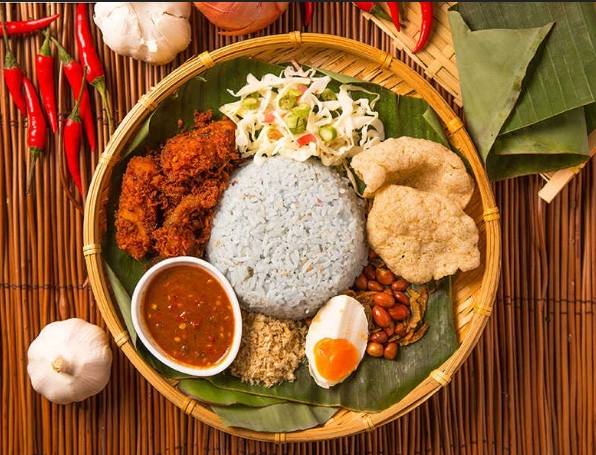
Laksa: The Great Noodle Soup Divide
Here's where Malaysia's regional pride really kicks in. "Laksa" is a blanket term for spicy noodle soup, but the variations are wildly different.
- Asam Laksa (Penang): This is my personal favorite, but it's an acquired taste. The broth is a complex, tangy, and fishy soup made from tamarind (asam), mackerel, lemongrass, and galangal. It's topped with shredded fish, cucumber, onions, pineapple, mint, and a thick dollop of sweet shrimp paste (hae ko). It's sour, spicy, sweet, and pungent all at once. A flavor explosion that divides families. I adored it, but I've seen friends take one sip and politely push the bowl away.
- Curry Laksa (KL/Singapore style): More approachable for most. A rich, coconut-based curry broth with noodles, tofu puffs, fish cakes, shrimp, and sometimes chicken. Creamy, spicy, and comforting.
- Sarawak Laksa (East Malaysia): A unique broth with a base of sambal belacan, coconut milk, tamarind, and herbs like lemongrass and coriander. Topped with prawns, chicken, egg, and bean sprouts. It has its own cult following.
Which one's best? That's a fight you can start at any Malaysian table.
Beyond the Classics: Regional Gems & Hidden Treasures
Once you've checked off the big names, the real adventure begins. Malaysia's states each have their own specialties, often tied to local ingredients and history. To truly understand the scope of Malaysian meals, you need to look at this map.
| Region/State | Must-Try Specialty Dish | Key Flavors & Description | Best Place to Try |
|---|---|---|---|
| Penang | Asam Laksa, Hokkien Mee, Cendol | Sour, spicy, complex; the island is a UNESCO-recognized food paradise. | Air Itam Market, Gurney Drive Hawker Centre |
| Malacca (Melaka) | Chicken Rice Balls, Nyonya Laksa, Satay Celup | Peranakan (Straits Chinese) heritage; sweet, savory, and aromatic. | Jonker Street Night Market |
| Ipoh, Perak | Ipoh White Coffee, Bean Sprout Chicken, Hor Fun | Clean, subtle flavors; famous for its soft water and fresh ingredients. | Ipoh Old Town coffee shops |
| Kuala Lumpur | Nasi Kandar, Bak Kut Teh, Wan Tan Mee | Melting pot of everything; intense, hearty, and diverse. | Jalan Alor, Brickfields, Imbi Market area |
| Kota Bharu, Kelantan | Nasi Kerabu, Ayam Percik, Nasi Dagang | Distinctly Malay; aromatic with herbs, grilled flavors, blue rice! | Night markets (pasar malam) |
| Kuching, Sarawak | Sarawak Laksa, Kolo Mee, Midin Fern | Borneo's unique offerings; peppery, herbal, and distinct from the peninsula. | Open-air markets & food courts |
Let's zoom in on a couple from that table. Nasi Kerabu is a stunner. The rice is dyed a brilliant blue from butterfly pea flowers (bunga telang). It's served with a variety of herbs (ulam), salted egg, kerisik (toasted coconut), and your choice of protein, often grilled fish or fried chicken. Eating it is a textural and herbal festival. Then there's Bak Kut Teh, literally "meat bone tea." It's a hearty, garlic-and-herb peppery broth simmered for hours with pork ribs. You dip youtiao (fried dough sticks) into the soup. It's medicinal, comforting, and a favorite late-night meal. The Klang version is more herbal, while the Singaporean style is pepper-forward.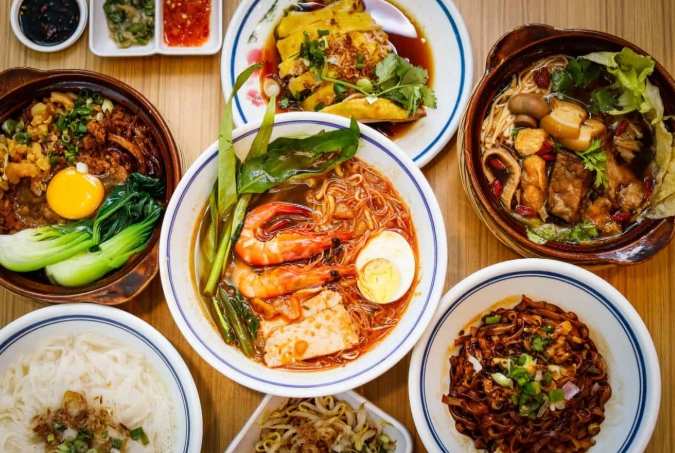
Where and How to Eat Like a Local
This is where many travelers get tripped up. The setting is as important as the food itself. You won't find the most authentic Malaysia meals in a sterile, air-conditioned mall food court (though some are very good). You need to go where the action is.
Hawker Centres & Food Courts: The Beating Heart
These are large, open-air or semi-covered complexes housing dozens of individual stalls, each specializing in one or two dishes. Grab a seat (sometimes you need to be a bit assertive), note your table number, then walk around to order from different stalls. They'll deliver the food to your table and you pay them directly. It's chaotic, democratic, and fantastic for trying many things at once. Famous ones include Penang's New Lane Hawker Centre, KL's Jalan Alor (touristy but fun), and Singapore's Lau Pa Sat (just over the border, but relevant).
Kopitiams: The Classic Coffee Shop
These are traditional Chinese-Malaysian coffee shops. They usually have a drinks stall (famous for kopi – thick, sweet coffee – and teh tarik – "pulled" tea) and a few food stalls renting space inside. You might find a wan tan mee stall, a char kway teow expert, and a roti guy all under one roof. It's a more settled, everyday experience than a hawker centre.
Mamak Stalls: The 24-Hour Lifeline
Run by the Indian Muslim community, these are the ultimate social hubs. Open late, often 24 hours, they serve roti canai, nasi kandar (steamed rice with a choice of curries), maggie goreng (fried instant noodles, surprisingly delicious), and teh tarik. It's where people go after work, after clubbing, to watch football. The energy is unbeatable.
How do you order? Pointing works wonders.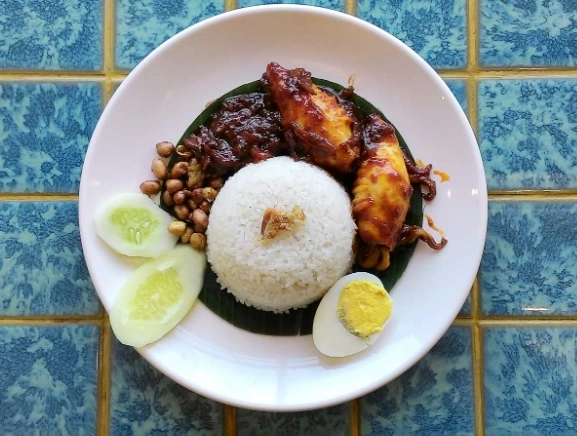
Don't overcomplicate it. See something that looks good? Point at it and say "satu" (one). Most vendors speak enough basic English to get by. A smile and a "terima kasih" (thank you) go a long way. For Malaysian meals like nasi kandar, you just point at the curries you want on your rice. It's a choose-your-own-adventure meal.
Navigating the Practical Stuff: Your Foodie FAQ
Let's tackle the real questions people have before diving in.
Is the street food safe to eat?
Generally, yes. The high turnover and cooking-to-order mean things are usually fresh. Use common sense: look for stalls with a queue (high turnover), where the food is kept hot, and the stall looks tidy. I've eaten at hundreds of stalls over multiple trips and only had a minor issue once. Stick to bottled water and avoid ice if you have a very sensitive stomach, though the ice is usually commercial and safe.
How spicy is it really? Can I ask for less spice?
It can be very spicy. The primary weapon is sambal, a chili paste served on the side or mixed in. The great news is you can almost always control the heat. Learn these phrases: "Kurang pedas" (less spicy) or "Tidak mau pedas" (don't want spicy). When ordering, say it clearly. Often, the sambal is served separately, so you can add as much or as little as you dare.
What about dietary restrictions? Halal, vegetarian, etc.?
Malaysia is a Muslim-majority country, so halal food is everywhere and clearly marked. Chinese stalls in hawker centres often are not halal (they may use pork or lard), while Malay and Mamak stalls always are. Vegetarians need to be more careful. "Vegetarian" stalls (often Indian Buddhist) are common and will be labeled. At other places, you need to specify: "Saya vegetarian, tak ada ikan, tak ada ayam, tak ada daging" (I'm vegetarian, no fish, no chicken, no meat). Be aware that fish sauce and shrimp paste (belacan) are ubiquitous in many sauces, even if there's no visible meat.
What's a realistic daily food budget?
You can eat like a king on a very modest budget. A fantastic meal at a hawker stall or kopitiam will cost between RM 8 to RM 20 (roughly $2 to $5 USD). A fancy drink or fresh coconut might be RM 5-8. Even in a mid-range restaurant, a main course might be RM 25-40. Street food and local joints are where the value and authenticity shine. For official tourism information on food and destinations, the Tourism Malaysia official website is a helpful resource for planning.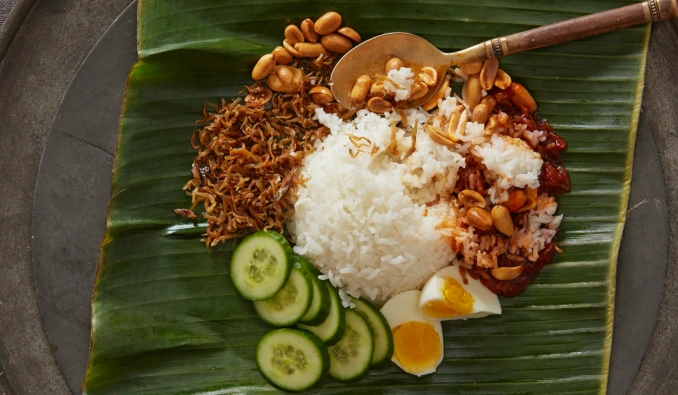
Bringing the Flavors Home
You'll want to recreate this at home. It's possible, to an extent. The key is in the pantry staples. Visit a local supermarket (like NSK, Giant, or a wet market) before you fly home. Stock up on:
- Sambal paste: The base of so many things.
- Rendang paste: For making the iconic beef rendang.
- Laksa paste: Get both Asam and Curry varieties.
- Belacan (shrimp paste): Pungent, but essential.
- Good quality coconut milk powder or blocks.
- White pepper & tamarind concentrate.
Websites like Nyonya Cooking offer great authentic recipes. But honestly? The real taste is tied to the place – the humidity, the noise, the plastic stool, the shared table with strangers. You can make a good curry, but you can't replicate the experience.
So, just go. Book the ticket, pack loose-fitting pants, and get ready to eat. Your journey through the world of Malaysia meals will be messy, surprising, and deeply satisfying. It's not just food; it's the story of a country, served on a plate (or a banana leaf). And trust me, you'll be dreaming of that first bite of char kway teow long after you've left.
Reader Comments