Your Quick Guide to Cuy
- So, What Exactly Is This Dish? Beyond the Shock Factor
- The Flavor and Texture: No, It Doesn't Taste Like Chicken
- A Dish Steeped in History, Not Just Novelty
- From Farm to Table: How Cuy Is Raised and Prepared
- Where and When Should You Try It?
- Navigating the Ethical and Cultural Questions
- Frequently Asked Questions (The Stuff You're Actually Searching For)
- Final Thoughts: To Eat or Not to Eat?
Let's be honest, the first time you hear about eating guinea pig, it probably sounds strange. Maybe even a bit wrong if you grew up with one as a pet. I get it. I had the same reaction before my first trip to Peru. But here's the thing – dismissing it outright means missing out on understanding a huge part of Andean culture and history. This isn't some weird gimmick for tourists. It's a centuries-old tradition, a source of pride, and honestly, for many Peruvians, just Tuesday's dinner.
We're going to dig deep into the world of the Peruvian guinea pig dish, locally known as cuy (pronounced "kwee"). We'll talk about what it actually tastes like (no sugar-coating), where it comes from, how it's cooked, and the big questions around ethics and sustainability. If you're planning a trip to Peru and are curious, or just a food adventurer from your couch, this is your no-nonsense guide.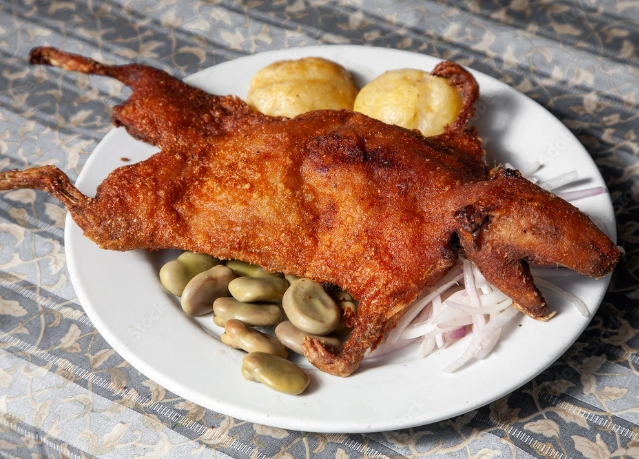
So, What Exactly Is This Dish? Beyond the Shock Factor
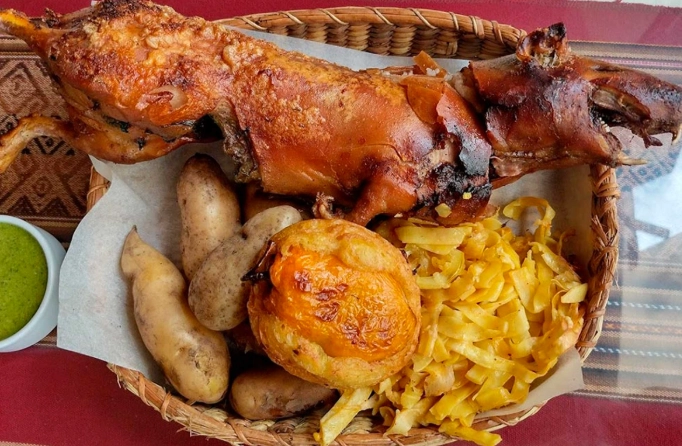
When you search for "peruvian guinea pig dish," you'll mostly see pictures of a whole, roasted animal, sometimes with its little teeth showing. That's the classic presentation – cuy al horno (oven-roasted). But that's just one way to prepare it. Think of it like chicken. You can roast a whole chicken, fry it, or stew it. Same idea here.
The animal itself is not the same as the fluffy pet store variety. They are a different breed, raised specifically for consumption. They're larger, leaner, and have been part of the Andean food system for over 5,000 years. The guinea pig's domestication in South America is well-documented by historians and archaeologists. They were (and still are) an efficient source of meat in the high altitudes where larger livestock struggle.
My first encounter was in Cusco. I was nervous. The plate arrived, and yes, it was whole. The server looked at me expectantly. It felt less like a meal and more like a cultural initiation.
The Flavor and Texture: No, It Doesn't Taste Like Chicken
This is the question everyone wants answered. If you're expecting it to taste like beef or chicken, you'll be surprised. The closest comparisons I've heard – and I agree with – are dark meat turkey or rabbit. It has a distinct, gamey flavor that's richer than chicken. Some people describe a slight earthy or nutty note. A lot depends on the diet of the cuy and how it's seasoned.
Now, the texture. This is the make-or-break point for many. It's not a tender, fall-off-the-bone meat like slow-cooked pork. There's less fat. The meat is dense and can be a bit chewy, especially on the limbs. The skin, when roasted properly, becomes incredibly crispy – often the best part, in my opinion. The first bite is always a mental hurdle, but once you get past that, you're just evaluating a new food.
I won't lie, picking meat off such a small, bony creature is work. It's a hands-on, social eating experience. You don't get a neat fillet.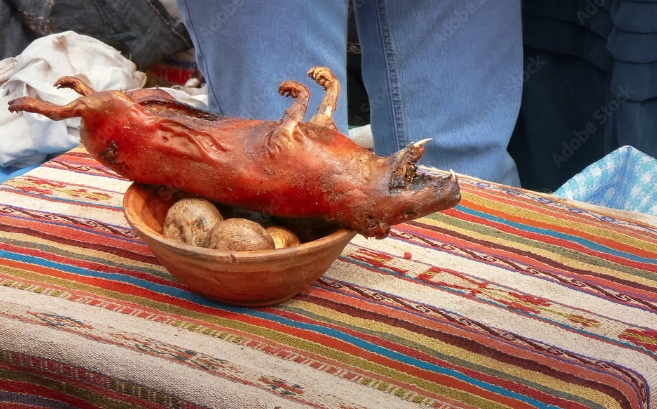
How Do You Even Eat a Whole One?
It's an art. Locals are experts. For beginners, here's the lowdown:
- Start with the crispy skin. Peel it off the back. It's delicious and less intimidating.
- Move to the meatier back and thighs. Use your fingers to pull the meat away. It's fiddly.
- The ribs. Tiny but flavorful. Sucking the meat off is acceptable.
- The head? Often left on the plate by tourists. It's considered a delicacy by some, offering cheek meat and the brain. I tried a tiny piece of cheek – flavorful, but that was my limit.
It's messy, it's involved, and that's part of the point. It's not a passive meal.
A Dish Steeped in History, Not Just Novelty
To understand why this dish is so important, you have to look back. Way back. Guinea pigs were domesticated in the Andes long before the Inca Empire. They were a vital protein source, but also held ritual significance. Archaeologists have found mummified cuy in tombs, offered to the gods or to accompany the dead.
The Spanish conquistadors were horrified by it. They tried to suppress its consumption, promoting European livestock like pork and chicken instead. But the practice persisted in rural, indigenous communities. It's a food of resilience. In modern Peru, eating cuy connects people to their pre-Columbian heritage. It's a symbol of Andean identity. The UNESCO recognition of Andean diets indirectly highlights the cultural ecosystem that includes animals like the cuy.
Today, it's enjoying a kind of renaissance. Top chefs in Lima are putting gourmet versions on their menus, reinterpreting the traditional Peruvian guinea pig dish with modern techniques. It's moving from the countryside festival to the high-end culinary scene.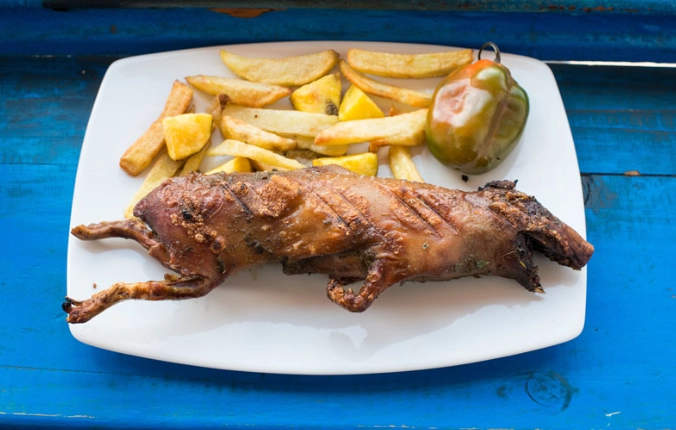
From Farm to Table: How Cuy Is Raised and Prepared
This isn't industrial factory farming. Most cuy for consumption are raised in small-scale, family-run operations, often in backyard pens called cuyeras. They are fed a natural diet of alfalfa, grasses, and vegetable scraps. This small-scale, localized production is often highlighted as a model of sustainable protein. They reproduce quickly, require little space, and convert feed to protein efficiently.
Now, let's talk preparation. The classic method is cuy al horno. The animal is cleaned, sometimes butterflied, and marinated in a paste of local herbs and spices like huacatay (black mint), garlic, cumin, and aji peppers. It's then roasted in a wood-fired oven or over hot coals until the skin crackles.
But there's more than one way to cook a cuy. Here’s a quick breakdown of the main styles you'll find:
| Preparation Style | Description | Where It's Common | Key Characteristic |
|---|---|---|---|
| Cuy al Horno | The whole animal, roasted. | Throughout the Andes (Cusco, Arequipa, Sacred Valley) | Crispy skin, presentation is dramatic. |
| Cuy Chactado | Butterflied and fried under a heavy stone. | Arequipa & Southern Peru | Extremely crispy, flattened appearance. My personal favorite for texture. |
| Picante de Cuy | Stewed in a spicy, flavorful sauce. | Various regions | More tender meat, sauce masks the gamey flavor for newcomers. |
| Cuy en Salsa de Maní | In a rich peanut sauce. | Some fusion or home-style recipes | Creamy, nutty sauce complements the meat. |
I tried the cuy chactado in Arequipa. The heavy stone pressing it into the hot oil makes the entire thing – skin and meat – unbelievably crunchy. It's less about the "whole animal" visual and more about creating a unique texture you can't get from roasting. It felt less like an event and more like just… really good, unusual fried food.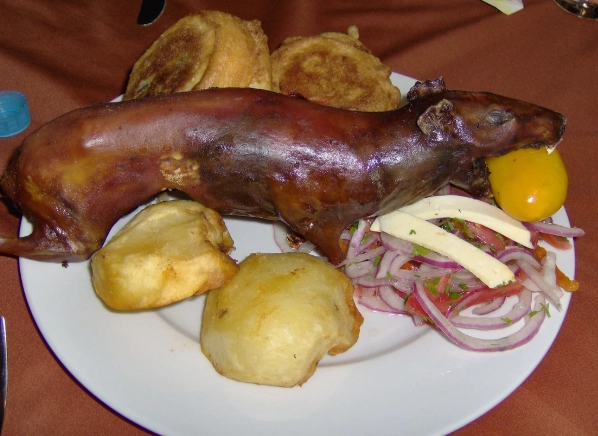
Where and When Should You Try It?
If you're in Peru and want the authentic experience, timing and location matter.
Best Regions:
Cusco & the Sacred Valley: Ground zero for tourists. Many restaurants in Cusco serve it, but for a more local vibe, head to the towns in the Sacred Valley like Pisac or Chinchero. The Sunday buffet in some places might feature it.
Arequipa: The home of cuy chactado. The picanterías (traditional eateries) here are famous for it.
Rural Highlands: Any small town during a festival. This is the most authentic context.
When: While available year-round in tourist restaurants, it's traditionally a celebratory food. Try to coincide with a local festival (fiesta patronal) for the real deal. In cities, upscale "novoandina" (new Andean) restaurants offer refined, deconstructed versions that might be easier for the hesitant eater.
What to Expect to Pay: It's not cheap. A whole roasted Peruvian guinea pig dish can cost anywhere from 50 to 120 Peruvian Soles ($13-$30 USD), sometimes more in fancy places. It's priced like a specialty meat, not street food.
Navigating the Ethical and Cultural Questions
This is the elephant in the room. For Westerners, the guinea pig is a beloved pet. The cognitive dissonance is real. I struggled with it.
From a Peruvian perspective, it's no different than eating a rabbit, duck, or lamb – animals also kept as pets in other parts of the world. It's a matter of cultural perspective. Dismissing their tradition as "cruel" without understanding its context is a form of cultural imperialism. The Peruvian Ministry of Agriculture promotes cuy farming as a sustainable livelihood. You can read about their initiatives on the official MIDAGRI website (content in Spanish).
From an environmental standpoint, arguments are strong in its favor. Cuy have a tiny ecological footprint compared to cattle. They produce less methane, need less water and land, and their manure is excellent fertilizer.
So, is it ethical? There's no universal answer. It depends on your personal ethics regarding meat consumption in general. If you eat meat, the question becomes: why is a pig okay but a guinea pig not? It's a line drawn by culture, not biology. The most respectful approach is to understand its significance before making a judgment.
I decided to try it once, to understand what it was. I'm glad I did, but it's not something I crave or would eat regularly. For me, it was a one-time cultural experience.
Frequently Asked Questions (The Stuff You're Actually Searching For)
Final Thoughts: To Eat or Not to Eat?
The peruvian guinea pig dish is a complex topic. It's food, history, culture, and ethics all on one plate. It challenges our comfortable food categories.
Should you try it? If you're a curious and respectful traveler who eats meat, I'd say it's a profound way to connect with Andean history. Go in with an open mind, manage your expectations on texture, and choose your setting wisely. Don't do it just for an Instagram shock photo. Do it to understand.
If you're vegetarian or simply too squeamish, that's perfectly valid. You can still learn about its role. Ask locals about it. The story is as nourishing as the meal.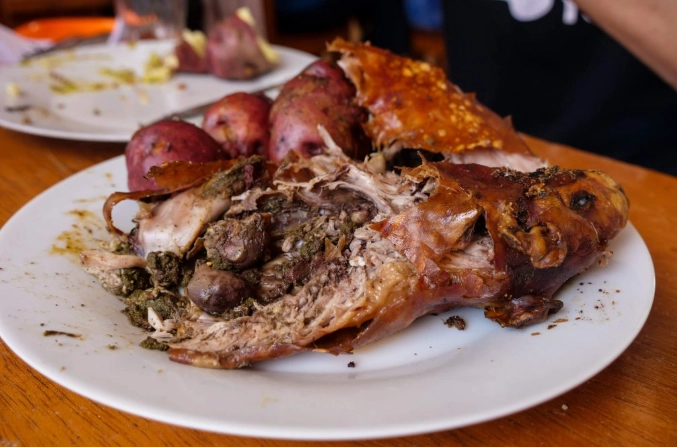
For Peru, cuy is more than a dish. It's a resilient thread connecting the ancient past to a modern, globally celebrated cuisine. It’s a reminder that what we consider "normal" to eat is just an accident of geography and history. Next time you see that startling image of a roasted guinea pig, you'll see more than just a novelty. You'll see a living tradition.
Reader Comments