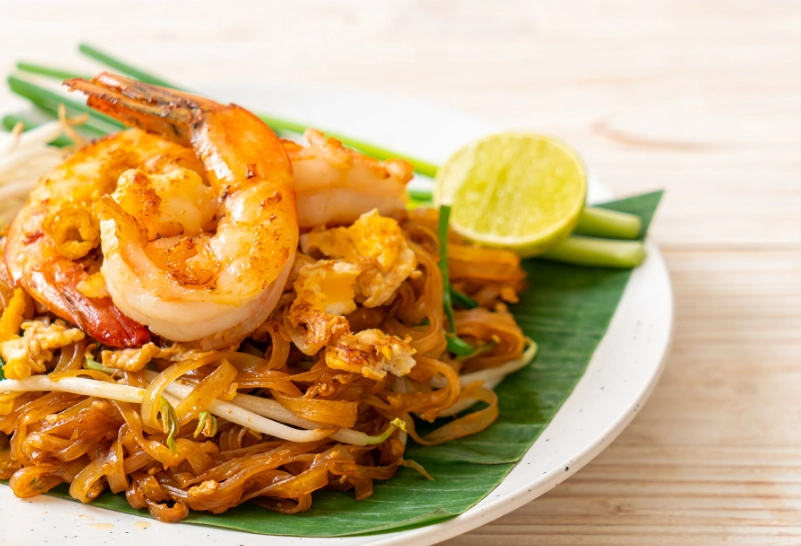
Your Flavor Journey Awaits
- The Soul of the Kitchen: Understanding Thai Food's Core Principles
- The National Icons: Thailand Traditional Food You Simply Can't Miss
- A Culinary Road Trip: Thailand's Regional Food Landscapes
- Your Practical Guide to Eating Thailand Traditional Food
- Answering Your Burning Questions About Thailand Traditional Food
- Bringing the Flavors Home: A Final Thought
Let's be honest, when you think of Thailand traditional food, pad thai and green curry probably pop into your head first. I get it, they're everywhere. But after spending a good chunk of time eating my way from Bangkok's back alleys to family-run shops in Chiang Mai, I've realized there's a whole universe of flavor most visitors barely scratch the surface of. Thai cuisine isn't a monolith; it's a vibrant, living story told through regional ingredients, historical trade routes, and a downright philosophical approach to balancing tastes. It's about the punch of a fresh som tam (papaya salad) on a hot day, the comforting warmth of a slow-simmered gaeng hang lay (Burmese-style curry) in the north, and the complex, herbal broths of the south that'll clear your sinuses and make you rethink what soup can be.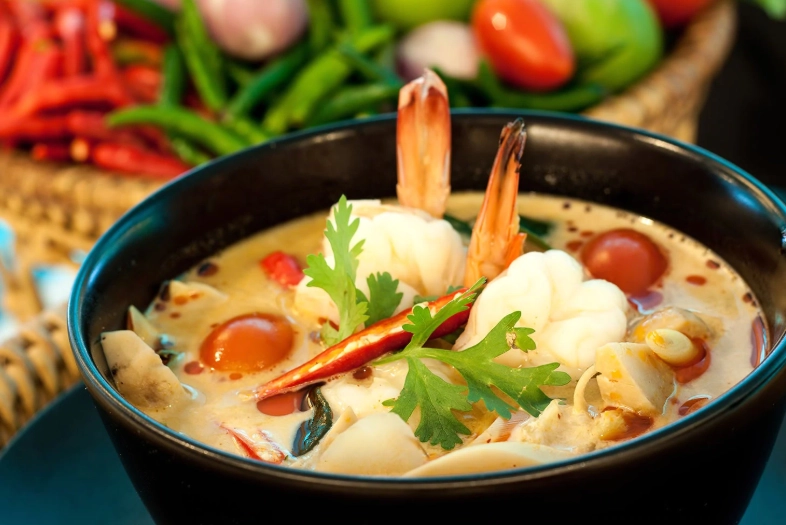
This guide isn't about listing every single dish. It's about understanding the why and the how. Why is Thai food so uniquely addictive? How do you move beyond the tourist menu? We're diving into the heart of Thailand's traditional food culture, exploring the must-try classics, the hidden regional gems, and the practical know-how you need to eat like you mean it. Forget the bland, sweetened-down versions. Let's talk about the real stuff.
The Soul of the Kitchen: Understanding Thai Food's Core Principles
Before we get to the dishes, you gotta get the mindset. Thai cooking operates on a principle of balance – it's almost a spiritual thing. It's not just about making something spicy. It's about orchestrating a conversation between five key taste profiles: spicy (hot from chilies), sour (from lime, tamarind), salty (fish sauce, shrimp paste), sweet (palm sugar, coconut), and sometimes bitter (from certain herbs and greens). A well-made dish will have several of these dancing together, where no single one hogs the spotlight for too long.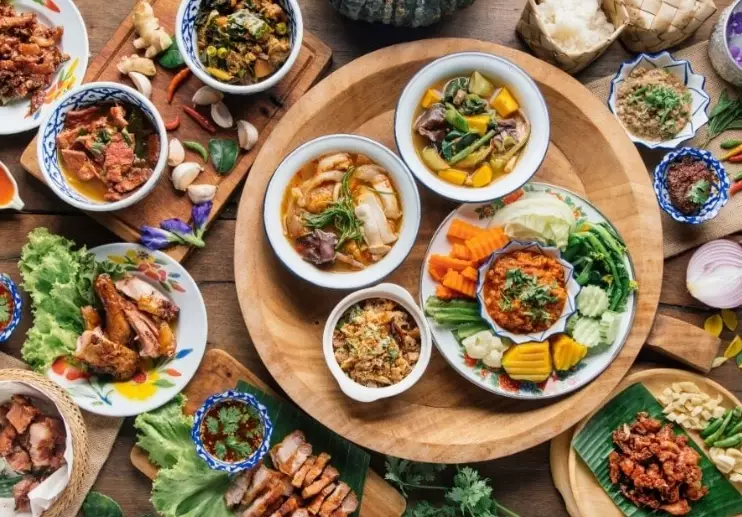
Then there's the texture. Crunch is a big deal. A soft curry might be served with crispy fried fish or fresh raw vegetables. A noodle soup comes with a side of bean sprouts and fresh herbs you add yourself for that extra snap. It's all about contrast. And aroma? Don't get me started. Lemongrass, galangal (a knobby relative of ginger, but sharper and more citrusy), kaffir lime leaves, and fresh basil aren't just flavors; they're perfumes. You smell a great Thai dish before you taste it.
I remember asking a cook in a tiny Isaan village why her som tam was so much better than any I'd had in Bangkok. She just smiled and pointed to the mortar. "You have to feel it," she said. The pestle's rhythm, the order you add things – crushing the garlic and chilies first to release their oils, then gently bruising the long beans and tomatoes. It's tactile. That connection to the process is a huge part of the tradition. It's why pre-made paste from a tub never, ever tastes the same.
The National Icons: Thailand Traditional Food You Simply Can't Miss
Okay, fine. We have to talk about the classics. Because when they're done right, they're masterpieces. But I'll give you the insider scoop on what to look for.
Tom Yum Goong (Spicy & Sour Shrimp Soup)
The poster child of Thai soups, and for good reason. A proper tom yum is a clear, fiery broth infused with lemongrass, galangal, kaffir lime leaves, and fresh chilies. The "goong" means prawns, which should be plump and fresh. The magic is in the balance – the sour kick of lime juice against the earthy heat. A common variation is Tom Yum Nam Khon, which has a splash of evaporated milk or coconut milk to mellow it out. Personally, I'm a purist and prefer the clear version; it feels sharper, more honest. Be warned: the authentic one can be seriously spicy. Don't be shy to ask for "pet nit noy" (a little spicy) if you're unsure.
Som Tam (Green Papaya Salad)
This is the ultimate street food. Originating from the Isaan region in the northeast, it's a powerhouse of flavor and texture. Shredded unripe papaya is pounded in a mortar with garlic, chilies, green beans, tomatoes, lime juice, fish sauce, and palm sugar. The standard version (Som Tam Thai) includes dried shrimp and peanuts. But the variations are endless: with salted crab (Som Tam Pu), with fermented fish sauce (Som Tam Plara), or even with fresh mango. Its popularity is a testament to its perfection – it's fresh, healthy, spicy, sour, sweet, and crunchy all at once. Is it the most essential Thailand traditional food experience? For me, yes. Sitting on a plastic stool, sweating from the heat and the spice, eating som tam with sticky rice – that's Thailand.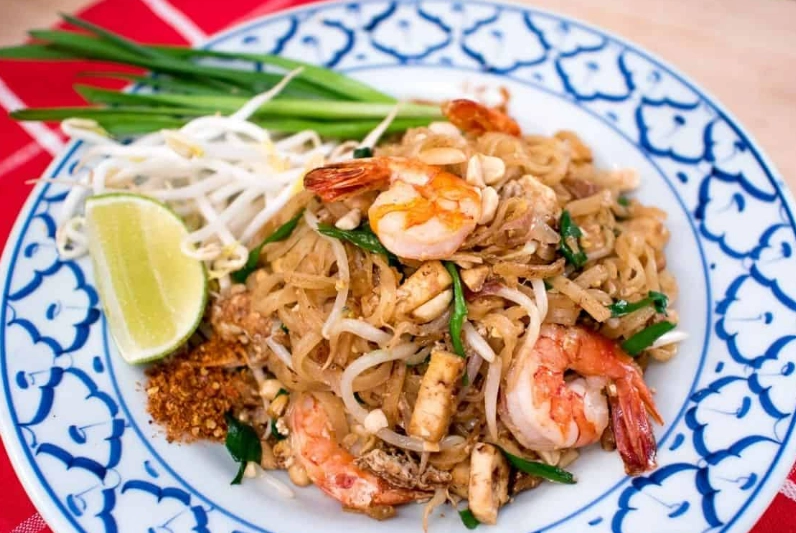
Gaeng Keow Wan Gai (Green Curry with Chicken)
Probably the most famous curry globally. The vibrant green color comes from fresh green chilies and a heap of herbs pounded into a paste. It's simmered with coconut milk, Thai eggplant, bamboo shoots, and sweet basil. The key to a great green curry is the quality of the paste (freshly made is ideal) and not letting the coconut milk split. It should be creamy, fragrant, and have a well-rounded heat that builds slowly. It's almost always eaten with rice. While chicken is standard, you'll also find it with fish balls, beef, or even as a vegetarian option.
But here's the thing. Calling these three dishes "Thai food" is like calling pizza, pasta, and risotto "Italian food." It's true, but it misses the immense regional diversity. The food in Chiang Mai has almost nothing in common with the food in Phuket. To really get Thailand traditional food, you need a map.
A Culinary Road Trip: Thailand's Regional Food Landscapes
This is where it gets exciting. Thailand's geography and history have created four distinct culinary regions, each with its own pantry and personality. The official tourism site, Tourism Thailand, offers great cultural context for these regions, but let's break down what it actually means for your plate.
Central Plains (Bangkok & Ayutthaya)
The heart of the kingdom and its culinary melting pot. This is where you find the "royal cuisine" – intricate, mildly spiced, and beautifully presented dishes that influenced much of what the world sees as Thai food. But it's also the home of bustling street food culture. The Chao Phraya river brought ingredients from all over, leading to a balance of flavors. Coconut milk, palm sugar, and fresh water fish are staples. Dishes are often elaborate, like Massaman Curry (a rich, Muslim-influenced curry with Persian roots) or the intricate Yum (spicy salads). Pad Thai, while debated in origin, became a national dish here.
Northern Thailand (Chiang Mai, Chiang Rai)
This is my personal favorite. The food here is subtler, earthier, and influenced by neighboring Myanmar and Laos. Sticky rice (khao niao) is the staple, eaten with your hands. Chilies are used, but the heat is often from dried varieties, giving a deeper, smokier flavor. They love herbs like turmeric and ginger.
Must-try Northern Thailand traditional food:
- Khao Soi: This is non-negotiable. A creamy, coconut-based curry noodle soup topped with crispy fried noodles. It's rich, complex, and has a mild warmth. The best versions are in Chiang Mai. Add a squeeze of lime, some pickled mustard greens, and extra chili oil. Perfection.
- Gaeng Hang Lay: A Burmese-influenced pork curry. It's not soupy; it's thick, savory, slightly sweet and sour from tamarind, and packed with turmeric and ginger. It's a slow-cooked, comforting dish you won't find on many tourist menus.
- Sai Oua: Northern Thai herbal sausage. Grilled and bursting with lemongrass, kaffir lime leaf, and galangal. It's fragrant, coarse-textured, and absolutely addictive with sticky rice and a spicy dipping sauce (nam prik).
Northeastern Thailand / Isaan
This region is known for its bold, fiery, and fermented flavors. It's the home of som tam and laab (minced meat salad). Sticky rice is the staple here too. The cuisine is rustic, powerful, and uses minimal coconut milk. Fermented fish sauce (pla ra) is the defining ingredient – it's pungent, salty, and adds an incredible depth. Isaan food is arguably the most distinctive and robust of all Thai regional cuisines.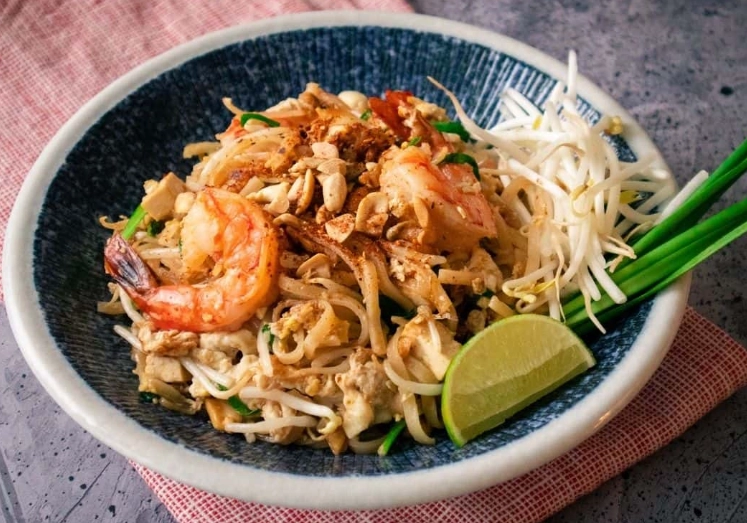
Southern Thailand (Phuket, Krabi, Songkhla)
Surrounded by sea and influenced by Malaysian and Indonesian traders, the food here is intensely spicy, coconut-rich, and seafood-focused. Turmeric is used liberally, giving many dishes a yellow hue. Southerners don't mess around with chili; their curries are famously hot.
Must-try Southern Thailand traditional food:
- Gaeng Som (or Gaeng Lueang): A sour orange curry, often with fish. It's thinner than other curries, packed with tamarind sourness, and fiercely spicy. It's a wake-up call for your taste buds.
- Khao Yam: A Southern rice salad. Herbed rice is tossed with a variety of fresh herbs, grated coconut, dried shrimp, and a pungent budu sauce (fermented fish sauce). It's fresh, complex, and incredibly healthy.
- Massaman Curry: While popular nationally, its roots are in the South's Muslim communities. It's a rich, mild curry with Persian and Indian influences, featuring spices like cardamom, cinnamon, and star anise, with potatoes and peanuts.
See what I mean? Calling it all "Thai food" doesn't do it justice. It's like four different cuisines under one flag.
Your Practical Guide to Eating Thailand Traditional Food
Knowing the dishes is one thing. Knowing how to find and eat them is another. Let's cut through the confusion.
Where to Find the Best Authentic Food
Forget the fancy restaurants with white tablecloths for your first try. The soul of Thailand traditional food lives in these places:
- Street Food Stalls & Hawker Centers: This is the frontline. Look for stalls with a high turnover of locals. A busy cook is a good cook. Places like Bangkok's Chinatown (Yaowarat) or any local market are goldmines.
- Local Markets (Talad): Go in the morning for fresh ingredients and ready-to-eat foods. You'll see the raw components of the cuisine and can try finished dishes from specialist vendors.
- Shophouse Restaurants (Raan Aharn): These are family-run, often open-fronted restaurants with simple plastic furniture. The menu is usually on the wall in Thai only. These places often specialize in one or two dishes they've perfected over decades.
The UNESCO even recognized the significance of Thai cuisine, noting its cultural importance. While not a direct guide to restaurants, resources like the UNESCO Intangible Cultural Heritage listings provide a framework for understanding the cultural value of these food traditions, which is often preserved in these humble settings.
How to Order & Eat Like a Pro
A little effort goes a long way.
| Thai Phrase | Pronunciation (Approx.) | Meaning & Use |
|---|---|---|
| Sawasdee krub/ka | sa-wat-dee krup/ka | Hello (use "krub" if male, "ka" if female). Always starts things right. |
| Aow [dish name] | ow | "I'll have..." Simple and direct. |
| Pet mai? | pet my | Is it spicy? (Very important!) |
| Mai pet | my pet | Not spicy. |
| Pet nit noy | pet nit noy | A little spicy. |
| Pet pet | pet pet | Very spicy (use with caution!). |
| Check bin | check bin | The bill, please. |
When the food arrives, remember that Thai meals are shared. A typical meal involves ordering several dishes for the table – a curry, a stir-fry, a salad, a soup – and a big plate of steamed rice for everyone. You take a spoonful of rice on your plate and add bits of the different dishes on top. Forks and spoons are the main tools (use the spoon to eat, the fork to push food onto it). Northern and Northeastern food is eaten with your right hand, rolling sticky rice into balls to scoop up the other food.
Navigating Dietary Needs
Vegetarians, listen up. The biggest challenge is fish sauce (nam pla) and shrimp paste (kapi). They're in everything, even dishes that don't taste fishy. You need to be specific. Say "gin jay" (eat vegetarian) which implies Buddhist vegetarianism (no meat, fish, or strong-smelling vegetables like garlic and onion). Or, more practically, say "mai sai nam pla, mai sai kapi" (don't put fish sauce, don't put shrimp paste). Many places can accommodate you, especially with stir-fried vegetable dishes (pad pak) or tofu-based options. For an authoritative look at Thai ingredients, websites like Ethaicook.com, a long-standing Thai cooking resource, provide detailed breakdowns of core components, which can help you identify what to ask about.
For gluten-free, soy sauce is used in some stir-fries, but fish sauce is the primary salty seasoning, which is naturally gluten-free. Just double-check on any dark soy sauce or oyster sauce additions.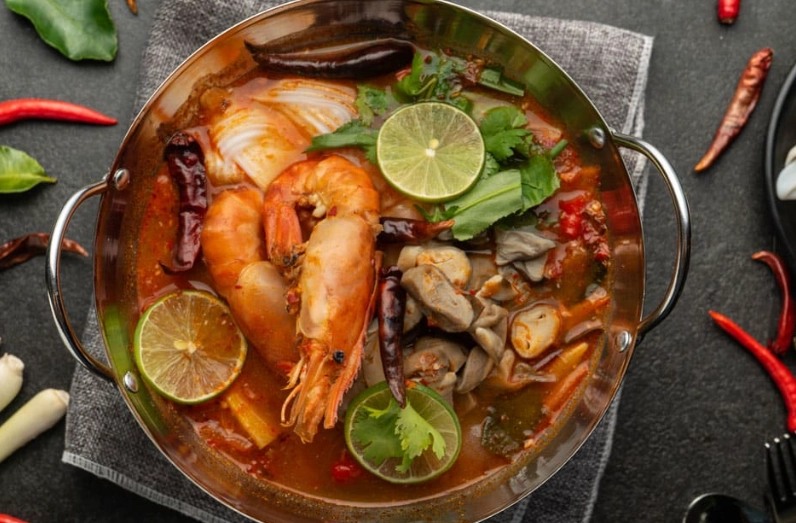
Answering Your Burning Questions About Thailand Traditional Food
Bringing the Flavors Home: A Final Thought
The true magic of Thailand traditional food isn't locked away in secret recipes. It's in the approach. It's the respect for ingredients, the pursuit of balance, and the sheer joy of sharing a meal. It's communal, vibrant, and deeply satisfying.
You can spend a lifetime exploring it and still find new surprises. Start with the famous dishes, but let your curiosity lead you to the regional specialties. Ask questions. Point at things. Eat where the locals eat. Embrace the sticky rice, the pungent sauces, and the layers of flavor.
That's the real journey. It's not just about filling your stomach; it's about understanding a culture through its most universal language. And trust me, Thailand's culinary language is one of the most eloquent in the world.