Flavor Roadmap
Let's be honest, most people's first thought about South Korean cuisine is just kimchi and barbecue. And maybe that Netflix show. I get it. But after spending years living in Seoul and eating my way from street carts in Myeongdong to tiny family-run joints in the back alleys of Jongno, I can tell you there's a whole universe of flavor waiting beyond the sizzling grill. It's a cuisine built on patience (fermentation is king), bold contrasts (fiery and cool, crunchy and soft), and a deep sense of community. You don't just eat; you share, you talk, you bond. That's the heart of it.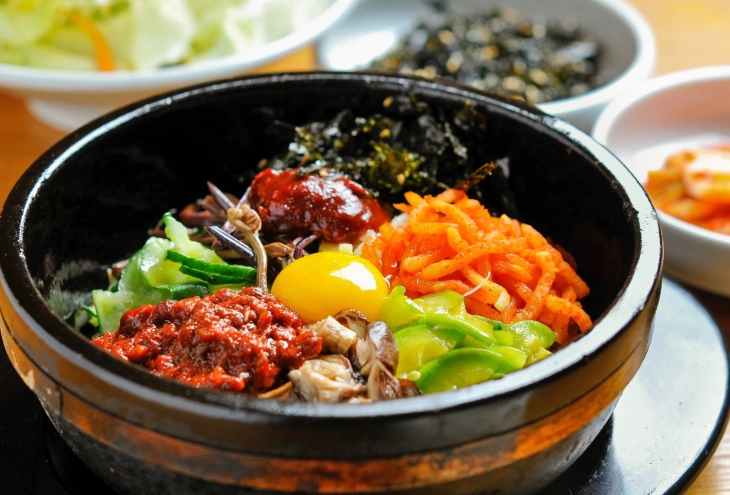
This isn't a sterile list of "top 10 dishes." Think of this as a friend walking you through the essentials—the flavors that define it, the dishes you absolutely need to try (and how to eat them without looking like a total newbie), and the little cultural nuances that make the experience. Because understanding South Korean cuisine is about understanding a bit of the Korean way of life itself.
The Soul of the Flavor: It's All in the Jang (장)
You can't talk about this food without starting here. If French cuisine has its mother sauces, Korean cooking has its "jang"—fundamental fermented sauces. This is the DNA. Skip this, and you're just tasting the surface.
Doenjang (된장): This is fermented soybean paste. Think of it as miso's more complex, earthy, and slightly funkier cousin. It's the backbone of soups and stews (jjigae). A good doenjang jjigae on a cold day is pure soul food. I've had versions so simple—just tofu, zucchini, and that broth—that were utterly unforgettable.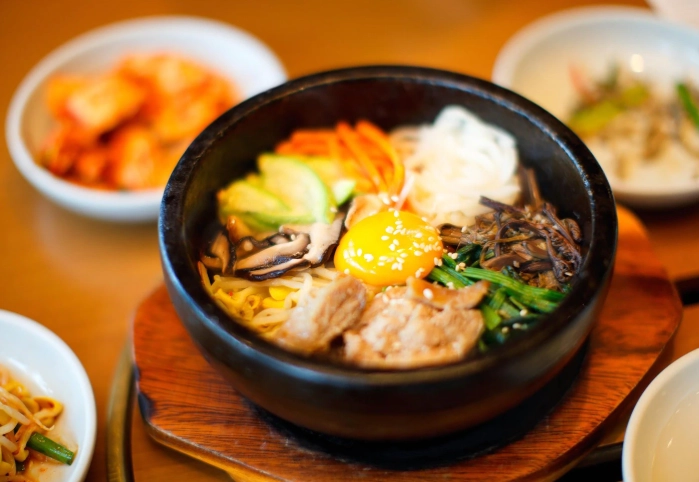
Gochujang (고추장): The famous red chili paste. But it's not just heat. It's a complex blend of sweet (from glutinous rice), salty, and fermented savory notes. It's in marinades, dipping sauces, and is slathered on tteokbokki (those chewy rice cakes). The quality varies wildly. The mass-produced stuff is fine, but artisanal gochujang has a depth that's incredible.
Ganjang (간장): Soy sauce, but specifically the Korean style, which is often a byproduct of doenjang making. It's used for seasoning, marinating, and dipping. Then there's Ssamjang (쌈장), the superstar of the BBQ table. It's a mix of doenjang and gochujang, with garlic, sesame oil, and other goodies. You smear it on a lettuce leaf before wrapping your meat. Non-negotiable.
I made the mistake once of buying a cheap, supermarket gochujang. My homemade bibimbap tasted flat and one-dimensional. Lesson learned. Investing in good foundational jang is like buying good olive oil or soy sauce—it changes everything.
Beyond the BBQ: Must-Try Dishes, Categorized
Okay, let's get to the good stuff. Here’s how I break it down, beyond just "main courses."
The Sizzling Stars (Grilled & Fried)
Korean Barbecue (고기구이): Yes, it's famous for a reason. But it's not just about the meat (though the quality of hanwoo, Korean beef, is a topic for another day). It's the ritual. You grill it yourself, you wrap it in fresh lettuce or perilla leaves (which have a minty, anise-like flavor that's addictive), add a bit of raw garlic, a chili slice, maybe some kimchi, and that ssamjang. One perfect bite. Popular cuts include samgyeopsal (pork belly), galbi (marinated short ribs), and bulgogi (thinly sliced marinated beef).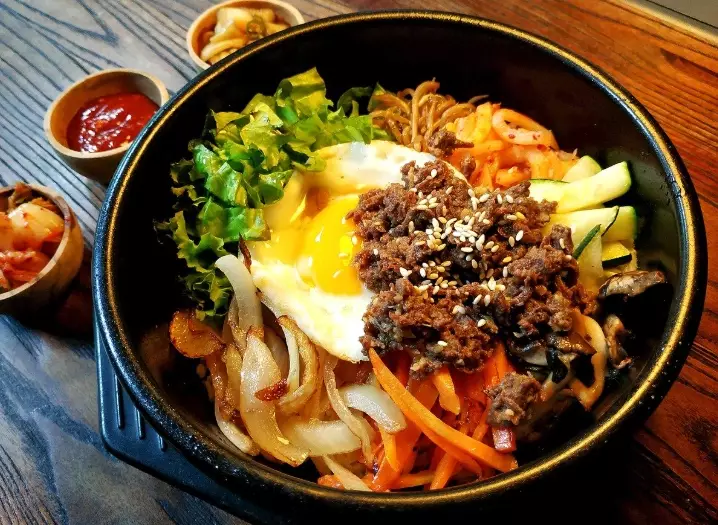
Jeon (전): Savory pancakes. Not like breakfast pancakes! These are crispy, pan-fried delights made with a light batter. Haemul pajeon (해물파전), loaded with seafood and scallions, is the classic, especially when it's raining. Pair it with makgeolli (milky rice wine). Perfect combo.
The Comforting Bowls (Soups, Stews & Rice)
This is where South Korean cuisine really hugs you. These are often shared in the center of the table.
Jjigae (찌개) & Guk (국): Jjigae is a stew, thicker and bolder. Guk is a soup, usually clearer. Kimchi jjigae, with its sour, spicy, porky broth, is a national treasure. Sundubu jjigae (soft tofu stew) is silky and fiery, often with a raw egg cracked in at the end. Then there's samgyetang—a whole young chicken stuffed with glutinous rice, ginseng, and jujubes, simmered in a delicate broth. It's a summer dish, believe it or not, meant to replenish your energy.
Bibimbap (비빔밥): "Mixed rice." A bowl of warm rice topped with an array of seasoned vegetables, meat (sometimes), a fried egg, and gochujang. The magic happens when you mix it all together. Dolsot bibimbap is served in a sizzling stone bowl, which crisps the rice at the bottom. That crunchy layer (nurungji) is the best part.
Gukbap (국밥): Simple soup with rice. Sounds plain, but it's genius. My favorite is seolleongtang—a milky-white, rich ox bone soup served with rice. You season it yourself with salt and pepper. It's pure, comforting, and a staple for 24-hour joints.
The Noodles & Street Food Scene
Japchae (잡채): Glass noodles (made from sweet potato starch) stir-fried with vegetables and beef in a slightly sweet sesame sauce. Served at celebrations. It's all about the chewy, bouncy texture.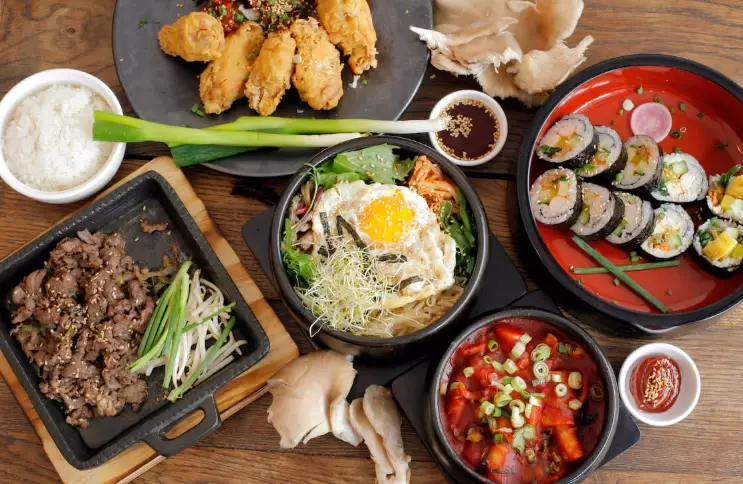
Cold Noodles: Naengmyeon (냉면) are a lifesaver in summer. Chewy buckwheat noodles in a tangy, icy beef broth (mul naengmyeon) or a spicy chili sauce (bibim naengmyeon). They often come with a hard-boiled egg, cucumber, and a slice of Korean pear. The contrast of textures and temperatures is wild.
I have a core memory of eating tteokbokki from a street vendor on a freezing December night in Seoul. The spice warmed me from the inside out. It's not gourmet, but it's real.
The Unsung Hero: Banchan (반찬)
This might be the best part of any Korean meal. Banchan are the small side dishes that come free with your order. They're not afterthoughts; they're essential for balancing flavors and textures. You get a variety, and they're refillable.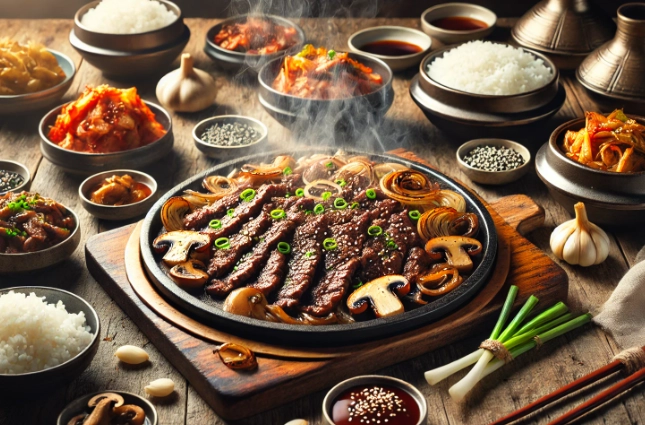
| Banchan | Description | Flavor Profile |
|---|---|---|
| Kimchi (Various) | Fermented vegetables, most famously napa cabbage (baechu kimchi). There are hundreds of types: radish (kkakdugi), cucumber (oi sobagi), etc. | Sour, spicy, fizzy, crunchy. Changes with fermentation time. |
| Myeolchi Bokkeum (멸치볶음) | Stir-fried dried anchovies with nuts. | Sweet, salty, nutty, incredibly moreish. Great with rice. |
| Sigeumchi Namul (시금치나물) | Blanched spinach seasoned with sesame oil and soy sauce. | Simple, savory, nutty. A clean, green counterpoint. |
| Muu Saengchae (무생채) | Thinly shredded radish salad in a tangy, slightly sweet vinegar dressing. | Crunchy, refreshing, palate-cleansing. |
The art of the banchan spread is a point of pride for restaurants and homes. A good array tells you the place cares. Don't be shy to ask for more ("jeon-ju juseyo") of your favorite one.
How to Actually Eat It: A Few Unwritten Rules
This is where people get nervous. Relax. Koreans are generally thrilled you're trying their food. But a few tips smooth the way.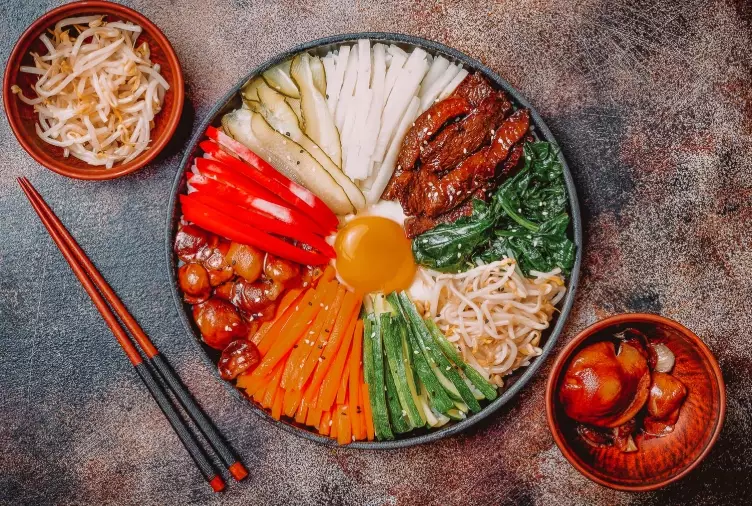
Sharing is Caring: Most main dishes (jjigaes, stews, BBQ) are meant to be shared from the center. You'll get individual bowls of rice, but the mains are communal.
Rice & Soup Etiquette: Don't lift your rice or soup bowl off the table to eat (unlike in some neighboring countries). Keep them on the table. Use your spoon for rice and soup, chopsticks for everything else.
Respect the Elders: If you're dining with older people, wait for them to start eating first. And never stick your chopsticks upright in your rice bowl—it resembles a funeral rite.
Drinking Culture: If someone older pours you a drink (like soju), receive it with two hands. Turn your head slightly away when taking a sip as a small sign of respect. It feels formal at first, but becomes second nature.
My biggest early faux pas? I dug into my own stew the second it arrived, while my elderly Korean friend was still arranging his napkin. A slight, patient smile from him was all the correction I needed.
Want to Try Cooking at Home? Start Here.
Don't be intimidated. You don't need to make your own kimchi from scratch (yet). Start with a few pantry staples and simple dishes.
Pantry Starter Kit: Good quality gochujang, doenjang, Korean soy sauce (ganjang), sesame oil (toasted, and it makes ALL the difference), gochugaru (coarse Korean chili flakes, not powder), and dried seaweed (gim).
Easy First Recipes:
- Kimchi Fried Rice (Kimchi Bokkeumbap): Leftover rice, chopped kimchi, a bit of kimchi juice, maybe some spam or tuna, and a fried egg on top. 15 minutes, max.
- Doenjang Jjigae: Sauté some zucchini, onion, and tofu. Add water and a big spoonful of doenjang. Simmer. Add clams or shrimp if you're feeling fancy. Serve with rice. The ultimate comfort food.
- Simple Banchan: Sigeumchi namul (the spinach side) is literally blanched spinach squeezed dry and mixed with a dash of soy sauce and sesame oil. Takes 5 minutes.
For authentic recipes, I always point people to Maangchi's website. She's a legend for a reason—her recipes work, and she explains the "why." The Korean government's official portal, Korea.net, also has great cultural resources that touch on food heritage.
Cooking Korean food at home taught me patience. Waiting for flavors to meld in a stew, letting kimchi ferment in the fridge. It's slow, rewarding, and makes you appreciate the complexity of what seems simple.
Your Burning Questions, Answered
I get asked these all the time. Let's clear them up.
Is all Korean food super spicy? No! This is a huge misconception. While gochujang and kimchi provide famous heat, many cornerstone dishes are mild or have no spice at all: seolleongtang (ox bone soup), samgyetang (ginseng chicken soup), japchae (stir-fried noodles), galbi jjim (braised short ribs), and most jeon (pancakes). The spice is prominent, but it's not universal.
I'm vegetarian/vegan. Can I eat Korean food? It's tricky but possible. Korean cuisine uses a lot of seafood-based stocks (myeolchi, dried anchovies, kelp) and fish sauce even in "vegetable" dishes. You must ask specifically for "chaesik" (채식) and stress no meat, no fish stock ("myeolchi-gukmul eopshi"). Buddhist temple cuisine (temple food) is a fantastic, ancient vegan branch of Korean cuisine worth exploring. Dishes like bibimbap can easily be made vegan if you ask.
What's the deal with fermented foods? Is it safe? Absolutely safe when prepared correctly. Fermentation (like in kimchi, doenjang) uses salt and beneficial bacteria (lactobacilli) to preserve food and create complex flavors and probiotics. It's a science and an art form. The cultural significance of kimchi, or "gimjang," is even recognized by UNESCO.
What should I order for my first time at a Korean restaurant? Keep it simple. Order a galbi (marinated short rib BBQ) or samgyeopsal (pork belly BBQ) to share. Get a kimchi jjigae or sundubu jjigae on the side. That gives you the BBQ experience, a stew, a heap of banchan, and rice. You'll taste a perfect cross-section.
Why is there so much garlic? Flavor, baby. And historically, it was believed to have medicinal properties. It's in marinades, sauces, kimchi bases, everything. Embrace it. (Maybe plan your social engagements accordingly).
The Takeaway
Exploring South Korean cuisine is a journey. It starts with a sizzling piece of BBQ but quickly leads you down a path of bubbling stews, complex fermented flavors, and an endless array of colorful banchan. It's a cuisine meant to be experienced communally, with lots of conversation and shared dishes.
Don't stress about getting everything "right."
Be adventurous. Try that cold noodle soup. Ask for more of that weird-looking but delicious banchan. Put a bit of everything in your lettuce wrap. The best way to learn is by diving in, messily and joyfully. That's how the real appreciation for this dynamic, flavorful, and deeply comforting food culture grows. It's more than a meal; it's an experience you feel long after you've finished eating.
And who knows? Maybe you'll find yourself, like I did, someday attempting your own batch of kimchi, wondering if that fizzy, sour smell in your fridge is just right.
Reader Comments