Explore the Journey
- Where It All Began: The Roots of Korean Flavors
- The Flavor Foundation: Core Ingredients You Need to Know
- The Hall of Fame: Must-Try Traditional Korean Dishes
- Banchan: The Unsung Heroes of the Korean Table
- The Health Angle: Why Korean Food Gets So Much Praise
- Navigating a Korean Restaurant Menu & Dining Etiquette
- Bringing It Home: Cooking Traditional Korean Food
- Common Questions Answered (FAQ)
- Final Thoughts: It's a Journey of Flavor
Let's be honest, when most people think of traditional Korean food, two things pop into their heads: sizzling barbecue and that jar of spicy fermented cabbage. I used to think the same way. My first encounter with Korean cuisine was at a crowded BBQ joint, all smoke and noise, and I left thinking that was the whole story. Boy, was I wrong.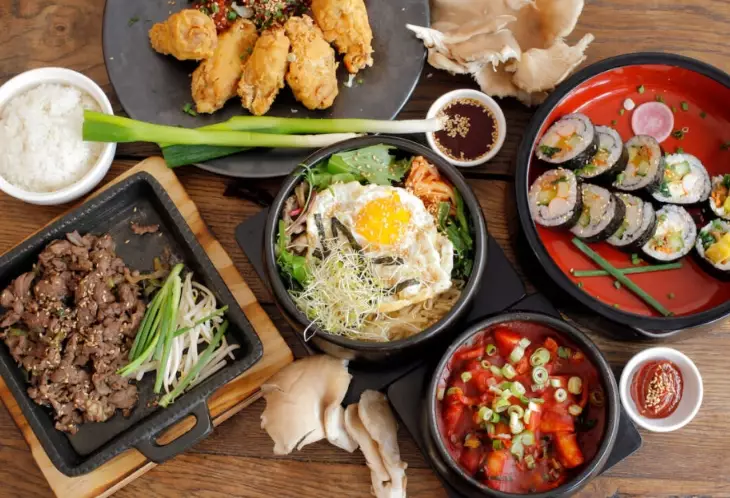
There's a whole universe of flavors, techniques, and history that makes traditional Korean food one of the world's most sophisticated and balanced cuisines. It's not just about the grill. It's about fermented pastes that take years to mature, broths that simmer for days, and a dining philosophy that's deeply connected to seasons, health, and community. I spent a good chunk of time in Seoul, eating my way through back-alley pojangmacha (tent stalls) and home-style restaurants, and what I learned completely changed my perspective.
So, what exactly defines it? Is it just the spice? The garlic? The fermentation? It's all of that and more. This guide is for anyone who's curious about moving beyond the basics. We'll dig into the history that shaped these dishes, break down the flavors that make them tick, and give you a practical roadmap to navigating a Korean menu or even trying your hand at cooking some classics at home. Think of this as your friendly, no-nonsense companion to the world of traditional Korean cuisine.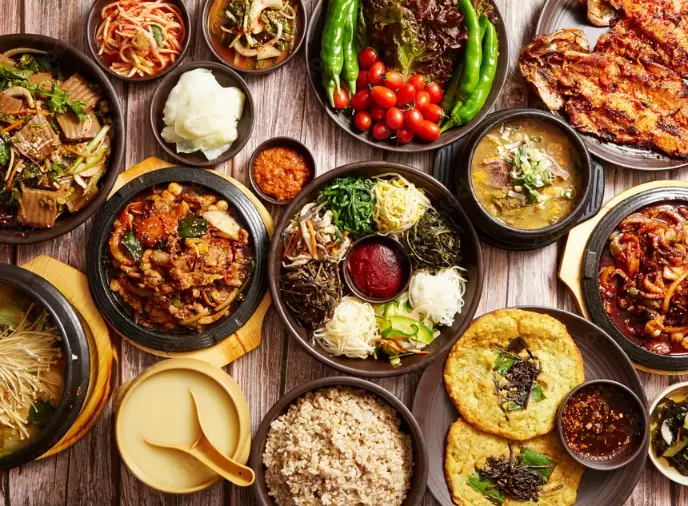
Where It All Began: The Roots of Korean Flavors
To understand the food, you have to understand a bit of the story. Korea's cuisine is a product of its geography and its history—a mountainous peninsula with four distinct seasons. Long, cold winters meant preservation wasn't a luxury; it was a necessity for survival. That's where fermentation, the superstar technique of traditional Korean food, truly shines.
Kimchi is the famous example, but this practice extends to sauces, pastes, and even seafood. They figured out how to make vegetables last through winter by salting and fermenting them, creating not just a preserved product but one bursting with complex, tangy, umami-rich flavors and, as we now know, tons of probiotics. Buddhism also had a massive influence, introducing a vegetarian tradition that emphasized vegetables, grains, and wild greens, which is why Korean meals are so veggie-forward even today.
Then came the Joseon Dynasty (1392–1897), which really codified the cuisine. This was the era where royal court cuisine (surasang) was elevated to an art form, with elaborate rituals and dozens of dishes served in a specific order. While most people didn't eat like kings, the principles trickled down: balance, seasonality, and harmony in color and nutrition. The famous Korean table setting, with a main dish surrounded by multiple banchan, comes from this philosophy of balance.
Modern influences, like the introduction of chili peppers from the Americas in the 17th century (yes, kimchi wasn't always red!), and later periods of hardship, shaped the comforting, hearty stews and street foods. The Cultural Heritage Administration of Korea recognizes several food-related traditions as important intangible cultural heritage, which tells you how deeply food is woven into the national identity. It's living history on a plate.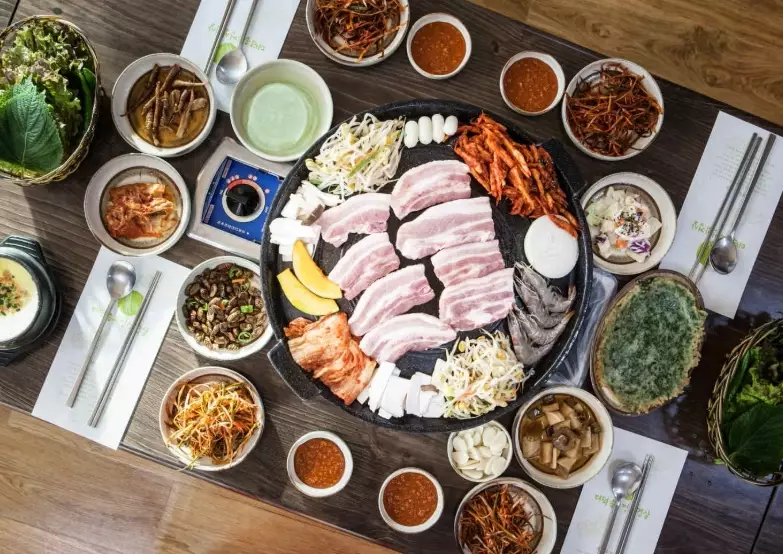
The Flavor Foundation: Core Ingredients You Need to Know
You can't build a house without bricks, and you can't build authentic Korean flavors without its core pantry staples. These are the non-negotiables. If you walk into a Korean kitchen, you're guaranteed to find these. They create that distinct, deep, savory, and often fermented base that is unmistakable.
Gochujang (고추장): The red chili paste. It's sweet, spicy, salty, and deeply umami all at once. It's made from fermented soybeans, glutinous rice, and chili powder. This isn't just a hot sauce; it's a seasoning paste, a marinade base, and the soul of countless stews and sauces. The fermentation gives it a complexity you just don't get from plain chili flakes.
Doenjang (된장): Korean soybean paste. Think of it as miso's more robust, earthy cousin. It's made from fermented soybean blocks (meju) and is the backbone of Korea's iconic stew, doenjang jjigae. It has a pungent, salty, deeply savory flavor that forms the base of many broths. A good doenjang has a richness that can stand on its own.
Ganjang (간장): Soy sauce, but specifically the Korean style. It comes in different varieties: guk-ganjang (soup soy sauce) is lighter and saltier, used for soups; jin-ganjang is darker and used for dipping and braising. The quality varies wildly, and a good one makes all the difference.
Gochugaru (고춧가루): Korean chili powder or flakes. This is critical. It's not the same as cayenne or other chili powders. It has a medium heat level, a vibrant red color, and a slightly sweet, smoky flavor. Using the wrong chili powder is the fastest way to make your Korean dish taste "off." It's what gives kimchi and tteokbokki their signature red hue and warm spice.
Sesame Oil & Seeds: Toasted sesame oil is used as a finishing oil, not a cooking oil. Its intense, nutty aroma is a final flourish on many dishes. The toasted seeds are a ubiquitous garnish.
Garlic, Ginger, and Spring Onions: The holy trinity of aromatics. Used in vast quantities, often minced or grated, to build the foundational flavor in almost every marinade, soup base, and stir-fry.
The Hall of Fame: Must-Try Traditional Korean Dishes
Alright, let's get to the good stuff—the dishes you absolutely need to try. This isn't just a list; it's a curated guide to the pillars of the cuisine. I've broken them down by category to make it easier to explore.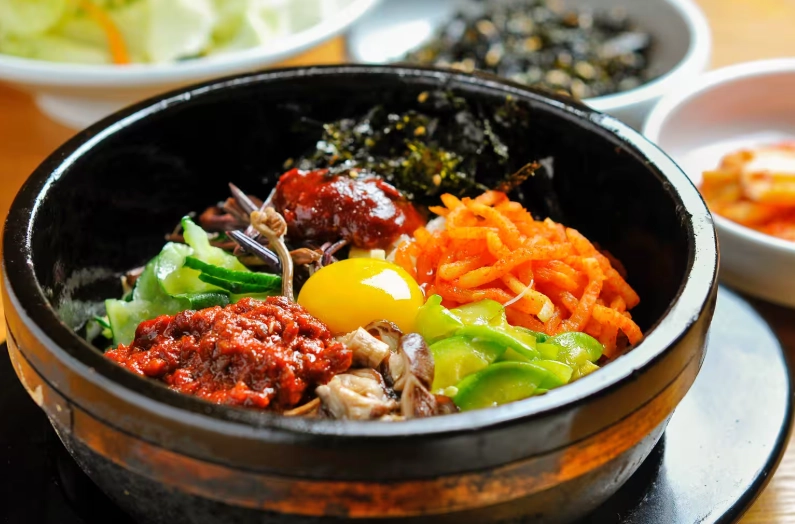
The Essential Mains (Beyond Bulgogi)
Kimchi Jjigae (김치찌개): This is, in my very personal opinion, the ultimate comfort food. It's a stew built around aged, sour kimchi, with tofu, pork (usually belly or shoulder), and vegetables, all simmered in a spicy, tangy broth. The older the kimchi, the deeper and more complex the flavor. It's fiery, hearty, and ridiculously satisfying with a bowl of rice. A perfect meal for a rainy day.
Samgyeopsal (삼겹살): Yes, it's BBQ, but it's a specific and beloved ritual. Unseasoned, thick slices of pork belly grilled at your table. You then wrap a piece in a lettuce or perilla leaf with a bit of ssamjang (a thick paste of doenjang and gochujang), maybe some garlic and kimchi, and eat it in one bite. It's social, interactive, and deliciously primal.
Bibimbap (비빔밥): "Mixed rice." A bowl of warm rice topped with an array of seasoned vegetables (namul), meat (often beef), a fried egg, and gochujang. The magic happens when you mix it all together. The Jeonju region is famous for its version, which uses a special bean sprout soup in the rice for extra flavor. It's a complete, balanced meal in a bowl.
Japchae (잡채): Glass noodles (made from sweet potato starch) stir-fried with thinly sliced vegetables and beef in a savory-sweet sesame sauce. It's a celebratory dish, often served at holidays and birthdays. The noodles have a uniquely springy, chewy texture that's incredibly addictive.
The Soul-Warming Soups & Stews
Doenjang Jjigae (된장찌개): If kimchi jjigae is the fiery friend, doenjang jjigae is the wise, comforting elder. It's a fermented soybean paste stew with tofu, zucchini, potatoes, and often clams or anchovies for extra umami. It's deep, earthy, and profoundly savory. This is the stew Koreans often call their ultimate soul food.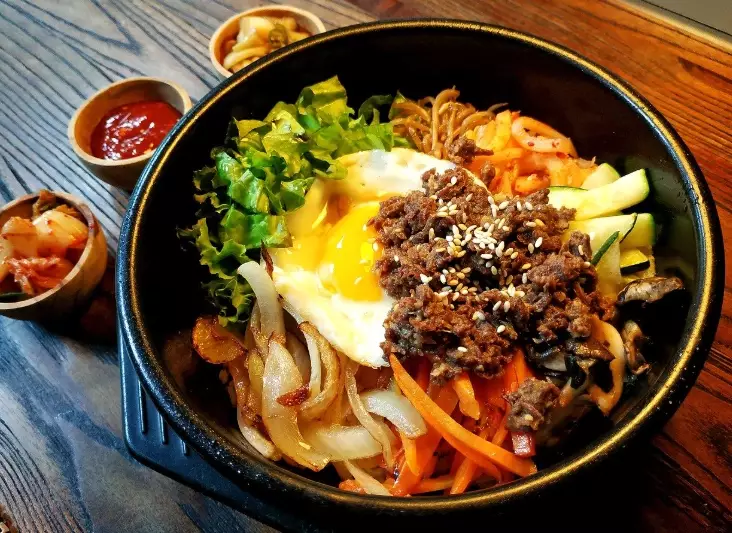
Samgyetang (삼계탕): A whole young chicken stuffed with glutinous rice, ginseng, jujubes, and garlic, then simmered until incredibly tender. It's a summer dish, believe it or not, eaten on the hottest days to replenish energy according to traditional medicinal beliefs. The broth is clean, subtly herbal, and deeply nourishing.
Sundubu Jjigae (순두부찌개): A fiery, bubbling stew made with extra-soft, uncurdled tofu (sundubu), seafood (like clams or shrimp), vegetables, and an egg cracked in at the end. It arrives at your table still boiling in its stone pot (ttukbaegi). The contrast between the silky tofu and the spicy broth is phenomenal.
The Snacks & Street Food Classics
Tteokbokki (떡볶이): Chewy cylindrical rice cakes smothered in a sweet, spicy, and sticky sauce made from gochujang. It's the iconic street food, often sold alongside fish cakes (odeng) and boiled eggs. The sauce is what makes it—thick, glossy, and packing a punch.
Kimbap (김밥): Korea's answer to sushi rolls, but distinctly different. The rice is seasoned with sesame oil and salt (not vinegar), and it's filled with cooked ingredients like ham, pickled radish, spinach, carrots, and egg, then rolled in seaweed. It's a portable, perfect picnic or lunchbox food.
Pajeon (파전): A savory scallion pancake, crispy on the edges and chewy inside. Haemul pajeon is loaded with seafood like squid and shrimp. It's the ultimate rainy-day snack, traditionally eaten with a bowl of rice wine (makgeolli).
Banchan: The Unsung Heroes of the Korean Table
This is where traditional Korean food truly sets itself apart. Banchan are the small side dishes that accompany every meal, from three at a casual lunch to a dozen or more at a formal dinner. They're not afterthoughts; they're integral to the meal's balance, providing contrasting flavors, textures, and nutritional elements.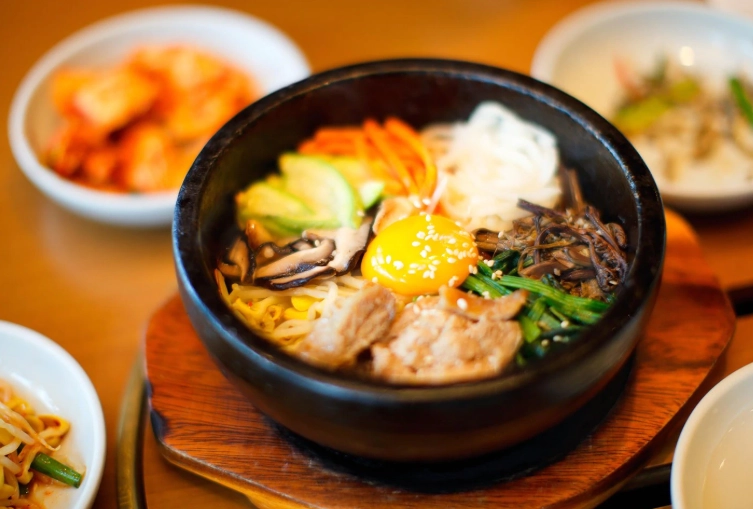
The variety is endless, but here are some you'll meet constantly:
- Kimchi (of course): Not just cabbage (baechu). There's radish kimchi (kkakdugi), water kimchi (mul kimchi), cucumber kimchi (oi sobagi)... hundreds of types.
- Kongnamul muchim (콩나물 무침): Seasoned soybean sprouts. Simple, crunchy, nutty, and refreshing.
- Sigeumchi namul (시금치 나물): Blanched spinach seasoned with sesame oil, garlic, and soy sauce. A masterclass in simple perfection.
- Miyeok muchim (미역 무침): Seasoned seaweed salad, often sweet and tangy.
- Japchae: Sometimes served as a banchan in smaller portions.
- Gamja jorim (감자 조림): Braised potatoes in a sweet soy glaze. Irresistibly sweet and savory.
They are almost always refillable for free at restaurants. The beauty is in the combination—a bite of spicy stew, a piece of savory meat, a mouthful of rice, and a crunch of cool, seasoned vegetable. It keeps every bite interesting.
The Health Angle: Why Korean Food Gets So Much Praise
You've probably heard that Korean food is healthy. But is that just hype? From my reading and conversations, there seems to be some solid science behind the claim, rooted in its traditional composition.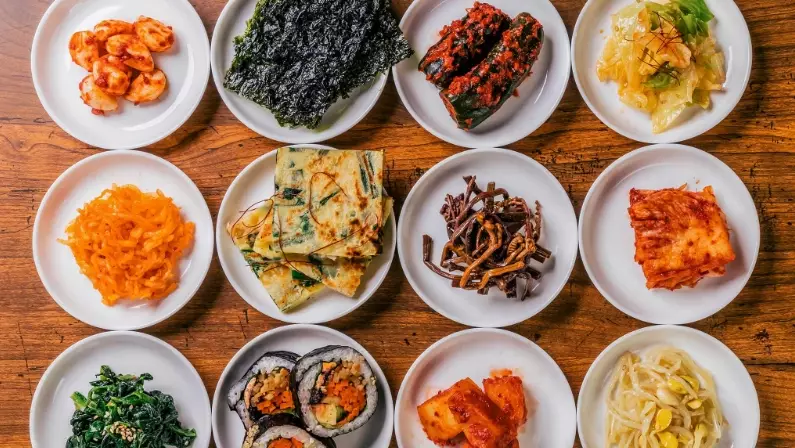
First, it's incredibly vegetable-heavy. A typical meal delivers a wide variety of veggies through the banchan alone—fermented, raw, blanched, and seasoned. You're easily hitting your five-a-day without even trying. Second, the fermentation. Kimchi, doenjang, gochujang, and other fermented staples are packed with probiotics (like Lactobacillus), which are great for gut health. A healthy gut is linked to everything from better digestion to improved immunity and even mood.
Third, the use of lean proteins like tofu, fish, and chicken in broths and stews, and even the famous BBQ is often eaten wrapped in lettuce, adding more greens to the bite. The base of many meals is rice, a good source of energy, and soups and stews promote hydration and fullness.
Of course, there are caveats. Some dishes can be high in sodium (from soy sauce and pastes) and sugar (in some marinades and sauces). Portion control with rice is also something to be mindful of. But the overall dietary pattern—high in fiber, fermented foods, vegetables, and balanced macronutrients—aligns well with what modern nutrition science recommends. UNESCO even inscribed Kimjang, the culture of making and sharing kimchi, on its Intangible Cultural Heritage list, noting its role in community health and sustainability.
Navigating a Korean Restaurant Menu & Dining Etiquette
Walking into a Korean restaurant can be intimidating if you're not familiar with the drill. Here's a down-to-earth guide to not looking like a complete tourist (though it's totally fine if you do!).
The Setup: You'll usually be given a set of metal chopsticks and a long-handled spoon. The spoon is for rice and soup; chopsticks are for everything else. Don't lift your rice or soup bowl to your mouth; leave it on the table and use your spoon. It's considered polite.
Ordering: Meals are often shared. It's common to order a few mains (a stew, a BBQ, a pancake) for the table, plus rice. The banchan will come automatically. For BBQ, you'll often order the meat by weight (e.g., 200g of samgyeopsal).
Drinks: If you're drinking with elders or in a formal setting, turn your head away when taking a sip. When someone pours you a drink, hold your glass with two hands. It's a sign of respect.
Sharing: Use the serving spoons provided for shared dishes like stews. Don't use your personal chopsticks to grab food from the central pot—that's a major faux pas.
The Bill: It's not common to split the bill item-by-item like in some Western countries. Usually, one person pays, or the cost is divided evenly among the group. It's more about the communal experience.
Bringing It Home: Cooking Traditional Korean Food
Inspired to try cooking? Start simple. Don't attempt a full surasang on day one. Here’s a realistic progression.
Step 1: Stock the Pantry. Get the big four: gochujang, doenjang, gochugaru, and toasted sesame oil. Find a good Korean grocery store (H-Mart is a chain in many countries) or a reliable online retailer. The quality of these ingredients is 80% of the battle.
Step 2: Master a Sauce. Try making yangnyeom ganjang, a simple dipping sauce: mix soy sauce, a bit of vinegar, minced garlic, chopped spring onion, sesame seeds, and a dash of sesame oil. Use it for dumplings (mandu) or blanched meats.
Step 3: Cook One Dish. Kimchi fried rice (Kimchi Bokkeumbap) is a fantastic first project. It uses up leftover rice and kimchi. Sauté chopped kimchi, add the rice, a spoonful of gochujang if you want more spice, maybe some diced spam or tuna, and top with a fried egg. Simple, delicious, and deeply satisfying.
Step 4: Try a Stew. Doenjang jjigae is surprisingly straightforward. Sauté some zucchini, onion, and garlic. Add water, a big spoonful of doenjang, some tofu, and maybe a few clams or shrimp. Simmer for 15-20 minutes. That's it. You've made a classic.
For authentic recipes and techniques, I often turn to Maangchi's website. She's a beloved resource who explains things clearly and with great heart. Her recipes are tried and true by millions.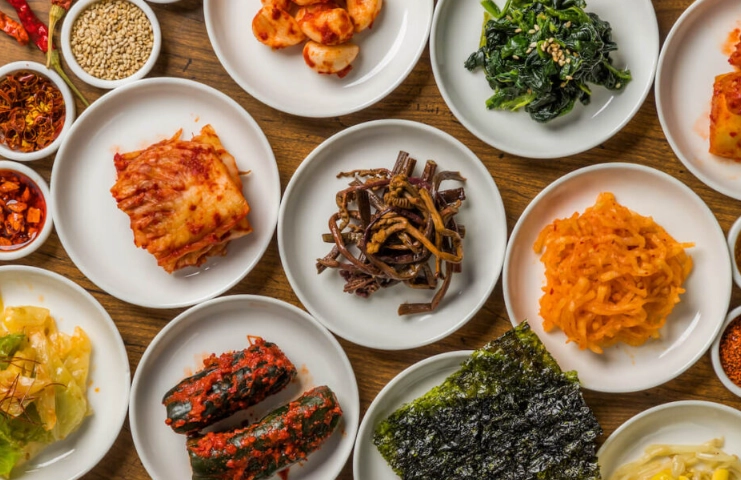
Common Questions Answered (FAQ)
Let's tackle some of the things people always wonder about traditional Korean food.
Final Thoughts: It's a Journey of Flavor
Exploring traditional Korean food is a journey, not a destination. It's about tasting the history in a spoonful of doenjang jjigae, feeling the community in the shared grill of samgyeopsal, and discovering the incredible complexity that simple ingredients can achieve through time-honored techniques like fermentation.
Start with the famous dishes, but don't stop there. Be curious. Try the steamed dishes (jjim), the cold noodles (naengmyeon), the braised fish (jorim). Each region of Korea has its specialties, from the hearty seafood stews of Busan to the refined flavors of Jeonju.
The best advice I can give? Find a good local Korean restaurant, go with friends, order a bunch of things, and just dive in. Don't worry about getting everything "right." The most important part of any food culture is the joy of eating and sharing. And trust me, with Korean food, there is a whole lot of joy to be found.
So, what are you waiting for? Your next favorite dish is out there.