Your Flavor Journey
- The Heartbeat of the Streets: Korean Street Food You Can't Miss
- The Main Event: Iconic Traditional Dishes That Define a Cuisine
- A Tale of Regions: Foods That Tell a Story
- The Modern Table: Fusion, Trends, and Global Influence
- Your Practical Guide to Eating Korean Food
- Answering Your Burning Questions
- Wrapping It Up (No, Not in Lettuce)
Look, if you're here, you're probably tired of just hearing about kimchi. Don't get me wrong, kimchi is fantastic—a crunchy, spicy, fermented staple that's on almost every table. But thinking that's all there is to foods from South Korea is like thinking Italy is just pizza. There's a whole world out there, from sizzling street food to elaborate royal cuisine, and it's all packed with flavor, history, and a surprising amount of healthiness.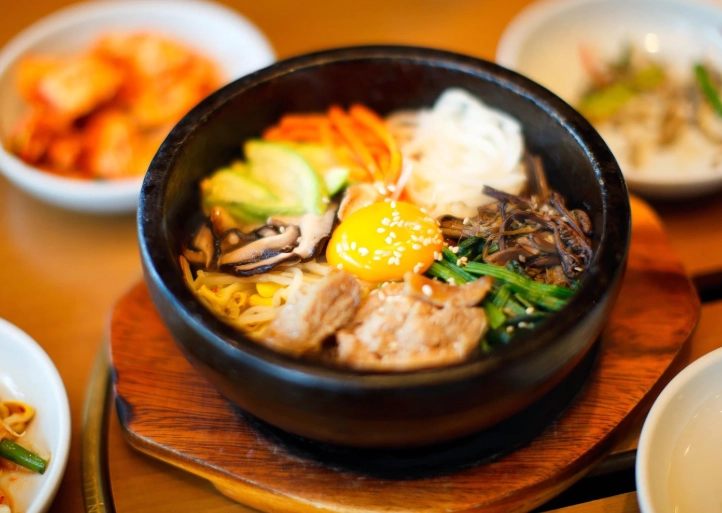
I remember my first trip to Seoul. I had a list, you know? Bibimbap, bulgogi, the usual suspects. But I stumbled into a tiny alleyway stall near Gwangjang Market for what I thought was just a quick snack. An hour later, I was still there, my fingers sticky with sweet and spicy sauce, sharing a table with a grandmother who kept pointing at different things for me to try. That's the thing about Korean food—it's an experience. It's communal, it's loud, it's often messy, and it's incredibly satisfying.
This guide is that alleyway stall.
We're going to go beyond the brochure. We'll dig into the iconic dishes you've heard of, uncover the hidden gems locals love, tackle the regional specialties that tell a story of Korea's geography, and even look at how these foods from South Korea are evolving. I'll throw in some personal hits and misses (yes, there was one fermented thing I still can't get on board with), and give you the real talk on how to navigate it all, whether you're planning a trip or just hunting down an authentic restaurant in your hometown.
The Heartbeat of the Streets: Korean Street Food You Can't Miss
If you want to understand the energy of Korea, start with the street food. It's fast, cheap, addictive, and everywhere—from bustling market alleys to pojangmacha (tent stalls) that pop up at night. The variety is insane.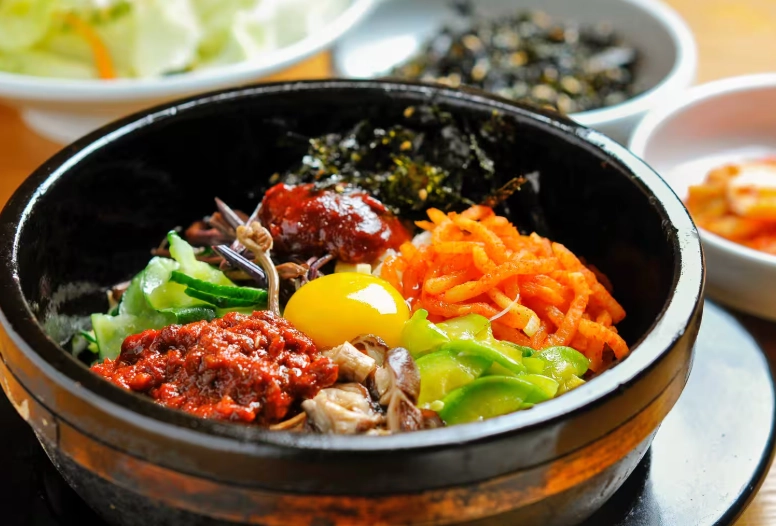
Let's break down the absolute essentials. These are the ones you'll see lines for, the ones whose smells will pull you in.
The Classics Everyone Loves
Tteokbokki is the undisputed king. Those chewy rice cakes swimming in a bright red, sweet, and spicy gochujang (red chili paste) sauce. It's the ultimate comfort food. Pro tip: always get it with fish cakes and boiled eggs. The eggs soak up the sauce and become little flavor bombs.
Hotteok is the sweet counterbalance. A fried dough pancake stuffed with a molten mix of brown sugar, honey, chopped peanuts, and cinnamon. It's served piping hot in a paper cup. You will burn your mouth. It will be worth it. Trust me.
I have a core memory of eating hotteok on a freezing winter day in Insadong. The warmth spreading through my gloves as I held it, the sweet syrup dripping—it was pure, simple joy. Sometimes the best foods from South Korea aren't complicated.
Eomuk (Fish Cake) on a stick, boiled in a light, savory broth. You grab a stick, dunk it in the broth, and eat it right there. The broth is usually free to drink from little cups. It's simple, warming, and costs next to nothing.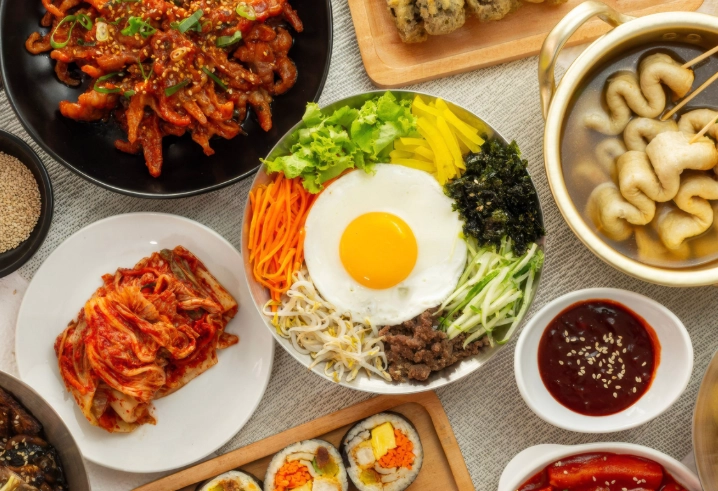
The Adventurous Bites
Feeling brave? Sundae (pronounced soon-deh) is Korean blood sausage, but it's not what you might think. It's typically stuffed with glass noodles, barley, and pig's blood, giving it a unique, mild flavor and a satisfying, chewy texture. Dipped in salt or a spicy sauce, it's a texture adventure.
Then there's Bungeoppang. It's a fish-shaped pastry (usually filled with sweet red bean paste), but in the winter, you'll find stalls selling it filled with frozen custard or even pizza sauce and cheese. The red bean is the classic, and in my opinion, still the best.
To make your street food crawl easier, here’s a quick cheat sheet:
| Food | What It Is | Best Place to Try |
|---|---|---|
| Tteokbokki | Spicy stir-fried rice cakes | Any market, especially Myeongdong or Gwangjang |
| Hotteok | Sweet stuffed pancake | Winter street stalls, Insadong area |
| Eomuk | Fish cake skewer in broth | Pojangmacha (tent stalls) at night |
| Kimbap | Seaweed rice rolls (like a sushi roll) | Kimbap specialty shops or convenience stores (surprisingly good!) |
| Twigim | Korean-style tempura (assorted fried veggies/seafood) | Markets, paired with tteokbokki |
A word of caution: the spice level in tteokbokki can be no joke.
If you're not used to gochujang, start slow. I made the mistake of confidently ordering the "spiciest" version on my second day once. Let's just say I learned a lot about my limits, and the convenience store milk carton became my best friend.
The Main Event: Iconic Traditional Dishes That Define a Cuisine
Now we move to the sit-down meals, the dishes that are the pillars of Korean dining. These are the foods from South Korea that have gained global fame, and for good reason.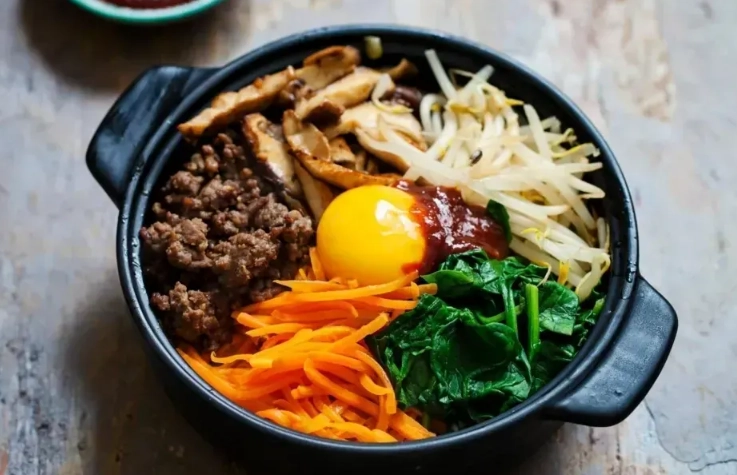
Bibimbap: The Perfect Bowl
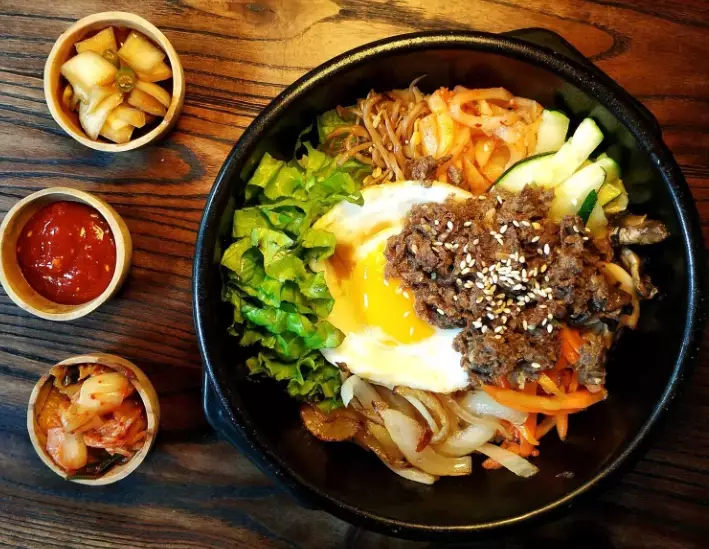
Literally meaning "mixed rice," bibimbap is a beautiful and balanced meal in a bowl. A bed of warm rice is topped with an array of seasoned vegetables (namul), often some meat (usually beef), a fried egg, and a dollop of gochujang. The magic happens when you mix it all together. The version served in a hot stone bowl (dolsot bibimbap) is sublime—the rice at the bottom crisps up into nutty, crunchy perfection.
What's the big deal? It's a complete nutritional package: carbs, protein, and a rainbow of veggies. It's also incredibly customizable. Don't like spicy? Use less sauce. Vegetarian? Ask for no meat. It's a dish that welcomes everyone.
Bulgogi & Galbi: The Meat Lover's Paradise
If you love meat, you've found your home. Bulgogi ("fire meat") is thinly sliced beef marinated in a sweet and savory sauce of soy, sugar, sesame oil, garlic, and pear (the pear tenderizes the meat). It's grilled, often right at your table, and the smell is heavenly. You then wrap a piece in a fresh lettuce leaf (ssam) with some rice, maybe a bit of garlic or ssamjang (a thick dipping paste), and eat it in one glorious bundle.
The ssam (wrap) technique is key to enjoying many Korean grilled meats. Don't be shy—use your hands! The combination of the cool, crisp lettuce with the hot, savory, slightly charred meat is textural genius.
Galbi is its richer, more decadent cousin. It refers to marinated beef short ribs. They can be cut flanken-style (LA galbi) across the bone or as thicker ribs. The marinade is similar but often richer, and the meat is supremely tender and flavorful. Galbi is often a centerpiece for celebrations.
Kimchi Jjigae & Sundubu Jjigae: The Soul-Warming Stews
Korean stews (jjigae) are the ultimate comfort food, especially on a cold day. Kimchi Jjigae is a robust, spicy, and tangy stew made with well-fermented kimchi, tofu, pork, and vegetables. The sourness of the old kimchi gives it a deep, complex flavor that's incredibly addictive. It's usually served boiling hot in a stone pot.
Sundubu Jjigae is a soft tofu stew. It comes in a variety of spice levels (from mild to fiery) and you can choose additions like seafood, beef, or mushrooms. The tofu is silky smooth, and breaking a raw egg into the bubbling stew just before eating adds a lovely richness. It's my personal go-to when I need a pick-me-up.
But here's a personal take: while I adore kimchi jjigae, I find some restaurant versions can be overwhelmingly salty. It's meant to be eaten with plenty of rice, which balances it out perfectly. Don't judge it by taking a spoonful on its own—always have it with rice.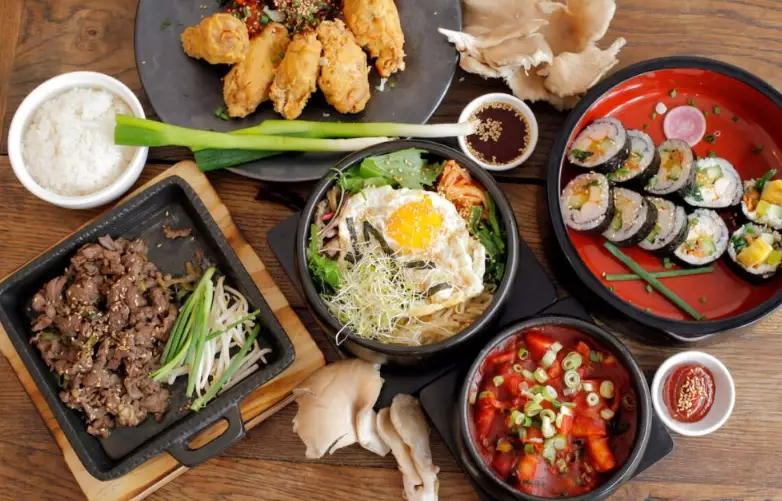
Samgyeopsal: The Social Grill
This isn't fancy, but it might be the most fun you have at a Korean table. Samgyeopsal is thick, unmarinated slices of pork belly. You grill them yourself at the table until they're crispy and golden. The ritual is half the experience: snip the strips with scissors, wrap them in lettuce or perilla leaves with grilled garlic, kimchi, and doenjang (soybean paste) sauce. It's interactive, communal, and absolutely delicious with a glass of soju.
It's also one of the most accessible foods from South Korea for newcomers because the flavor is straightforward (porky, salty, smoky) and you control all the elements in your wrap.
A Tale of Regions: Foods That Tell a Story
Korea isn't a monolith. The food changes dramatically from coast to mountains, from north to south. Here’s a taste of that diversity.
Jeonju is considered the food capital of Korea. This is where you'll find the most famous version of bibimbap, but also incredible kongnamul gukbap (bean sprout soup with rice) and a mind-boggling variety of jeon (savory pancakes). The city takes its food heritage seriously.
Busan, a port city, is all about seafood. Hoe (raw fish) is a must-try here, served fresh with spicy cho-gochujang sauce. Dwaeji Gukbap is a local specialty—a milky-white, pork-based soup with rice, a Busan comfort food that's simple yet deeply flavorful.
Jeju Island offers unique specialties thanks to its isolation. Heuk Dwaeji (black pork) from Jeju is renowned for its rich taste and texture. Okdomgui is grilled tilefish, a local catch, and Gamgyul (Jeju tangerines) appear in everything from tea to desserts.
If you're a seafood lover, a trip to Jagalchi Fish Market in Busan is non-negotiable. You pick your live fish from the tanks, and they prepare it sashimi-style right there. The vitality is unmatched, but it's not for the faint of heart—the market is raw, loud, and wonderfully chaotic.
Andong is famous for its Andong Jjimdak, a braised chicken dish with glass noodles, potatoes, and vegetables in a sweet and savory soy-based sauce. It's a huge, sharing-style dish that's hearty and satisfying.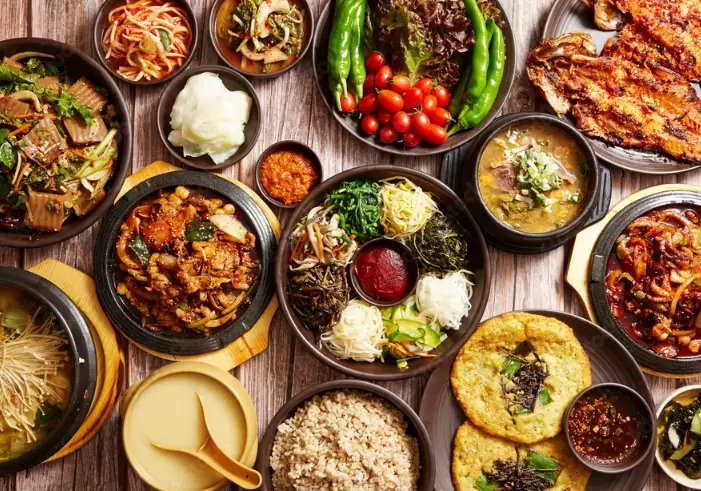
See what I mean? From pork soup to braised chicken to raw fish, the regional foods from South Korea paint a much richer picture.
The Modern Table: Fusion, Trends, and Global Influence
Korean cuisine isn't stuck in the past. It's dynamic and constantly evolving, both at home and abroad.
In Korea, there's a huge trend of modern Korean fine dining. Chefs are deconstructing traditional dishes, using local ingredients with French or Italian techniques, and presenting them in stunning ways. It's expensive, but it's a fascinating way to see how the cuisine is being reinterpreted.
Then there's the global phenomenon of Korean fried chicken (KFC—not that one!). Double-fried to an impossibly crisp exterior while staying juicy inside, and then coated in a variety of sauces. The classic yangnyeom (sweet, spicy, garlicky) and soy garlic are iconic. It's a world away from standard fried chicken and has spawned dedicated chains worldwide.
Army Stew (Budae Jjigae) is a fascinating piece of food history. Born from post-war scarcity, it's a fusion stew made with American-style ingredients like Spam, hot dogs, and baked beans, cooked with kimchi, ramyeon noodles, and gochujang in a broth. It's a delicious, hearty, and oddly harmonious symbol of adaptation.
And we can't ignore the global Korean-Mexican fusion trend, popularized by food trucks like Kogi in LA. Think bulgogi tacos, kimchi quesadillas, and gochujang-spiked salsa. It works surprisingly, brilliantly well.
Your Practical Guide to Eating Korean Food
Okay, you're excited. But how do you actually navigate this? Here are some no-nonsense tips.
How to Order & Eat Like You Know What You're Doing
- Banchan are free. Those small side dishes (kimchi, pickles, salads) that cover the table the moment you sit down? They're complimentary and refillable. It's one of the best parts of the meal.
- Sharing is caring. Most meals are designed to be shared. Order a few main dishes and sides for the table and dig in together.
- Use your spoon for rice and soup. Chopsticks are for everything else. It's not rude to lift your rice bowl to your mouth, but using your spoon is more common.
- Don't blow your nose at the table. This is a major faux pas. Excuse yourself if you need to.
Finding the Good Stuff
In Korea, look for places packed with locals, even if they look a bit worn. The best bibimbap might be in a basement restaurant, the best stew in a place with plastic stools. Use local review apps like Naver Maps over Google Maps. For authoritative information on the cultural significance of dishes like Kimjang (kimchi-making), the Korea Tourism Organization website is an excellent resource.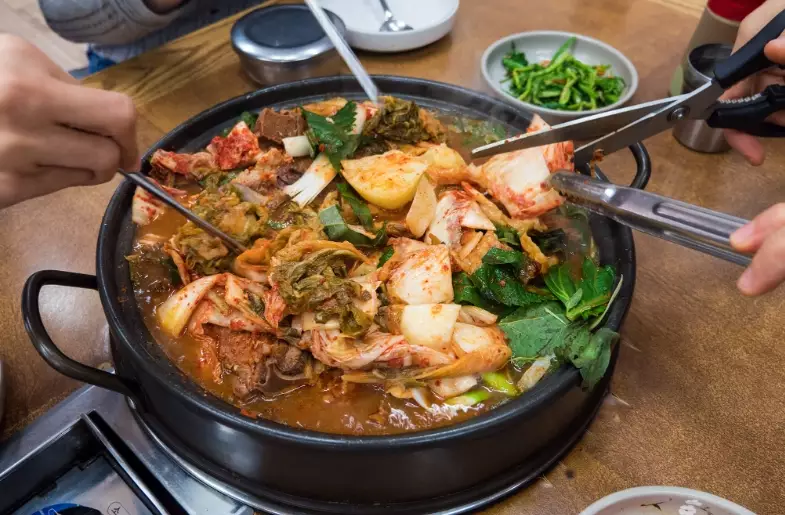
Outside Korea, search for restaurants in legit Korean neighborhoods. A menu entirely in Korean with photos on the wall is a good sign. Also, Korean grocery stores (H Mart, etc.) often have fantastic food courts or attached restaurants that are very authentic.
Answering Your Burning Questions
Wrapping It Up (No, Not in Lettuce)
So, there you have it. The world of foods from South Korea is vast, vibrant, and deeply rewarding to explore. It's a cuisine of contrasts: fiery and mild, ancient and modern, rustic and refined. It's about community, balance, and an incredible depth of flavor built on fermentation and fresh ingredients.
Start with the sizzle of bulgogi on a tabletop grill. Find comfort in a steaming bowl of sundubu jjigae. Get your hands messy with samgyeopsal. And save room for that hotteok.
Just remember to bring an open mind and an empty stomach.
The journey through these flavors is one of the best you can take. And who knows? Maybe you'll find your own alleyway stall memory waiting for you.