Your Flavor Journey
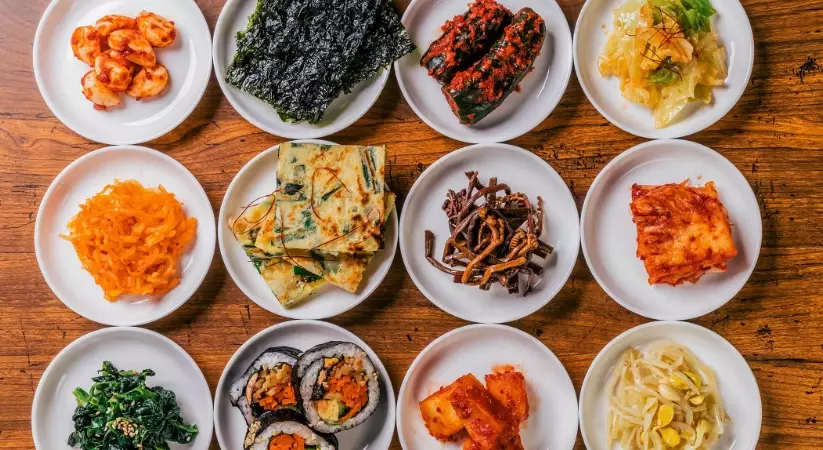
Let's be honest, when someone says "Korean dish," your mind probably jumps straight to kimchi. Or maybe that sizzling stone bowl of bibimbap you saw on a food show. But there's a whole universe beyond that, and it's one of the most exciting and balanced cuisines out there. I remember my first real encounter wasn't in Seoul, but at a tiny, family-run spot in Los Angeles' Koreatown. The table was covered in little plates – like, maybe fifteen of them – before the main event even arrived. That's the thing about Korean food; it's an experience, not just a meal.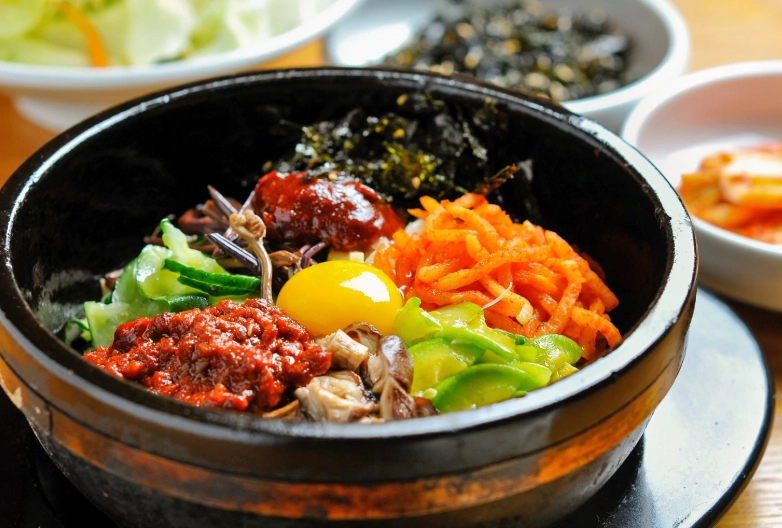
At its heart, a Korean dish is a beautiful collision of tradition, seasonality, and some seriously bold flavors. It's built on a backbone of fermented foods (like that famous kimchi), balanced with grains, vegetables, and meat or seafood. But calling it just "spicy" is a massive oversimplification. Sure, gochujang (red chili paste) is a star, but there's also the deep savoriness of doenjang (soybean paste), the nutty sweetness of sesame oil, and the sharp punch of garlic and ginger. Every meal aims for a harmony – bap (cooked rice), guk (soup), and a parade of banchan (side dishes) all working together.
What I find fascinating, and what a lot of quick guides miss, is the philosophy. There's this concept called yinyang and the Five Elements, which loosely translates to balancing colors, nutrients, and temperatures. A hot, spicy stew (yang) is often balanced with cool, refreshing sides (yin). It's food that's designed to make you feel good, physically and communally. Sharing is pretty much non-negotiable.
The Core Flavors That Define Every Korean Dish
You can't talk about this without getting into the pantry essentials. These are the flavors that will show up again and again, in everything from a humble home-cooked meal to a fancy restaurant Korean dish. If you understand these, you can start to 'read' a menu or a recipe.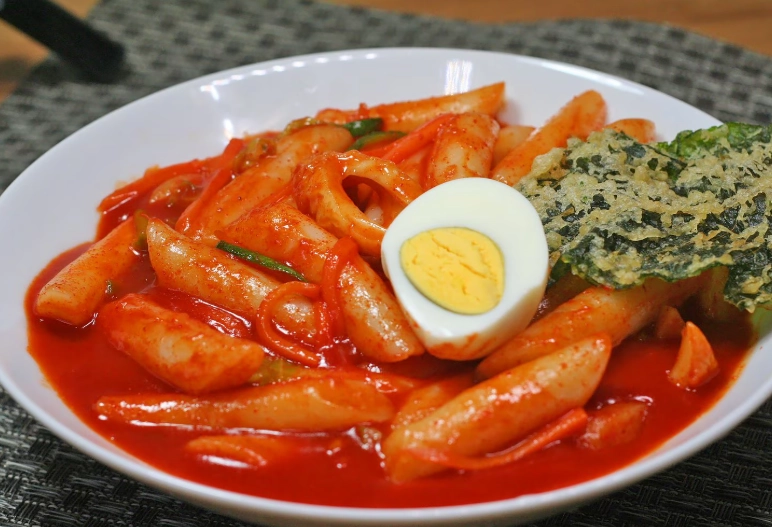
The Unholy Trinity of Korean Pastes & Sauces
This is where the magic starts. Don't even think about trying to substitute these with something "similar" from another cuisine – it won't work.
- Gochujang (고추장): The famous red chili paste. It's not just heat; it's sweet, savory, and deeply fermented. The complexity comes from glutinous rice, fermented soybeans, and chili powder. It's the soul of dishes like tteokbokki (spicy rice cakes) and bibimbap sauce.
- Doenjang (된장): Korean soybean paste. Think of it as miso's more robust, earthy cousin. It's saltier and funkier, and it forms the base of the ultimate comfort food, doenjang jjigae (soybean paste stew). A good doenjang jjigae on a rainy day is pure therapy.
- Ganjang (간장): This is Korean soy sauce, but it's typically divided into two main types: guk-ganjang (soup soy sauce, lighter and saltier for soups) and jin-ganjang (regular soy sauce, darker and used for marinades and seasoning).
Then you have the supporting cast. Toasted sesame oil is used as a finishing oil, not a cooking oil – its aroma is delicate and gets destroyed by high heat. Garlic and ginger are used with a generous hand, almost like vegetables in their own right. And jeotgal (salted fermented seafood) is the secret umami bomb in a lot of kimchi recipes and stews.
It's this layering of fermented, savory, spicy, and sweet that makes a Korean dish so addictive.
A Tour of Must-Try Korean Dishes (Beyond Just BBQ)
Okay, let's get to the good stuff. Here’s where we go beyond the obvious. I've split this into categories because otherwise, it's just a dizzying list.
Everyday Comfort & The Royal Court Classics
These are the pillars. The foods you'd find in a Korean home or a classic restaurant. If you're new to this, start here.
| Dish Name | What Is It? | Key Flavors & Notes |
|---|---|---|
| Kimchi (김치) | Fermented vegetables, most famously napa cabbage. The national side dish. | Sour, spicy, umami, crunchy. It's alive (literally, with probiotics) and tastes different as it ages. There are hundreds of types. |
| Bibimbap (비빔밥) | "Mixed rice." A bowl of rice topped with an array of seasoned vegetables, meat, a fried egg, and gochujang. | Customizable, colorful, balanced. The crispy rice at the bottom of a stone bowl (dolsot) is the best part. A perfect introductory Korean dish. |
| Kimchi Jjigae (김치찌개) | Kimchi stew, usually with tofu, pork, and vegetables. | Spicy, hearty, pungent. It uses older, sourer kimchi for maximum flavor. My personal go-to when I need a flavor kick. |
| Doenjang Jjigae (된장찌개) | Soybean paste stew with vegetables, tofu, and sometimes seafood. | Earthy, savory, deeply comforting. Less spicy than kimchi jjigae but packed with umami. |
| Japchae (잡채) | Stir-fried glass noodles (sweet potato starch) with vegetables and beef. | Sweet, savory, slightly chewy texture. Served at celebrations. The version with a lot of sesame oil is the best. |
The Street Food & Snack Scene
This is where Korean food gets fun and addictive. It's bold, quick, and meant to be eaten on the go.
Tteokbokki (떡볶이): Chewy rice cakes cooked in a sweet, spicy, and savory gochujang-based sauce. Often with fish cakes and boiled eggs. The ultimate street food. Can be too sweet in some versions, so look for places that balance the heat and sweetness.
Hotteok (호떡): Sweet pancakes filled with brown sugar, honey, nuts, and cinnamon. Fried until crispy on the outside and gooey inside. A winter staple.
Kimbap (김밥): Often called "Korean sushi," but that's misleading. It's rice and various fillings (like spinach, carrot, pickled radish, tuna, or beef) rolled in seaweed. It's seasoned with sesame oil, not vinegar, and is a popular picnic or lunchbox food.
Feast-Worthy & Group Meals
These are the showstoppers, often meant for sharing.
Korean BBQ (Gogi-gui): Yes, it's famous for a reason. You grill marinated meats (like galbi - short ribs, or samgyeopsal - pork belly) at your table. The ritual is half the fun: wrap a piece of meat in lettuce or perilla leaf, add some ssamjang (a thick dipping paste), maybe some garlic and kimchi, and eat it in one bite. It's interactive, social, and delicious. Resources like the Korean Tourism Organization's site often highlight BBQ as a key culinary experience, and for good reason.
Samgyetang (삼계탕): A whole young chicken stuffed with glutinous rice, ginseng, jujube, and garlic, simmered in a clear broth. It's a summer dish, eaten to combat the heat with heat (“fight fire with fire”). The broth is clean, nourishing, and incredibly subtle. A world away from spicy stews.
See what I mean? From fiery street snacks to delicate medicinal soups, the range is incredible.
How to Actually Eat a Korean Dish: A No-Nonsense Guide
This is where people get nervous. Don't be. The rules are about respect and enjoyment, not strict formality.
Basic Dining Etiquette You Should Know
- Sharing is Caring: Most main dishes and all banchan are meant to be shared. Don't hoard the plate of kimchi in front of you.
- Rice & Soup Bowls: Don't lift your rice or soup bowl off the table to eat. In informal settings, this is relaxed, but it's a good general rule.
- Chopsticks & Spoon: Use your spoon for rice and soup. Chopsticks are for everything else. And never stick your chopsticks upright in a bowl of rice – it resembles a funeral rite.
- The Elders Start First: If you're dining with Korean elders, wait for them to pick up their utensils before you start.
But here's the most important thing: Koreans are generally thrilled that you're trying their food. A sincere "mas-iss-eoyo!" (맛있어요! – It's delicious!) goes a long way. I've made more friends over a shared pot of jjigae than I can count.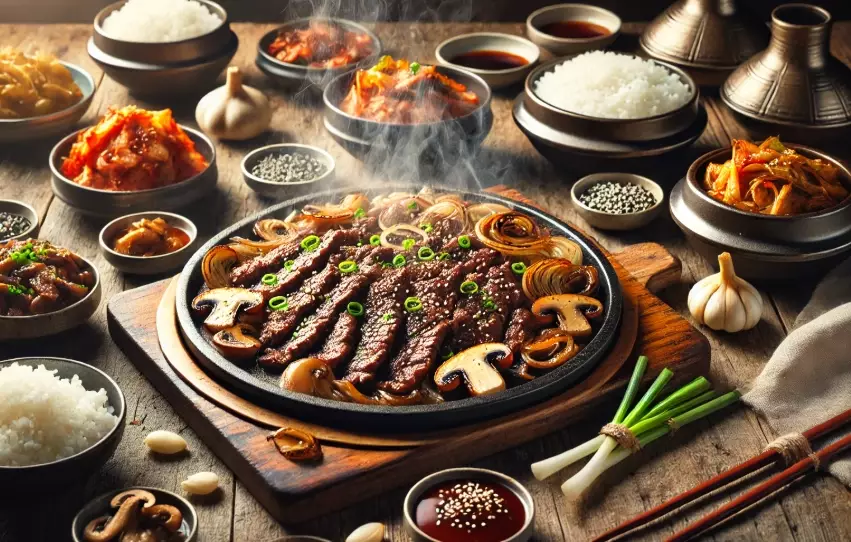
Bringing It Home: How to Start Cooking Korean Food
It seems daunting, but it's totally doable. You don't need to make your own kimchi from scratch on day one (though it's a fun project).
Your Starter Shopping List
Head to a Korean grocery store (H-Mart is a big chain in the US, but local markets are great too). Here’s what to grab first:
- Gochujang & Doenjang: Get one tub of each. They last forever in the fridge.
- Korean Soy Sauce (Ganjang): A bottle of soup soy sauce (guk-ganjang) is versatile.
- Sesame Oil: Make sure it's toasted sesame oil. Store it in a cool, dark place.
- Gochugaru (고추가루): Korean chili powder/flakes. It's coarse and bright red, not like cayenne or other chili powders. Essential for kimchi and seasoning.
- Ready-Made Kimchi: A good quality jar from the refrigerated section. This is your cheat code for flavor.
Two Dead-Easy Recipes to Build Confidence
1. The 15-Minute Kimchi Fried Rice (Kimchi Bokkeumbap)
This is the ultimate fridge-cleaner and my weeknight savior. Sauté some chopped kimchi (about a cup) in a pan with a bit of oil until it sizzles. Add diced spam, tuna, or leftover meat if you have it. Throw in day-old rice and break it up. Drizzle a mix of soy sauce and a tiny bit of gochujang over it. Stir-fry until hot. Top with a sunny-side-up egg and a drizzle of sesame oil. Done. You've just made a legit, satisfying Korean dish.
2. The Lazy Person's Doenjang Jjigae
In a small pot, sauté some zucchini, onion, and a bit of garlic. Add 2-3 cups of water (or anchovy stock if you're fancy). Dissolve 1.5-2 tablespoons of doenjang in the broth. Add some soft tofu cubes and maybe a handful of clams or shrimp. Simmer for 10-15 minutes. Finish with chopped green onion. Serve with rice. It's soul-warming and requires almost no skill.
Answers to Questions You're Probably Too Shy to Ask
Let's tackle some common head-scratchers.
Wrapping It Up: Your Next Step with Korean Food
Look, the best way to understand any Korean dish is to eat it. Then eat another one. Start with a reliable local restaurant. Order a bibimbap and a kimchi jjigae to share. Notice how the flavors play off each other. Then maybe try making that kimchi fried rice at home.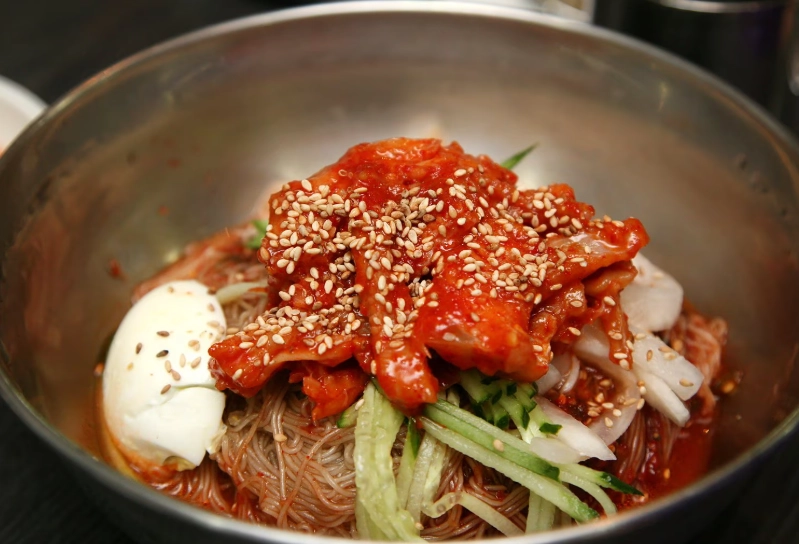
What makes Korean cuisine so special isn't just a list of dishes. It's the warmth of sharing a steaming stew, the crackle of BBQ on a tabletop grill, the refreshing crunch of a dozen different banchan, and the deep, comforting umami that comes from months of fermentation. It's vibrant, it's communal, and it's packed with flavor in a way that's uniquely its own.
So go explore. Your next favorite Korean dish is out there waiting.