Quick Navigation for Your Seoul Adventure
- The Absolute Must-Do Seoul Things (No Arguments)
- Beyond the Postcard: Hidden Gems & Local Haunts
- Let's Talk About Food: It's Not Just BBQ
- Neighborhood Deep Dive: Where to Go Based on Your Vibe
- Seoul on a Budget: Amazing Things to Do That Are (Almost) Free
- Practical Stuff You Actually Need to Know
- Answering Your Seoul Questions (The FAQ Section)
- Wrapping It Up: Your Seoul Game Plan
Okay, let's talk about Seoul. You've probably seen the pictures – the glittering towers of Gangnam, the ancient gates of Gyeongbokgung, the insane food markets. But when you actually get there, the sheer size and energy of the place can be overwhelming. Where do you even start? I've been a few times now, lived there for a bit, and I still discover new corners every visit. This isn't a generic listicle. This is the guide I wish I had before my first trip, packed with the obvious hits, the spots most tourists miss, and a few honest opinions about what's actually worth your time.
Finding the right things to do in Seoul is less about ticking boxes and more about finding the rhythm of the city. It's a place where a 600-year-old palace sits in the shadow of a hyper-modern skyscraper, where you can hike a mountain in the morning and be at a world-class museum by lunch. The trick is balancing the iconic with the intimate.
The Absolute Must-Do Seoul Things (No Arguments)
Let's get the big ones out of the way first. These are the places you'll see on every postcard and travel show. And you know what? They're popular for a reason. You should see them, but maybe with a twist.
Gyeongbokgung Palace & The Changing of the Guard
Yes, it's crowded. Especially during the guard ceremony. But walking through the Gwanghwamun Gate into the main courtyard still gives me chills. The scale of it, the history... it's the heart of old Seoul. My tip? Go right when it opens. You'll get about 45 minutes of relative peace before the tour buses arrive. And for heaven's sake, rent a hanbok (traditional Korean dress). It sounds cheesy, but it gets you free admission and makes for incredible photos without the modern jackets and jeans in your shots. The guards, in their vibrant traditional uniforms, perform the ceremony multiple times a day. The official Royal Palace and Tombs website has the most accurate schedule, as times can shift with the seasons.
Wear comfortable shoes. The palace grounds are massive.
N Seoul Tower (Namsan Tower)
The view. That's the sell. You can see the entire sprawling city from the observation deck. Now, the debate: cable car vs. hike. The cable car is quick and offers great views on the way up, but the lines can be soul-crushing. I prefer the hike up Namsan Mountain. It's a proper, paved path through the woods, and you'll see locals power-walking at all hours. It makes reaching the top feel earned. The "Locks of Love" fences are a spectacle – miles of padlocks left by couples. Is it a tourist trap? Kind of. But sipping a coffee up there as the city lights come on is a classic Seoul moment. For a less crowded alternative view, I sometimes skip the paid deck and just enjoy the platforms around the base of the tower.
Bukchon Hanok Village
This is the famous area of traditional Korean houses (hanok) nestled between Gyeongbokgung and Changdeokgung Palaces. It's incredibly picturesque, with narrow, winding alleys and tiled roofs. Here's the reality check: it's a real residential neighborhood. People live there. The main alleys are choked with visitors trying to get the perfect shot, and the constant stream can be frustrating for residents and tourists alike.
Instead of just photo-hopping, book a stay in a hanok guesthouse or do a traditional craft workshop here. It gives you a reason to be there and a much deeper appreciation.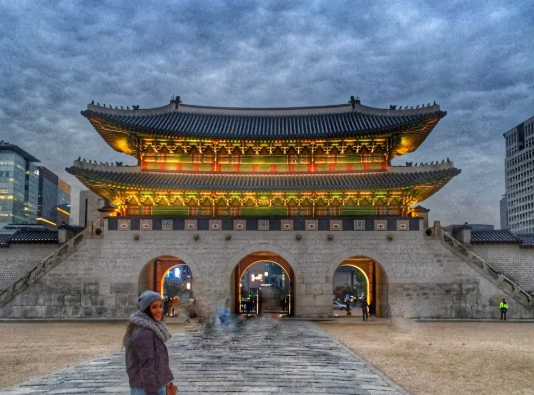
Beyond the Postcard: Hidden Gems & Local Haunts
This is where your trip gets interesting. When you're looking for unique things to do in Seoul, these spots offer a different flavor.
Seoul Forest (Seoul Forest Park)
Think of it as Seoul's answer to Central Park, but way less known to international tourists. It's massive, split into different sections: a deer enclosure, beautiful gardens, art installations, and vast lawns perfect for picnicking. I've spent whole afternoons here just reading and watching families. It's a fantastic breather from the urban jungle, especially in spring with the cherry blossoms or in autumn. You can rent a bicycle and explore its full length. It's easily accessible via the Bundang Line (Seoul Forest Station).
Ikseon-dong Hanok Village
If Bukchon feels like a museum, Ikseon-dong feels like its cool, younger sibling. The hanok here are smaller and have almost all been converted into tiny, incredibly stylish cafes, boutique shops, bars, and restaurants. You'll find a craft beer pub in one, a vintage clothing store in another, and a tiny art gallery in the next. It's a maze of discovery. Perfect for a lazy afternoon of cafe-hopping. It gets busy on weekends with young locals, so a weekday visit is more relaxed.
Walk Along the Seoul City Wall (Hanyangdoseong)
This is one of my top recommendations for active travelers. You can hike sections of the original 18.6 km wall that once surrounded the city. The best segments are the ones on Bugaksan and Naksan mountains. The Bugak section, behind the Blue House, requires you to show your passport at a checkpoint (security is tight), but the views over the presidential compound and the city are unmatched. The Naksan section, near Dongdaemun, is easier and offers a gorgeous night view of the Dongdaemun Design Plaza (DDP). The official Seoul City Wall website has fantastic interactive maps and details on all trail sections and access points.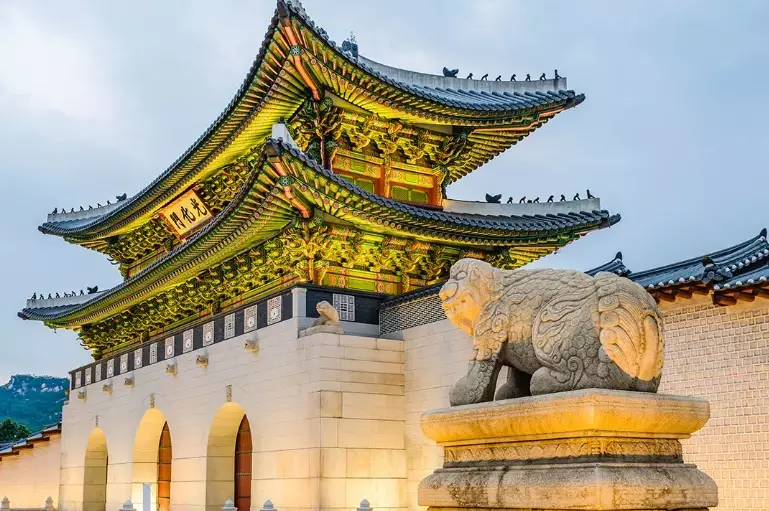
Let's Talk About Food: It's Not Just BBQ
Listing things to do in Seoul is incomplete without a deep dive into food. Eating is an activity here.
Sure, you have to try Korean BBQ. My personal take? The fancy places in Gangnam are great, but the smoky, loud, no-frills joints in residential areas like Mapo or near universities often have more character and better prices. Don't just eat the meat; order a plate of *naengmyeon* (cold buckwheat noodles) at the end to finish the meal. It's a game-changer.
But move beyond BBQ. Have a *budae-jjigae* (army stew) in a tented pojangmacha (street food tent) after 10 PM. Go to Gwangjang Market and join the line for the mung bean pancake (*bindaetteok*) at one of the oldest stalls. Be brave and try *sannakji* (live octopus) if that's your thing – the texture is something else.
For cafe culture, Seoul is insane. It's not just coffee; it's themed experiences. There are cafes with raccoons, sheep, and meerkats. There's a cafe that looks like a giant bookstore, another styled like a vintage hospital. My favorite are the quiet, minimalist ones tucked away in residential streets of Seongsu-dong or Hannam-dong.
Neighborhood Deep Dive: Where to Go Based on Your Vibe
Seoul is a city of distinct neighborhoods. Picking the right area to explore can define your day.
| Neighborhood | Vibe/Atmosphere | Best For | My Personal Highlight |
|---|---|---|---|
| Hongdae | Youthful, artistic, energetic, 24/7 buzz. Centered around Hongik University. | Street performances, indie clubs, quirky shops, affordable fashion, late-night eats. | Watching incredible busking dance crews in the main square on a Saturday night. |
| Itaewon | International, diverse, cosmopolitan, trendy. Historically the foreigner district. | Global cuisine (amazing Mexican, Turkish, Indian), craft cocktail bars, vintage shopping, lively nightlife. | Finding the perfect handmade leather bag in one of the small independent shops in the "Itaewon-ro" backstreets. |
| Insadong | Traditional, cultural, craft-focused. The main street is Ssamziegil. | Buying souvenirs (hanji paper, ceramics, teas), traditional tea houses, art galleries. | Having a bowl of *patbingsu* (shaved ice dessert) at a centuries-old tea house hidden down an alley. |
| Gangnam | Wealthy, sleek, modern, fast-paced. Think designer brands and corporate HQs. | High-end shopping (Apgujeong Rodeo), luxury department stores, plastic surgery clinics (sightseeing only!), chic cafes. | People-watching at the COEX Mall's Starfield Library – a stunning multi-story public library in the middle of a mall. |
| Seongsu-dong | Industrial-chic, hipster, creative. The "Brooklyn of Seoul". | Concept cafes in old warehouses, independent designer brands, artisanal bakeries, photogenic streets. | Spending an afternoon hopping between a cafe in a former metalworks factory and a shoe store in a renovated auto shop. |
Don't try to do more than two neighborhoods in one day. Each has its own depth.
Seoul on a Budget: Amazing Things to Do That Are (Almost) Free
Seoul can be expensive, but it doesn't have to be. Some of the best experiences cost little to nothing.
- Hike any of the mountains. Bukhansan, Inwangsan, Namsan. The trails are excellent, well-signed, and offer the best free views in the city. Bukhansan's trails can be strenuous but reward you with views of the fortress walls.
- Free museum days. Many major museums, like the National Museum of Korea and the National Folk Museum, have permanent collections that are always free. Others have free admission on the last Wednesday of the month (Culture Day). Always check their websites first.
- Cheonggyecheon Stream walk. This restored 11km stream running through downtown is a peaceful urban oasis. Walk from City Hall eastward. At night, it's beautifully lit. I've seen people picnicking with their feet in the water on hot days.
- Changing of the Guard ceremonies. At Gyeongbokgung and Deoksugung palaces. Completely free and a colorful spectacle.
- Explore the underground shopping centers. Connected to major subway stations like Gangnam, Express Bus Terminal, or Jamsil. It's a world of its own, perfect for people-watching and window shopping, even if you don't buy anything.
Practical Stuff You Actually Need to Know
All the inspiration is useless without some ground rules.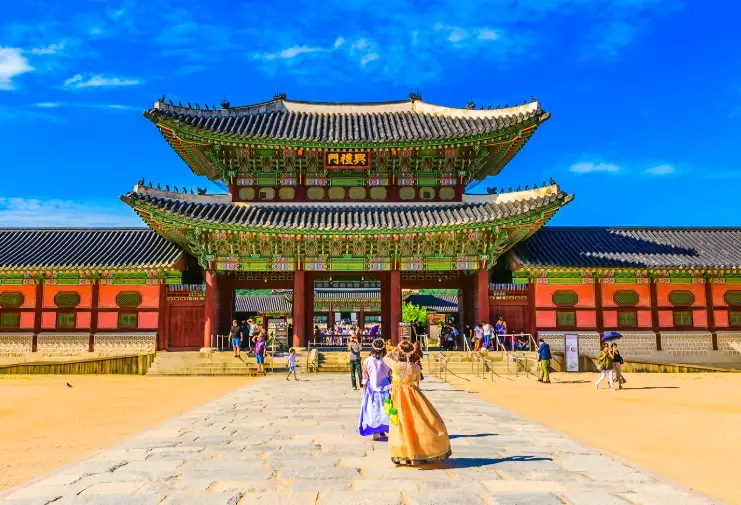
Getting Around: T-Money is Your Best Friend
The subway system is brilliant, clean, safe, and has English signs everywhere. Buy a T-Money card at any convenience store (CU, GS25, 7-Eleven), load it with cash, and tap for subway and buses. You get a small discount per trip and can use it in taxis and for buying snacks at convenience stores. Google Maps works decently, but Naver Map or KakaoMap are more accurate for walking directions and real-time bus info.
When to Go & What to Wear
Spring (April-May) and Autumn (late Sept-early Nov) are sublime. Summers (July-August) are brutally hot and humid, with monsoon rains. Winters (Dec-Feb) are dry and very cold, but Seoul under snow is magical. Pack layers regardless. Comfortable walking shoes are non-negotiable – you will walk miles. For temples and palaces, avoid overly revealing clothing out of respect (though it's not as strictly enforced as some guides claim).
Money & Tipping
Credit cards are accepted almost everywhere, even in taxis. However, some small market stalls, street food vendors, and older restaurants are cash-only. Always have some Korean Won on you. Tipping is not a custom in Korea. Don't leave money on the table. In nice hotels or with tour guides, it's sometimes appreciated but never expected.
Answering Your Seoul Questions (The FAQ Section)
Based on what I and other travelers always wonder.
Wrapping It Up: Your Seoul Game Plan
So, your mission for finding the best things to do in Seoul is simple. Mix the grand with the granular. Balance a morning at Gyeongbokgung with an afternoon in a quirky neighborhood like Ikseon-dong. Trade one fancy restaurant meal for a feast of street food at a market. Take a break from the shopping to hike a mountain in the city.
The city's magic is in its contrasts. It's fast but has pockets of profound peace. It's high-tech but deeply traditional. Your itinerary should swing between those poles. Don't get hung up on seeing everything. Pick what resonates with you, leave room to get lost down an alley, and let Seoul surprise you. That's when you find the best things to do – the ones that aren't even on the list.
Oh, and download KakaoMap. Seriously. Now go start planning.