Your Seoul Journey at a Glance
Let's be honest. Typing "korea places to go seoul" into Google throws a million options at you. Palaces, markets, towers, neighborhoods... it's overwhelming. I remember my first trip. I had a list longer than my arm and ended up exhausted, hopping from one famous spot to another without really soaking anything in. Not the best experience.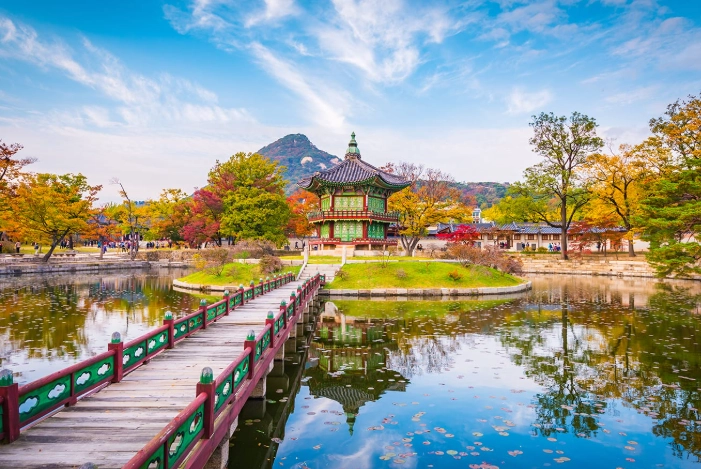
This guide is different. It’s not just a dry list. We're going to talk about the real Seoul—the one you experience when you slow down, get a little lost, and follow the smell of street food. We'll cover the iconic spots you can't miss, sure, but also the quieter corners and local haunts that give this city its incredible energy. Whether you're a history buff, a foodie, a shopaholic, or just someone who wants to feel the pulse of a 24-hour city, there are amazing places to go in Seoul for you.
Think of this as your chat with a friend who's been there, made the mistakes, and found the magic.
Seoul's Historic Heart: Where the Past Lives and Breathes
You can't talk about places to go in Seoul without starting with its history. This isn't history trapped behind glass; it's woven into the city's fabric. The Joseon Dynasty palaces are the obvious starting point, but there's more to it than just snapping a photo at the gate.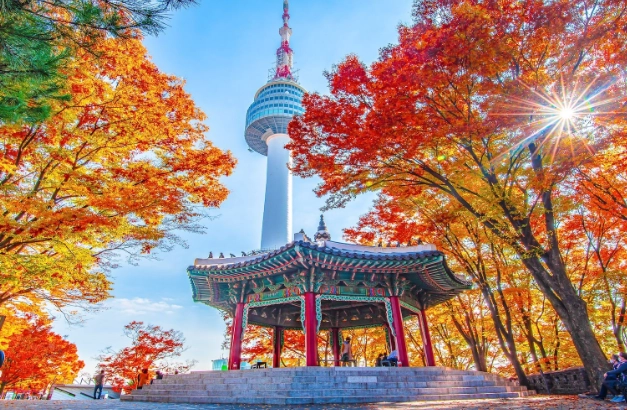
Gyeongbokgung Palace: The Grandest of Them All
Yes, it's on every list. For a reason. Gyeongbokgung is massive, imposing, and gives you that true "king's palace" feel. The key is timing. Get there for the opening ceremony (usually at 10 AM, but always double-check the official schedule). The changing of the guard is a colorful spectacle with traditional costumes and music—it’s cheesy in the best way and actually quite cool to see.
My tip? Don't just rush to the main throne hall. Wander to the back towards the Hyangwonjeong pavilion. That little pond with the hexagonal pavilion is my favorite spot in the whole complex, especially in autumn. It's quieter, and the reflection of the pavilion in the water is postcard-perfect.
Bukchon Hanok Village: A Living Neighborhood
This is the history I prefer. Bukchon isn't a museum; it's an actual residential neighborhood with hundreds of traditional Korean houses (hanok) nestled between Gyeongbokgung and Changdeokgung palaces. The maze of narrow, sloping alleys is beautiful.
But a warning. It's incredibly popular. Mid-day on a weekend, it feels less like a traditional village and more like a tourist procession. Go early in the morning. Like, 8 AM early. You'll have the cobblestone streets mostly to yourself, hear the locals starting their day, and get photos without a crowd in the background. Remember, people live here. Keep your voice down, don't peer into windows, and stay on the main designated paths.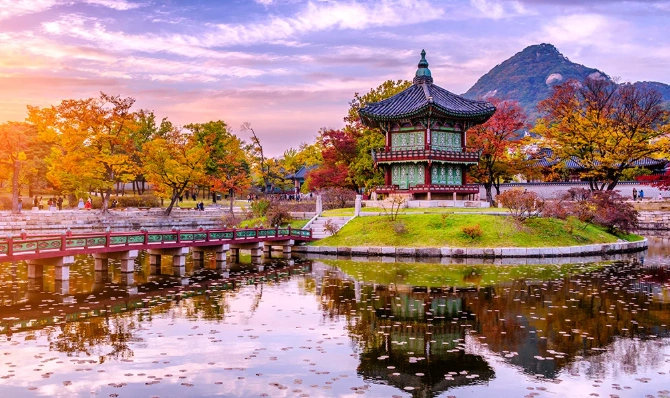
Changdeokgung and the Secret Garden (Huwon)
Many seasoned travelers argue this is the most beautiful palace in Seoul. It feels more organic, designed to blend with the natural topography rather than impose on it. The real gem, though, is the Huwon, or Secret Garden, at the back.
You can only enter the Secret Garden on a guided tour (they offer them in English, Korean, Chinese, and Japanese). You have to book in advance on their website. Is it worth the hassle and extra fee? Absolutely. For an hour, you walk through a serene, landscaped garden with ponds, pavilions, and ancient trees that once served as a private retreat for the royal family. It's a world away from the city bustle just outside the walls. This is one of those unique places to go in Seoul that feels truly special.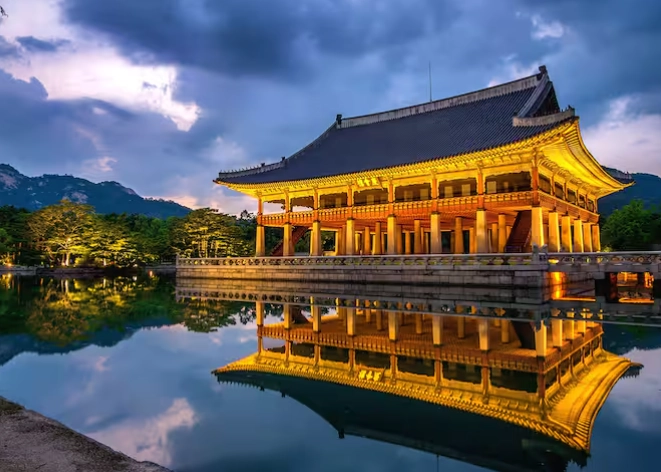
Here’s a quick comparison to help you choose which historic sites might be for you:
| Site | Best For | Atmosphere | Time Needed | My Personal Take |
|---|---|---|---|---|
| Gyeongbokgung | Grand spectacle, photography, changing of the guard ceremony. | Majestic, busy, sprawling. | 2-3 hours | The iconic must-do. Can feel crowded. Go early. |
| Bukchon Hanok Village | Atmospheric walks, photography, cultural immersion. | Charming, residential, can be very crowded. | 1-2 hours (just walking) | Beautiful but overtouristed. Sunrise visits are key. |
| Changdeokgung & Huwon | Serenity, garden beauty, guided historical insight. | Peaceful, natural, structured (due to tour). | 2.5-3 hours (with garden tour) | My favorite palace complex. The garden tour is a highlight. |
| Jongmyo Shrine | UNESCO World Heritage, solemn ritual space, architecture. | Somber, quiet, spiritual. | 1-1.5 hours | Underrated. A stark, powerful contrast to the ornate palaces. |
The Modern Beat: Neon, Noise, and Next-Level Shopping
Seoul does whiplash better than any city I know. You can walk out of a 14th-century palace gate and straight into a canyon of skyscrapers. The modern places to go in Seoul are all about energy.
Myeongdong: The Sensory Overload Supernova
Myeongdong is shopping and street food central. It's loud, packed, and smells like a mix of grilled cheese, cosmetics, and diesel. The main street is a gauntlet of beauty stores (Etude House, Innisfree, Olive Young) and international brands. But the real action is in the side alleys with their street food stalls.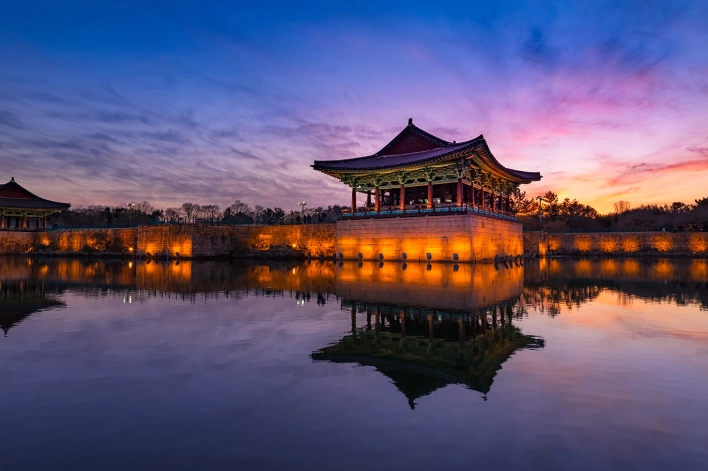
You haven't lived until you've tried tornado potato (a spiral-cut potato on a stick), hotteok (a sweet, syrupy filled pancake—get the nutty one), and maybe some dakkochi (chicken skewers). Bring cash for the street vendors. And wear comfortable shoes—you'll be standing in lines and navigating crowds.
Hongdae: Youth, Art, and Indie Vibes
Hongdae, named for Hongik University, is where the city's creative pulse beats fastest. It's younger, cooler, and more alternative than Myeongdong. Think indie bands playing in tiny basement clubs, quirky clothing boutiques run by local designers, and street performers doing everything from K-pop dance covers to impressive magic tricks.
Come here in the evening. The streets light up, the music gets louder, and the atmosphere is just electric. Hongdae is also a great place to experience a norebang (karaoke room) with friends. Even if you can't sing a note, it's a blast.
Gangnam: The Glamorous Side
Yes, that Gangnam from the song. This is Seoul's wealthy, sleek, business-and-plastic-surgery district. It's all about wide boulevards, luxury brands, high-end cafes, and a more polished, if slightly sterile, atmosphere. The COEX Mall is here, home to the famous Starfield Library—a massive multi-story library in the middle of a shopping mall. It's an impressive sight, even if it feels a bit like a staged Instagram backdrop.
Gangnam is worth a visit to see this side of Seoul, but for me, it lacks the gritty, organic charm of places north of the Han River. It feels more like any other global financial district after a while.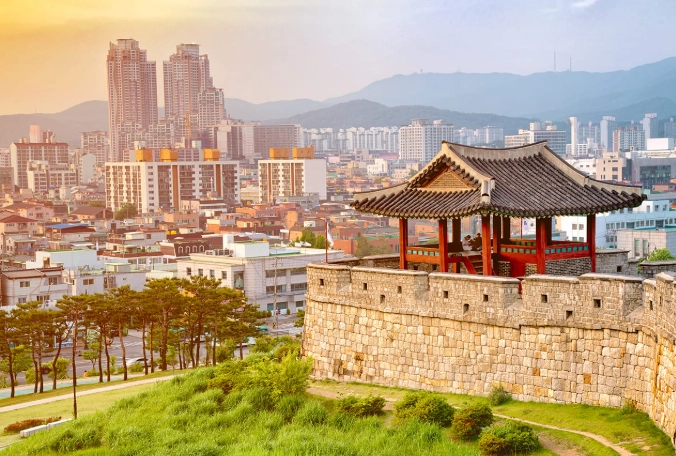
But don't just stay in the shiny parts. Sinsa-dong's Garosu-gil street, while trendy, has some lovely tree-lined sections and interesting boutiques. And if you're into nightlife, the clubs in Gangnam are a different, more upscale scene than Hongdae's indie spots.
Nature, Views, and a Breath of Fresh Air
Seoul is a concrete jungle, but it's a jungle with amazing lungs. You're never far from a mountain, park, or river. These are the essential places to go in Seoul when you need a break from the urban intensity.
Namsan and N Seoul Tower
Namsan is the mountain in the center of the city, topped by the iconic N Seoul Tower. You can hike up (it's a pleasant, well-paved trail popular with locals), take a bus, or ride the cable car. The cable car is fun but gets insanely crowded. The view from the top, especially at night, is the classic panoramic shot of Seoul.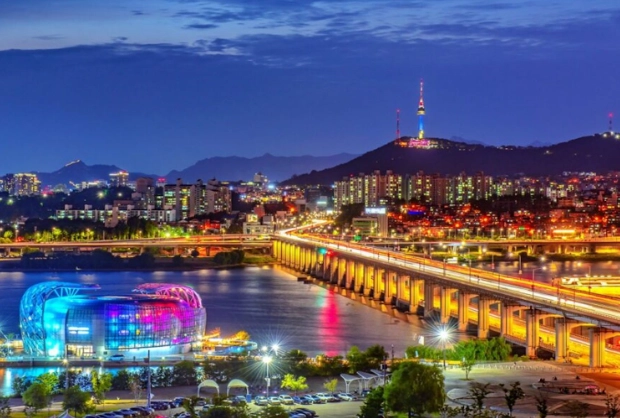
My advice? Go for the hike. It's a real slice of local life. You'll see everyone from power-walking ajummas (older ladies) to couples on dates. The tower itself—you can pay to go up to the observation deck, but the views from the base platform are already spectacular. The famous "love lock" fences are here, a rusting, colorful monument to romance.
The Han River (Hangang) Parks
The Han River cuts through Seoul, and its banks are lined with massive, well-maintained parks. This is where Seoulites go to bike, picnic, rollerblade, and just hang out. You can rent a bicycle (the public rental bikes are cheap and easy with a T-money card) and cruise for miles on dedicated paths.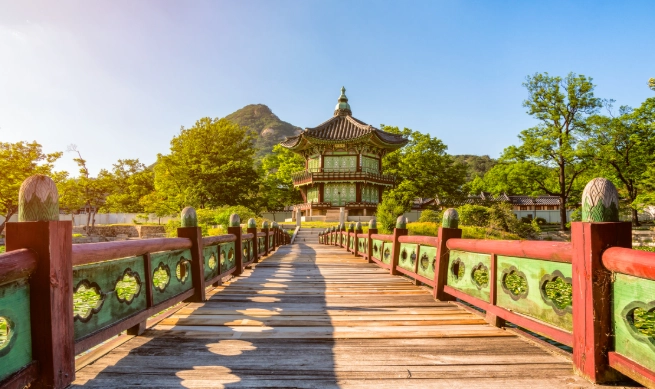
The classic Seoul activity is to get a convenience store picnic. Go to a GS25 or CU, buy a mat, some kimbap, fried chicken, and beer, and plop down by the river as the sun sets. It's simple, cheap, and utterly delightful. Yeouido Hangang Park is huge and popular, but I'm partial to the areas near Banpo Bridge for the famous Moonlight Rainbow Fountain show in the evening.
Quick-Fire Q&A: Your Seoul Trip Planning
Q: What's the best time of year to visit these places to go in Seoul?
A: Autumn (late September to November) is hands-down the winner. The weather is crisp and perfect for walking, the skies are clear, and the fall foliage, especially around the palaces and Namsan, is stunning. Spring (April to early June) is a close second with cherry blossoms, but it can be crowded and rainy. Summer is hot and humid, winter is cold but has its own charm with fewer tourists.
Q: How do I get around between all these places to go in Seoul?
A: The subway system is brilliant—clean, safe, efficient, and signs are in English. Get a T-money card (sold at any convenience store in the stations), load it with cash, and tap in and out. It works on subways, buses, and even taxis. Naver Map or KakaoMap apps are far more accurate than Google Maps for navigation in Korea.
Q: I'm on a tight budget. Are there still good places to go in Seoul?
A: Absolutely. Many of the best experiences are free or cheap: hiking Namsan, exploring the Han River parks, wandering through Insadong or Bukchon (free to walk), visiting the free museums like the National Museum of Korea or the War Memorial. Street food is your friend for cheap, delicious eats.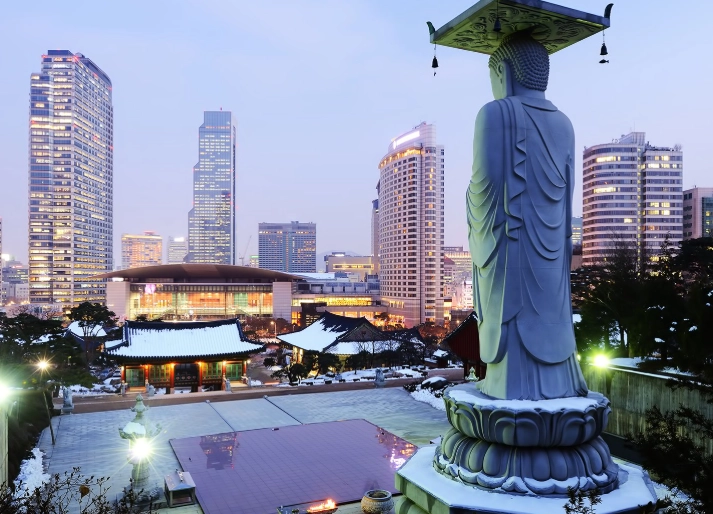
Beyond the Checklist: Markets, Food, and the Real Seoul
If you only stick to the top 10 listicles, you'll miss the soul of the city. To truly find the best places to go in Seoul, you have to dive into its daily rhythms.
Gwangjang Market: A Feast for the Senses
Gwangjang Market is a sprawling, noisy, glorious maze of food stalls under one roof. This is where you come for authentic Korean street food. Sit on a tiny stool at a counter and point at what looks good. Must-tries: bindaetteok (mung bean pancakes), mayak gimbap (tiny, addictive rice rolls), and yukhoe (Korean-style beef tartare if you're feeling brave). It's packed with locals and tourists alike, and the energy is just incredible. It's been featured on all those food shows for a reason.
Insadong: For Traditional Crafts and Tea
Insadong's main street, Insadong-gil, is the go-to place for traditional Korean crafts, antiques, art supplies, and tea. It's touristy, but in a more refined way than Myeongdong. Look for handmade hanji paper, traditional ceramics, and cute souvenirs. The real treasure is in the alleys: find a traditional teahouse (찻집). They're often in old hanok buildings, quiet and serene. Order a pot of omija (five-flavor berry) tea or sujeonggwa (cinnamon punch) and just relax. It's a perfect afternoon break.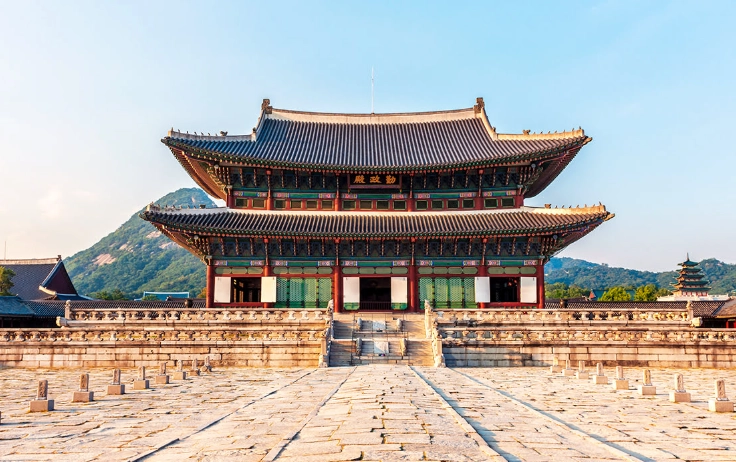
A Night in a Jimjilbang (Korean Sauna)
This isn't just a place to go; it's a cultural immersion. A jimjilbang is a Korean bathhouse/spa/sauna complex. For a modest fee (usually 10,000-15,000 won), you get access to gender-segregated baths (nude—you get over it quickly) and a common area with various dry saunas (salt, clay, ice, etc.), sleeping rooms, and a cafeteria. It's where locals go to relax, socialize, and even spend the night if they miss the last train home.
It can be intimidating at first. The etiquette is key: shower thoroughly before getting in the baths, don't splash, and in the common area, everyone wears the provided uniform (shorts and t-shirt). Try the sauna eggs (ggyeshiran) and sikhye (sweet rice drink). Dragon Hill Spa or Siloam Sauna are popular with foreigners and locals. It's one of the most uniquely Korean experiences you can have.
It's a layered city where a cutting-edge digital media city exists a subway stop away from a Buddhist temple that's centuries old. The best places to go in Seoul aren't just attractions; they're entry points into different aspects of Korean life—the reverence for tradition, the frenetic pace of modern ambition, the deep-seated love for community and food.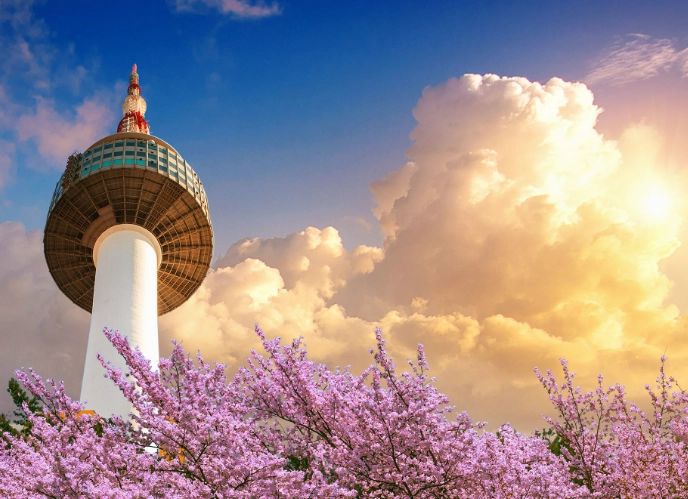
So, when you search for "korea places to go seoul," remember you're not just planning an itinerary. You're piecing together an encounter with a city that will challenge, delight, and exhaust you in the best possible way. Start with the big sights to get your bearings, but then let yourself wander. Follow a side street that looks interesting. Pop into a cafe that's full of locals. Sit by the river with a beer. That's when you'll move from seeing Seoul to feeling it. And that list of places to go in Seoul you started with? It will become your own personal map of memories.
Reader Comments