Explore Seoul: Key Highlights
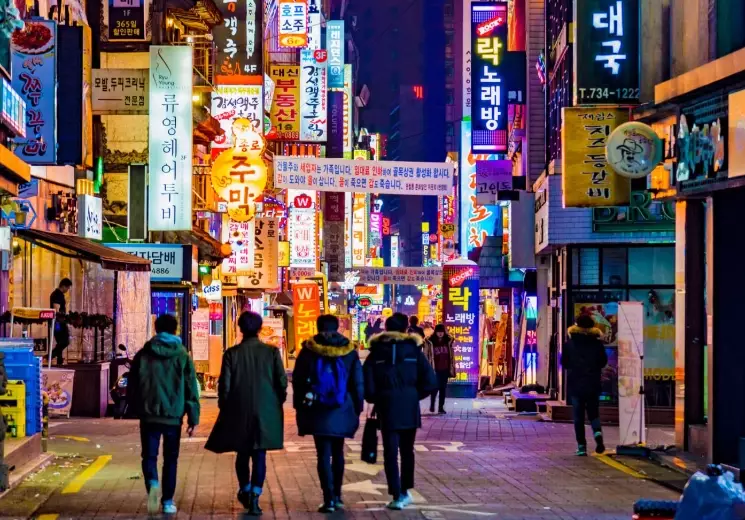
So you're planning a trip and wondering what to do in Seoul South Korea. Let me guess – you've seen the pictures of Gyeongbokgung Palace, heard about Myeongdong shopping, and maybe you're curious about that weird cafe with raccoons. But there's a whole other layer to this city that most travel blogs just skim over.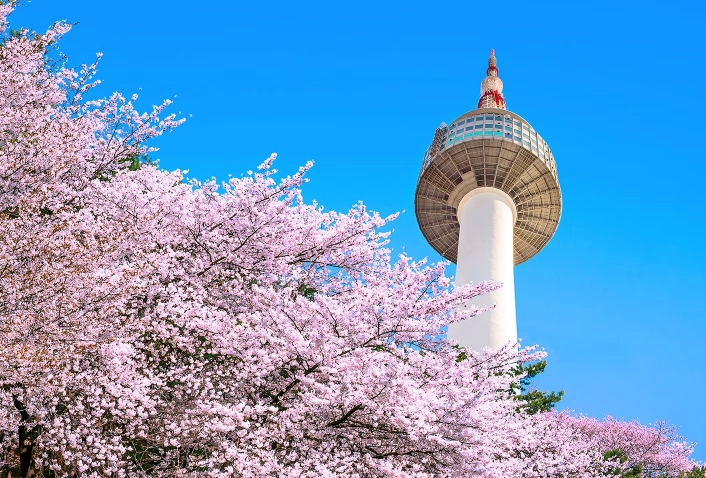
I've lost count of how many times I've been to Seoul. It's one of those places that sneaks up on you. The first visit is all about the major sights, sure. But it's the third, fourth, fifth visit where you start finding the quiet alleys behind the temples, the hole-in-the-wall restaurants with no English menu, the viewpoint that isn't on any map. That's the Seoul I want to show you.
This isn't a listicle. It's a conversation. We're going to talk about the can't-miss stuff, obviously. But we're also going to dig into the things that make Seoul feel alive – the late-night food tents, the hidden art villages, the peaceful escapes right in the middle of the urban chaos. Figuring out what to do in Seoul South Korea is less about checking boxes and more about finding your own rhythm in this incredibly dynamic city.
Ready? Let's get into it.
The Core of the City: History, Culture, and That Palace Everyone Talks About
You can't talk about what to do in Seoul without mentioning the palaces. They're iconic for a reason. But visiting them smartly makes all the difference.
Gyeongbokgung Palace: The Main Event
This is the big one. The main palace. It's massive, impressive, and yes, crawling with tourists. Go anyway. My advice? Get there right when it opens. The light is beautiful, the crowds are thin, and you can actually hear the crunch of gravel under your feet. The changing of the guard ceremony is worth timing your visit for – it's colorful and precise in a way that feels genuinely ceremonial, not just a show for tourists.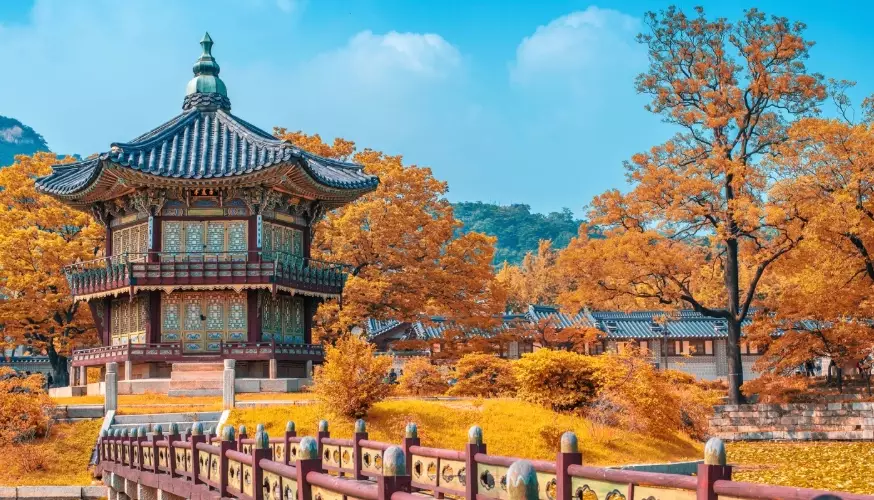
A quick personal gripe: the palace grounds are huge. Wear comfortable shoes. I made the mistake of wearing new sneakers once and regretted it by the first courtyard. Also, rent the hanbok (traditional Korean dress). It seems cheesy, but it gets you free admission and makes for great photos without the modern jackets and backpacks in your shot.
Right next door, you have the National Museum of Korea and the National Folk Museum. Both are fantastic if you want context. The Folk Museum, in particular, does a great job of showing how people actually lived, which makes the grand palace feel even more impressive.
Bukchon Hanok Village: Picturesque but… Complicated
This is the famous traditional Korean village nestled between Gyeongbokgung and Changdeokgung palaces. The maze of alleys with restored hanok houses is stunning. It's also a real, living neighborhood. This is where the conflict lies.
That said, it's beautiful. Go early, wander slowly, and consider booking a stay in a hanok guesthouse to experience it after the day-trippers leave. That's when the magic happens.
Changdeokgung Palace & the Secret Garden
Many people, myself included, actually prefer this to Gyeongbokgung. It feels more intimate, more integrated with the natural landscape. The real star is the Huwon (Secret Garden) at the back. You can only enter on a guided tour (book in advance on their website), but it's 100% worth it. It's a sprawling, designed landscape of pavilions, ponds, and ancient trees that feels a world away from the city.
Thinking about what to do in Seoul South Korea for a half-day? A combo of Changdeokgung (with the Secret Garden tour) and a stroll through Bukchon is perfect.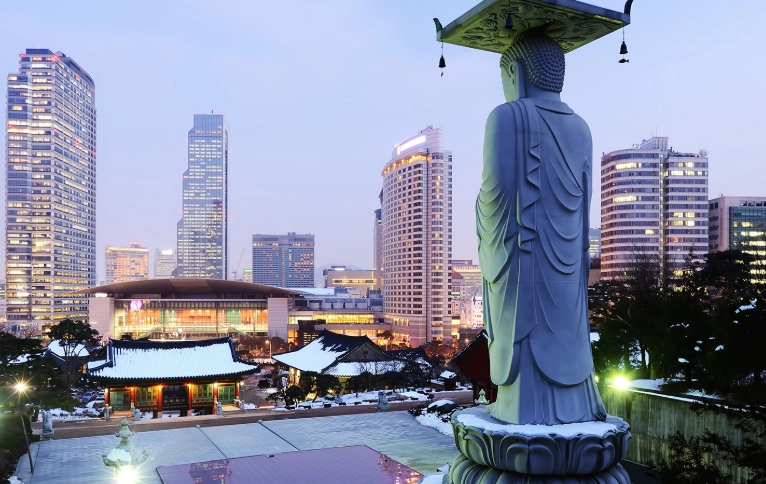
Seoul's Neighborhoods: Find Your Vibe
Seoul is a city of distinct neighborhoods, each with its own personality. Your answer to "what to do in Seoul" will depend entirely on which one you're in.
| Neighborhood | Vibe | Best For | Avoid If You Hate |
|---|---|---|---|
| Myeongdong | High-energy, commercial, tourist-central | Skincare & cosmetics shopping, street food galore, people-watching | Crowds, aggressive vendors, generic chain stores |
| Hongdae | Youthful, creative, indie, nightlife | Live music, quirky cafes, street performances, club hopping, affordable fashion | Extreme noise after dark, feeling old (just kidding… mostly) |
| Insadong | Traditional, artsy, cultural | Buying souvenirs (hanji paper, ceramics, teas), traditional tea houses, galleries | Feeling like you're in a tourist trap (some parts are) |
| Itaewon | International, diverse, trendy | Global cuisine, boutique shopping, lively bars, LGBTQ+ friendly scene | Looking for a "pure" Korean experience (it's proudly multicultural) |
| Ikseon-dong | Hip, hidden, photogenic | Unique hanok cafes, small boutiques, intimate dining, getting lost in alleys | Needing clear signage or large spaces |
| Gangnam | Upscale, sleek, modern | High-end shopping, luxury brands, plastic surgery clinics (seriously), coffee in sleek cafes | Budget travel, casual vibes |
My personal favorite? It changes. For energy, Hongdae is unbeatable. I once spent a whole afternoon just watching the university students' dance crews perform near the main square – the talent is insane. For a quiet afternoon, Ikseon-dong. You turn a corner and find a tiny hanok selling handmade jewelry, then another selling artisan toast. It feels like a secret.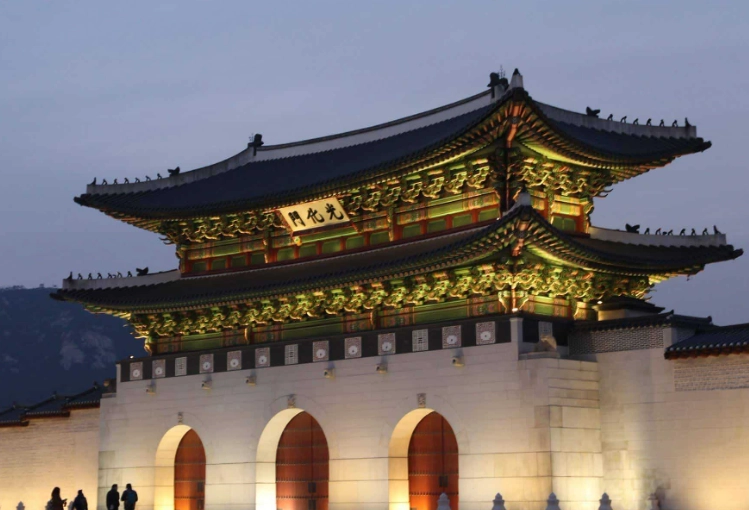
Itaewon gets a bad rap sometimes for being too foreign, but I love its energy. The food options are incredible – you can get proper Turkish kebabs, Mexican tacos, and Indian curries all on one street. After years of Korean food (which I love), sometimes you just want a break.
Food. Let's Talk About Food.
Honestly, you could come to Seoul just to eat and have a perfect trip. Deciding what to do in Seoul South Korea is largely deciding what to eat next. The food scene is that good.
Non-Negotiable Must-Eats
- Korean BBQ (Gogigui): This is the experience. Don't just go to the fancy places. Find a local spot with metal vents hanging from the ceiling, order some samgyeopsal (pork belly) or galbi (marinated short ribs), and grill it yourself. Wrap it in lettuce with garlic, ssamjang (paste), and maybe a bit of kimchi. Perfection.
- Kimchi Jjigae: A spicy, hearty stew of kimchi, tofu, pork, and vegetables. It's comfort food. The best ones are often in unassuming places. If it's boiling in a stone pot when it arrives, you're in the right place.
- Bibimbap: The famous mixed rice bowl. The version at the Cultural Heritage Administration-recognized restaurants in Jeonju (a city known for it) is special, but Seoul has great ones too. The key is the gochujang (red chili paste) and the crispy rice at the bottom of a hot stone bowl (dolsot).
- Street Food: Myeongdong is the temple, but you'll find stalls everywhere. Hotteok (sweet filled pancakes), tteokbokki (spicy rice cakes), odeng (fish cake skewers in broth), and twigim (assorted fried things). Don't be shy.
One of my best food memories isn't from a restaurant. It was from a pojangmacha – a tented street food stall – near Dongdaemun at 2 AM. We had soju, spicy stir-fried baby octopus (nakji bokkeum), and just watched the city buzz around us. That's Seoul.
A word on drinking culture.
It's big here. Soju is the national drink (a clear, slightly sweet spirit). It's cheap and goes down easy, which is why it's dangerous. Makgeolli (milky rice wine) is my personal favorite – it's slightly fizzy, a bit sweet and sour, and pairs amazingly with pajeon (savory scallion pancake).
Beyond the Beaten Path: The Hidden Gems
Okay, you've seen the palaces and eaten the BBQ. Now what? This is where your search for what to do in Seoul South Korea gets really fun.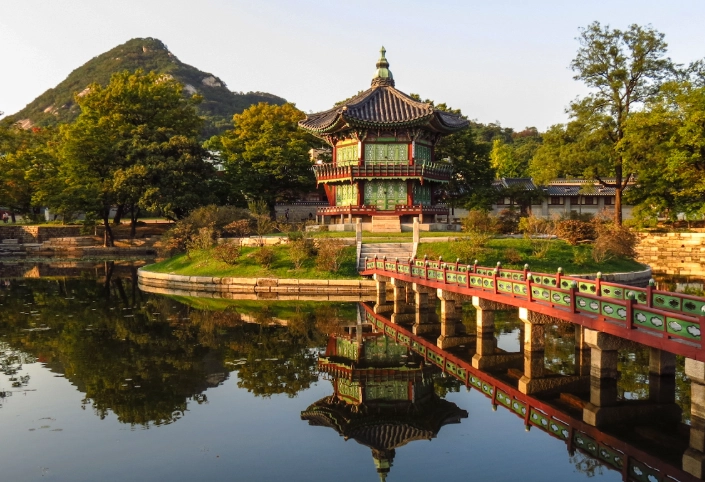
Seoul's Unexpected Green Spaces
Seoul is surrounded by mountains, and they're all accessible by public transport. Bukhansan National Park is literally within the city limits. A hike up to one of its peaks (like Baegundae) rewards you with insane views of the sprawling metropolis. It's a proper hike, though – bring water and good shoes.
For something less intense, Namsan Park and the N Seoul Tower are classics. The tower itself is a bit overpriced and crowded, but the walk up through the park is lovely. There's a free elevator partway up the mountain from the Myeongdong side. Little known fact.
Along the Han River, you can rent bikes, have a picnic (convenience stores sell picnic mats!), or just watch the city lights reflect on the water at night. The Banpo Bridge Moonlight Rainbow Fountain show is cheesy but kind of wonderful.
Arts, Quirks, and Unique Experiences
- Dongdaemun Design Plaza (DDP): This Zaha Hadid-designed building looks like a giant, futuristic alien spaceship. It's worth seeing just for the architecture. They have cool design exhibitions and a market sometimes.
- Common Ground: A shopping complex made entirely of stacked blue shipping containers. It's trendy, full of indie brands and cafes, and just looks cool.
- Seonjeongneung: A serene UNESCO World Heritage site – the tombs of Joseon-era kings. It's a huge, peaceful park in the middle of Gangnam's skyscrapers. The contrast is surreal.
- Silent Disco Tours: Yeah, it's a thing. You put on headphones and dance through the streets with a guide. It's as weird and fun as it sounds.
Practical Stuff You Actually Need to Know
All this talk about what to do in Seoul South Korea is useless if you can't get around or get confused by the basics.
Getting Around is Stupid Easy
The subway system is one of the best in the world. Signs are in Korean and English. Get a T-money card (sold at any convenience store), load it up, and tap in and out. It works on subways and buses. Google Maps works okay, but Naver Map or KakaoMap (download the apps) are far more accurate for walking directions and local searches.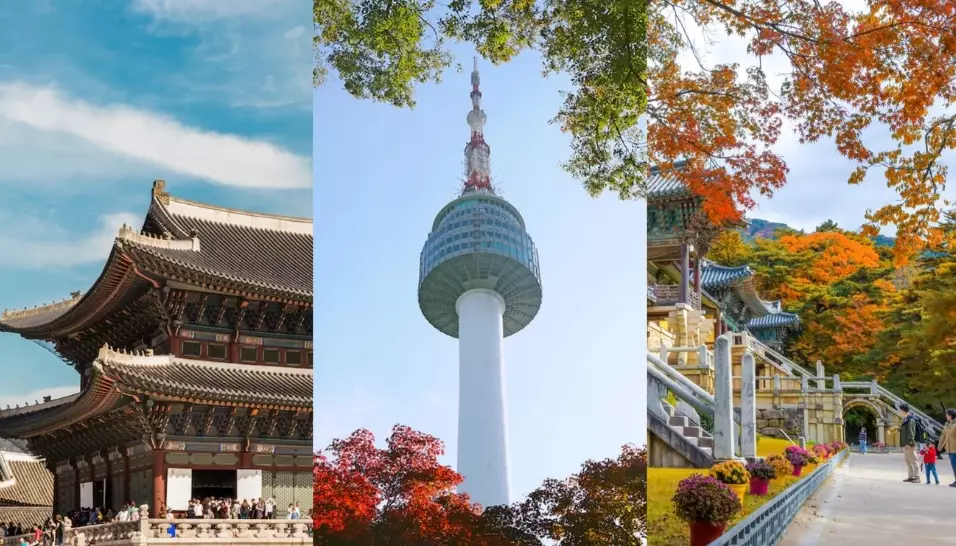
Taxis are cheap. The orange or silver ones (ilban taxi) are standard. Black ones are deluxe and cost more. You can hail them or use the Kakao T app (like Uber).
Money, Language, and Etiquette
Credit cards are accepted almost everywhere, even in taxis. But carry some cash for street food and small markets. Tipping is not a thing. Don't do it. It can confuse people.
Learning a few Korean phrases goes a long way. Annyeonghaseyo (hello), kamsahamnida (thank you), and jogiyo (excuse me, to call someone) will get you smiles. Younger people in tourist areas often speak decent English.
Etiquette basics: Receive things (money, cards, gifts) with two hands or with your right hand supported by your left. Don't stick your chopsticks upright in your rice (it's a funeral rite). Pour drinks for others, not yourself, and let others refill yours.
Answering Your Burning Questions
Is Seoul expensive?
It can be, but it doesn't have to be. Accommodation is your biggest cost. Food can be incredibly cheap if you eat like a local (street food, casual diners). Public transport is affordable. You can have a luxurious trip or a very budget-friendly one.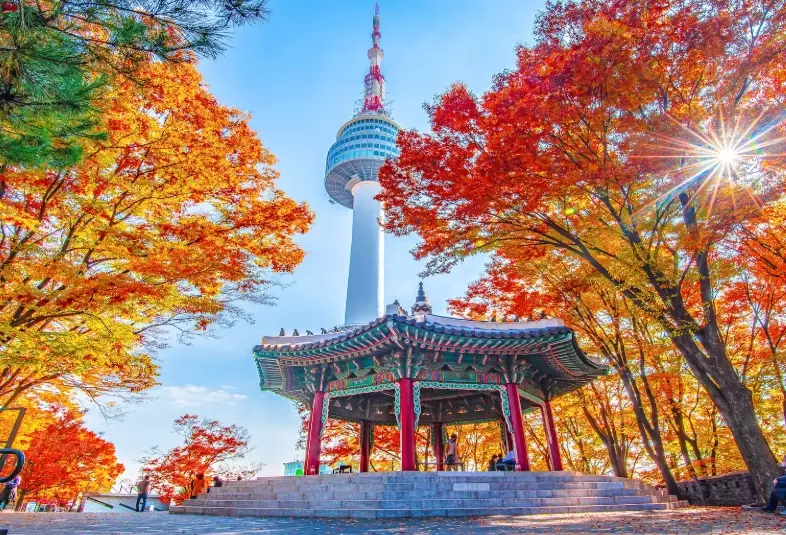
How many days do I need?
Absolute minimum? 3 full days to hit the major highlights. Comfortable? 5-7 days. This allows you to explore different neighborhoods, take a day trip (like to the DMZ or Suwon's Hwaseong Fortress), and not feel rushed.
What's the best time to visit?
Spring (April-May) and Autumn (September-October) are perfect. The weather is mild, and the foliage (cherry blossoms in spring, colorful leaves in fall) is stunning. Summer is hot and humid with monsoon rains. Winter is cold but dry, and you might get beautiful snow on the palaces.
Is it safe?
Incredibly safe. You can walk around at night with very little worry. Petty crime is low. Just exercise normal big-city caution with your belongings in crowded places.
What about a day trip to the DMZ?
It's a unique, sobering experience. You have to book a guided tour – you can't go alone. Tours go to places like the Joint Security Area (JSA, where you can technically step into North Korea), infiltration tunnels, and observatories. Book well in advance, as spots fill up and tours can be cancelled due to political tensions. It's less about fun and more about understanding the profound division that defines the peninsula.
Wrapping It Up: Making It Your Own
So, what to do in Seoul South Korea?
The list is endless.
You could spend a week cafe-hopping in Hongdae. You could dedicate days to hiking every mountain. You could eat your way from one market to the next. The beauty of Seoul is that it offers layers.
My final piece of advice? Leave room for getting lost. Some of my favorite memories are from taking a wrong turn, ending up in a residential alley, finding a tiny park no one else was in, or following the smell of food to a restaurant full of locals where I had to point at the menu.
Use this guide as a starting point. Mix the iconic with the obscure. Balance history with hyper-modernity. Eat everything. And don't stress too much about seeing it all. Seoul has a way of pulling you back. You'll start planning your next trip before you've even left.
That's the real secret of what to do in Seoul South Korea. You come for the sights, but you return for the feeling.