Quick Navigation
- Before You Go: Setting the Stage for Your Seoul Adventure
- The Non-Negotiables: Core Must-Do Things in Seoul
- Beyond the Guidebook: Deeper Must-Do Experiences
- The Modern Pulse: Must-Do Things in Seoul's Contemporary Culture
- Putting It All Together: A Sample Seoul Itinerary Framework
- Seoul Travel FAQs: Answering Your Real Questions
- Final Thoughts: Your Seoul Awaits
Let's be real. Planning a trip to Seoul can feel overwhelming. You've seen the K-dramas, you've heard about the food, and your Instagram is flooded with pictures of cute cafes and neon-lit streets. But when you sit down to actually plan your itinerary, the question hits you: what are the must-do things in Seoul that are worth your time, and what's just hype?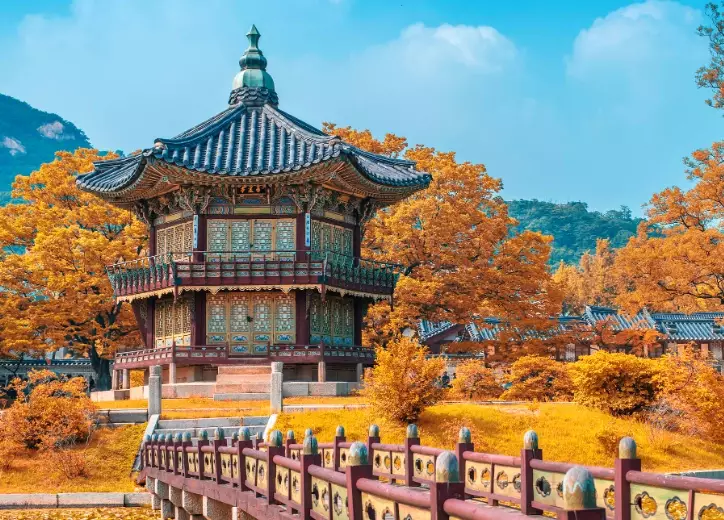
I've been there, scratching my head, trying to fit everything in. After several trips and a lot of trial and error (including getting hopelessly lost in subway station exits more times than I'd like to admit), I've pieced together what really matters.
This isn't just another list. Think of it as a chat with a friend who's been there, made the mistakes, and found the gems. We'll cover the iconic stuff you can't skip, the local favorites that fly under the radar, and the practical stuff nobody tells you. From palace etiquette to nailing the perfect street food order, let's dive into the heart of Seoul.
Before You Go: Setting the Stage for Your Seoul Adventure
Jumping straight into the sights is tempting, but a tiny bit of prep makes everything smoother. Seoul is a brilliantly organized chaos, and knowing a few basics is a game-changer.
First, get a T-money card. Seriously, do this as soon as you land at Incheon Airport. It's a rechargeable card for the subway, buses, and even taxis. It saves you from fumbling for change and gets you small discounts. You can buy and top it up at any convenience store (CU, GS25, 7-Eleven) inside the subway stations.
Download these two apps: Naver Map and Papago. Google Maps is notoriously unreliable for walking directions in Korea due to government restrictions. Naver Map is the local king—it shows every alley, tells you which subway exit to use (crucial info!), and has accurate bus times. Papago is for translation. It's better than Google Translate for Korean, especially for reading menus or signs with a camera scan.
Seoul is massive and divided by the Han River. North of the river (Gangbuk) is where you find the historical core: palaces, traditional villages, Insadong. South of the river (Gangnam) is the glitzy, modern face: towering skyscrapers, upscale shopping, and trendy districts. Plan your days geographically to avoid spending half your time on the subway.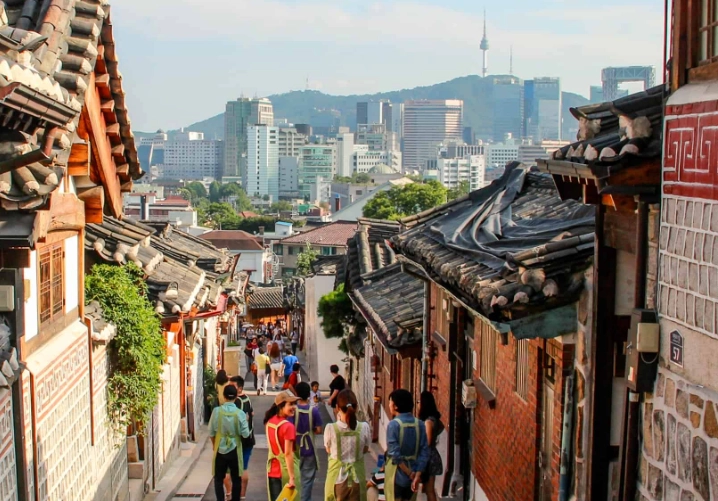
The Non-Negotiables: Core Must-Do Things in Seoul
These are the pillars. The experiences that define Seoul. You can't talk about must-do things in Seoul without them.
Step Back in Time: The Grand Palaces & Bukchon
Seoul's palaces are more than just photo ops; they're serene escapes from the urban buzz. Gyeongbokgung is the grandest, but it's also the most crowded.
My personal favorite is Changdeokgung, specifically its Secret Garden (Huwon). You need to book a guided tour for the garden in advance on the official palace website, but it's worth the hassle. The guided tour is the only way in, and it feels like stepping into a Joseon-era painting. The tranquility is unreal.
Here's a quick cheat sheet to pick your palace:
| Palace | Vibe | Best For | My Take |
|---|---|---|---|
| Gyeongbokgung | Grand, Official, Ceremonial | First-timers, the changing of the guard ceremony, iconic Gwanghwamun Gate. | Impressive but packed. Go right at opening (9 AM) to beat the tour groups. |
| Changdeokgung & Huwon | Harmonious with nature, intimate, serene | Photography, a peaceful walk, history buffs who want more depth. | The Secret Garden tour is a top 3 Seoul experience for me. Book ahead! |
| Deoksugung | A unique blend of Korean and Western architecture | A shorter visit, seeing a contrast in styles, a city-center location. | Great if you're short on time. The stone-wall road beside it is famously scenic. |
After the palaces, wander into Bukchon Hanok Village. It's a residential area with hundreds of traditional Korean houses (hanok). It's beautiful, but remember, people live here. Keep your voice down, don't peek into windows, and stay on the main designated paths. The views over the tiled roofs towards modern skyscrapers are magical at sunset.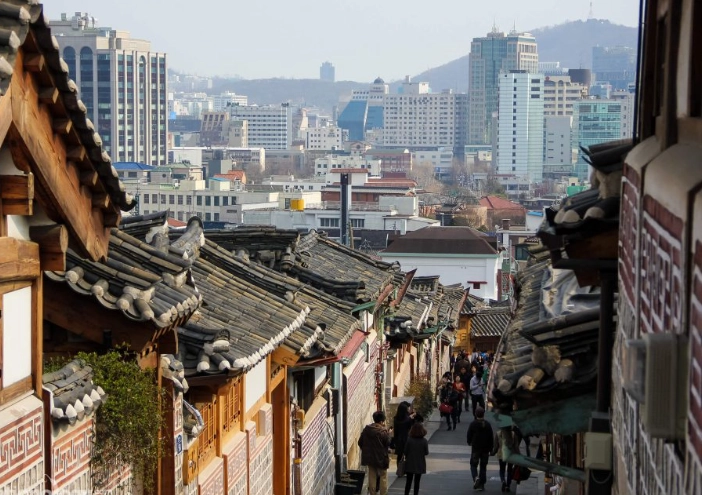
Get Lost in a Market: Myeongdong vs. Insadong vs. Gwangjang
Markets are the pulsating heart of Seoul. Each has a totally different personality.
- Myeongdong: This is sensory overload in the best way. It's all about street food, youth fashion, and skincare shops. Come hungry. The street food here is a spectacle—from tornado potatoes and grilled cheese lobster to giant ice cream cones. It's touristy, yes, but it's a vibrant, energetic kind of touristy that's fun for an evening. Don't just shop; eat.
- Insadong: Think of Insadong as the cultural cousin to Myeongdong's hype. The main street, Insadong-gil, is lined with tea houses, antique shops, calligraphy stores, and galleries. It's the place to buy traditional souvenirs like hanji (paper) crafts, ceramics, or stamps with your name in Korean. Pop into Ssamziegil, a quirky multi-story market with little indie craft shops spiraling up around a courtyard.
- Gwangjang Market: This is the real deal. One of the oldest markets, it's where locals go for fabric and, most famously, food. The food alley here is legendary. You sit on stools at packed stalls. This is where you try bindaetteok (mung bean pancakes) crispy on the outside, soft inside, and mayak gimbap ("drug" kimbap—they're that addictive). It's less polished, more authentic, and the energy is raw. A true must-do in Seoul for food lovers.
Beyond the Guidebook: Deeper Must-Do Experiences
Once you've checked the big sights off, it's time to see the city through a different lens.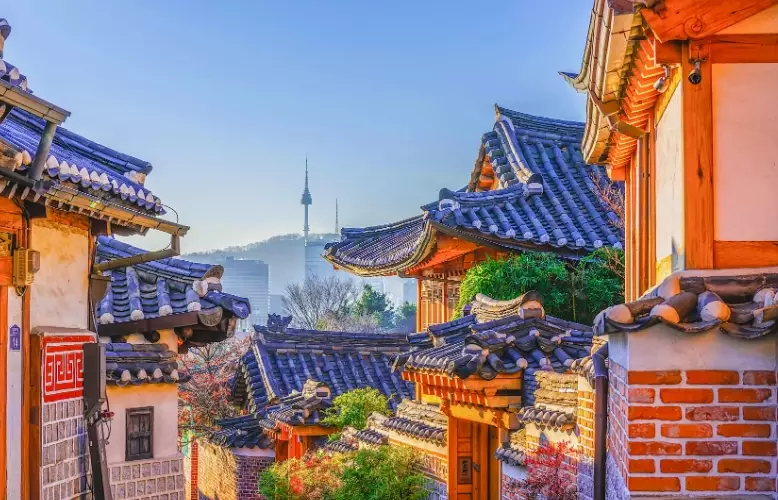
Seoul from Above: The Best Views (That Aren't N Seoul Tower)
Everyone says to go up N Seoul Tower. The views are fine, but the lines are long, and it feels a bit like a theme park attraction. For a more interesting perspective, try these:
- Lotte World Tower & SEOUL SKY: This is currently the tallest building in Korea. The view from the 118th-floor observatory is mind-blowing. You see the entire urban sprawl, the river snaking through, and the mountains hugging the city. It's expensive, but on a clear day, it's worth it. Book tickets online to skip some queues.
- Bugak Skyway Palgakjeong Pavilion: This is a local secret. You can take a bus or taxi up to this pavilion on Bugak Mountain. The view over the Blue House (former presidential residence) and central Seoul is stunning, and it's completely free. It's a popular dating spot at night.
- A Roof-Top Cafe in Ikseon-dong: For a low-key view, find a cafe in Ikseon-dong (a trendy hanok village filled with cafes and boutiques). Many have roofs where you can sip a latte while looking over a sea of traditional tiled roofs. It's intimate and charming.
N Seoul Tower isn't bad, but if you go, take the cable car up for the experience, or better yet, hike up through Namsan Park. The tower itself feels dated inside.
The Foodie Deep Dive: It's More Than Just BBQ
Korean BBQ is a must, of course. Go to a local neighborhood spot, not a fancy hotel restaurant. Look for places packed with Koreans after work, where the smoke and chatter fill the air. But let's talk about the other must-do things in Seoul for food.
Korean Fried Chicken and Beer (Chimaek): This isn't KFC. This is double-fried perfection—crackling-crispy skin, juicy meat, and flavors like soy garlic or spicy yangnyeom. Pair it with an icy-cold Korean beer (Cass, Hite) or a local craft brew. It's a cultural ritual. My go-to chain is BHC (their "Bburinkle" cheese-dusted chicken is wild), but any busy local joint will do.
A Proper Korean Breakfast: Skip the hotel buffet. Find a neighborhood soup shop. Start your day like a local with seolleongtang (ox bone soup, milky-white and comforting) or galbitang (beef short rib soup). It's nourishing, delicious, and will fuel you for hours of walking.
Dessert Adventures: Korean desserts are an event. Try bingsu—shaved milk ice with sweet red bean, fruit, or cheesecake toppings. Sulbing is a famous chain. Also, hunt down a hotteok stall. This fried dough pocket filled with melted brown sugar, cinnamon, and nuts is winter street food heaven.
The Modern Pulse: Must-Do Things in Seoul's Contemporary Culture
Seoul lives in the future. To miss this side is to miss half the city's soul.
Gangnam & the Trendy Districts
Gangnam is more than just a Psy song. It's a sprawling district of wealth, tech, and style. Starfield COEX Mall is here, home to the famous Starfield Library—a massive multi-story atrium filled with bookshelves. It's a great photo spot. Gangnam's real vibe is in areas like Garosu-gil (tree-lined street with designer shops and cafes) and Sinsa-dong.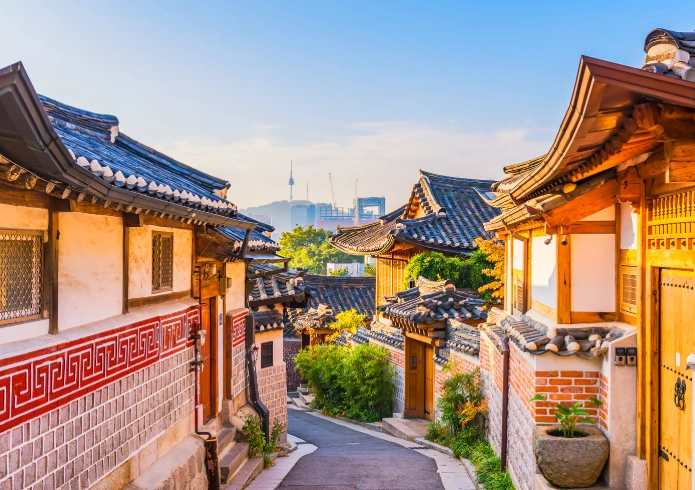
But for cutting-edge trends, I prefer Hongdae. It's the university district, buzzing with youthful energy. You'll find indie streetwear brands, live music clubs (from indie rock to jazz), and quirky themed cafes (animal cafes, board game cafes, even a poop-themed cafe). At night, street performers take over the plaza. It's chaotic, creative, and endlessly entertaining.
Itaewon has transformed. Historically the international district, it's now a hub of global cuisine, chic cocktail bars, and a vibrant LGBTQ+ friendly nightlife. The main strip can get rowdy on weekends, but the surrounding hillside alleys ("Itaewon-ro 26-gil") hide some of the city's best small restaurants and wine bars.
The Art & Design Scene
Seoul's art scene isn't confined to museums. Dongdaemun Design Plaza (DDP), designed by Zaha Hadid, is an architectural marvel. Its flowing, metallic curves are stunning day or night. Check their website for often-excellent exhibitions. The surrounding Dongdaemun History & Culture Park is a nice place to relax.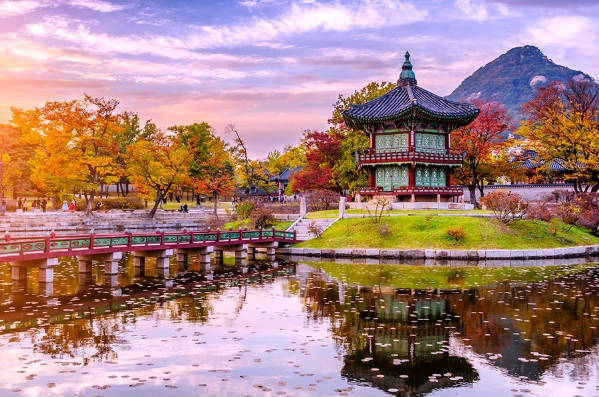
For contemporary art, Leeum, Samsung Museum of Art in Hannam-dong is world-class, blending traditional Korean art with modern and contemporary works in a stunning building. Another favorite is the National Museum of Modern and Contemporary Art (MMCA) branch in Seoul, located near Gyeongbokgung. Their exhibitions are always thought-provoking.
And then there's common ground in Hongdae—a shopping container mall made from stacked shipping containers. It's a symbol of Seoul's fast, adaptive, and trendy consumer culture.
Putting It All Together: A Sample Seoul Itinerary Framework
How do you cram all these must-do things in Seoul into a few days? You don't. You prioritize. Here's a flexible framework for a 4-day core trip.
Day 1: History & Tradition (North of the River)
Morning: Gyeongbokgung Palace & Changing of the Guard. Walk to Bukchon Hanok Village.
Afternoon: Lunch in Insadong. Explore Insadong-gil and Ssamziegil.
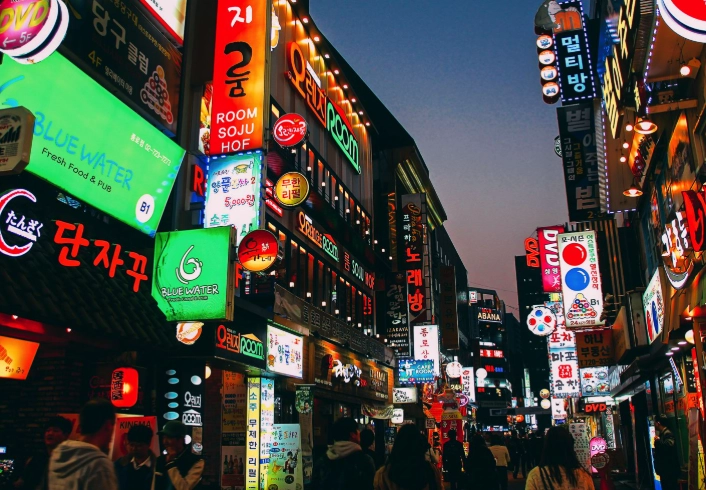
Evening: Dinner and street food in Myeongdong. Catch the neon-lit buzz.
Day 2: Markets, Views & Modern Culture
Morning: Dive into Gwangjang Market for a bindaetteok breakfast. Explore the fabric section.
Afternoon: Visit the Dongdaemun Design Plaza (DDP). Head up to Lotte World Tower for the Seoul Sky view (book a sunset slot if you can).
Evening: Experience Gangnam. Dinner in Sinsa-dong/Garosu-gil, see the COEX library.
Day 3: Local Vibes & Nightlife
Morning: Relaxed start. Visit a quieter palace like Changdeokgung (book the Secret Garden tour in advance!).
Afternoon: Explore the trendy, maze-like alleys of Ikseon-dong. Cafe hop.
Evening: Head to Hongdae. Enjoy street performances, shop for indie fashion, have dinner, and check out a live music club.
Day 4: Fill-Your-Gaps & Departure
This day is for what you loved. Want more food? Hit another market. Want to shop? Dive deeper into Myeongdong or Hongdae. Need a chill day? Visit the peaceful Seoul Forest or walk along the Cheonggyecheon Stream, a revitalized waterway right in the city center—a perfect example of Seoul's urban planning.
Seoul Travel FAQs: Answering Your Real Questions
Let's tackle some specific worries you might have.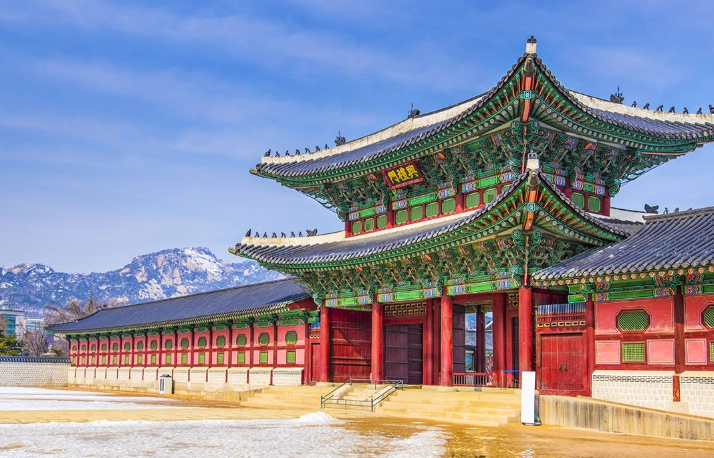
Final Thoughts: Your Seoul Awaits
So, what are the must-do things in Seoul? It's not about ticking every box on a list. It's about feeling the city's rhythm. It's the smell of grilled meat and sesame oil wafting from a basement restaurant. It's the quiet dignity of a palace guard's ceremony against a backdrop of office towers. It's the cheerful chaos of a market ajumma calling you over to try her kimchi.
Don't stress about seeing it all. Pick a few core experiences from this guide that speak to you, leave room to get lost down an interesting alley, and embrace the contrasts. Seoul is a city that will feed your stomach, challenge your senses, and surprise you at every turn.
Start with a palace, end with some chimaek, and let everything in between be your own discovery. That's the real must-do.
For the most current travel information, always check official sources like the Korea Tourism Organization website for events and alerts, and the Seoul Metropolitan Government website for city guides and transportation updates.
Reader Comments