Quick Guide to Pequi
Let's be honest, most of us outside Brazil have never heard of pequi. I certainly hadn't until a friend from Brasília brought back a jar of this bright yellow paste and insisted I try it. "It tastes like the sun," she said, which wasn't the most helpful description. But after one tentative bite, I was hooked. This strange fruit, with its vibrant color and complex, almost cheesy flavor, is a cornerstone of Brazilian cuisine, especially in the Cerrado and Central-West regions. But what exactly is it? And why should you care about some spiky fruit from halfway across the world?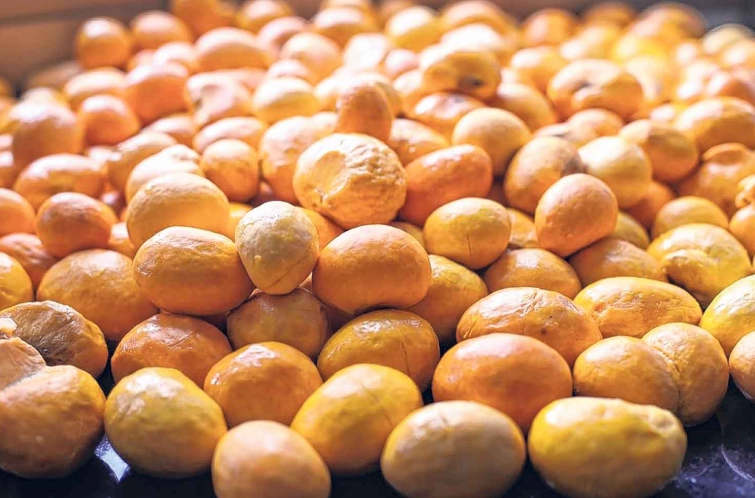
Well, that's what we're here to unpack. This isn't just another fruit fad. Pequi (pronounced peh-KEY) is a cultural icon, a nutritional powerhouse, and a bit of a culinary dare. Its flavor is so unique it divides people. Its spiky core is infamous. And its oil is quietly making waves in the beauty industry. So, whether you're a curious foodie, a health enthusiast, or just stumbled upon the word "pequi" in a recipe and panicked, this guide will walk you through everything. No fluff, just the real, practical info you need.
Quick Pequi Snapshot: Scientifically known as Caryocar brasiliense, pequi is a native tree of the Brazilian savanna (Cerrado). The fruit is about the size of a small apple, with a leathery green skin that hides the prized golden-yellow pulp. Inside that pulp? A formidable core covered in dozens of tiny, needle-like spines. These spines are no joke—they're the reason handling fresh pequi requires respect and a good technique.
What Does Pequi Actually Taste Like? (The Flavor Breakdown)
Describing the taste of pequi is where words start to fail. It's one of those "you have to try it" experiences. But I'll give it a shot. Imagine if a mango, a carrot, and a mild, creamy cheese had a tropical love child. That's kind of close.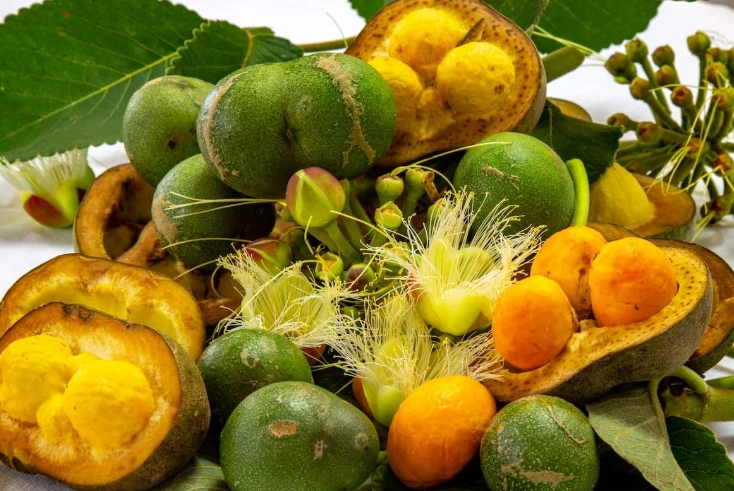
The first note is distinctly fruity and floral, with a hint of tropical sweetness. Then comes this rich, savory, almost buttery depth that lingers. Some people detect a faint pine or resinous note. It's strong, pungent, and absolutely unforgettable. The first time I tasted it, my brain short-circuited for a second. It wasn't sweet, it wasn't sour... it was just different. In a good way, once I got over the initial surprise.
This complex flavor profile is why pequi is almost never eaten raw like an apple. It's a team player. Cooking mellows its intensity and allows its fat-soluble flavors to infuse into dishes, creating something magical.
More Than Just Taste: The Nutritional Power of Pequi
Okay, so it tastes interesting. But is it good for you? In short, yes. The vibrant yellow-orange color of pequi pulp is a dead giveaway—it's loaded with carotenoids, particularly beta-carotene, which your body converts to vitamin A.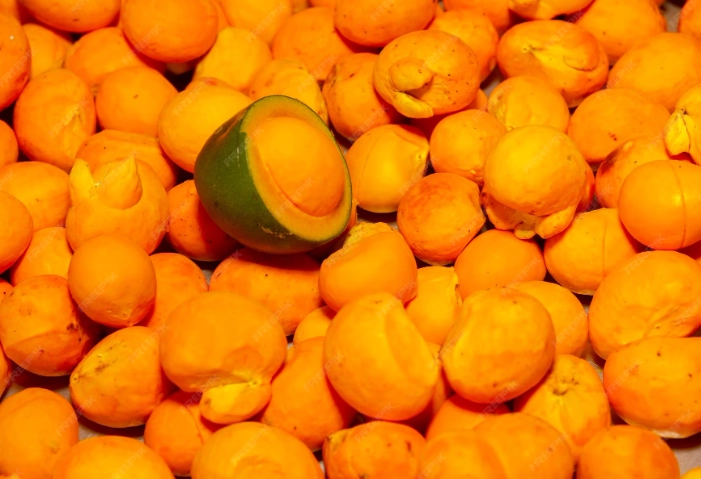
Let's break down what's inside this golden nugget. The data, which researchers have been piecing together (you can find studies on native Brazilian foods through resources like SciELO, a major scientific electronic library), paints a compelling picture.
| Key Nutrient | Why It Matters | What It Means For You |
|---|---|---|
| Vitamin A (Beta-Carotene) | Off-the-charts high. Essential for vision, immune function, and skin health. | A small serving can contribute significantly to your daily needs. Great for maintaining healthy eyes, especially. |
| Healthy Fats & Fatty Acids | The pulp is rich in oils, primarily oleic acid (a monounsaturated fat, like in olive oil). | Provides sustained energy, helps absorb fat-soluble vitamins (like its own Vitamin A!), and supports heart health. |
| Antioxidants (Vitamin E, Phenolics) | Packed with compounds that fight oxidative stress and inflammation. | May help protect cells from damage, support anti-aging, and reduce inflammation in the body. This is a big focus of current research. |
| Fiber | Contains a decent amount of dietary fiber. | Supports digestive health and helps you feel fuller for longer. |
But here's a personal take: while the nutrition facts are impressive, I think the real health story of pequi is about biodiversity and traditional food systems. Relying on a diverse range of native foods, as highlighted by organizations like the Food and Agriculture Organization (FAO), is crucial for both planetary and human health. Eating pequi supports the preservation of the Cerrado, one of the world's most biodiverse and threatened savannas. So, you're nourishing yourself and helping an ecosystem. That's a pretty good deal.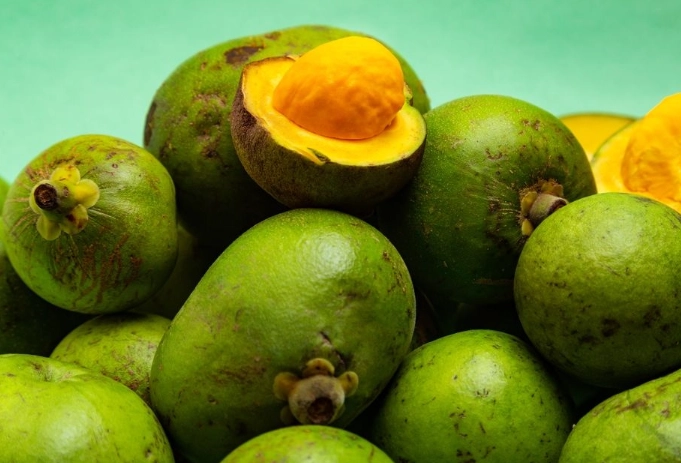
The Big Question: Are There Any Pequi Side Effects or Risks?
We have to talk about the spines. This is the number one thing people worry about, and for good reason. The tiny, hair-like spines on the inner seed core are brittle and can easily lodge in your gums, throat, or hands if you're not careful. It's not dangerous in a toxic sense, but it's incredibly unpleasant—like having a splinter in your mouth.
Golden Rule of Pequi: Never, ever bite into the core. The edible part is only the soft, yellow pulp surrounding it. In traditional communities, they eat the pulp directly from the fruit by carefully scraping it off with their front teeth, but for beginners, it's much safer to buy it pre-prepared (pulp, paste, or cooked in dishes).
Some people also report that eating large quantities of pequi can cause a temporary yellowing of the skin (carotenodermia), similar to eating too many carrots. It's harmless and fades. As for allergies, they are rare but possible with any new food. Start with a small amount.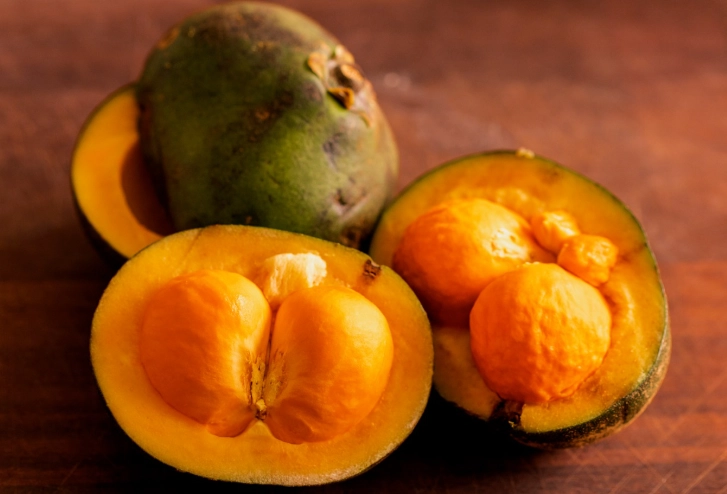
Pequi in the Kitchen: How Brazilians Actually Use It
This is where pequi shines. It's not a snack; it's an ingredient that transforms a meal. The high oil content means it's perfect for slow-cooked dishes where it can impart its flavor and rich color.
Top Traditional Pequi Dishes You'll Find in Brazil:
- Frango com Pequi (Chicken with Pequi): The absolute classic. Chicken pieces stewed with pequi pulp, onions, tomatoes, and spices. The fruit's flavor infuses the chicken and the sauce, creating a uniquely aromatic and satisfying stew. It's comfort food at its finest.
- Arroz com Pequi (Rice with Pequi): Simple but genius. Rice is cooked with pequi pulp, often with a bit of garlic and onion. The rice grains turn a beautiful golden color and soak up all that pequi essence. It's a staple side dish.
- Peixe com Pequi (Fish with Pequi): Especially popular in riverine communities. Firm-fleshed fish is cooked in a sauce with pequi, creating a fantastic contrast between the mild fish and the potent fruit.
- Licor de Pequi (Pequi Liqueur): A popular homemade digestif. The pulp is steeped in cachaça (Brazilian sugarcane spirit) with sugar, resulting in a strong, fragrant, and sweet liqueur.
My first encounter was with arroz com pequi. I was skeptical about fruit in my savory rice. But one bite and I understood. It wasn't fruity-sweet; it was rich, savory, and deeply aromatic. It made plain white rice seem boring forever.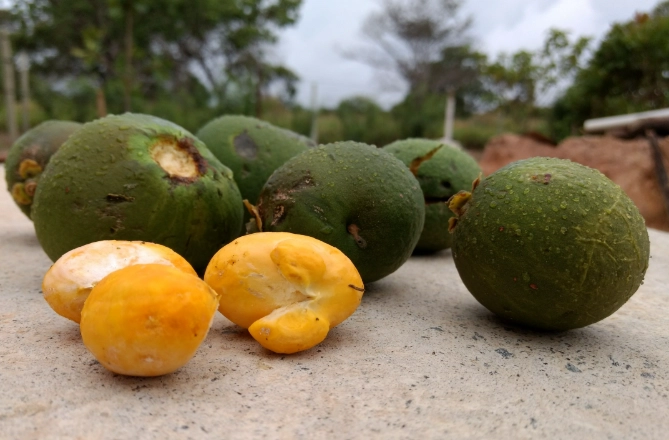
If you're cooking with pequi pulp for the first time, a pro tip: don't overcook it. Long, slow cooking is great, but boiling it rapidly for hours can make it bitter. Add it towards the end of your stew's cooking time, just long enough to heat through and meld flavors.
Beyond the Plate: Pequi Oil for Skin and Hair
This might be the next big thing in natural skincare. Pequi oil, extracted from the pulp and the kernel inside that spiky core, is a treasure trove for your skin. It's been used by indigenous communities for centuries, and now cosmetic formulators are catching on.
Why is pequi oil so special for skin? It comes down to its composition. It's incredibly rich in antioxidants like tocopherols (Vitamin E) and carotenoids. These act as a shield against environmental stressors. It's also packed with oleic acid, which is a fantastic emollient—it softens, smoothes, and helps strengthen the skin's barrier.
| Skin & Hair Concern | How Pequi Oil Can Help | How to Use It |
|---|---|---|
| Dry, Dehydrated Skin | The high oleic acid content provides deep, long-lasting moisture without feeling overly greasy. | Apply 2-3 drops to damp skin after cleansing, either alone or mixed with your moisturizer. |
| Mature Skin & Fine Lines | Antioxidants help combat free radical damage, a key factor in skin aging. May support skin elasticity. | Use as a facial serum before your cream. Its nourishing properties are great for night-time routines. |
| Hair Damage & Frizz | Acts as a superb hair conditioner, smoothing the cuticle and adding shine. Can protect hair from heat styling. | Use a tiny amount (pea-sized) as a pre-shampoo treatment or as a finishing serum on damp ends. |
| Soothing Irritation | Anti-inflammatory properties may help calm minor skin irritations and redness. | Apply a thin layer to affected areas. Always patch test first on a small area of skin. |
I've tried a few pequi oil serums, and the texture is lovely—absorbent but still nurturing. The scent is distinct, though. It smells exactly like the fruit: earthy, slightly floral, and savory. If you're used to unscented or flowery oils, it might take some getting used to. I don't mind it, but it's definitely a "natural" smell, not a perfumed one.
It's worth noting that research into the dermatological applications of pequi oil is ongoing, but traditional use and preliminary studies, some of which are indexed in databases like PubMed, are promising. Always look for cold-pressed, pure pequi oil from reputable sellers to ensure quality.
Finding and Buying Pequi Outside of Brazil
This is the practical hurdle. You won't find fresh pequi at your local supermarket in North America or Europe. The fruit is highly perishable and those spines make export tricky. But don't despair.
Your best bets are:
- Brazilian Grocery Stores or Online Retailers: This is the most reliable method. Look for frozen pequi pulp ("polpa de pequi congelada"), which is perfect for cooking. You might also find jarred or canned pequi pulp or paste ("pasta de pequi"). These are pre-cooked and ready to use.
- Pequi Oil: Much easier to find online. Many natural beauty retailers and Amazon sellers stock cold-pressed pequi oil. Check the reviews and descriptions to ensure it's 100% pure.
- Specialty Food Websites: Some sites specializing in Latin American or exotic foods may carry it.
A word of caution on price: because it's a wild-harvested, regional specialty, pequi products can be expensive. That jar of pulp isn't going to cost the same as apple sauce. View it as a special occasion ingredient or a worthwhile investment in trying something truly unique.
Storage Tip: Frozen pulp lasts for months. Jarred or canned pulp, once opened, should be treated like any cooked fruit preserve—keep it refrigerated and use it within a week or two. Pequi oil should be stored in a cool, dark place to protect its antioxidants.
The Final Scoop on Pequi
So, after all this, is pequi worth the hunt? From my experience, absolutely. It's more than a fruit; it's a gateway to understanding a part of Brazilian culture and the incredible biodiversity of the Cerrado. The flavor adventure alone is worth the price of a jar of pulp.
Is it going to replace your morning berries? Probably not. But as an occasional culinary expedition, a potent skincare booster, or a fascinating topic of conversation, pequi is in a league of its own. It has its quirks—the spines, the strong flavor, the accessibility issues—but that's part of what makes it authentic.
My advice? If you get the chance to try a dish with pequi, jump at it. If you see pequi oil and have dry or mature skin, give it a shot. Start with something simple like arroz com pequi. Just remember the golden rule: enjoy the golden pulp, respect the spiky core. Happy exploring!
Is pequi safe to eat?
Yes, the pulp is perfectly safe and nutritious to eat. The only danger is the spiny core. As long as you only consume the soft yellow pulp and avoid the seed, you're fine. Buying pre-processed pulp eliminates this risk entirely.
What does pequi taste similar to?
It's hard to find a direct comparison. The closest approximations are a mix of mango or papaya with a savory, buttery, almost cheesy depth. Some say it has a hint of pine or rosemary. It's truly its own category.
Can I grow a pequi tree?
Unless you live in a tropical or subtropical climate that mimics the Brazilian Cerrado (with a distinct dry season), it's very unlikely. The tree is slow-growing and specific to its native ecosystem. It's a reminder of why preserving these biomes is so important—some treasures can't be easily relocated.
Is pequi good for weight loss?
It's not a magic bullet. While it's nutritious and contains fiber, it's also calorically dense due to its high healthy fat content. As part of a balanced diet, it's excellent. But thinking of it as a "diet food" misses the point. It's about nourishment and flavor, not calorie restriction.
Where can I buy pequi oil for my skin?
I get this one a lot after talking about it. As mentioned, online retailers are your friend. Search for "cold-pressed pequi oil" or "organic pequi oil." Read the descriptions carefully. A good supplier will often talk about the origin (often from cooperatives in Minas Gerais or Goiás states in Brazil) and the extraction method.