Quick Navigation
Look, we've all been there. You walk into a Thai restaurant, the menu is a sea of unfamiliar names—Tom Yum, Pad See Ew, Massaman—and you freeze. You know Thai food is supposed to be amazing, a global favorite for a reason, but where do you even start? What makes a dish truly iconic? Is it just about the heat, or is there more to the story?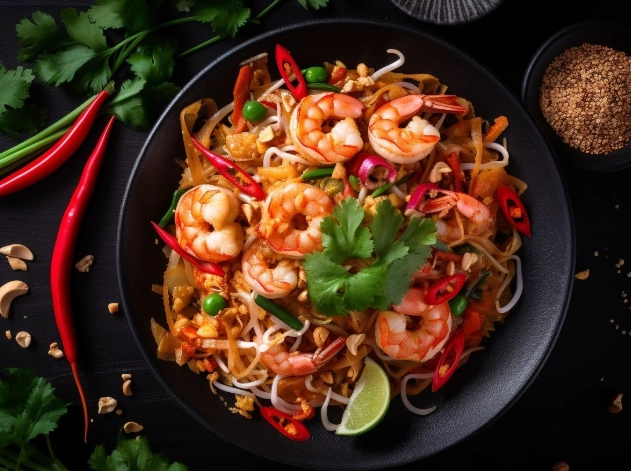
I remember my first real encounter with Thai food wasn't in some fancy place. It was at a humble little spot where the steam from the kitchen fogged up the windows. I pointed at something on the menu that had a lot of Thai script and just one English word: "Curry." What arrived was a revelation. It wasn't just spicy; it was fragrant, creamy, a little sweet, and had this incredible depth I couldn't place. That bowl of green curry hooked me for life. It made me realize that popular Thai food isn't just a list of dishes; it's a masterclass in balancing flavors.
Let's cut to the chase. This isn't a dry encyclopedia. It's your friendly map to the wonderful, sometimes intimidating, world of Thai cuisine. We're going to break down the dishes you absolutely need to know, explain the "why" behind their flavors, and give you the confidence to order like you know what you're doing.
The Hall of Fame: Thailand's Most Popular Dishes
If Thai cuisine had a greatest hits album, these would be the chart-toppers. These are the dishes you'll find from the bustling streets of Bangkok to Thai restaurants in almost every major city worldwide. Their popularity is a testament to their incredible flavor and appeal.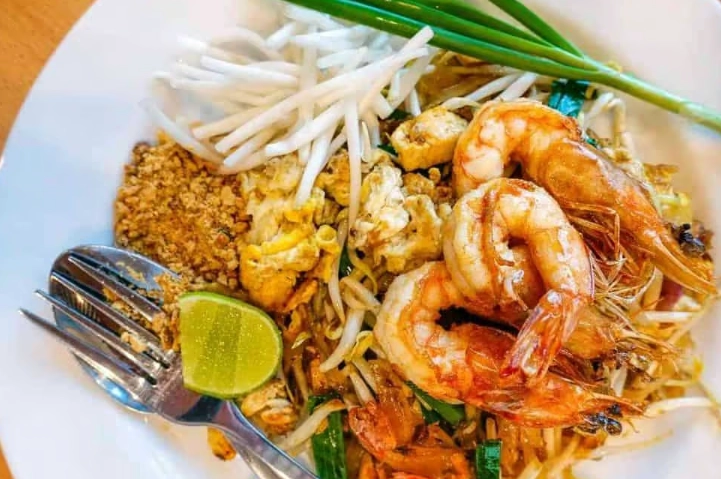
A quick thought: Popularity can sometimes be a double-edged sword. The global version of a dish might be tweaked to suit local tastes (often sweeter or less spicy). Seeking out the authentic version is always worth the effort.
Here’s a breakdown of the essential, must-try popular Thai food. Think of this as your core menu.
1. The Soups: More Than Just a Starter
In Thailand, soup isn't just an appetizer; it's a central part of the meal, shared family-style.
Tom Yum Goong is the undisputed king. That iconic hot and sour shrimp soup. The broth is a clear, fiery, and aromatic explosion of lemongrass, galangal (think ginger's more citrusy cousin), kaffir lime leaves, and chilies. The "sour" comes from fresh lime juice. It's bracing, cleansing, and incredibly addictive. A word of warning: the heat can be serious business. There's also a creamy version called Tom Yum Nam Khon, which adds a dash of evaporated milk or coconut milk, tempering the heat slightly and creating a richer texture. Personally, I prefer the clear version—it feels more vibrant and true to its roots.
Tom Kha Gai is Tom Yum's milder, creamier sister. "Tom Kha" means "boiled galangal," and "Gai" is chicken. This coconut milk-based soup is infused with the same herbal trio (lemongrass, galangal, lime leaves) but results in a soothing, fragrant, and subtly sweet broth. It’s incredibly comforting, almost like a hug in a bowl. If you're spice-averse, this is your safe and utterly delicious haven.
2. The Curries: A Spectrum of Color and Flavor
Forget the generic yellow curry powder you might know. Thai curries are complex pastes made fresh from ground herbs, spices, and aromatics. The color often indicates the primary chili and ingredient focus.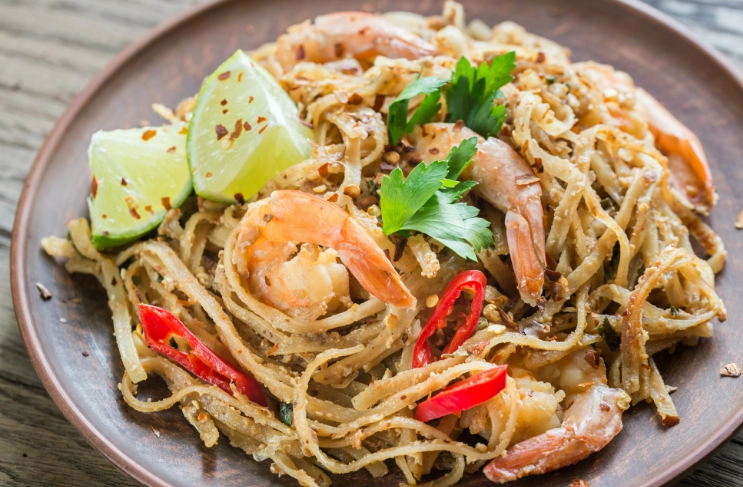
| Curry | Key Paste Ingredients | Flavor Profile & Characteristics | Typical Protein | Heat Level |
|---|---|---|---|---|
| Green Curry (Gaeng Keow Wan) | Green chilies, lemongrass, galangal, kaffir lime, coriander root | Fragrant, spicy, slightly sweet from coconut milk. The hottest of the common curries. | Chicken, beef, fish balls, eggplant | High |
| Red Curry (Gaeng Phet) | Dried red chilies, garlic, shallots, lemongrass, galangal | Robust, deeply savory, well-rounded heat. The most versatile base. | Duck, beef, pork, bamboo shoots | |
| Massaman Curry (Gaeng Massaman) | Dried red chilies, roasted spices (coriander, cumin, cardamom, cinnamon), peanuts | Rich, mild, nutty, and slightly sweet. Shows Persian/Indian influence. | Beef, chicken, potatoes, onions | Low-Medium |
| Panang Curry (Gaeng Panang) | Similar to red curry, but with roasted peanuts ground into the paste, less liquid. | Thick, rich, creamy, salty-sweet with a pronounced peanut flavor. | Beef, chicken, served with kaffir lime leaf garnish | Medium |
My personal favorite is Massaman. It’s such a warm, comforting flavor—like the best possible beef stew took a trip to Thailand. But you can't go wrong with a well-made Green Curry; its herbal punch is unforgettable.
3. The Stir-Fried & Noodle Dishes: The Heart of Everyday Eating
This is where Thai street food shines. Quick, flavorful, and satisfying.
Pad Thai is arguably the most famous Thai export. Stir-fried rice noodles with tofu, egg, bean sprouts, and peanuts in a tamarind-based sauce. It's a perfect balance of sweet, sour, and savory. Here's a hot take: sometimes the tourist-focused versions can be too sweet and one-dimensional. A great Pad Thai should have a tangy backbone from the tamarind. You can learn more about its fascinating history and evolution on the official Thai government tourism site, which notes its rise as a national dish.
Pad Krapow Moo Sap (Holy Basil with Minced Pork). This might be the actual national dish of Thailand for locals. Minced pork (or chicken/beef) stir-fried with lots of garlic, chilies, and the star—holy basil (*krapow*), which has a unique peppery, clove-like aroma. It's served over rice, often with a fried egg on top (*khai dao*). It's salty, spicy, aromatic, and ridiculously addictive. This is my go-to comfort food order.
Pad See Ew is the answer to the question, "What do Thais eat when they want something savory and satisfying but not spicy?" Wide rice noodles stir-fried with soy sauce, dark soy sauce (for color and a hint of sweetness), Chinese broccoli, and your choice of meat. It's all about the smoky flavor from high-heat wok cooking (*wok hei*). Simple, hearty, and delicious.
“A common mistake is thinking Thai food is only about curry and noodles. The salads (*yam*) and grilled dishes are where you often find the most exciting, vibrant flavors.”
4. The Salads & Grilled Items: Bold and Unforgettable
Thai salads (*yam*) are not leafy, mild affairs. They are bold, spicy, sour, and textural explosions.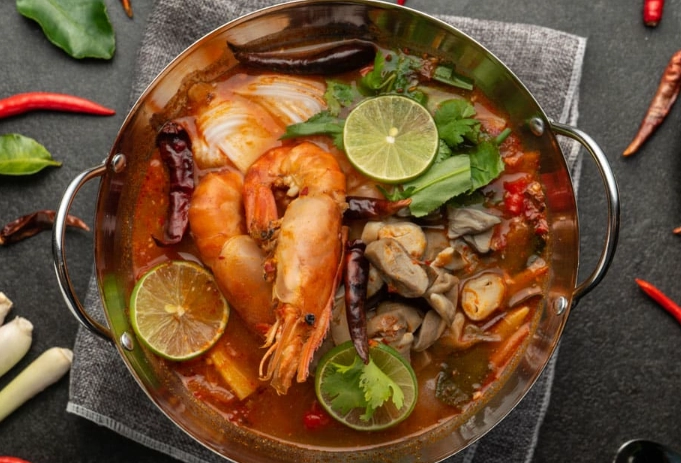
Som Tum (Green Papaya Salad). A signature dish from the Northeast (Isaan). Shredded unripe papaya is pounded in a mortar with garlic, chilies, green beans, cherry tomatoes, lime juice, fish sauce, and palm sugar. The result is an incredible symphony of spicy, sour, salty, and sweet, with fantastic crunch. It's often served with grilled chicken (*gai yang*) and sticky rice. The heat level can be brutal—you can ask for "mai pet" (not spicy), but even then...
Laab / Larb (Minced Meat Salad). Another Isaan classic. Minced meat (pork, chicken, duck) is cooked with roasted rice powder, mint, cilantro, shallots, lime juice, and fish sauce. It's earthy, herbal, sour, and aromatic. The toasted rice powder gives it a unique gritty texture and nutty flavor. It’s a must-try for adventurous eaters.
What Makes Thai Food So Popular? It's All About the Balance.
You can't just list dishes and call it a day. The magic of popular Thai food lies in a fundamental principle: the harmony of five key taste senses. This isn't just marketing; it's the philosophy behind every great Thai cook.
- Spicy (Prik): From fresh chilies, chili powder, or peppercorns. Provides heat and excitement.
- Sour (Prio): From lime, tamarind, green mango, or vinegar. Adds brightness and cuts through richness.
- Salty (Khem): Primarily from fish sauce (*nam pla*), soy sauce, or shrimp paste. The foundational savory element.
- Sweet (Wan): From palm sugar, coconut sugar, or sometimes just a touch of sugar. Rounds out sharp edges and balances heat and sourness.
- Bitter (Kom) & Umami: Often from bitter melon or various herbs. Umami comes deeply from fish sauce, shrimp paste, and fermented products.
A perfect dish doesn't hit all five equally, but it achieves a pleasing equilibrium. A Tom Yum is predominantly spicy and sour. A Green Curry is spicy, sweet, and salty. A Pad Thai is sweet, sour, and salty. This dance of flavors is what makes eating Thai food so dynamic and prevents palate fatigue. You're not just eating; you're experiencing a flavor conversation.
Beyond the Mainstream: Regional Gems to Explore
If you stick only to the list above, you're seeing just the tip of the iceberg. Thailand's regions have distinct culinary personalities. Exploring these is key to moving from a casual fan to a true enthusiast.
Northern Thailand: Influenced by neighboring Myanmar and Laos. Sticky rice is the staple. Dishes are often milder, with herbal, bitter, and fermented notes. Khao Soi is the superstar—crispy and soft egg noodles in a rich, creamy coconut curry broth, topped with pickled mustard greens and shallots. It's a must-try. Sai Oua (herbal sausage) is another flavorful gem.
Northeastern Thailand (Isaan): Known for bold, spicy, and sour flavors. Sticky rice is essential. Som Tum and Laab are from here. Gai Yang (grilled marinated chicken) and Nam Tok (a "waterfall" meat salad) are other classics. The food is rustic, powerful, and incredibly delicious. The Tourism Authority of Thailand website offers great insights into these regional culinary treasures.
Southern Thailand: Surrounded by sea, with strong Malay and Indonesian influence. Expect intense curries with turmeric and lots of heat. Gaeng Som (sour orange curry) and Khao Yam (a rice salad with herbs and dried shrimp) are highlights. Seafood is, of course, phenomenal.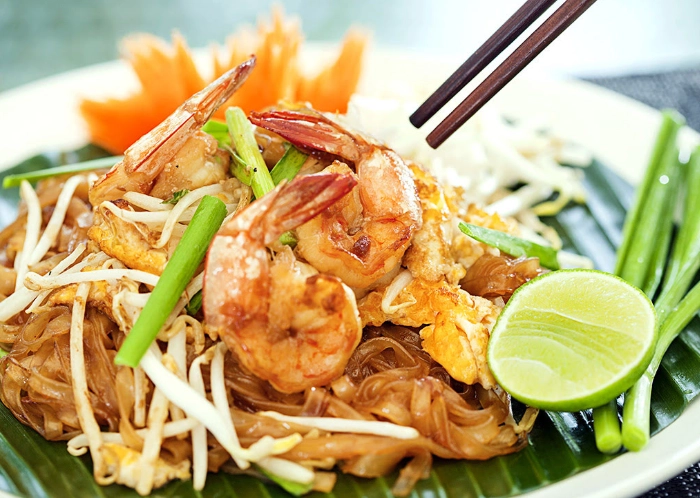
How to Actually Order and Enjoy Thai Food Like a Pro
Knowledge is useless without application. Here’s how to use this info in the real world.
1. Don't Order Just One Dish Per Person. Thai meals are communal. Order a variety to share: a soup, a curry, a stir-fry, a salad, and plenty of rice. This lets you experience the flavor contrasts.
2. Rice is Your Friend. Jasmine rice is the perfect neutral canvas to complement and temper spicy, flavorful dishes. It's not an afterthought; it's a core component.
3. Communicating Spice Level. This is crucial. Tell your server your preference:
- "Pet Mak" = Very Spicy (You've been warned).
- "Pet" = Spicy (The standard Thai level, which is hot for most foreigners).
- "Pet Nit Noi" = A Little Spicy.
- "Mai Pet" = Not Spicy. (Even this might have a slight kick).
Pro-Tip: If a dish arrives too spicy, don't drink water—it spreads the capsaicin. Eat more plain rice or a bite of something creamy (like a cucumber in the condiment tray) to neutralize the burn.
4. Where to Find the Best Versions?
- Street Food Stalls & Markets: For Pad Thai, Som Tum, grilled skewers, and noodle soups. The vibe is unbeatable.
- Local "Shop House" Restaurants: Often family-run, with more extensive menus. Ideal for curries, stir-fries, and whole fish dishes.
- Specialty Restaurants: Places dedicated to Isaan food, boat noodles, or Khao Soi. Go here to dive deep into a specific genre.
Honestly, some of the most memorable popular Thai food experiences I've had were on plastic stools by the roadside. Don't be intimidated by the setting.
Answers to Your Burning Questions (FAQ)
Let’s tackle some common head-scratchers people have about Thai cuisine.
No, this is a huge misconception. While chilies are used liberally, many iconic dishes are not inherently fiery. Massaman and Panang curries are often mild. Pad See Ew is not spicy. Tom Kha Gai is gentle. Even in spicy dishes, you can usually request a lower heat level. Thai cuisine is about balance, not pure assault.
Great question. While both use fresh herbs, rice, and fish sauce, the profiles differ. Thai food leans harder into the sweet-sour-spicy balance, using ingredients like palm sugar, tamarind, coconut milk, and a wider variety of chilies more prominently. Vietnamese food often emphasizes fresh, clean, and herbal flavors, with more use of lettuce, mint, and coriander as wrappers or garnishes, and relies heavily on the fermented fish sauce *nuoc mam* in its dipping sauces. Pho is a clear, brothy noodle soup, while Thai noodle soups like boat noodles (*kuay teow reua*) are darker, richer, and more intensely seasoned.
It can be very healthy! The cuisine uses loads of fresh herbs, vegetables, and lean proteins. Cooking methods like grilling, steaming, and stir-frying (when done with minimal oil) are great. However, watch out for the heavy use of coconut milk (high in saturated fat) in curries and the high sodium content from fish sauce and soy sauce. Balance is key—enriching curries in moderation is fine. Dishes like Som Tum, Laab, and steamed fish with lime and chilies are incredibly healthy choices.
It can be tricky due to the pervasive use of fish sauce and shrimp paste. You must communicate clearly: "Gin Jay" means you eat following Buddhist vegetarian principles (no meat, fish sauce, garlic, onion). Or say "Mai Sai Nam Pla" (no fish sauce) and "Mai Sai Neua" (no meat). Many curries and stir-fries can be made with tofu and vegetables. Dishes like *Pad Pak Ruam* (stir-fried mixed vegetables) or *Gaeng Jued* (clear vegetable soup) are safe bets. Always double-check.
If I had to pick just one to represent the soul of popular Thai food, it would be Tom Yum Goong. It encapsulates the bold, aromatic, and balanced spirit of the cuisine perfectly. For a more accessible yet deeply satisfying entry point, Pad Krapow Moo Sap Kai Dao (holy basil minced pork with fried egg) is a life-changing humble dish.
To combat spice, cold beer (like Singha or Chang) is a classic and effective pairing. Thai iced tea (*cha yen*)—that sweet, creamy orange drink—is also a fantastic, albeit sugary, spice neutralizer. For non-alcoholic options, fresh coconut water or plain iced water are perfect.
Look for a Thai clientele. Check if the menu has Thai script or dishes beyond the usual dozen. Are there regional specialties? Is there a condiment caddy with chili flakes, sugar, fish sauce, and vinegar on the table? That's a good sign. A menu that's 50 pages long with Chinese, Japanese, and Thai food is usually a red flag for lack of focus.
It became famous because it's approachable, noodle-based, and encapsulates the sweet-sour profile Western palates often enjoy. Is it overrated? Sometimes, yes. The bland, ketchup-heavy versions served in some places are a disservice. But a well-made Pad Thai, with the tang of tamarind and the crunch of peanuts and bean sprouts, is a delightful dish. It's a gateway, not the final destination.
So there you have it. A deep, messy, opinionated dive into the world of popular Thai food. It's a cuisine that rewards curiosity. Don't just order the same thing. Be brave, ask questions, share plates, and let your palate explore. Start with the classics, then venture into the regional specialties. That's where the real magic happens.
Trust me, your taste buds will thank you.