Your Thai Food Roadmap
Let's talk about Thai food. You know, that incredible burst of flavor that hits you the moment the plate lands on the table. It's not just about being spicy, though that's part of the charm. It's a whole symphony of sweet, sour, salty, and sometimes bitter, all playing together in perfect harmony. I remember my first real encounter with it, not at some fancy restaurant, but at a tiny, steam-filled stall in Bangkok. The air was thick with the smell of lemongrass, chili, and fish sauce, and I was completely hooked. That's the magic we're diving into today.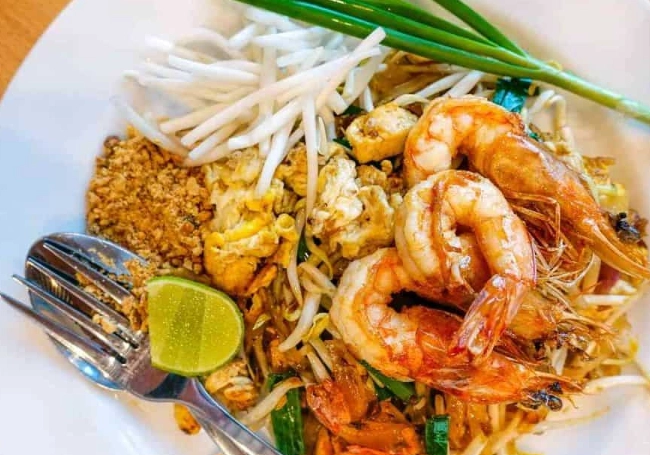
Figuring out what to order from a Thai menu can be overwhelming. So many choices, so many unfamiliar names. Is it all blisteringly hot? What if you don't like coconut? Don't worry, we're going to break down the absolute classics, the dishes that have earned their place as the most popular Thai food for a reason. This isn't just a list; it's your roadmap to ordering and enjoying Thai cuisine with confidence, whether you're at a street cart or a sit-down restaurant.
What Makes Thai Food So Universally Loved?
Before we jump into the dishes, let's understand the "why." Thai cuisine has this almost uncanny ability to please almost everyone. Why is that? It's the balance. Thai chefs are masters of balancing five key taste senses: spicy, sour, sweet, salty, and bitter. A single dish, like a good Tom Yum Goong, can make your lips tingle, make you pucker, and then soothe you with a subtle sweetness, all in one spoonful. It's an exciting experience for your palate.
Then there's the freshness. Herbs aren't just garnishes; they're core ingredients. Tearing up fresh basil, coriander, and mint right into your dish just before eating is standard practice. It adds a vibrant, aromatic quality that dried herbs can never match. The texture play is also key – the crunch of peanuts, the softness of rice noodles, the bite of fresh vegetables. It keeps every mouthful interesting.
And let's not forget accessibility. From the humblest street food stall to high-end establishments, the soul of the food often remains recognizably delicious. This connection to everyday life, to affordable and incredibly flavorful eating, is a huge part of its global appeal. You're experiencing a piece of Thai culture directly on your plate.
The Top 10 Most Popular Thai Food Dishes: Your Must-Try List
Alright, here we go. Based on popularity both in Thailand and across the globe, here are the champions. This list is a mix of soups, curries, noodles, and salads that represent the heart of this cuisine.
1. Tom Yum Goong (Spicy Shrimp Soup)
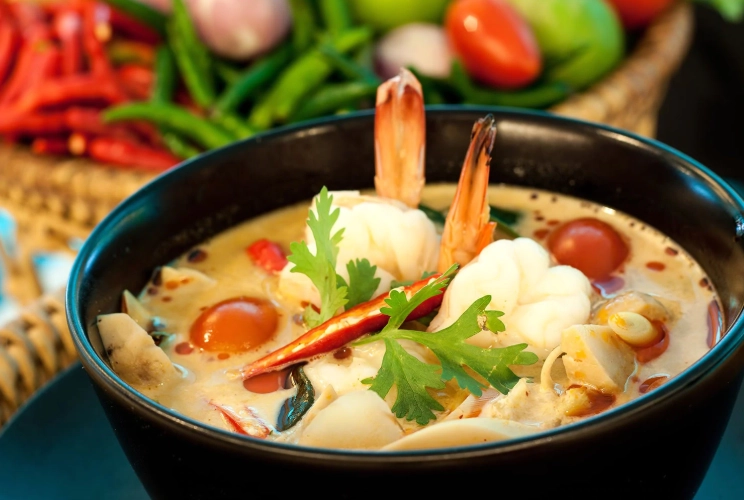
If there's one dish that screams "Thai food," it's probably Tom Yum. This hot and sour soup is a powerhouse of flavor. The broth is clear, infused with galangal (a root similar to ginger but more citrusy), lemongrass, kaffir lime leaves, fresh chilies, and lime juice. It's bracing, aromatic, and utterly addictive. The "Goong" means it comes with plump shrimp. The sourness comes from lime juice, the heat from bird's eye chilies, and the savory depth from fish sauce. It's a wake-up call for your senses. Some places make a creamy version with coconut milk (Tom Yum Nam Khon), which is milder but still fantastic.
2. Pad Thai (Stir-Fried Rice Noodles)
This is arguably the world's ambassador of Thai cuisine. Stir-fried rice noodles with eggs, tofu, shrimp or chicken, bean sprouts, and peanuts, all tied together with that distinctive sweet-sour-salty tamarind-based sauce. A good Pad Thai should be slightly dry, not soggy, with a perfect balance where no single flavor overpowers the others. It's often served with a lime wedge and extra chili flakes on the side. It's comfort food, street food, and a crowd-pleaser all in one. While it's everywhere, finding a truly great one is a quest worth embarking on.
3. Green Curry (Gaeng Keow Wan)
My personal favorite curry. Don't let the vibrant green color fool you – it can be seriously spicy. The color comes from fresh green chilies pounded with a paste of lemongrass, galangal, and other herbs. It's simmered with coconut milk, Thai eggplant, bamboo shoots, and your choice of meat, usually chicken. The result is a creamy, fragrant, and complex curry that's both rich and refreshing. The heat builds slowly. It's traditionally eaten with plenty of steamed jasmine rice to soak up every last drop of that incredible sauce. For an authentic look at its preparation, resources like Thai Cookbook offer great insights into traditional methods.
4. Som Tum (Green Papaya Salad)
This is not a salad for the faint of heart. Originating from the Isaan region in Northeast Thailand, Som Tum is a fiery, sour, and crunchy delight. Unripe green papaya is shredded and pounded in a mortar with garlic, chilies, green beans, tomatoes, lime juice, fish sauce, and palm sugar. The pounding action bruises the ingredients, releasing their flavors into a dressing that coats everything. It's incredibly refreshing on a hot day and packs a serious punch. You'll often see it served with sticky rice and grilled chicken (Gai Yang). A word of caution: specify "not spicy" ("mai phet") if you have a low tolerance, as the default is usually quite hot.
5. Massaman Curry (Gaeng Massaman)
Massaman is the rich, hearty cousin of the Thai curry family. It shows the historical Persian and Indian influences on Thai cuisine. The paste includes dried spices like cinnamon, cardamom, and star anise, making it deeply aromatic and less reliant on fresh chilies for heat. It's mild, slightly sweet from the potatoes and onions, and often features tender chunks of beef or chicken and roasted peanuts. It's a comforting, complex curry that feels like a warm hug. It's less common on street stalls and more of a restaurant or home-cooked dish, which makes finding a good one extra special.
6. Tom Kha Gai (Chicken in Coconut Soup)
If Tom Yum is the exciting, spicy sibling, Tom Kha Gai is the soothing, creamy one. It shares similar aromatic herbs – galangal, lemongrass, kaffir lime leaves – but they are simmered in a rich coconut milk broth. Sliced chicken and mushrooms are added, creating a soup that is fragrant, slightly tangy from lime, and incredibly comforting. It's much milder than Tom Yum and is often a gateway dish for those new to Thai flavors. The creaminess mellows out the sharpness of the galangal beautifully.
7. Panang Curry (Gaeng Phanaeng)
Panang is another thick, rich curry, but distinct from Massaman. Its paste is based on dried red chilies and includes roasted peanuts ground right into it, giving the curry a nutty, savory flavor and a slightly drier consistency than Green or Red curry. It's usually less soupy and more of a thick sauce clinging to slices of meat (often beef or pork) and kaffir lime leaves. It's aromatic, mildly to moderately spicy, and has a wonderful depth of flavor. It's another one that's perfect for spooning over rice.
8. Khao Pad (Thai Fried Rice)
Simple, satisfying, and done right, absolutely delicious. Thai fried rice is typically made with jasmine rice, egg, onion, and a protein like chicken, shrimp, or crab. It's seasoned with a light touch of fish sauce, soy sauce, and a hint of sugar. What sets it apart is the ubiquitous slice of cucumber and lime wedge on the side, and often a sprinkling of fresh cilantro. It's the ultimate quick meal, a blank canvas that showcases the skill of the cook in achieving the perfect "wok hei" or breath of the wok – that slightly smoky, charred flavor. It's usually not very spicy on its own, making it a great option for kids or those avoiding heat.
9. Pad Krapow Moo Saap (Holy Basil Stir-Fry)
This is a Thai street food staple and a personal go-to for a quick, flavorful meal. Minced pork (or chicken/beef) is stir-fried with lots of garlic, chilies, soy sauce, and a critical ingredient: holy basil (*krapow*). Holy basil has a peppery, clove-like aroma that is completely different from sweet Italian basil. The dish is fiery, savory, and incredibly aromatic. It's almost always served over rice with a fried egg on top (*khai dao*), whose runny yolk mixes into the rice and meat. It's simple, cheap, and explosively flavorful. Just be ready for the heat.
10. Mango Sticky Rice (Khao Niew Mamuang)
We can't forget dessert! This is the iconic Thai sweet. It's deceptively simple: perfectly ripe, sweet yellow mango served alongside warm, slightly salty sticky rice that's been soaked in rich coconut milk. The contrast of the cool, juicy mango with the warm, creamy rice is heavenly. It's the perfect way to end a spicy meal. The quality hinges entirely on the ripeness of the mango. When it's in season (around April-June), it's an absolute must-try. Out of season, it can be disappointing with hard, sour fruit, so ask if the mango is sweet if you're unsure.
Quick Reference: Spice Level & Key Ingredients
| Dish | Typical Spice Level | Key Flavor Profile | Must-Have Ingredient |
|---|---|---|---|
| Som Tum | High | Sour, Spicy, Salty, Sweet | Green Papaya, Bird's Eye Chili |
| Tom Yum Goong | Medium-High | Sour, Spicy, Aromatic | Lemongrass, Galangal, Lime |
| Green Curry | Medium-High | Spicy, Creamy, Herbal | Green Chili Paste, Coconut Milk |
| Pad Krapow | Medium-High | Spicy, Savory, Aromatic | Holy Basil, Garlic, Chili |
| Panang Curry | Medium | Nutty, Savory, Aromatic | Peanut-infused Curry Paste |
| Pad Thai | Low (adjustable) | Sweet, Sour, Savory | Tamarind Sauce, Rice Noodles |
| Massaman Curry | Low-Medium | Rich, Sweet, Aromatic | Dried Spices (Cinnamon, Cardamom) |
| Tom Kha Gai | Low | Creamy, Sour, Aromatic | Coconut Milk, Galangal |
| Khao Pad | Low | Savory, Smoky | Jasmine Rice, Fish Sauce |
Beyond the Plate: The Culture of Thai Eating
Understanding the food is one thing, but knowing how to eat it like a local adds another layer. Thai meals are almost always shared. Several dishes are ordered for the table, along with a big plate of steamed jasmine rice. You take a spoonful of rice on your plate and then spoon a bit of curry, stir-fry, or salad over it. You don't typically eat a whole bowl of curry by itself; the rice is the main component, with the flavorful dishes as accompaniments.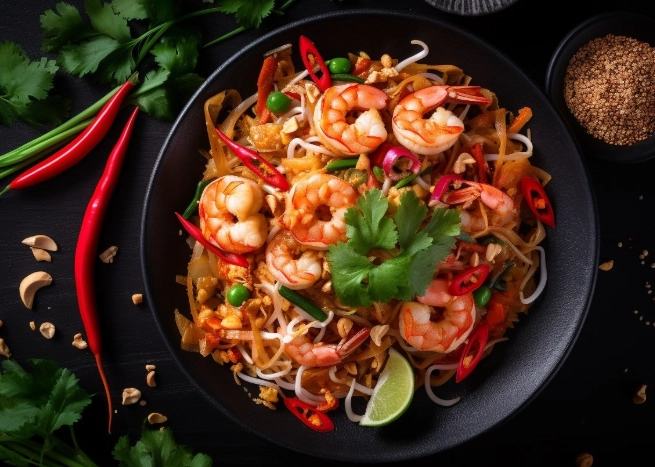
Street food is the lifeblood of Thai cuisine. Some of the best and most popular Thai food is found at humble stalls. Don't be intimidated! Look for places with a high turnover of locals. The food is fresh, cheap, and incredibly authentic. The Tourism Authority of Thailand even promotes specific street food areas, like those in Bangkok's Yaowarat (Chinatown), as culinary destinations.
And about the spice. Thais have a high tolerance, but they understand visitors might not. It's perfectly acceptable, even expected, to ask for your food to be made less spicy. The phrase is "mai phet" (ไม่เผ็ด) which means "not spicy." You can also say "phet nit noy" (เผ็ดนิดหน่อย) for "a little bit spicy." Most restaurants are happy to accommodate.
Answering Your Burning Questions About Thai Food
Is all Thai food extremely spicy?
No, absolutely not! This is the biggest misconception. While many dishes can be spicy, the cuisine is about balance. Dishes like Tom Kha Gai, Massaman Curry, Khao Pad, and Mango Sticky Rice are mild. Spice is often adjustable, and many dishes derive their complexity from herbs, aromatics, and fermentation, not just chilies.
I'm vegetarian/vegan. Can I eat Thai food?
Yes, but you need to be specific. Fish sauce (*nam pla*) and shrimp paste (*kapi*) are ubiquitous in savory dishes. Simply saying "vegetarian" might not be enough. Use the phrase "jay" (เจ), which means strict Buddhist vegetarian (no meat, fish, or animal products). Or clearly ask for "no fish sauce, no shrimp paste" and specify you want tofu or vegetables. Many stir-fries and curries can be easily adapted.
What's the difference between Red, Green, and Yellow Curry?
It's all about the paste. Green Curry uses fresh green chilies and is usually the spiciest and most herbal. Red Curry uses dried red chilies; it's versatile and can range from medium to hot. Yellow Curry includes turmeric and often more dried spices like cumin, making it milder and slightly sweet, often associated with Massaman but usually simpler. Each has a distinct flavor profile beyond just heat.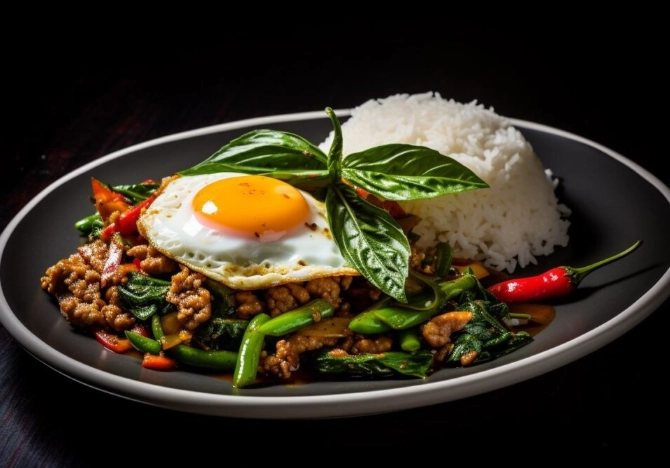
What is the single most popular Thai food dish in Thailand?
This is tricky because it varies by region. However, dishes like Pad Thai and Som Tum are national obsessions. Pad Thai is the iconic street food, while Som Tum is beloved across the country, especially in the Northeast. For a home-cooked feel, Pad Krapow is a daily staple for millions. So, when considering the most popular Thai food, think of a trio: Pad Thai for fame, Som Tum for fierce loyalty, and Pad Krapow for everyday comfort.
How do I know if a Thai restaurant is authentic?
Look at the menu and the clientele. An authentic place will have dishes like Som Tum, Larb, or boat noodles, not just Pad Thai and curries. A large Thai clientele is a great sign. Also, check if they offer condiments like fish sauce with chilies, sugar, vinegar, and crushed peanuts on the table – this is a classic setup for customizing your meal. The presence of less-common herbs (like holy basil) is also a good indicator.
Bringing Thai Flavors Home
Want to try cooking some of the most popular Thai food yourself? Start simple. A good Pad Thai or a Panang Curry are achievable projects. The key is sourcing a few essential ingredients: a good quality curry paste (like Mae Ploy or Maesri brands), fish sauce, palm sugar, and tamarind paste. Fresh herbs like cilantro, basil, and lime are crucial. Don't be discouraged if it's not perfect the first time; balancing those flavors takes practice.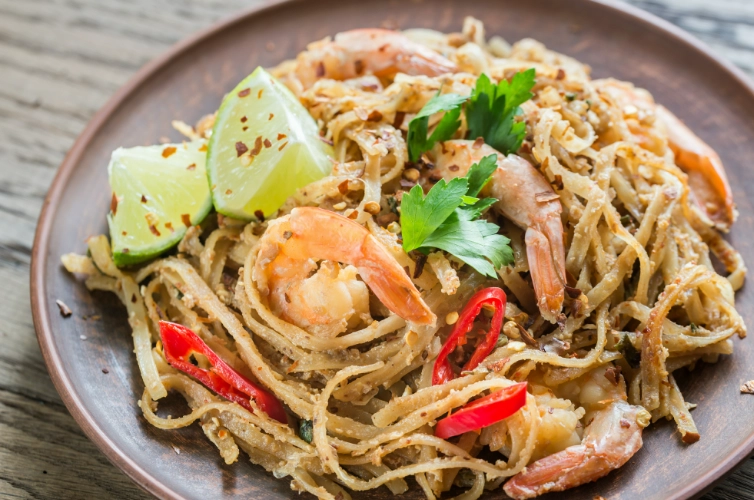
For reliable recipes that explain the "why" behind steps, websites like SheSimmers, run by a Thai cookbook author, are fantastic resources. They dive deep into techniques and authenticity.
The world of Thai food is deep and endlessly rewarding. This guide to the most popular Thai food is just your starting point. Each dish has regional variations, family secrets, and personal touches. So go out, be adventurous, share plates with friends, and don't be afraid to ask questions. Your next favorite meal is waiting in a steamy bowl of soup or on a sizzling hot plate. Just remember to have plenty of jasmine rice ready.
Happy eating!