Your Seoul Journey Map
- Diving Deep into History & Culture (The Can't-Miss Foundation)
- The Modern Pulse: K-Pop, Tech & Urban Exploration
- A Foodie's Pilgrimage: From Street Stalls to Royal Cuisine
- Neighborhood Deep Dives & Specific Vibes
- Practicalities: Making Your Seoul Trip Smooth
- Frequently Asked Questions (The Stuff You Actually Google)
- Wrapping It Up: Your Seoul Journey Starts Here
So you're planning a trip to Seoul. Let me guess – your brain is already flooded with images of K-pop, kimchi, and maybe that giant digital wave at COEX. Honestly, it can be overwhelming. My first time there, I had a list longer than the Han River, and I still felt like I missed half of it. The thing about Seoul is that it's a city of layers. You've got the glossy, high-tech surface, but scratch just a little and you'll find centuries of history, quiet alleyways, and a vibe that's uniquely its own. This isn't just another generic list. This is the guide I wish I'd had, pieced together from getting lost, talking to locals, and a few happy accidents. We're going beyond the brochure to find the real soul of the city. Ready to dive into the best things to do in Seoul?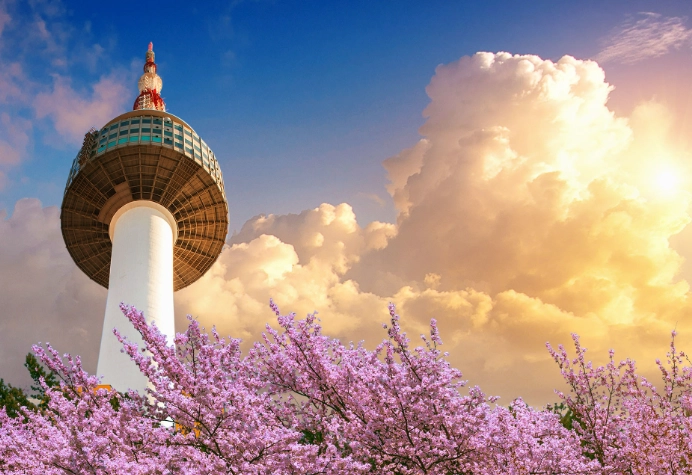
Diving Deep into History & Culture (The Can't-Miss Foundation)
Look, you can't talk about things to do in Seoul without starting with the palaces. They're the anchor points of the city's history. But here's the secret: they're not all the same, and timing is everything.
The Big Five Palaces: More Than Just Photo Ops
Seoul has five major palaces from the Joseon Dynasty. Visiting all five is overkill for most travelers unless you're a hardcore history buff. Here’s the breakdown to help you choose.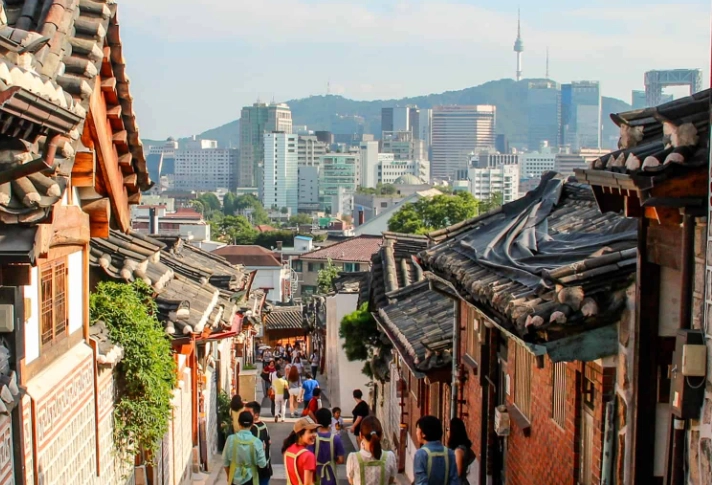
| Palace | Why It's Special | Best For | My Honest Take |
|---|---|---|---|
| Gyeongbokgung | The largest, most iconic. Home to the National Folk Museum and the changing of the guard ceremony. | First-timers, grand architecture, the "must-see" experience. | It's stunning, but also the most crowded. Go right at opening (9 AM) to enjoy the main throne hall in relative peace before the tour buses arrive. |
| Changdeokgung | A UNESCO World Heritage site famous for its secret garden, Huwon. You need a separate guided tour for the garden. | Nature lovers, photography, a more serene and authentic feel. | This is my personal favorite. The garden tour feels like stepping into a painting. Book the Huwon tour online in advance via the Cultural Heritage Administration website – it sells out. |
| Changgyeonggung | Connected to Changdeokgung, often less crowded. Has a large pond and botanical garden. | A quieter alternative, pleasant strolls, cherry blossoms in spring. | A peaceful escape. Feels more like a large, beautiful park with palace buildings sprinkled in. |
| Deoksugung | Unique blend of traditional Korean and Western-style stone buildings. Right in the heart of the city near City Hall. | A quick visit, contrasting architectural styles, easy to combine with other downtown activities. | Perfect for a late afternoon visit. The stone-path road beside it (Doldam-gil) is famously romantic, though I find it just... nice. |
| Gyeonghuigung | The smallest and least restored. Often overlooked. | History purists who want to see a palace without reconstruction, absolute quiet. | It's fine, but if you're short on time, you can safely skip this one without FOMO. |
A pro-tip nobody tells you: Rent a hanbok (traditional Korean dress). Not only do you get free entry to most palaces, but you also get to feel like part of the scenery, and the photos are incredible. The shops around Gyeongbokgung are used to tourists and will help you get dressed in minutes.
Beyond the Palaces: Temples, Villages & Living History
If palaces are the official history, these spots are the lived-in, breathing culture.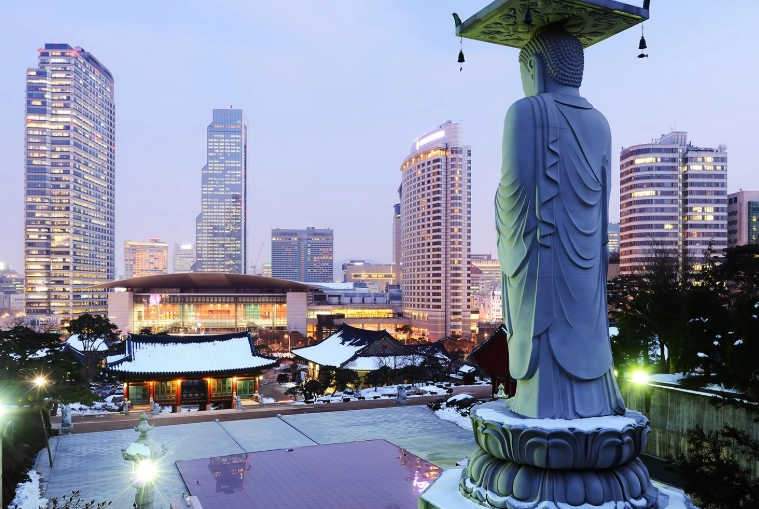
Bukchon Hanok Village: This is the postcard-perfect area of traditional Korean houses (hanok) nestled between Gyeongbokgung and Changdeokgung. It's beautiful, yes, but it's also a real residential neighborhood. People live here. The main alleys are packed with tourists during the day. My advice? Wander the side streets. Be respectful, keep your voice down, and you'll find quieter corners with amazing views of the city's juxtaposition. Some hanoks are now cultural centers, tea houses, or guesthouses. Popping into one for a traditional tea ceremony is one of the most calming things to do in Seoul.
Jogyesa Temple: The heart of Korean Buddhism, right in the middle of the bustling Insadong district. The contrast is surreal. It's free to enter. The main hall is stunning, but the real showstoppers are the ancient lacebark pine trees out front, which are over 500 years old. During Buddha's birthday in spring, it's draped in thousands of colorful lanterns – an absolute must-see.
Namsangol Hanok Village: At the foot of Namsan mountain, this is a collection of restored hanoks representing different social classes. It's more of an open-air museum than Bukchon, which makes it less stressful to explore. They often have traditional games, craft demonstrations, and seasonal festivals. Great for families.
The Modern Pulse: K-Pop, Tech & Urban Exploration
Okay, time to jump centuries forward. This is the Seoul you see in dramas and music videos.
Gangnam & the Digital Frontiers
Yes, the Gangnam of "Gangnam Style." It's not just a meme; it's a massive, affluent district that feels like a glimpse into the future. Shiny skyscrapers, luxury brands, and plastic surgery clinics on every corner.
Starfield COEX Mall: It's not just a mall. It's a subterranean city. The main attraction is the COEX Starfield Library, a breathtaking public library with giant bookshelves reaching the ceiling. It's a fantastic spot for photos and, you know, actually reading. The mall also has an aquarium, a massive bookstore, and a kimchi museum. Is it a bit overwhelming? Absolutely. But it's a spectacle.
Bongeunsa Temple (again!): I'm mentioning it twice because its location is the whole point. It's a serene, ancient Buddhist temple literally across the street from the glass towers of Gangnam. That contrast – monks walking past the COEX – is one of the most striking visual summaries of Seoul you'll find.
Hongdae & the Youth Culture Engine
If Gangnam is polished wealth, Hongdae (around Hongik University) is raw, creative energy. This is the epicenter of indie music, street fashion, and nightlife.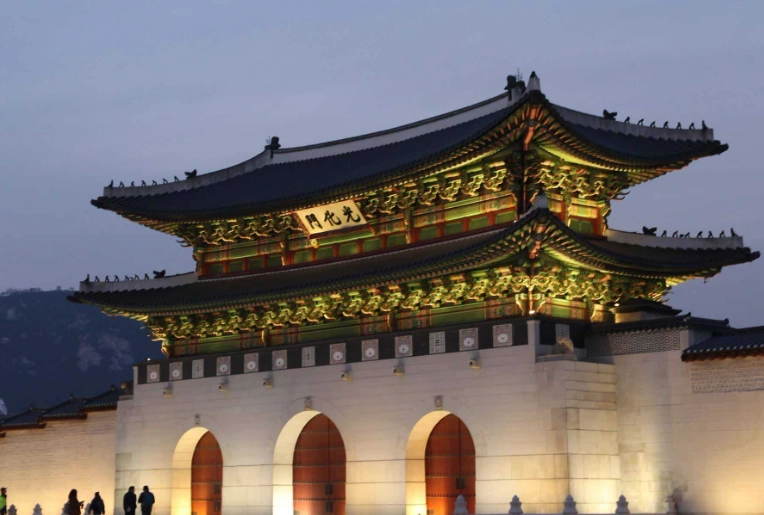
Things to do in Seoul's Hongdae area are all about exploration. There's no single attraction. It's about:
- Watching incredible street performers (dancers, bands, magicians) in the main square every evening.
- Getting lost in the "Playce Ground" complex and other quirky shopping buildings filled with independent designers.
- Visiting the Trick Eye Museum or one of the many themed cafes (poop cafe, raccoon cafe – you do you).
- Just soaking in the vibe. Grab a cheap beer from a convenience store, sit on the steps, and watch the world go by.
Dongdaemun Design Plaza (DDP) & the Future of Retail
This building, designed by the late Zaha Hadid, looks like a giant, curving spaceship. It's an architecture lover's dream. Inside, it hosts design exhibitions, fashion shows, and events. But the real action is outside at night.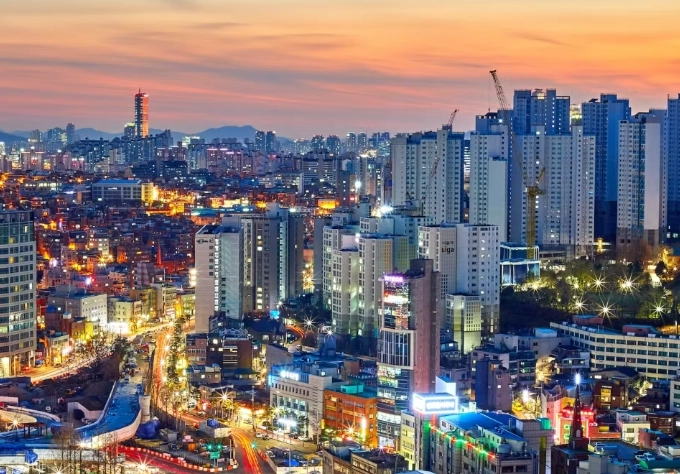
The Dongdaemun market area is a 24-hour shopping dystopia/utopia. Massive multi-story malls (like Doota, Good Morning City) sell everything from cheap souvenirs to high-end designer samples. Some buildings are wholesale only after midnight, but others cater to retail shoppers all night. It's an experience, even if you're not buying. Feeling peckish at 3 AM? The food stalls are just getting started.
A Foodie's Pilgrimage: From Street Stalls to Royal Cuisine
For many, the best things to do in Seoul revolve around eating. And for good reason.
Let's move beyond just "eat kimchi." Here’s a practical, tiered approach.
The Street Food Hall of Fame (Must-Try)
- Tteokbokki: Chewy rice cakes in a sweet, spicy, addictive gochujang sauce. The baseline of Korean street food. Myeongdong has great stalls, but I've had better from unassuming carts in residential areas.
- Hotteok: Sweet, fried pancakes filled with melted brown sugar, cinnamon, and nuts. A winter warmer, but available year-round. The ones in Insadong are famous.
- Odeng (Eomuk): Fish cake skewers boiled in a savory broth. You eat the skewer and can often get a cup of the broth for free. The ultimate cheap, comforting snack.
- Gyeran-ppang: Literally "egg bread." A small, sweet bread with a whole egg baked into the top. Simple, delicious, and filling.
The Sit-Down Meal Essentials
Korean BBQ (Gogigui): You know this one. But don't just go to any tourist trap in Myeongdong. Find a local joint where the exhaust hood is low over the table and the menu is mostly in Korean. Samgyeopsal (pork belly) is the classic, but try galbi (marinated short ribs) for something sweeter. Wrap the meat in a lettuce leaf with ssamjang (paste), garlic, and maybe a bit of kimchi. Heaven.
Korean Fried Chicken (Chimaek): It's a religion. The chicken is fried twice, making it unbelievably crispy on the outside and juicy inside. The two main styles: yangnyeom (coated in a sticky, sweet-spicy sauce) and plain (to appreciate the crunch, dipped in a light sauce). Always paired with beer (maekju), hence "chimaek." Chains like BHC or Kyochon are reliably excellent.
Jjajangmyeon & Tangsuyuk: Korean-Chinese food. Jjajangmyeon is noodles with a thick, black bean sauce. Tangsuyuk is sweet and sour pork (or beef). Order them together. It's a classic delivery combo, but eating it in a bustling restaurant like in Seogyo-dong (Seoul's Chinatown) is an event.
Markets: Where the Food Scene Comes Alive
Gwangjang Market: One of the oldest, featured on every travel show. It's chaotic, loud, and amazing. Go to the food alley and grab a seat at a stall. Must-eats: bindaetteok (mung bean pancakes), mayak gimbap ("drug" kimbap, tiny rice rolls), and san-nakji (live octopus – for the brave).
Noryangjin Fisheries Wholesale Market: Want the freshest seafood? Come here. You buy your live seafood (say, a king crab or a tray of sashimi-grade fish) from a vendor on the first floor, then take it upstairs to a restaurant where they prepare it for you (for a cooking fee). It's an adventure in negotiation and freshness.
Neighborhood Deep Dives & Specific Vibes
Sometimes you don't want a checklist; you want a feeling. Here’s where to go for specific moods.
For the Artsy, Slow Traveler: Ikseon-dong
This is the new darling. A traditional hanok village turned into a labyrinth of tiny, ultra-hip cafes, craft shops, and bars. Every door opens to a surprise – a tiny plant-filled courtyard, a rooftop with city views, a vintage toy shop. It's easy to spend half a day here just wandering. Come on a weekday if you can; weekends are insanely popular.
For the Shopper (Beyond Fast Fashion): Seongsu-dong
Dubbed "Seoul's Brooklyn," this was an industrial shoe manufacturing district now filled with converted warehouses housing flagship stores for cool Korean brands, artisan coffee roasters, and galleries. It's more subdued and design-focused than Hongdae. Great for finding unique, high-quality souvenirs.
For the Night Owl: Itaewon’s Evolution
Itaewon has historically been the international district, with a huge variety of foreign restaurants and a legendary nightlife scene. It's undergone changes but remains a hub for diversity. The main strip is lined with bars and clubs, but explore the side streets (like "Hooker Hill" and "Homo Hill") for more niche venues. It's the most cosmopolitan and late-night of Seoul's neighborhoods.
Practicalities: Making Your Seoul Trip Smooth
All these amazing things to do in Seoul mean nothing if you're frustrated with logistics.
Getting Around: The Marvel That is the Seoul Metro
The subway system is clean, safe, efficient, and has English signs everywhere. Get a T-money card (sold at convenience stores in the airport and subway stations). You load it with cash and tap for subways, buses, and even taxis. It saves you from buying single-journey tickets every time.
Download the "Subway Korea" or "KakaoMetro" app. They are lifesavers for route planning and real-time schedules.
Taxis are relatively cheap. Silver/grey/orange taxis are standard. Black taxis are deluxe and more expensive. You can hail them or use the Kakao T app (you'll need a Korean number to register, which is a hassle for short-term visitors).
Money, Connectivity & Etiquette
Money: Credit cards (Visa/Mastercard) are widely accepted, even in many markets. However, always carry some cash for street food, small market stalls, and topping up your T-money card. ATMs are everywhere, but ensure your card has international withdrawal enabled.
Connectivity: Rent a pocket WiFi (egg) or buy a SIM card at the airport. Having constant data is non-negotiable for navigation (Google Maps works decently, but Naver Map or KakaoMap are better for Korea) and translation.
Etiquette Quick Hits:
- Receive/give items (money, gifts) with two hands or with your right hand supported by your left.
- Don't stick your chopsticks upright in a bowl of rice (it's a funeral rite).
- It's polite to pour drinks for others, not yourself. Let someone refill your glass.
- Bowing is a common greeting, but a nod is fine for foreigners.
- Speaking loudly on public transport is frowned upon.
Frequently Asked Questions (The Stuff You Actually Google)
How many days do I need for things to do in Seoul?
Absolute minimum: 3 full days. You'll hit the major palaces, a market, and a neighborhood like Hongdae or Myeongdong, but you'll be rushing.
Comfortable: 5 days. This allows you to explore different districts in depth, take a day trip, and not feel burned out.
Ideal: 7+ days. You can truly soak it in, revisit favorite spots, and venture further afield.
What's the best area to stay in Seoul for first-timers?
It depends on your priorities.
- Myeongdong: Tourist central. Great for shopping, street food, and easy subway access to major sights. Can feel crowded and generic.
- Hongdae: For nightlife, youth culture, and energy. Lively and fun, but can be noisy.
- Insadong/Jongno: Close to palaces and traditional culture. More traditional vibe, quieter at night.
- Gangnam: For upscale shopping, modern vibe, and a different side of Seoul. Further from most historical sites.
Is Seoul safe for solo travelers?
Incredibly safe. Violent crime is very low. You can walk around most neighborhoods at night without worry. The usual big-city precautions (watch your wallet in crowds) apply, but overall, it's one of the safest major cities in the world.
What about a day trip from Seoul?
Absolutely. The DMZ (Demilitarized Zone) is the most unique option. You MUST book a tour – you cannot visit independently. Tours go to observatories, infiltration tunnels, and sometimes the Joint Security Area (JSA). Book well in advance, especially for the JSA, as spots are limited. Other great day trips: the folk village at Yongin, or the historic city of Suwon to see Hwaseong Fortress (a UNESCO site).
When is the best time to visit?
- Spring (April-May) & Autumn (Sept-Oct): The undisputed winners. Mild temperatures, clear skies, and cherry blossoms (spring) or stunning foliage (autumn). Also the most crowded and expensive.
- Summer (June-Aug): Hot, humid, and rainy (monsoon season in July). But it's vibrant and full of festivals.
- Winter (Dec-Feb): Cold and dry, but with clear, crisp days. Great for skiing nearby, and you'll find fewer crowds and lower prices. Christmas and New Year are festive.
Wrapping It Up: Your Seoul Journey Starts Here
Figuring out the best things to do in Seoul is a personal journey. Maybe for you, it's hunting down the perfect cup of artisan coffee in a hidden hanok. Maybe it's screaming your heart out at a K-pop concert. Maybe it's finding the most photogenic street in Ikseon-dong. The city accommodates it all.
The most important piece of advice I can give you is this: leave room for the unplanned. Some of my favorite memories aren't on any list – the ahjumma who gave me an extra piece of hotteok when I looked lost, the impromptu chat with students in a Hongdae bar, the quiet moment watching the sunset over the Han River from a random park bench.
Use this guide as a map, not a script. Mix the grand with the granular. Embrace the chaos of the markets and the peace of the temples. Seoul is a city that gives back exactly as much energy as you put into exploring it. Now go book that ticket. Your adventure is waiting.
For official tourist information, always check the Korea Tourism Organization website for the latest on openings, festivals, and travel tips.
Reader Comments