Quick Guide
- Where It All Began: The Roots of Korean Food Culture
- The Soul of the Kitchen: Fermentation and the Jang Trio
- The Pillars of a Traditional Korean Meal: What's Actually on the Table?
- Must-Try Dishes That Define the Experience
- How to Actually Eat It: A No-Nonsense Guide for Visitors
- Why All the Hype? The Health Angle (Backed by More Than Just Hype)
- Bringing It Home: How to Start Exploring
Let's get this out of the way first. When most people think of Korean food, their minds jump straight to sizzling bulgogi on a tabletop grill or that iconic jar of bright red kimchi. And honestly, I get it. Those are the poster children. But if you stop there, you're missing out on a whole universe of flavor, history, and culinary philosophy that's been quietly simmering for thousands of years. Traditional Korean cuisine, or hansik as it's known locally, is a complex, balanced, and deeply seasonal way of eating that tells the story of the Korean peninsula itself. It's about harmony, health, and making something incredible from what the land and seasons provide.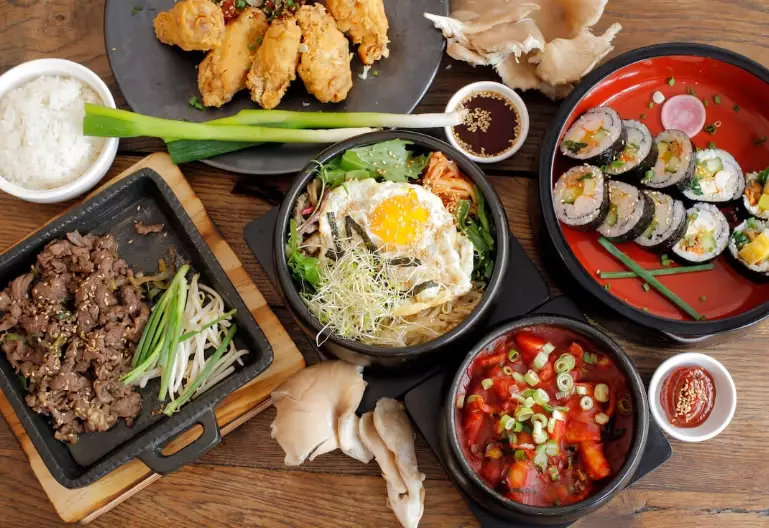
I remember my first real encounter with it beyond the barbecue joint. It was a multi-course meal called hanjeongsik. The table wasn't just full; it was a landscape of small dishes—dozens of them. There were colors I hadn't seen on a plate before, textures that ranged from crunchy fermented vegetables to silky stews, and this incredible balance where nothing felt too heavy or too light. It was a revelation. It wasn't just a meal; it was an experience. That's what we're diving into today. We'll peel back the layers on what makes this food culture tick, from its ancient roots to the fermented heart of its flavors, and I'll give you the real scoop on how to enjoy it, pitfalls and all.
Where It All Began: The Roots of Korean Food Culture
The story of traditional Korean cuisine is a long one, shaped by geography, climate, and a fair bit of ingenuity. The Korean peninsula, with its mountains, valleys, and long coastline, created a natural pantry of diverse ingredients. But it wasn't always easy. Harsh winters meant preservation wasn't a luxury; it was a necessity for survival. This is where the genius of fermentation truly took root, giving birth to kimchi, jang (fermented pastes), and a whole preservation culture that defines the flavor profile to this day.
The philosophical backbone comes from ancient times, heavily influenced by Korean interpretations of Chinese yin-yang and the five elements theory. This isn't just mystical talk; it's a practical guide to balance. Meals are constructed to achieve harmony—bap (grain, usually rice) provides the center, guk (soup) offers warmth and fluidity, and a array of banchan (side dishes) made from vegetables, meats, and seafood create a balance of colors (red, green, yellow, white, black), flavors (sour, sweet, bitter, spicy, salty), and cooking methods (raw, steamed, boiled, fried, fermented). The goal was always health and well-being, long before it became a modern buzzword.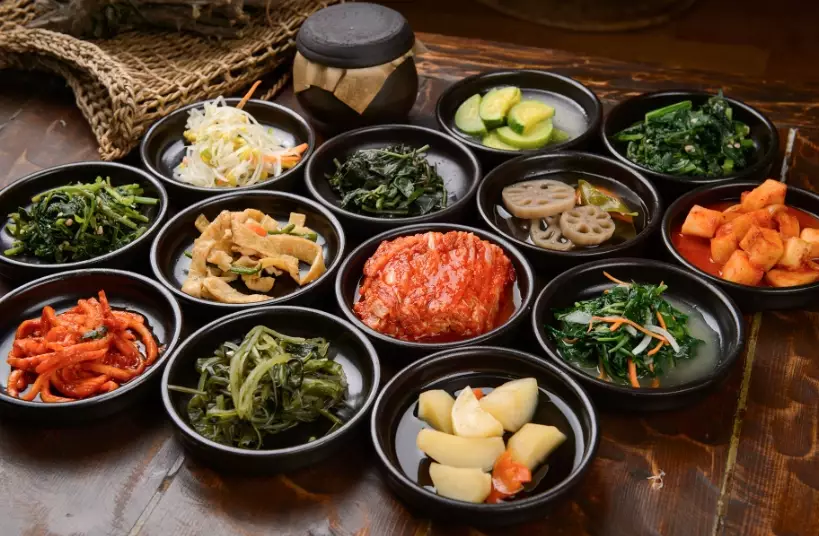
Major historical periods left their mark too. The Three Kingdoms period saw the refinement of agriculture. The Goryeo Dynasty was influenced by Buddhism, leading to a flourishing of vegetarian temple cuisine (sachal eumsik) that is still revered for its subtle, natural flavors. The Joseon Dynasty, perhaps the most influential, codified royal court cuisine (sura), which took balance and artistry to an extreme level of refinement. It's from this royal kitchen that the elaborate hanjeongsik spread its influence. While the common people's food was far simpler, based on grains and seasonal vegetables, the philosophical principles of balance trickled down through all levels of society.
The Soul of the Kitchen: Fermentation and the Jang Trio
If you want to understand traditional Korean cuisine, you have to understand fermentation. It's not just a technique; it's the soul of the pantry. This is where flavor, nutrition, and preservation meet. At the center of it all are the "Three Jangs"—the fermented paste trinity that forms the base of countless dishes.
Let's break them down, because they're the secret weapons.
1. Doenjang (된장) - The Umami Foundation
This is Korean fermented soybean paste. Think of it as miso's more robust, earthy, and complex cousin. It's made from blocks of dried fermented soybeans (meju) that are aged in brine, sometimes for years. The resulting paste is salty, funky, and packed with umami. It's the heart of stews like doenjang jjigae, a staple in every Korean household. A good doenjang has a depth that can't be replicated with powder or shortcuts.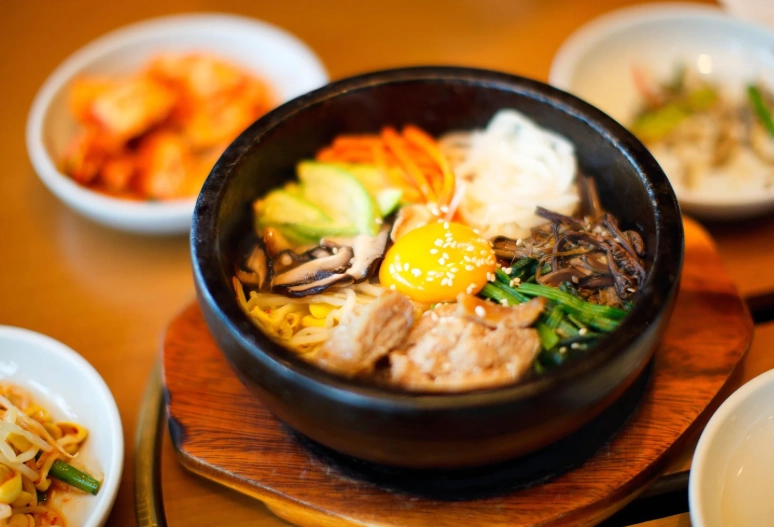
2. Ganjang (간장) - The Essential Soy Sauce
This isn't your average soy sauce. Traditional Korean ganjang is a byproduct of making doenjang. The liquid that rises to the top during the fermentation of the soybean blocks is drawn off and aged. It's darker, richer, and less sweet than many Japanese or Chinese varieties. It's used for seasoning, marinating, and dipping. The quality of your ganjang directly affects the clarity and flavor of your broths and sauces.
3. Gochujang (고추장) - The Fiery Soul
The rockstar of the trio. This thick, red paste is made from fermented chili powder, glutinous rice powder, fermented soybean powder (meju garu), and salt. The magic is in the fermentation, which transforms sharp heat into a deep, sweet, spicy, and slightly smoky flavor. It's not just about burning your mouth; it's about building a complex base for sauces, stews (tteokbokki, anyone?), marinades, and dips. No other ingredient captures the essence of traditional Korean cuisine's boldness quite like it.
These three work in concert. A classic soup might use a base of doenjang for body, a splash of ganjang for saltiness, and a dollop of gochujang for warmth and depth. It's a masterclass in layered flavor building.
The Pillars of a Traditional Korean Meal: What's Actually on the Table?
Forget the single main course concept. A proper traditional Korean meal is a symphony of small plates centered around a few key pillars. It can look intimidating, but there's a beautiful logic to it.
Bap (밥) – The Essential Grain
This is the anchor, the center of the universe on the Korean table. It's almost always rice (usually short-grain), but can also be other grains like barley, millet, or beans mixed in. It's not a side dish; it's the main source of sustenance. Every other dish is designed to be eaten with a bite of bap. The rice mellows out strong flavors, provides texture contrast, and ensures the meal is filling. A meal without rice often doesn't feel like a proper meal in this cuisine.
Guk or Jjigae (국 / 찌개) – The Liquid Comfort
Soup is non-negotiable. Guk are usually clearer, lighter broths (like miyeokguk, seaweed soup). Jjigae are thicker, heartier, and often spicier stews (like kimchi jjigae or the aforementioned doenjang jjigae). They provide warmth, hydration, and a burst of concentrated flavor. They're typically shared from a central pot, fostering a sense of community at the table. On a cold day, a bubbling pot of jjigae is the ultimate comfort food.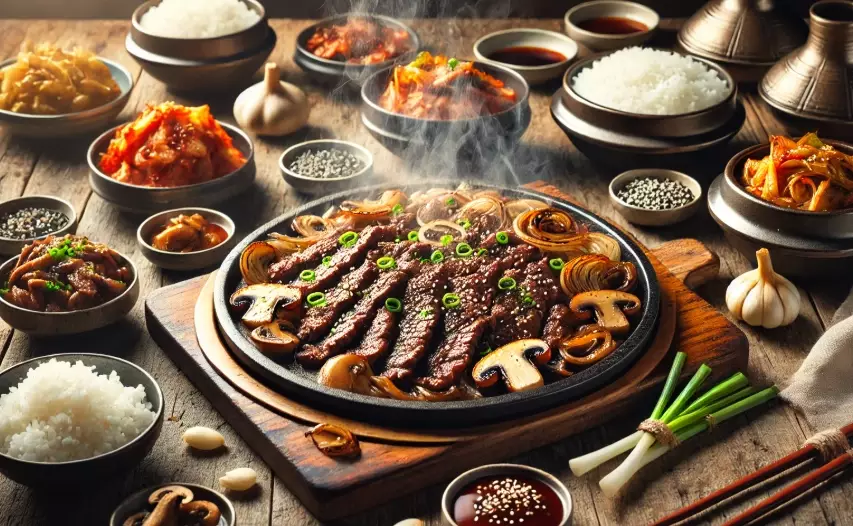
Kimchi (김치) – The Iconic Banchan
Yes, it gets its own category. Kimchi is the most famous of the banchan (side dishes), but it's in a league of its own. There are hundreds of varieties, but the most common is baechu kimchi (napa cabbage kimchi). It's sour, spicy, crunchy, and packed with probiotics. It's served at almost every meal, acting as a palate cleanser, a digestive aid, and a flavor booster. No discussion of traditional Korean cuisine is complete without acknowledging kimchi's central role. Its cultural significance is even recognized by UNESCO, which inscribed kimjang, the communal act of making kimchi, on its Intangible Cultural Heritage list.
Banchan (반찬) – The Supporting Cast
This is where the variety explodes. Banchan are the small side dishes that surround the rice and soup. A modest meal might have 3-5; a feast can have 20 or more. They ensure nutritional balance and a variety of tastes and textures in every bite. They can be:
- Namul (나물): Seasoned vegetable dishes, often blanched or sautéed (spinach, bean sprouts, bracken fern).
- Bokkeum (볶음): Stir-fried dishes (like jeyuk bokkeum, spicy pork).
- Jeon (전): Savory pancakes (like kimchijeon or pajeon, scallion pancake).
- Jorim (조림): Dishes braised in a seasoned sauce (like jangjorim, braised beef).
The beauty is in the combination. You take a bite of rice, a piece of savory braised meat from one bowl, some crunchy seasoned spinach from another, and a bit of kimchi, all in one mouthful. It's interactive and personal.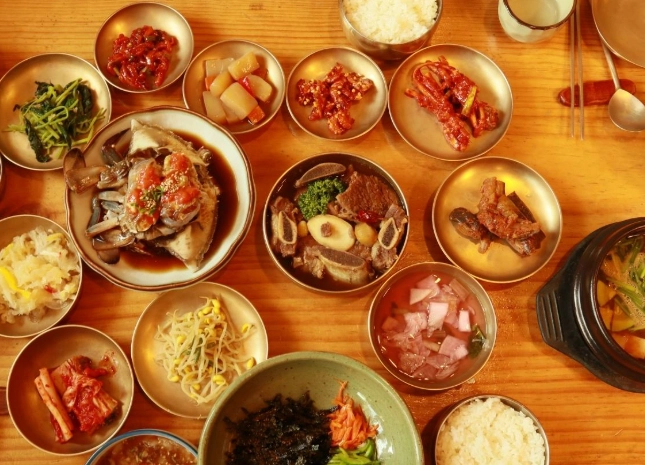
| Meal Component | Primary Role | Key Example | Flavor Profile |
|---|---|---|---|
| Bap (Rice) | Anchor, Sustenance | White Rice, Multi-Grain Rice | Neutral, Starchy |
| Guk/Jjigae (Soup/Stew) | Hydration, Warmth, Focus | Doenjang Jjigae, Kimchi Jjigae | Savory, Umami, Often Spicy |
| Kimchi | Palate Cleanser, Probiotic, Flavor | Baechu Kimchi (Napa Cabbage) | Sour, Spicy, Fermented, Crunchy |
| Banchan (Side Dishes) | Balance, Variety, Nutrition | Seasoned Spinach (Sigeumchi Namul), Braised Potatoes (Gamja Jorim) | Varies: Salty, Sweet, Nutty, Fresh |
| Main Protein (if separate) | Centerpiece (in modern meals) | Grilled Galbi, Braised Fish (Jorim) | Savory, Grilled, Braised |
Must-Try Dishes That Define the Experience
Okay, theory is great, but what should you actually eat? Here's a list of dishes that are absolute cornerstones. This isn't an exhaustive list, but if you work your way through these, you'll have a fantastic grasp of the cuisine's range.
Beyond BBQ: The Real Staples
- Bibimbap (비빔밥): The name means "mixed rice." It's a bowl of warm rice topped with an array of namul (seasoned vegetables), a fried egg, gochujang, and sometimes meat. You mix it all together vigorously just before eating. It's a perfect, complete meal in a bowl and showcases the harmony principle beautifully. The Korean Ministry of Culture, Sports and Tourism often highlights it as a quintessential dish for newcomers.
- Kimchi Jjigae (김치 찌개): The ultimate comfort stew. Made with well-fermented (sour) kimchi, pork (usually belly), tofu, and vegetables in a spicy, savory broth. It's hearty, pungent, and incredibly satisfying. Perfect with a bowl of rice.
- Samyetang (삼계탕): A whole young chicken stuffed with glutinous rice, ginseng, jujubes, and garlic, then simmered in a delicate broth. It's a summer dish, eaten to combat heat fatigue. The broth is clean, the chicken falls off the bone, and the rice inside becomes porridge-like. It's nourishing and subtle.
- Haemul Pajeon (해물 파전): A savory seafood and scallion pancake. Crispy on the edges, chewy in the middle, packed with scallions and bits of squid, shrimp, or clams. Served with a soy-vinegar dipping sauce. It's a classic accompaniment to rainy days and makgeolli (rice wine).
- Kongguksu (콩국수): A cold summer noodle dish served in a creamy, unsweetened soy milk broth. It's nutty, refreshing, and often topped with cucumbers and tomatoes. It shows the cuisine's incredible range—it's not all about fiery red colors.
How to Actually Eat It: A No-Nonsense Guide for Visitors
You've got the knowledge, now let's talk practice. How do you navigate a traditional meal without feeling lost?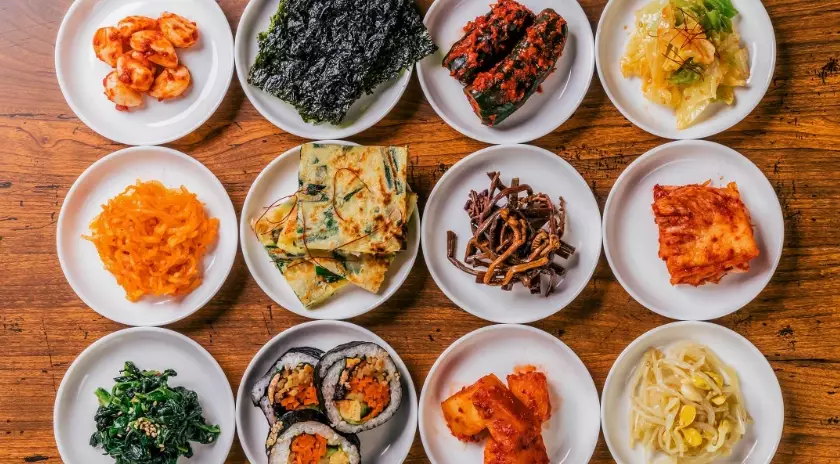
Finding an Authentic Restaurant
Look for places that are busy with locals, not just tourists. Signs of authenticity: menus focused on specific stews or sets (hanjeongsik), lots of side dishes served automatically, and maybe a slightly dated interior (often a good sign!). Don't be afraid of places with plastic stools and shared tables. Some of the best traditional Korean cuisine I've had came from unassuming, hole-in-the-wall joints.
Ordering and Eating Etiquette (The Relaxed Version)
Koreans are generally forgiving of foreigners, but knowing a few basics goes a long way.
- Sharing is Caring: Most dishes are meant to be shared from the center. Use your own spoon to take soup from the shared pot, but use the serving spoons provided for side dishes.
- Rice Bowl Respect: Don't hold your rice bowl in your hand while eating (unlike in some East Asian cultures). It stays on the table. Use your spoon for rice and soup, chopsticks for everything else.
- The Elders First: A deep-seated Confucian practice. If you're with older people, let them start eating first. It's a sign of respect.
- Soju Rituals: If drinking soju, never pour your own glass. Pour for others, and they will pour for you. Receive a pour with two hands. When an elder pours for you, hold the glass with two hands.
Regional Variations: A Quick Tour
Korea isn't a monolith. The food changes as you travel.
- Jeolla-do: Known as the "breadbasket," it's famous for rich, complex flavors and abundant side dishes. Jeonju is the birthplace of bibimbap and is known for its incredible hanjeongsik.
- Gyeongsang-do: Saltier, spicier, and more pungent. Busan is famous for its seafood, like hoe (raw fish) and milmyeon (wheat noodles).
- Jeju Island: Unique ingredients abound. Think black pork, fresh seafood, and hearty dishes like okdom gui (grilled tilefish).
- Seoul: A melting pot of everything, with a strong presence of royal court cuisine influences and modern interpretations.
Why All the Hype? The Health Angle (Backed by More Than Just Hype)
The global interest in traditional Korean cuisine isn't just about flavor. There's a solid health foundation that modern science is increasingly validating.
The core components are inherently healthy: a base of whole grains (rice, barley), a huge volume of vegetables (often fermented), lean proteins (tofu, fish, legumes), and healthy fats from sesame oil and seeds. The cooking methods often involve steaming, blanching, boiling, and fermenting, rather than heavy frying.
Fermentation is the real superstar. Kimchi and the jang pastes are packed with live probiotics (like Lactobacillus), which promote gut health. A healthy gut microbiome is linked to improved digestion, immunity, and even mental health. The fermentation process also increases the bioavailability of vitamins and creates beneficial compounds like isoflavones in doenjang.
Research, including studies referenced by institutions like the Korea Food Research Institute, has explored the potential benefits of key ingredients. Kimchi has been studied for its antioxidant, anti-inflammatory, and even anti-obesity properties. Gochujang's capsaicin may boost metabolism. The overall dietary pattern—high in fiber, fermented foods, and plant-based ingredients—aligns closely with what nutritionists today consider a longevity diet.
Your Burning Questions, Answered
Bringing It Home: How to Start Exploring
- Visit a Korean Grocery Store: This is your playground. Pick up a jar of decent kimchi (look for ones that need refrigeration), a tub of gochujang, and some doenjang. These are your starter pack.
- Try One Simple Recipe: Don't start with a feast. Make kimchi jjigae. It's forgiving. Sauté some pork, add kimchi, water, a spoon of gochujang, a spoon of doenjang, add tofu and onions. Simmer. Serve with rice. You've just made a cornerstone dish.
- Find a Local Hanjeongsik Restaurant: If you have a Koreatown nearby, search for restaurants offering "hanjeongsik" or "Korean course meal." It's the best investment for a comprehensive tasting experience.
- Watch and Learn: Shows like Netflix's "Korean Pork Belly Rhapsody" or YouTube channels dedicated to home cooking (like Maangchi, a beloved resource) can demystify the process.
Traditional Korean cuisine is a journey. It's a living, breathing culture of food that's evolved over millennia but held onto its core principles of balance, seasonality, and fermentation. It can be bold and fiery, but also subtle and restorative. It's designed not just to fill you up, but to make you feel well. So next time you see that table full of colorful banchan, see it for what it is: an invitation to experience a history, a philosophy, and a profound love for good food, all shared from the center of the table.
Go on, take that bite of rice, grab a piece of kimchi, and mix it with a bit of stew. That's where the magic happens.