In This Article
Let's be honest, when most people think of Southeast Asian food, Thailand and Vietnam steal the spotlight. Lao cuisine? It often gets lumped in with its neighbors or, worse, completely overlooked. I used to think that way too, until I spent a month eating my way through Laos. Let me tell you, that was a culinary wake-up call. The food there has a personality all its own—bold, rustic, unapologetically flavorful, and deeply connected to the land and the Mekong River. If you're curious about Lao dishes, you're in for a treat. This isn't just a list of foods; it's a guide to understanding a culture through its plate.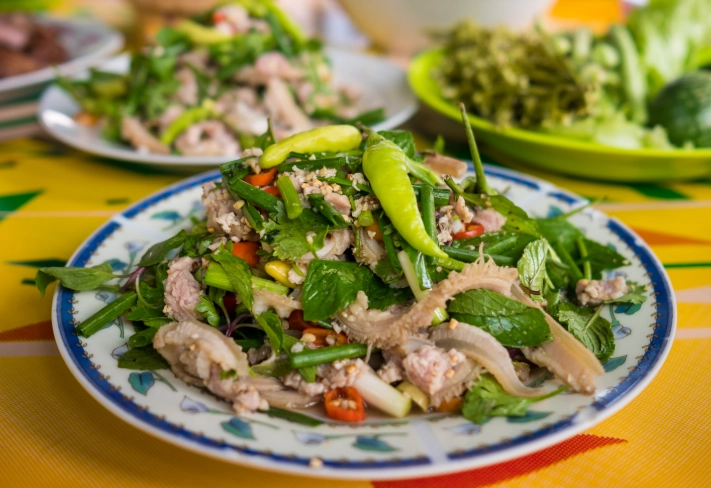
The heart of Lao food isn't complicated. It's about fresh herbs, fiery chilis, funky fermented sauces, and the all-important sticky rice. But the magic is in the balance. It's a cuisine that demands participation, eaten with your hands, shared from communal plates. Forget fancy plating; here, flavor is king.
What Makes Lao Food, Well, Lao?
Before we dive into the specific dishes, you gotta get the vibe. Lao cuisine isn't just about copying Thai food. Sure, they share borders and some ingredients, but the soul is different. The official tourism site of Laos often highlights its culinary heritage as a key part of the visitor experience, and for good reason.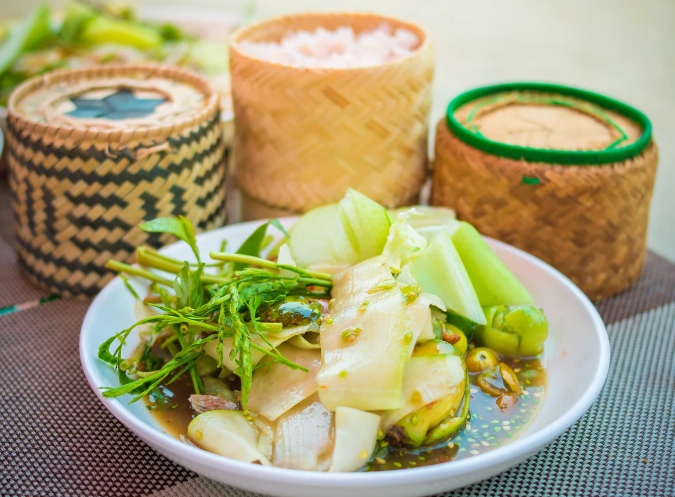
First, there's sticky rice (khao niao). This isn't a side dish; it's the utensil. You eat it with your hands, rolling it into little balls to scoop up other foods. A meal without it feels incomplete. Then, there's padaek. This fermented fish sauce is the umami bomb of Lao cooking. It's thicker, funkier, and more intense than the Vietnamese or Thai fish sauce you might know. It's in everything, giving a deep, savory backbone to soups, dips, and stews.
And the herbs! Mint, cilantro, dill, sawtooth coriander—they're not delicate garnishes. They're piled on in generous handfuls, adding a crazy fresh, aromatic punch to every bite.
The Holy Trinity of Lao Flavors
If I had to break it down, most Lao dishes dance around three core flavor profiles:
- Spicy & Tart (Ped & Priaw): Think larb. Fresh chilis and lime juice create a mouthwatering, sweat-inducing combination.
- Savory & Fermented (Khem & Men): This is where padaek shines. Dishes like or lam (a thick stew) embody this deep, satisfying flavor.
- Herbal & Fresh (Bai): Salads and raw dishes like yam rely on massive amounts of fresh herbs to create a light, cleansing effect.
The Must-Try Lao Dishes (No Excuses)
Okay, let's get to the good stuff. Here are the Lao dishes you absolutely cannot miss. I've ranked them not by popularity, but by how essential they are to understanding the cuisine.
Larb (or Laap) – The National Dish
Calling larb a "minced meat salad" does it a massive disservice. It's the iconic Lao dish for a reason. Typically made with chicken, duck, pork, or fish, the meat is lightly cooked or even served raw (if you're brave and it's super fresh), then tossed with a riot of herbs, ground toasted rice for texture, lime juice, fish sauce, and an army of fresh chilis. The version from the TasteAtlas global food encyclopedia often cites Larb as a definitive Southeast Asian dish, but its Lao origins are key.
There's a debate: some places serve it more like a Thai-style salad, but the authentic Lao larb often has a more rustic, meaty texture and a heavier hand with the herbs and padaek. It's served at room temperature with a plate of crunchy raw vegetables and, of course, sticky rice.
Tam Mak Hung (Green Papaya Salad)
You know som tam from Thailand? The Lao version, tam mak hung, is its grittier, funkier cousin. The main difference? Padaek. That fermented fish sauce replaces the thinner Thai fish sauce, giving the salad a much deeper, umami-rich flavor. It's also often less sweet. The process of making it—pounding garlic, chilis, and green beans in a mortar before adding the shredded papaya—is a spectacle in itself. You'll hear the rhythmic thumping from street food stalls everywhere.
Some versions include salted black crab, which adds a briny, crunchy element. It's a perfect, refreshing yet powerfully flavorful dish, especially in the heat.
Khao Piak Sen – The Ultimate Comfort Food
This is the Lao chicken noodle soup for the soul. Thick, hand-pulled rice noodles swim in a rich, peppery broth made from long-simmered pork or chicken bones. It's topped with tender meat, fried garlic, and a mountain of fresh herbs. The noodles are soft and chewy, almost like a dumpling skin. It's a breakfast staple, a hangover cure, and a comfort meal all in one. I had a bowl at a tiny stall at 7 AM in Luang Prabang, and it's a memory that still warms me up. It's less flashy than larb or tam mak hung, but it shows the humble, nourishing side of Lao cooking.
Or Lam (Aw Lam) – The Hearty Stew
Hailing from Luang Prabang, this is a dish for true adventurers. It's a thick, woody stew made with buffalo skin and meat, eggplant, lemongrass, sakhan (a woody vine that gives a unique tingling sensation), and plenty of padaek. The texture is gelatinous from the buffalo skin, and the flavor is deeply savory, earthy, and complex. It's not for everyone—the texture can be challenging—but it's a profound example of how Lao cuisine uses every part of the animal and forages from the forest.
Navigating a Lao Meal: How to Eat Like a Local
Knowing the dishes is half the battle. The other half is knowing how to eat them. It's a social, hands-on affair.
- Sticky Rice is Your Tool: Take a small handful from the communal basket, roll it into a firm ball with your fingers. Use this ball to scoop up a bit of larb, some herb, and a piece of vegetable. Pop the whole thing in your mouth.
- It's All Shared: Dishes are placed in the center. You don't get your own plate of pasta. You take a bit from here, a bit from there, assembling each bite on your own small personal plate or just over your rice basket.
- Embrace the Dips (Jaew): Lao meals feature various jaew—dipping sauces made from roasted chilis, eggplant, tomatoes, or fish. They're meant to be eaten with sticky rice, grilled meat, or vegetables. They add another layer of explosive flavor.
My tip: Watch how the locals around you are eating. Don't be shy to mimic them. They usually appreciate the effort, even if you're a bit clumsy at first (I certainly was).
A Quick Guide to Key Lao Dishes
Here’s a snapshot to help you remember what’s what when you’re looking at a menu or a market stall.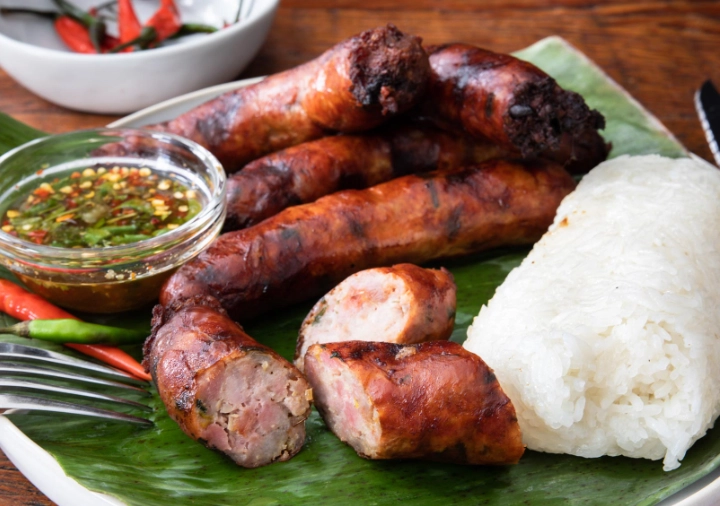
| Dish Name | What Is It? | Key Flavors | Must-Try For... |
|---|---|---|---|
| Larb (Laap) | Minced meat "salad" with herbs & toasted rice | Spicy, tart, herbal, savory | The quintessential Lao experience |
| Tam Mak Hung | Pounded green papaya salad | Fiery, sour, funky (from padaek) | Papaya salad lovers seeking depth |
| Khao Piak Sen | Hand-pulled rice noodle soup | Peppery, savory, comforting | A hearty, soul-warming meal |
| Or Lam | Hearty buffalo & herb stew | Earthy, gelatinous, deeply savory | Adventurous eaters |
| Mok Pa | Fish steamed in banana leaves | Herbal, lemony, moist | A delicate, aromatic fish dish |
| Ping Kai | Grilled marinated chicken | Smoky, sweet, garlicky | Perfect street food snack |
Common Questions About Lao Dishes (Stuff You Were Afraid to Ask)
Bringing Lao Flavors Home: Key Ingredients
Want to try your hand at cooking some Lao dishes? You'll need to find a good Asian grocery store. Here's your shopping list:
- Sticky Rice (Glutinous Rice): Get the long-grain variety specifically labeled for steaming. You'll also need a bamboo steaming basket.
- Padaek: This is the hardest to find but most crucial. Look for jars labeled "Lao fermented fish sauce" or "Pla Ra" (the Thai version, which is similar). The smell is intense, but it's the flavor secret.
- Galangal & Lemongrass: Fresh is best. They form the aromatic base of many soups and pastes.
- Dill (Lao Variety): Lao cooking uses a specific, feathery type of dill. Regular dill works in a pinch.
- Dried Red Chili Flakes & Fresh Bird's Eye Chilis: For heat.
The Final Bite
Exploring Lao dishes is more than just eating; it's engaging with a culture that values community, freshness, and bold, unadulterated flavor. It's a cuisine that hasn't been polished for global consumption. It's rough around the edges, powerfully spicy, and incredibly rewarding.
It challenges your palate in the best way possible. From the communal joy of sharing a basket of sticky rice to the fiery kick of a perfect tam mak hung, Lao food leaves an impression. It might just become your new favorite Southeast Asian cuisine. Mine, for sure, has a permanent spot for it right at the top.
So, the next time you see a Lao restaurant or find yourself planning a trip to Southeast Asia, skip the usual suspects for a day. Dive into the world of Lao dishes. Your taste buds will thank you, even as they beg for mercy from the chili.