Quick Navigation
- Toyosu Market: The Modern Leviathan
- What You Actually Do at Toyosu
- Tsukiji Outer Market: The Beating Heart
- Navigating the Maze: What to Eat
- The Practical Guide: Timing, Costs, and Not Being 'That Tourist'
- Toyosu vs. Tsukiji Outer Market: A Side-by-Side
- Etiquette: Do's and Don'ts
- A Sample Itinerary That Actually Works
- Answering Your Burning Questions (The FAQ Section)
Let's be honest. When you think of a Tokyo seafood market, you probably picture one giant, chaotic fish market. I did too, before I spent a week getting lost in them. The reality is more complex, and honestly, way more interesting. There isn't just one "Tokyo fish market"—there's the new, high-tech wholesale giant and the old, soulful neighborhood that refused to die. Navigating them is a skill, and getting it right means the difference between a forgettable tourist stop and a core food memory.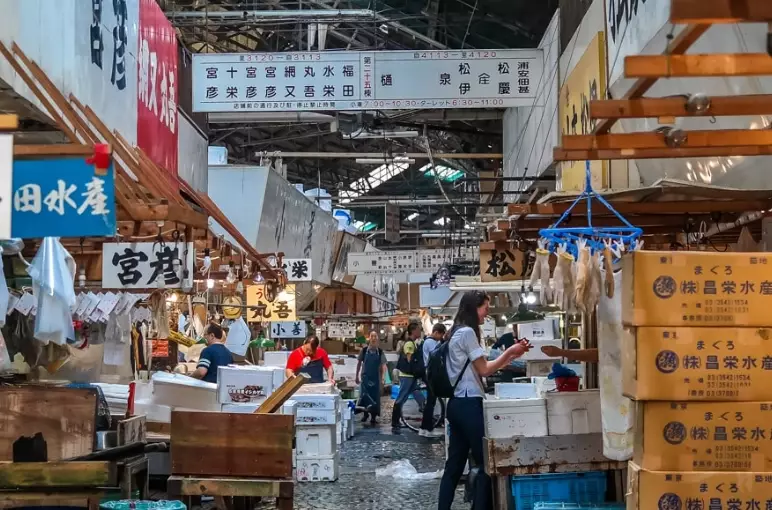
I remember my first visit to the old Tsukiji inner market years ago. The energy was insane. It felt raw and real. Then it moved. The new place, Toyosu, is... different. Efficient. Clean. Almost too clean. But here's the thing: both experiences, the old and the new, along with the surviving outer market, are essential to understanding Tokyo's relationship with the sea. This guide isn't about listing facts you can find anywhere. It's about giving you the context, the unspoken rules, and the practical know-how to plan a visit that actually makes sense for you.
Toyosu Market: The Modern Leviathan
Toyosu Market is the successor. It's the world's largest wholesale seafood market, built to replace the aging Tsukiji. Think of it as a massive, state-of-the-art seafood logistics hub. It's impressive in scale, but it can feel distant. The wholesale areas are on a different floor, viewed from behind glass observation decks. It lacks the gritty, tactile charm of the old place. Some people hate that. I get it. But dismissing it is a mistake.
What You Actually Do at Toyosu
The experience is structured. There are three main buildings: the "Uogashi" (Fish Wholesale), the "Produce" market, and the "Management" building which has a food court and supermarket. For visitors, the main draws are the observation decks and the eating.
The famous tuna auction happens in the Fish Wholesale building. You can view it from an observation corridor on the second floor. No more lining up at 3 AM for a limited spot in a cramped room. Now, it's first-come, first-served from a spacious gallery. Is it as thrilling? Not quite. The glass muffles the sound, and you're farther away. But you can see everything clearly, and you can show up at 5:30 AM instead of 2 AM. That's a trade-off I'll take most days.
Then there's the general wholesale floor observation deck. This is a long corridor overlooking the cavernous space where wholesalers cut and sell giant tuna, parcels of uni (sea urchin), and every other sea creature imaginable. Watching the electric carts zip around is mesmerizing. It's like watching a perfectly choreographed ballet of commerce.
The Toyosu Food Scene: Where to Eat
The food options are good, but they're clustered. The "Uogashi" building's second floor has a small lineup of stalls. The Management Building's food court is larger. The quality is generally very high, but it feels a bit... curated. You won't find the hidden, dusty gem here. You'll find established names serving impeccable sushi bowls, grilled shellfish, and tempura.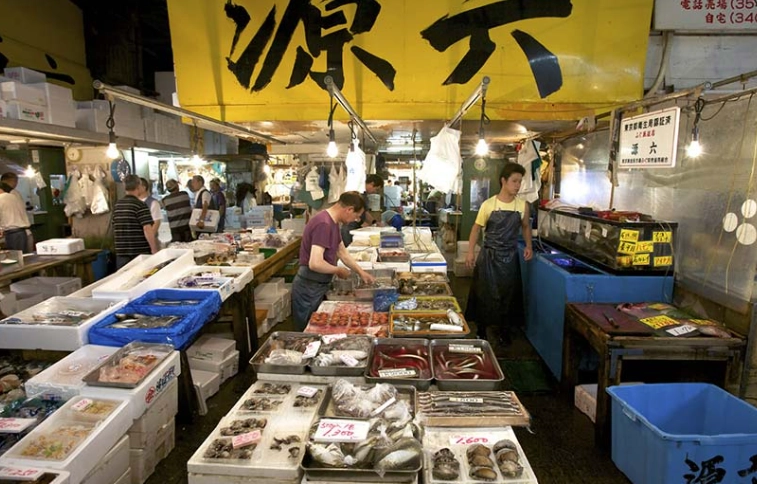
I had a *kaisen-don* (seafood rice bowl) at one of the food court stalls. It was fantastic—pristinely fresh salmon, tuna, ikura, and uni. But it was also exactly what I expected. It lacked the surprise of stumbling upon a tiny stall in the old outer market. That's Toyosu in a nutshell: reliable, high-quality, and a bit predictable.
Tsukiji Outer Market: The Beating Heart
This is where the soul of old Tsukiji lives on. While the inner market moved, the hundreds of small retail shops, restaurants, and stalls surrounding it stayed. This is the Tokyo seafood market experience most food lovers are actually craving. It's crowded, it's loud, it's packed with smells (good and fishy), and it's utterly alive.
The streets are narrow and packed. You'll dodge delivery carts, tourists wielding skewers of grilled scallops, and locals buying their dinner ingredients. It's sensory overload in the best way. This is not a wholesale market; it's a retail and dining destination. You come here to eat, to browse, and to soak in the atmosphere.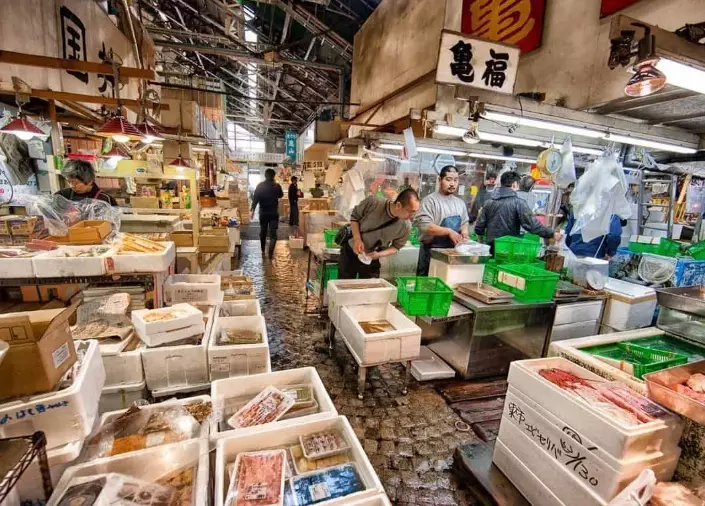
Navigating the Maze: What to Eat (A Non-Exhaustive List)
You could spend a full day eating your way through the outer market. The key is to pace yourself and follow the crowds (and your nose). Here’s a breakdown of must-try categories:
- Freshly Grilled Seafood Skewers: Look for stalls with grills billowing smoke. Hokkaido scallops (*hotate*), giant prawns (*ebi*), and fatty cod (*tara*) are classics. Eat them on the spot, standing up.
- Tamagoyaki (Japanese Omelette): Several specialized shops sell this sweet, layered omelette. It's a Tsukiji icon. Get a slice warm. It's a perfect blend of savory and sweet.
- Sushi for Breakfast/Lunch: There are famous, perpetually-queued places like Sushi Bun and smaller, local-favorite counters. The fish is, unsurprisingly, as fresh as it gets. A tip: the deeper you go into the side alleys, the shorter the lines tend to be, often with no drop in quality.
- Kaisen-don Bowls: Similar to Toyosu, but often with more character. Look for bowls overflowing with uni, ikura, and negitoro (minced tuna belly).
- Street Food Oddities: Fried fish cakes, giant oysters, sea urchin straight from the shell, even whale meat (a controversial but traditional item). Be adventurous.
I once followed a local office worker into a tiny, six-seat counter for lunch. No English menu, just the chef's recommendation. I got the *omakase* donburi. What arrived was a masterpiece of seasonal seafood I couldn't even all name. It cost less than a generic sushi set in Ginza. Those moments are what the outer market is about.
Shopping for Kitchen Souvenirs
This isn't just for eating. You can buy beautiful Japanese kitchen knives (many shops offer engraving), ceramics, dried seafood, kelp, and premium tea. The prices for high-quality knives here are often better than in department stores. Just remember you'll need to check them in your luggage on the way home.
The Scale of It All: On a typical day, Toyosu Market handles over 1,800 tons of seafood. Over 500 species pass through its auctions. Tsukiji Outer Market welcomes tens of thousands of visitors daily. These numbers aren't just stats; they explain the energy you feel on the ground.
The Practical Guide: Timing, Costs, and Not Being "That Tourist"
Alright, let's get down to brass tacks. How do you actually plan this?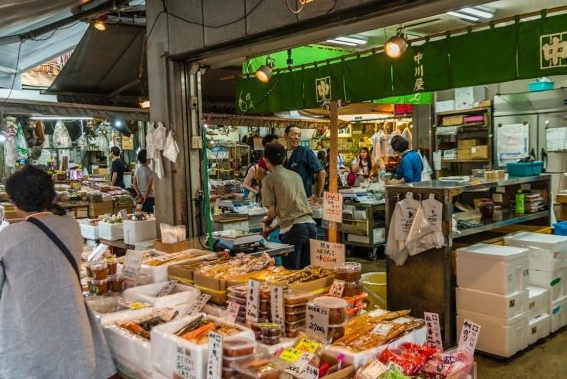
Toyosu vs. Tsukiji Outer Market: A Side-by-Side
| Aspect | Toyosu Market (Inner Market) | Tsukiji Outer Market |
|---|---|---|
| Primary Vibe | Modern wholesale hub, observational | Traditional retail & dining district, immersive |
| Best For | Seeing the tuna auction, understanding scale, eating at famous relocated sushi bars | Street food, atmosphere, exploring small shops, spontaneous eating |
| Ideal Time to Visit | Very early (5:00-9:00 AM) for auctions, late morning for food | Morning through early afternoon (shops close ~2-3 PM) |
| Getting There | Shijomae Station (Yurikamome Line), a short walk | Tsukiji Station (Hibiya Line), right at the entrance |
| Budget for Food | Higher (¥3,000 - ¥10,000+ for a sushi meal) | Flexible (¥500 for a skewer to ¥3,000 for a nice bowl) |
| Crowd Level | Concentrated at observation decks & top restaurants | Consistently heavy throughout the streets |
| My Personal Preference | Once for the spectacle, then I'm good | Every time I'm in Tokyo; it's never the same twice |
Etiquette: Do's and Don'ts
This is crucial. The markets are workplaces first, tourist attractions second. The official Tokyo Metropolitan Government website and the Japan National Tourism Organization have great resources on general manners, but here are market-specific ones:
- DO NOT touch the seafood unless explicitly invited. This is a major point of friction.
- DO be mindful of your space. The aisles are narrow. Step aside to eat or take pictures. Don't block traffic.
- DO ask before taking close-up photos of people. A smile and a gesture go a long way.
- DON'T bring large suitcases or backpacks. It's inconsiderate and a hazard.
- DO have cash. Many small stalls and shops are cash-only. Plenty of ATMs are around, but don't get caught out.
- DO dispose of trash properly. Public trash cans are rare in Japan. Often, you dispose of skewer sticks and wrappers at the stall you bought from.
Seriously, the touching thing. I've seen vendors get justifiably angry. Just look with your eyes.
A Sample Itinerary That Actually Works
Trying to do both Toyosu and Tsukiji Outer Market in one morning is a recipe for a rushed, stressful time. Here's a better way:
Option A (The Early Bird): Start at Toyosu for the tuna auction (arrive by 5:15 AM). Watch the action until 7:30 AM. Have a legendary sushi breakfast (queue willing) or hit the food court. Then, take the Yurikamome line to Shimbashi and transfer to the Hibiya line to Tsukiji. Arrive at the outer market around 10:30 AM. Now you're there for lunch and shopping as the morning crowd thins slightly. This is a long, food-focused day.
Option B (The Sensible Foodie): Skip the auction. Sleep in. Go directly to Tsukiji Outer Market around 9:30 AM. Spend 3-4 hours exploring and eating at a leisurely pace. Have a late lunch. This is less stressful and lets you enjoy the outer market properly, which for most people is the highlight of visiting a Tokyo seafood market.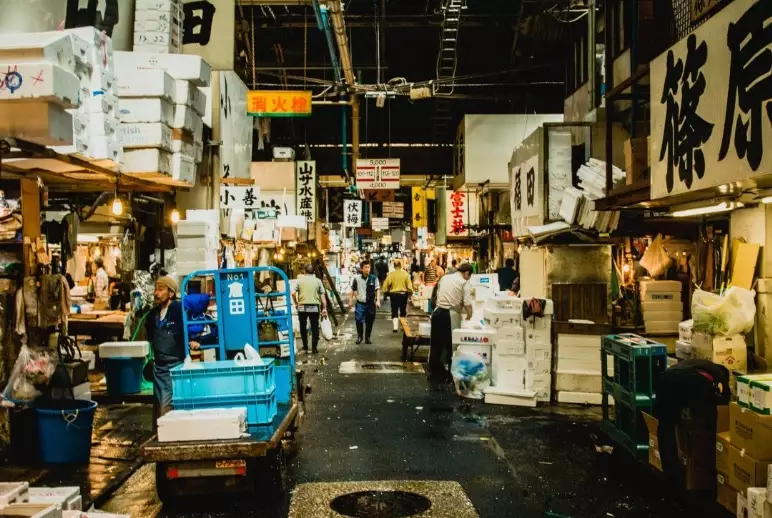
Answering Your Burning Questions (The FAQ Section)
I get asked these questions all the time. Let's clear them up.
Which is better, Toyosu or Tsukiji Outer Market?
They serve different purposes. It's like asking if a factory tour is better than a street food festival. If you have a deep interest in the seafood trade and logistics, Toyosu is fascinating. If you want to eat amazing food in a vibrant atmosphere, Tsukiji Outer Market is your spot. For a first-time visitor with limited time, I'd recommend the Outer Market 9 times out of 10. It's simply more engaging and enjoyable for most people.
Do I need a guided tour?
For Toyosu, maybe. A good guide can explain the auction process and the players on the floor, adding context you'd miss. For the Outer Market, I'm mixed. A food-focused tour can help you skip the research and take you to hidden spots. But half the fun is getting lost and discovering things yourself. If you're an independent traveler who likes to explore, you can absolutely do it alone with a bit of prep.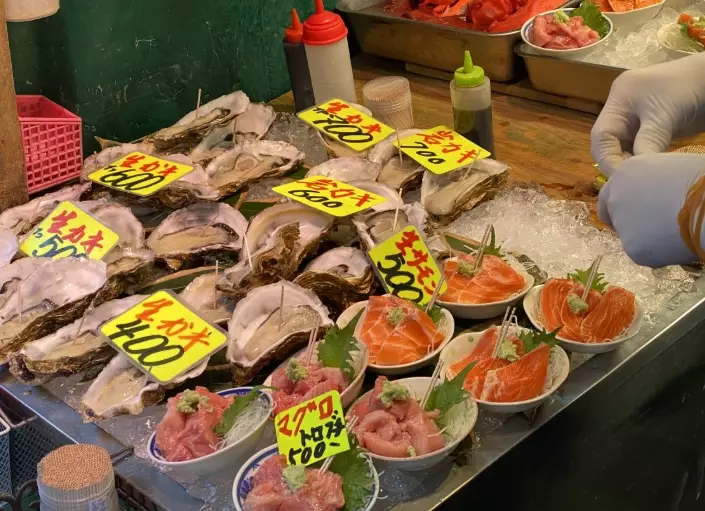
Can I buy fresh seafood to take back to my hotel/Airbnb?
Absolutely, in the Outer Market. Many shops sell sashimi-grade fish, shellfish, and even pre-made packs perfect for a DIY dinner. Some will pack it with ice packs for you. Just make sure you have a fridge and plan to eat it that day. Don't try to export it home, obviously.
Is it safe to eat raw seafood from the street stalls?
In these specific markets, yes. The standards of hygiene and freshness are exceptionally high. This is the supply hub for Tokyo's top sushi restaurants. I've eaten raw oysters, uni, and sashimi from street stalls countless times and never had an issue. Use common sense—go to stalls with a turnover of customers.
What about sustainability? Is visiting ethical?
This is an important question. The global seafood industry has major sustainability challenges. When visiting the Tokyo seafood market, you're at the epicenter of that demand. My view is that being an informed consumer is key. Look for information from sources like the Marine Stewardship Council (MSC). In Japan, awareness is growing. Some vendors now indicate catch method or origin. Asking questions (even with a translation app) shows there's consumer interest. Supporting vendors who are transparent is a small but positive step.
It's a complex issue, but ignoring it isn't the answer.
Final Thoughts: Making It Your Own
Visiting Tokyo's seafood markets isn't a checkbox activity. It's a deep dive into the city's culinary DNA. The key is to let go of the idea of seeing "the" market and embrace the duality: the awe-inspiring efficiency of Toyosu and the chaotic, delicious humanity of Tsukiji's outer streets.
My best piece of advice? Go hungry. Go curious. And for heaven's sake, wear comfortable shoes. You'll be walking and standing for hours. The energy of these places is contagious. You'll see fish you never knew existed, taste flavors that redefine freshness, and witness a daily ritual that has fed a metropolis for generations.
Is it touristy? Parts of it, sure. But at its core, it's real. The salaryman grabbing a quick bowl of tuna don before work is just as much a part of the scene as the Instagrammer with their giant scallop skewer. That blend is what makes it special. So plan, but leave room for spontaneity. Skip the famous three-hour sushi queue if it feels wrong, and duck into the bustling little shop next door instead. That's often where the real magic of the Tokyo seafood market happens.