Quick Guide
- The Soul of the Meal: Understanding the Core of Vietnamese Food
- Non-Negotiable: The Must-Try Vietnamese Dishes
- A Journey Through Regions: Vietnamese Dishes Tell a Story
- Beyond the Main Course: Snacks, Sweets, and Drinks
- How to Actually Order and Eat Vietnamese Food Like You Know What You're Doing
- Your Burning Questions About Vietnamese Dishes, Answered
- Bringing It Home: Learning More and Cooking Vietnamese Food
Let's talk about Vietnamese food. I mean, really talk about it. It's not just Pho, though that's a glorious start. It's this wild, vibrant, and sometimes confusing world of flavors that hits you in the best way possible. Sweet, sour, salty, bitter, and spicy all dancing on your tongue at once. That's the magic. I remember my first real encounter beyond the neighborhood takeout joint. It was a humid day in Ho Chi Minh City, and a tiny plastic stool on the sidewalk was my throne for the next hour. The chaos, the smells, the sheer deliciousness of it all—it completely rewired my idea of what a meal could be.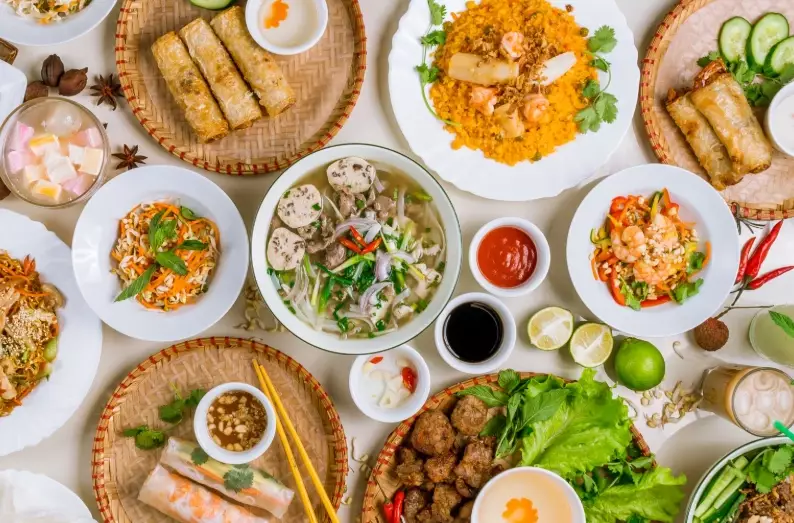
So, what's the big deal? Why are Vietnamese dishes having such a moment globally? It's simple, really. They're fresh, they're balanced, and they make you feel good after eating. No heavy, weighed-down feeling. Just pure, unadulterated flavor that celebrates vegetables, herbs, and clever use of meat and seafood. This guide is my attempt to unpack all of that for you. Think of it as your friendly map to navigating one of the world's most exciting cuisines.
The Soul of the Meal: Understanding the Core of Vietnamese Food
Before we jump into specific dishes, you gotta get the vibe. Vietnamese cooking isn't about overpowering you with one note. It's a symphony. The foundational flavors come from a few key players.
Nước Mắm (Fish Sauce) is the undisputed king. Don't let the idea scare you. Good fish sauce, like the famous brands from Phú Quốc island, is aged, complex, and umami-rich, not just salty fish juice. It's in dressings, marinades, and dipping sauces. It's the salty backbone.
Then you have the herbs. We're not talking a sprinkle of parsley. I'm talking plates full of fresh cilantro, Thai basil, mint, perilla leaves, and sawtooth coriander. You tear them, you pile them into soups and wraps, and their fragrance is non-negotiable.
Rice, in all its forms, is the canvas. Steamed jasmine rice, rice noodles (bánh phở, bún), rice paper (bánh tráng), and rice flour cakes. It's the comforting, neutral base that soaks up all those brilliant flavors.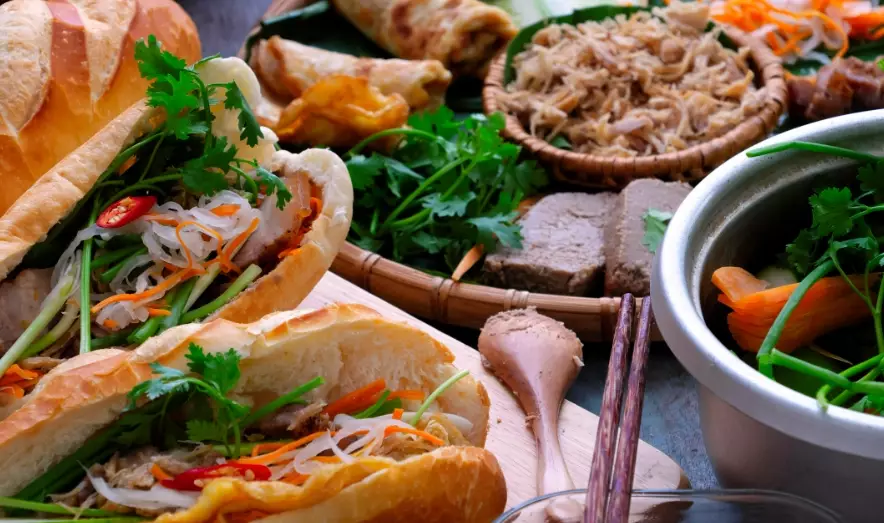
And finally, the broth. Whether it's the clear, spiced broth of Pho or the hearty, pork-based Bun Bo Hue, the broth is often the result of hours, sometimes days, of careful simmering. It's where the soul of many Vietnamese dishes truly resides.
Non-Negotiable: The Must-Try Vietnamese Dishes
Okay, let's get to the good stuff. If you're new to this, start here. These are the classics, the ambassadors of Vietnamese cuisine. You'll find them from Hanoi to Houston, though the versions will argue with each other.
Pho: More Than Just Soup
We have to start here. Pho (pronounced "fuh," not "foe") is arguably the world's most famous Vietnamese dish. It's a deceptively simple bowl of rice noodles in a deeply aromatic beef or chicken broth, topped with slices of meat and a mountain of fresh herbs.
But here's the thing most articles don't tell you: the North-South divide is real. Hanoi-style Pho Bắc is clearer, more focused on the purity of the broth and the quality of the beef. The garnishes are simple: lime, chili, maybe a little garlic vinegar. Saigon-style Pho Nam is sweeter, bolder, and comes with a jungle of herbs, bean sprouts, and hoisin sauce on the side. Which is better? That's a fight I won't start. I lean towards the northern style for its elegance, but I crave the southern style's riot of flavors.
How do you eat it? Don't just dive in. Taste the broth first, plain. Then add your herbs, a squeeze of lime, and chili to your preference. The bean sprouts should go in last so they stay crunchy. Slurping is not just allowed; it's encouraged. It aerates the noodles and cools the broth.
Bánh Mì: The Perfect Sandwich
French colonialism left behind baguettes, and Vietnamese ingenuity created a masterpiece. The Bánh Mì is a crisp, airy baguette smeared with pâté and mayonnaise, then loaded with cold cuts, pickled daikon and carrots, cilantro, cucumber, and chili.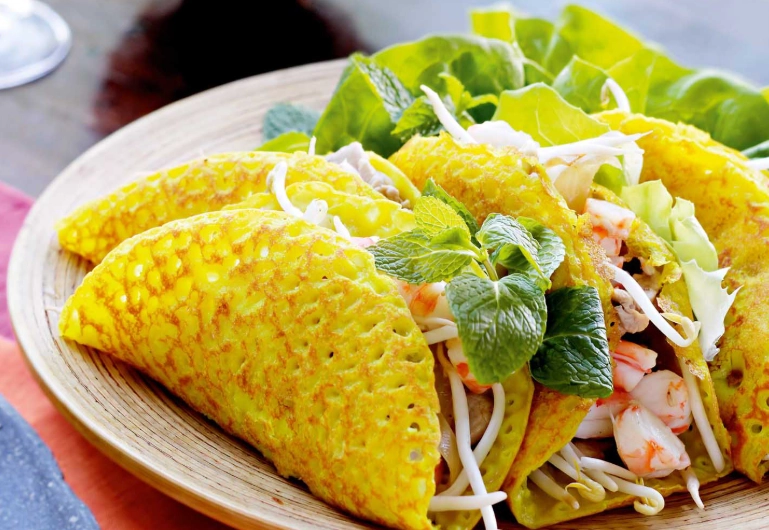
The magic is in the contrast. The crackly crust gives way to a soft interior. The rich, savory pâté meets the bright, acidic pickles. The cool cilantro and spicy chili tie it all together. You can find them with grilled pork, meatballs, or even fried eggs. It's cheap, portable, and utterly satisfying. For a deep dive into its history and cultural significance, the Smithsonian Magazine has a fantastic article on its journey from street food to global icon.
Gỏi Cuốn (Fresh Spring Rolls)
These are the translucent, unfried rolls you see. Rice paper wrapped around shrimp, pork, vermicelli noodles, and loads of herbs. They're light, fresh, and healthy. The key is the peanut hoisin dipping sauce (nước lèo) or a tangy fish sauce dip. They look simple, but rolling them at home without tearing the paper is a skill I'm still mastering. The freshness of the herbs is everything here.
Bún Chả: Hanoi's Grilled Pork Glory
Made famous by Anthony Bourdain and President Obama's meal in Hanoi, Bún Chả is a lunchtime specialty. You get a bowl of smoky, sweet grilled pork patties and slices in a slightly sweet, vinegary fish sauce broth, alongside a plate of cold rice vermicelli (bún) and herbs. You dip the noodles and herbs into the broth, grabbing pieces of pork as you go. It's messy, interactive, and incredibly delicious. The smokiness from the charcoal grill is irreplaceable.
Cơm Tấm: Broken Rice Comfort
The working person's powerhouse plate. Cơm Tấm uses fractured rice grains (once considered less desirable), which have a delightful, slightly sticky texture. It's topped with a grilled pork chop (sườn nướng), a shredded pork and skin cake (chả), a fried egg, and pickled vegetables. It's always served with a side of fish sauce dressing and a bowl of clear soup. It's hearty, savory, and the definition of comfort food. Don't be fancy with it—mix everything together with the sauce.
See what I mean? Just these five dishes offer a crazy range: soup, sandwich, fresh roll, noodle bowl, rice plate. And we're just scratching the surface.
A Journey Through Regions: Vietnamese Dishes Tell a Story
Vietnam is a long, skinny country with diverse climates and histories. The food changes dramatically as you travel. Generalizing is tricky, but here's a rough, incredibly useful map to the culinary landscape.
| Region | Flavor Profile & Characteristics | Signature Dishes You Must Seek Out |
|---|---|---|
| North (Hanoi, Red River Delta) | Subtle, balanced, less sweet. Black pepper is the preferred spice over chili. Broths are clear and refined. A focus on simplicity and purity. | Pho Bắc (Hanoi-style), Bún Chả, Bún Thang (delicate chicken & egg noodle soup), Chả Cá Lã Vọng (turmeric fish with dill). |
| Central (Hue, Da Nang, Hoi An) | Spicy, complex, and visually stunning. Heavily influenced by the royal cuisine of Hue. Smaller portions, intense flavors, and beautiful presentation. | Bún Bò Huế (spicy lemongrass beef noodle soup), Cơm Hến (baby clam rice), Mì Quảng (turmeric noodles), Banh Beo (steamed rice cakes). |
| South (Saigon, Mekong Delta) | Sweet, bold, and herbaceous. Liberal use of sugar, coconut milk, and fresh herbs. Influenced by Khmer, Chinese, and Thai cuisines. Rustic and generous. | Pho Nam (Saigon-style), Cá Kho Tộ (caramelized fish in clay pot), Canh Chua (sour tamarind soup), Hu Tieu (a versatile pork/seafood noodle soup). |
This table just gives you a headline. Let me dig into a couple.
Bún Bò Huế from Central Vietnam is Pho's spicier, beefier, more audacious cousin. The broth is deep red from annatto seed and chili oil, perfumed with lemongrass, and has a funky kick from fermented shrimp paste (mắm ruốc). It has thick round noodles, beef shank, and often pig's blood cubes (optional, and honestly, an acquired taste). It's a punch in the face of flavor, in the best way possible.
Down south in the Mekong Delta, things get sweet and rustic. Cá Kho Tộ is a classic home-cooked dish: a catfish or snakehead fish braised in a clay pot with a rich, sticky sauce of fish sauce, black pepper, and lots of caramelized sugar. It's dark, savory-sweet, and meant to be eaten with lots of steamed rice to soak up that incredible sauce. The Vietnamese government's tourism site, Vietnam Tourism, often highlights these regional specialties as key cultural experiences.
Beyond the Main Course: Snacks, Sweets, and Drinks
Vietnamese meals aren't just about the big dishes. The snack and street food culture is a universe of its own.
Bánh Xèo: A crispy, savory turmeric-infused rice flour crepe stuffed with pork, shrimp, and bean sprouts. You tear off pieces, wrap them in lettuce or mustard leaves with herbs, and dunk them in fish sauce. The sound of it sizzling on the griddle is street food music.
Chè: This is a whole category of sweet soups, puddings, and drinks. They can be hot or cold, with beans, tapioca, jelly, fruit, and coconut milk. Chè Ba Màu (three-color dessert) is a popular one with layers of mung bean, red bean, and green jelly. It's not overly sweet by Western standards, which I appreciate.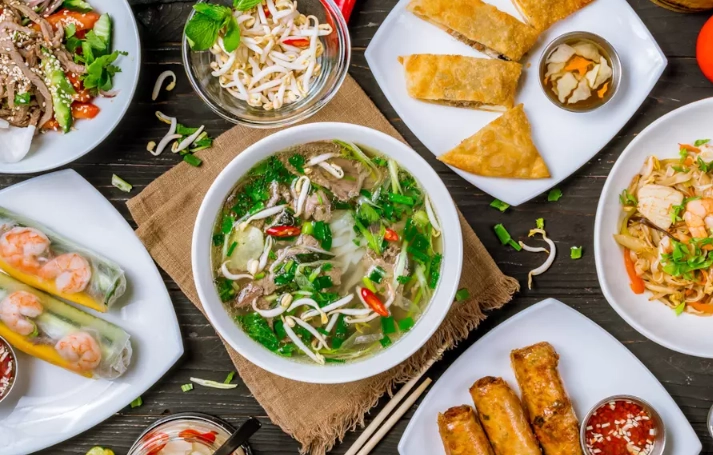
Cà Phê Sữa Đá: Vietnamese iced coffee with condensed milk. Strong, dark roast coffee (often Robusta) dripped slowly through a small metal phin filter onto a layer of sweetened condensed milk, then poured over ice. It's thick, sweet, caffeinated rocket fuel. The hot version, Cà Phê Sữa Nóng, is equally beloved.
And let's not forget the beers. A cold "Bia Hơi" (fresh draft beer) on a sidewalk is a ritual. It's light, cheap, and the perfect accompaniment to salty, savory snacks.
How to Actually Order and Eat Vietnamese Food Like You Know What You're Doing
This is the practical stuff nobody tells you. Walking into a busy Vietnamese restaurant can be intimidating. Here's how to not look like a total newbie.
- Sharing is Caring: Most Vietnamese dishes are meant to be shared family-style. Order a few different things: a soup, a grilled item, a stir-fry, and lots of rice. Everyone gets to try everything.
- Herbs are Not Garnish: That plate of greenery is an integral ingredient. Tear the herbs and add them to your soup, your wraps, your noodle bowl. They add fragrance, texture, and freshness.
- Sauce Customization: The dipping sauces (nước chấm) are usually provided on the side. Don't drown your food in it. Dip lightly. And feel free to adjust the chili level yourself if there's fresh chili available.
- Chopstick Etiquette: It's polite to use the serving spoons provided for shared dishes. Don't dig around with your personal chopsticks. And never stick them upright in your rice bowl—it resembles incense sticks for the dead.
- What to Order Together: Try to balance textures and flavors. If you order a rich, caramelized clay pot dish (like Cá Kho Tộ), pair it with a light, sour soup (like Canh Chua) and a simple stir-fried vegetable. Your palate will thank you.
Your Burning Questions About Vietnamese Dishes, Answered
Is Vietnamese food healthy?
Generally, yes, but it's not a health fad. It's inherently healthy because it's based on fresh ingredients, lots of vegetables and herbs, lean proteins, and broths. However, some dishes can be high in sodium (from fish sauce) or sugar (in certain marinades and southern dishes). Portion control and balance, as with any cuisine, are key.
Is it good for vegetarians?
It can be tricky but is absolutely possible. Buddhist vegetarian cuisine (Ăn Chay) is a strong tradition in Vietnam. Look for dishes marked "chay." However, fish sauce is in *everything*, so you must specify "ăn chay" (vegetarian) or "không có mắm" (no fish sauce). Tofu and mushroom-based dishes are plentiful. For reliable recipes and insights into plant-based Vietnamese cooking, sites like Saveur often feature authentic vegetarian adaptations from expert cooks.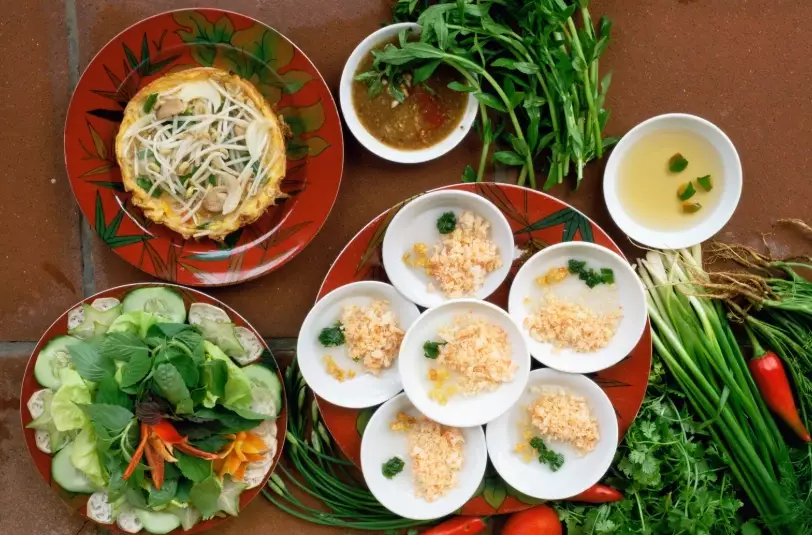
What's the one ingredient I should buy to cook it at home?
Good quality fish sauce. Don't buy the cheapest one. Get a brand from Phú Quốc or one that says "nước mắm nhỉ" (first press). It makes a world of difference. After that, rice noodles and a bag of dried shrimp for umami depth.
Pho vs. Ramen vs. Laksa: What's the difference?
Great question. Pho broth is clear, aromatic from spices like star anise and cinnamon, and not thickened. Ramen broth is usually richer, can be pork or chicken-based (tonkotsu is creamy), and often has a tare seasoning. Laksa (from Malaysia/Singapore) is a coconut milk-based curry soup. All delicious, all completely different personalities.
Bringing It Home: Learning More and Cooking Vietnamese Food
Want to go deeper? The best way is to eat it, of course. Find a well-reviewed local spot and just start ordering. Talk to the owners if they're not too busy.
For cooking, start simple. A basic nước chấm (dipping sauce) is lime juice, sugar, water, fish sauce, and chopped chili and garlic. Master that, and you're halfway to dressing salads, dipping spring rolls, and marinating meats.
For recipes, I'm wary of random blogs that westernize things too much. Look for sources that explain the "why" behind steps. The YouTube channel "Helen's Recipes" is a fantastic resource for authentic, approachable Vietnamese home cooking.
Remember, the world of Vietnamese dishes is vast. This guide is your welcome packet. There are hundreds more dishes—Bánh Cuốn (steamed rice rolls), Bò Lúc Lắc (shaking beef), Ốc (snails)—waiting for you to discover. The journey is as much about the food as it is about the way it's eaten: shared, savored, and celebrated with every sense.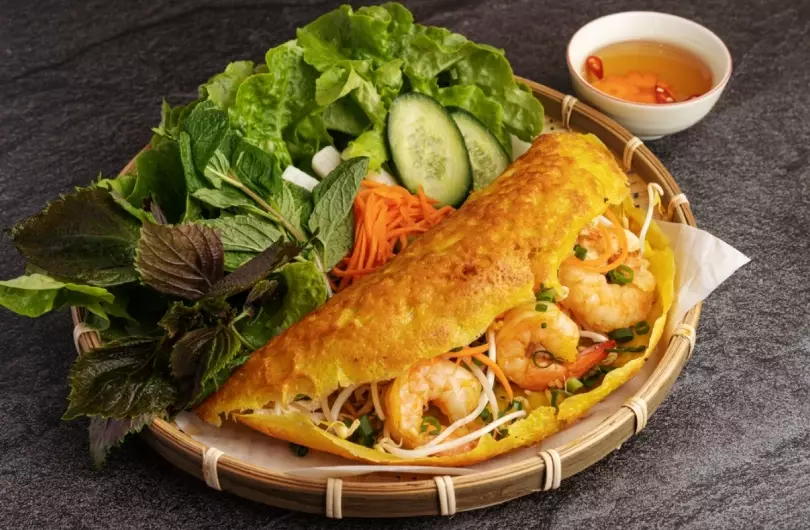
So go on. Find a plastic stool, order something you can't pronounce, and dig in. You might just find your new favorite thing.