Geneva gets labeled an "international city" so often that visitors sometimes overlook its sheer density of things to see. It's not just banks and diplomats. Between the lake and the mountains, you'll find a medieval Old Town whispering history, a colossal fountain defying physics, and museums that tackle the world's biggest issues. Having spent years exploring its corners, I've put together this guide to cut through the generic lists and give you the real must-sees, complete with the nitty-gritty details you need to plan.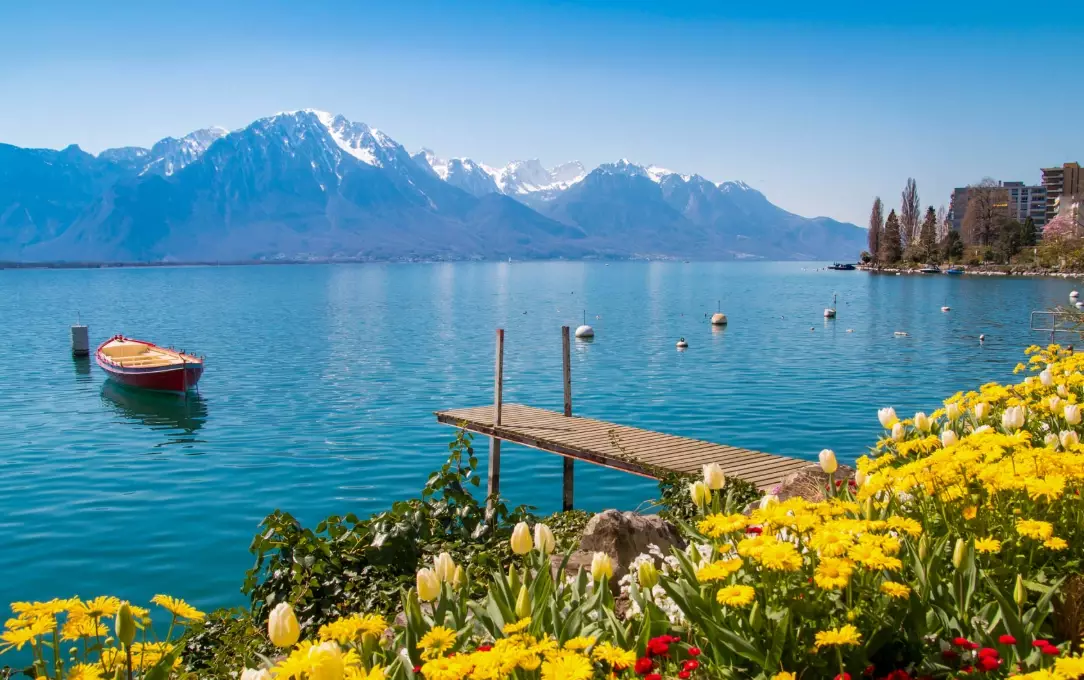
Your Geneva Sightseeing Roadmap
Iconic Landmarks You Can't Miss
Let's start with the postcard shots. These are the sights that define Geneva's skyline.
Jet d'Eau
The 140-meter water plume is the city's heartbeat. Most guides tell you to see it. I'll tell you how to see it. Walking the Jetée des Eaux-Vives pier gets you close enough to feel the spray (on a windy day, you will get wet). For the classic photo with the fountain and Mont Blanc in the background, cross the Mont-Blanc bridge to the left bank. The best light is in the morning. A key detail most miss: The Jet d'Eau doesn't run 24/7. It's usually on from about 10am to sunset, but it's turned off in strong winds and, crucially, from mid-November to early March for maintenance. Always check the Geneva Tourism website for the daily schedule before you go.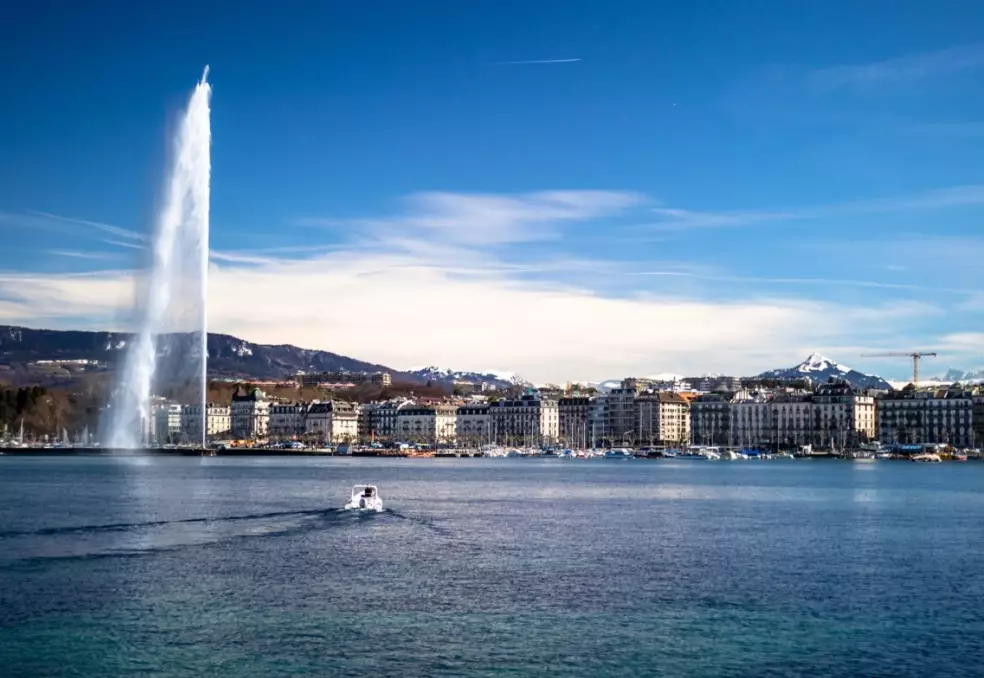
St. Pierre Cathedral
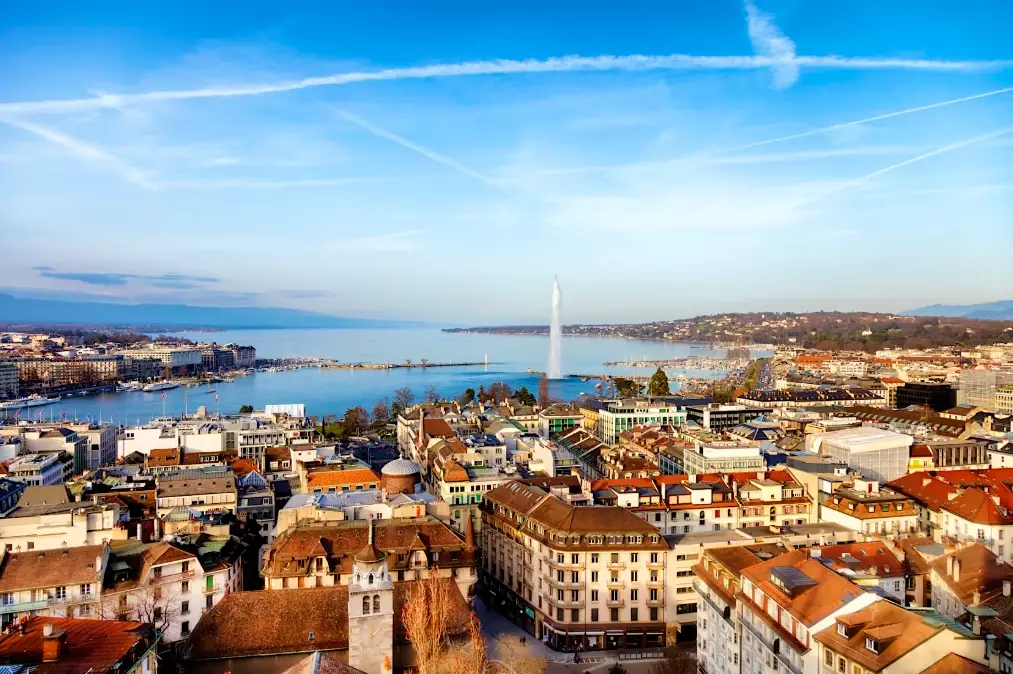
This isn't just another cathedral. The mix of architectural styles tells Geneva's story—Romanesque crypts, Gothic nave, an 18th-century neoclassical facade. The real prize is the climb up the North Tower. 157 steps lead to a panoramic view that puts the city's layout into perfect perspective: the lake, the Old Town's rooftops, the Jet d'Eau, and the Alps. On a clear day, it's unbeatable. The archaeological site underneath (Site Archéologique de la Cathédrale) is a separate ticket and worth it for history buffs, revealing layers of the city dating back to Roman times.
Getting Lost in the Old Town (And Finding Its Gems)
Forget the map for an hour. The Vieille Ville is compact, and its charm is in the cobbled streets, hidden courtyards, and sudden views. Start at Place du Bourg-de-Four, one of Europe's oldest squares, now buzzing with café terraces. It's pricey, but a coffee here is buying the atmosphere.
Maison Tavel & the Reformation Wall
Maison Tavel is Geneva's oldest house and now a museum of urban history. It's free with the Geneva City Pass and gives you a tangible feel for life from the Middle Ages onwards. Don't just glance at the giant relief model of 1850s Geneva—it shows a city before the lake was reshaped. A 10-minute walk away, in the Parc des Bastions, is the Reformation Wall. This 100-meter stone monument features giant statues of Calvin, Knox, and other Protestant reformers. It's imposing and a bit austere, but it explains the city's "Protestant Rome" nickname in one glance.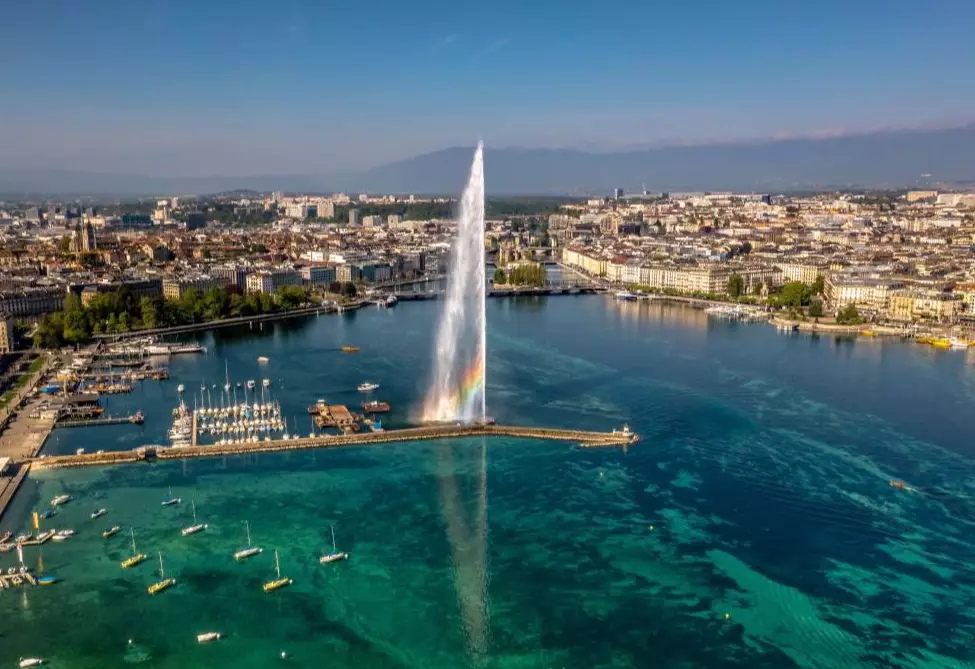
The International Quarter: More Than Just Offices
Across the lake in the Parc de l'Ariana, this area feels different—spacious, green, and serious.
Palais des Nations (UN Office at Geneva)
The European HQ of the UN. The guided tour is the only way inside, and it's a fascinating glimpse into global diplomacy. You'll see the grand Assembly Hall, council chambers, and an overwhelming amount of art donated by member states. The scale is immense. Book your slot online in advance, especially in summer. Security is airport-level, so bring your passport.
The Broken Chair
Right outside the UN gates, this 12-meter tall wooden sculpture of a chair with a broken leg is a powerful symbol against landmines and cluster bombs. It's a quick, free, and poignant stop that reminds you of the work happening in the buildings behind it.
Museums & Culture for Every Interest
Geneva's museums are world-class and surprisingly niche. Many are in the parkland around the Old Town.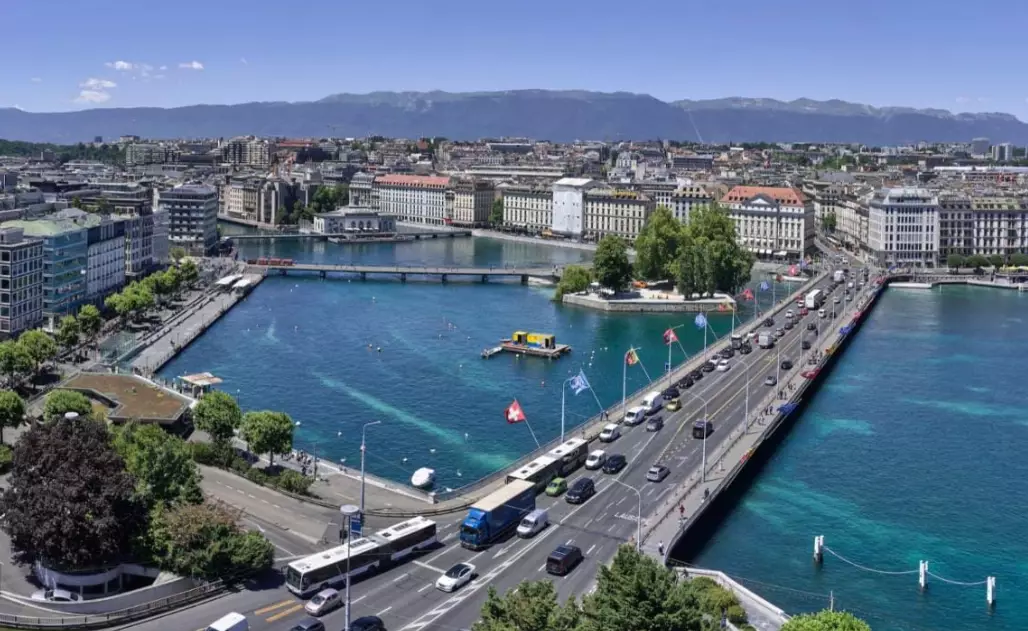
| Museum | Focus | Key Info & Why It's Worth It |
|---|---|---|
| Patek Philippe Museum | Watchmaking History & Art | Even if you're not a watch fanatic, the craftsmanship is stunning. Traces 500 years of horology. Address: Rue des Vieux-Grenadiers 7. Admission: CHF 10. Closed Mon. |
| International Red Cross and Red Crescent Museum | Humanitarian Action | A profoundly moving, immersive experience. It's not an easy visit, but it's unforgettable. Address: Avenue de la Paix 17. Admission: CHF 18. Near the UN. |
| Museum of Art and History (MAH) | General Collection | From Egyptian mummies to Konrad Witz's famous "Miraculous Draught of Fishes" painting. Great for a broad overview. Address: Rue Charles-Galland 2. Free permanent collection. |
| Natural History Museum | Natural Sciences | Fantastic for families. Huge, well-presented collections of animals, minerals, and regional fauna. Address: Route de Malagnou 1. Free admission. |
Lake & Park Escapes
Geneva's natural setting is its greatest luxury. The lakefront promenades (the Quais) are perfect for strolling. Rent a bike or use the city's free public bikes for the first 4 hours.
Bains des Pâquis: This is my top tip for a local experience. This pier/beach/lido is a summer hub for swimming and sunbathing, and a winter spot for fondue and sauna. A plunge in the lake followed by a coffee on the deck is pure Geneva. Entrance is a few francs.
Parc La Grange & Parc des Eaux-Vives: Adjacent parks on the left bank with magnificent rose gardens (over 200 varieties, best in June), a villa, and serene walking paths away from the city bustle.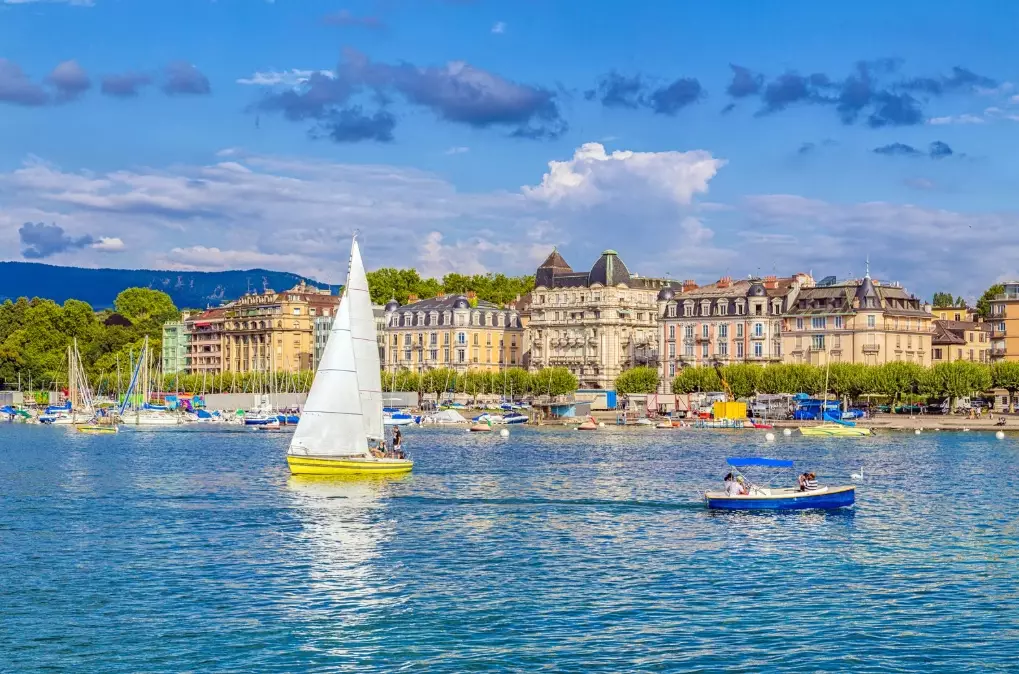
Putting It All Together: Itinerary Suggestions
How much can you realistically see? Here are sample frameworks.
One Day in Geneva
Morning: St. Pierre Cathedral & tower view, wander Old Town (Place du Bourg-de-Four). Afternoon: Walk along the lake to Jet d'Eau, then take a bus/tram to the UN area (Broken Chair, maybe a park stroll). Evening: Lakeside dinner or visit Bains des Pâquis.
Two to Three Days in Geneva
Day 1: Focus on the right bank: Old Town deep dive (Cathedral, Maison Tavel, shopping on Rue du Marché), Reformation Wall, then relax at Parc des Bastions.
Day 2: Focus on the left bank: UN guided tour, Red Cross Museum, then unwind at Parc La Grange or a lake cruise.
Day 3: Choose your specialty: Watch museums (Patek Philippe), a trip to nearby Carouge (the "Greenwich Village" of Geneva), or a half-day boat trip to lakeside towns like Nyon.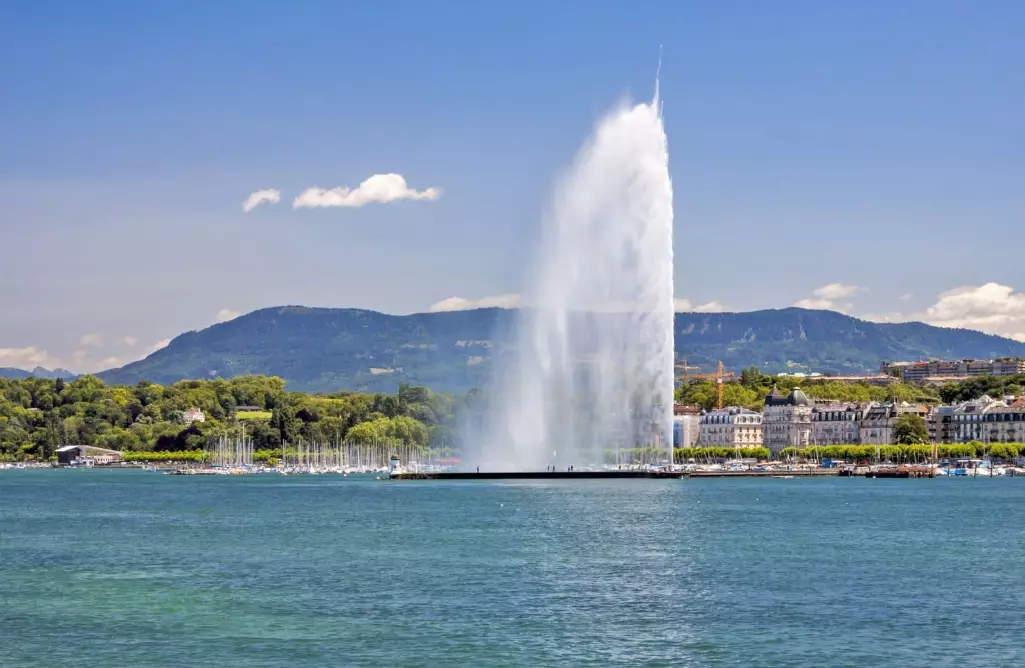
Geneva Travel FAQs Answered
 Are two days enough for Geneva?
Geneva's beauty is in its layers—the water, the history, the global dialogue, and the quiet parks. It's a city where you can ponder international law in the morning and dip your toes in an alpine lake in the afternoon. With this guide, you're equipped to move beyond the postcard and see the real, multifaceted Geneva.
Reader Comments