Italy isn't just a country; it's a feeling. The smell of espresso in a sun-drenched piazza, the echo of footsteps on ancient cobblestones, the sheer weight of history staring back at you from a Renaissance fresco. But with so much to see, where do you even start? Everyone talks about Rome, Florence, and Venice, but planning a trip that's both iconic and personal can feel overwhelming. After countless trips and a few misadventures, I've distilled the essence of Italy into this guide. We'll cover the non-negotiable classics, sprinkle in some places that fly under the radar, and give you the nitty-gritty details—ticket hacks, transport tips, and how to dodge the worst of the crowds—so you can build an itinerary that feels uniquely yours.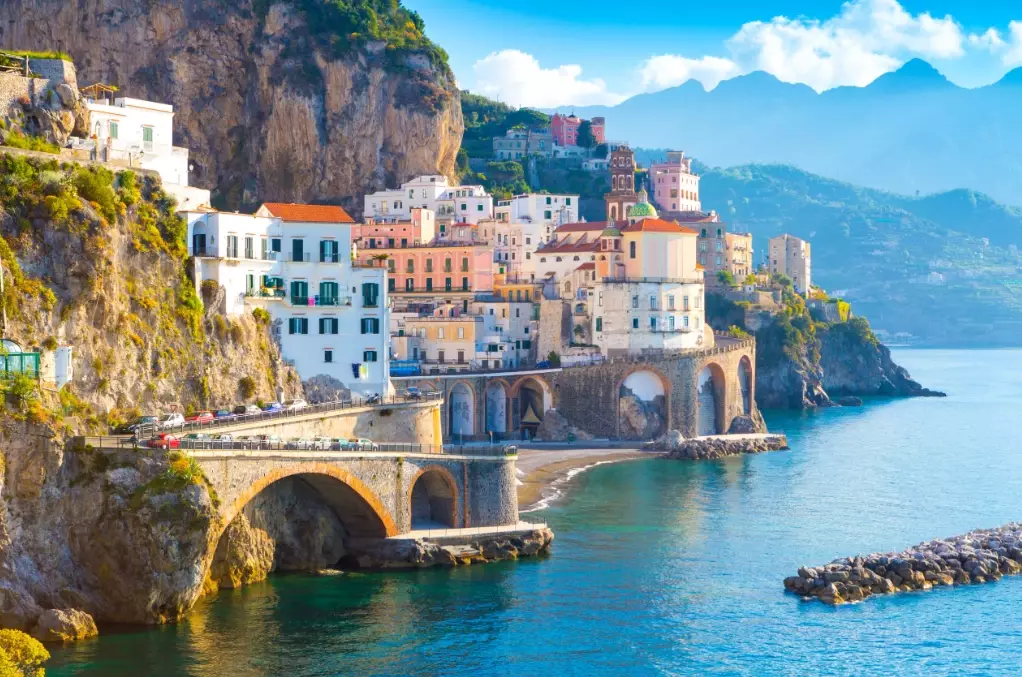
Your Italy Travel Blueprint
What are the absolute must visit places in Italy for first-timers?
Let's be real. If it's your first time, you need to see the heavy hitters. These cities define Italy's global image for a reason. Trying to skip them to be "alternative" is like going to Paris and avoiding the Eiffel Tower. Here’s the lowdown on the iconic trio, plus one essential addition.
Rome: The Eternal City
Rome is chaos and grandeur in equal measure. You'll be walking past a mundane pharmacy and then—bam—there's a 2,000-year-old column embedded in the wall. The history isn't contained in museums; it's the city's skeleton.
The Colosseum is the obvious start. Book your ticket online well in advance on the official CoopCulture website. The standard ticket (€16) includes the Roman Forum and Palatine Hill. The arena floor and underground tours sell out months ahead. Get there for the opening time (usually 9:00 AM) to beat the tour bus crowds. Nearest metro: Colosseo (Line B).
The Vatican Museums & Sistine Chapel require similar planning. A Monday morning visit is often quieter, as many other museums in Rome are closed. Book a "Prime Experience" ticket for early entry if your budget allows. Dress code is strictly enforced: covered shoulders and knees.
My personal rule in Rome? Spend at least one evening just wandering. The Trevi Fountain is magical late at night, and the Spanish Steps... well, they're always packed, but the view from the top at sunset is worth the climb.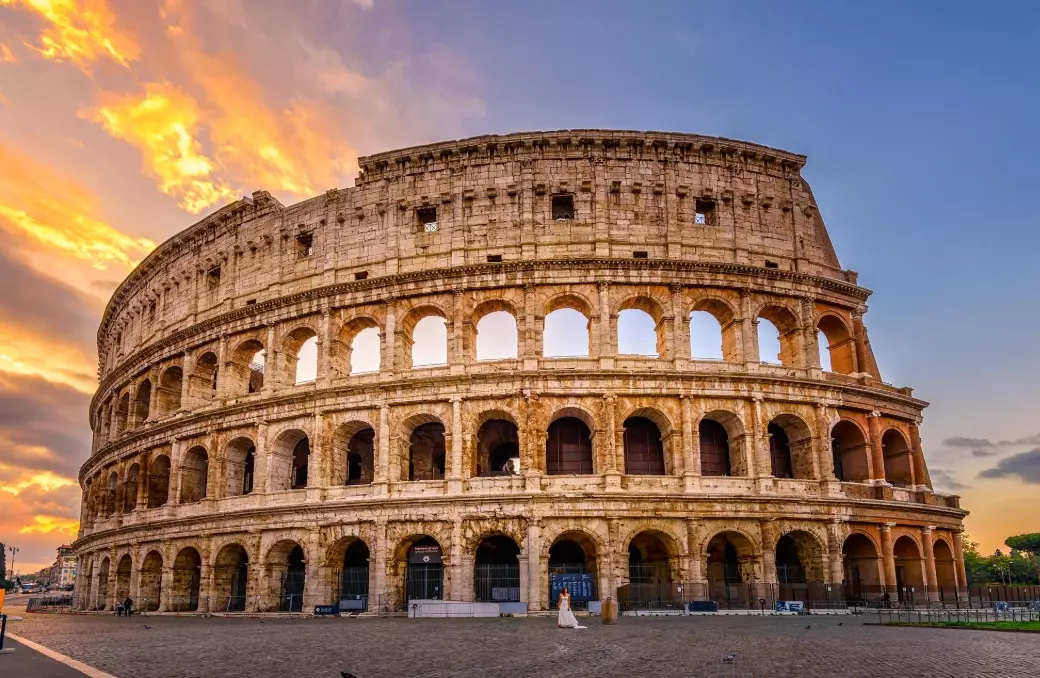
Florence: The Cradle of the Renaissance
Florence is denser, more walkable, and intensely artistic. The Duomo dominates the skyline. Climbing Brunelleschi's dome (463 steps, €30 for the combined "Brunelleschi Pass") is a rite of passage—book a timed slot online. The view over the terracotta rooftops is the postcard picture of Tuscany.
The Uffizi Gallery houses Botticelli's "Birth of Venus." Don't try to see everything. Focus on a few rooms (the Botticelli rooms, Tribuna) and you'll enjoy it more. The Accademia Gallery is where Michelangelo's David lives. The statue is far larger and more detailed than you imagine. Book tickets for both galleries online, or consider the Firenze Card if you're a museum marathoner.
Cross the Ponte Vecchio at golden hour. Then, for the best panoramic view, head to Piazzale Michelangelo. It's a hike, but the vista of the city with the hills behind it is unforgettable. Bring a bottle of Chianti.
Venice: The Floating Masterpiece
Venice is a logistical dream and nightmare. There are no cars. Your Google Maps will fail you. Embrace getting lost.
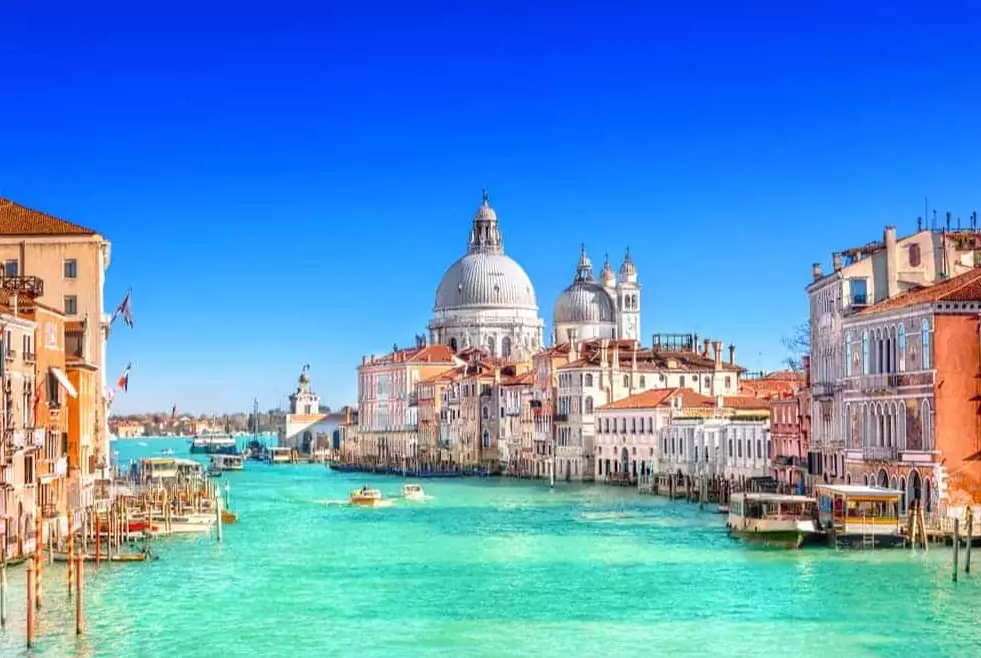
St. Mark's Square (Piazza San Marco) is the heart. The Basilica is free to enter, but the line is always long. Book a skip-the-line ticket for a specific time slot (€3 booking fee) or go late in the afternoon. The Campanile bell tower offers the best 360-degree view. A gondola ride is expensive (€80-€100 for 30 minutes) and touristy, but for a special occasion, it's a unique experience. For a cheaper alternative, use the traghetto gondola ferries that cross the Grand Canal for €2.
The secret to enjoying Venice is to venture beyond San Marco. Cannaregio and Dorsoduro districts feel like a different city—quieter, with canalside bacari (wine bars) serving cicchetti (small snacks).
The Cinque Terre: Colorful Coastal Villages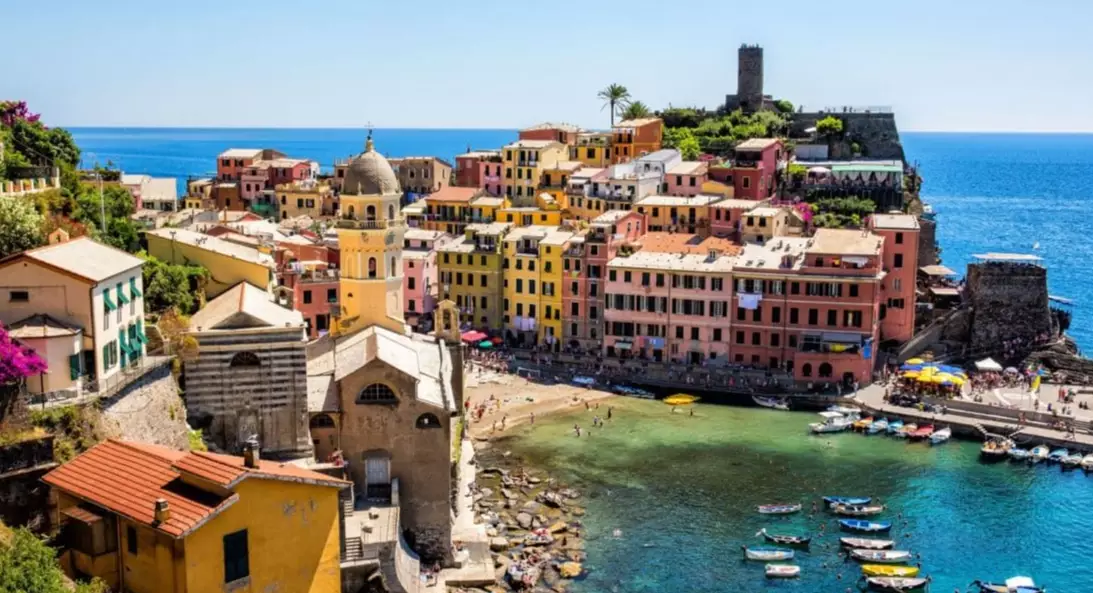
This string of five fishing villages clinging to the Ligurian cliffs is a necessary contrast to the cities. It's about hiking, seafood, and swimming. The train connects all five villages (Riomaggiore, Manarola, Corniglia, Vernazza, Monterosso) in minutes. The Cinque Terre Trekking Card (€7.50/day) gives you access to the main coastal trail (currently parts are closed, check the official park website for updates) and unlimited train travel between the villages.
Stay in one of the villages, not in La Spezia. Monterosso has the best sandy beach. Vernazza's harbor is the most photographed. For the iconic Manarola shot, walk up the path towards the cemetery.
| City | Can't-Miss Attraction | Key Travel Tip | Suggested Stay |
|---|---|---|---|
| Rome | Colosseum & Roman Forum | Book all major tickets online months ahead, especially for arena/underground tours. | 3-4 full days |
| Florence | Uffizi Gallery & Duomo | Get the Firenze Card if planning to visit >3 museums in 72 hours. | 2-3 full days |
| Venice | St. Mark's Basilica | Stay in Cannaregio/Dorsoduro, use vaporetto passes for multi-day stays. | 2 full days |
| Cinque Terre | Vernazza & Hiking Trails | Buy the Cinque Terre Train Card, wear proper shoes for hiking. | 2 full days |
Beyond the classics: hidden gems and regional highlights
Once you've seen the pillars, Italy reveals its deeper layers. These places offer a different pace and perspective.
Bologna is the food capital. No contest. The porticoed streets lead to a vibrant university atmosphere. Climb the Asinelli Tower (498 steps, no elevator) for dizzying views. Go for the mortadella, tagliatelle al ragù, and tortellini in brodo. It's less crowded and feels more "lived-in" than the tourist hubs.
Naples & the Amalfi Coast are a package deal for many. Naples is gritty, loud, and authentic. Eat pizza at L'Antica Pizzeria da Michele (Via Cesare Sersale, 1) – it's the birthplace of the Margherita. Then use Naples as a base for Pompeii (buy tickets online, hire a guide at the entrance for context) and the Amalfi Coast. Positano is stunning but expensive and packed. Consider staying in quieter Atrani or Maiori instead.
Tuscany Beyond Florence means hill towns. Siena's shell-shaped Piazza del Campo is majestic. San Gimignano is the "Medieval Manhattan" with its stone towers. But my favorite is Lucca. You can bike or walk the entire circuit on top of its intact Renaissance walls. It's flat, charming, and a perfect relaxed stop between Florence and Pisa (which, honestly, you only need an hour for the Leaning Tower).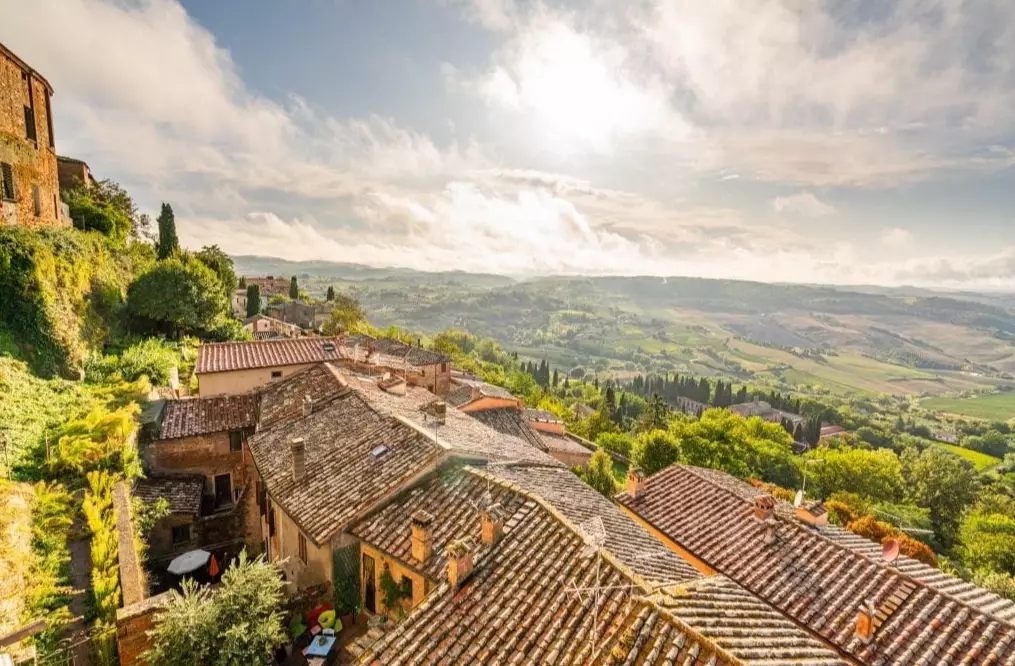
A Local's Tip: Most travelers cluster in the center-north. For a truly different Italy, look south. Puglia has the trulli houses of Alberobello and stunning coastal scenery. Sicily is a world unto itself—Greek temples in Agrigento, Baroque towns of Noto and Ragusa, and the chaotic markets of Palermo. These regions are less polished for tourism, which is precisely their charm.
How to plan your Italy itinerary: a practical guide
Stringing these places together is an art. The biggest mistake? Trying to see too much. Italy rewards slow travel.
Transport: Train vs. Car
For city-hopping between Rome, Florence, Venice, and Milan, the high-speed train (Frecciarossa, Italo) is unbeatable. Book in advance on Trenitalia or Italo for the best fares. The journey from Rome to Florence is just 1.5 hours.
Rent a car only for exploring deep countryside regions like Tuscany, Umbria, Puglia, or Sicily. ZTLs (Limited Traffic Zones) in historic city centers are strictly enforced with massive fines. Always ask your hotel about parking.
Crafting Your Timeline
- One Week: Stick to a triangle. Rome (3 days) → Florence (2 days with a day trip to Siena or Pisa) → Venice (2 days). It's fast but hits the highlights.
- Ten Days: Add depth. Rome (3) → Florence (3, with a day in Chianti) → Cinque Terre (2) → Venice (2).
- Two Weeks+: Go regional. Do the classic triangle, then head south to Naples, Pompeii, and the Amalfi Coast. Or dedicate a week just to Tuscany, renting a car to explore hill towns and vineyards.
Always build in a "buffer" afternoon with no plans. You'll discover your favorite memories there.
Accommodation & When to Go
Book hotels or B&Bs within the historic centers. The extra cost saves hours in transport. Spring (April-June) and Fall (September-October) offer the best weather and fewer crowds. August is when all of Italy goes on holiday—cities are hot and some shops/restaurants close, while coastal areas are jammed.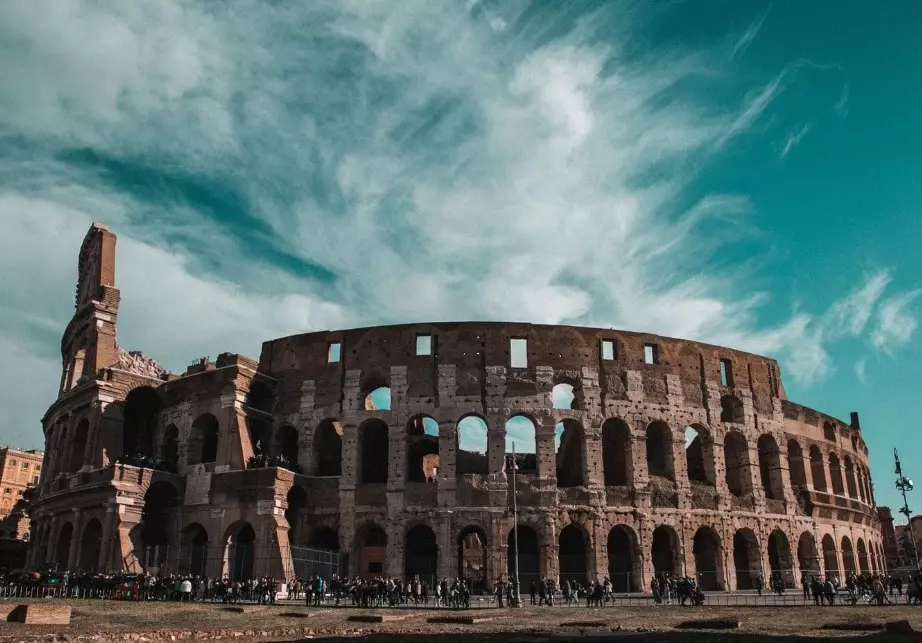
Italy Travel FAQ: Your questions answered
 How can I experience authentic Italian culture beyond the tourist sites?
Reader Comments