Ask anyone about the best food in Italy, and you'll likely get a passionate, opinionated answer. But here's the thing most generic lists get wrong: Italy's culinary soul isn't found in a single "best" dish, but in a mosaic of fiercely regional specialties. Chasing a perfect carbonara in Milan or the ultimate seafood risotto in the mountains is a fool's errand. After a decade of eating my way from Alto Adige to Sicily, I've learned that understanding Italy's food means understanding its geography, history, and local pride. This guide isn't about ranking dishes; it's a roadmap to experiencing Italy's authentic, mind-blowing cuisine in the regions that perfected them.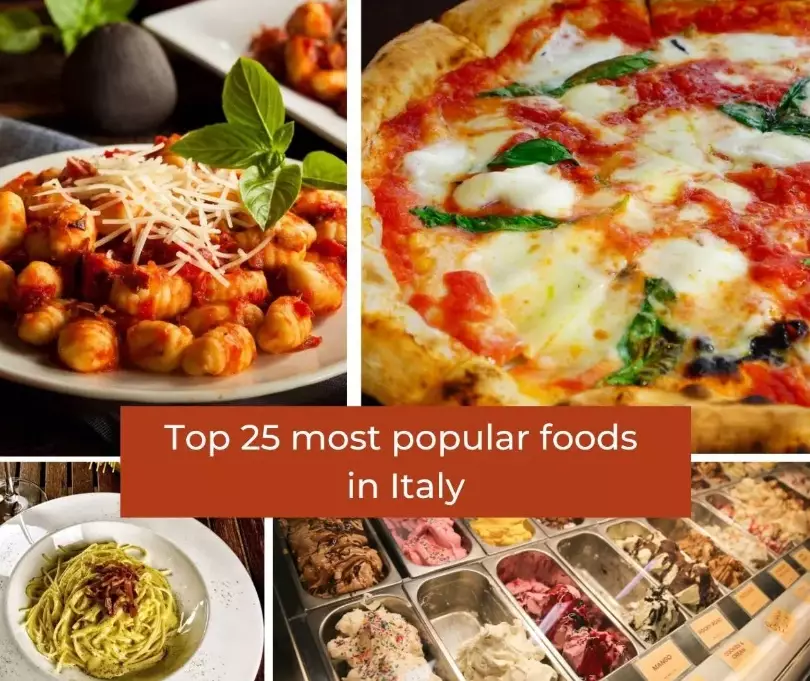
Your Italian Food Journey at a Glance
Moving Beyond Pizza and Pasta
Let's clear this up first. Yes, pizza from Naples and pasta from Rome are world-class. But fixating solely on them is like going to a grand symphony and only listening for the violin. Italy's culinary repertoire is vast. The real magic happens when you connect a dish to its terroir—the coastal town where the clams for your spaghetti alle vongole were harvested that morning, or the Alpine valley where the cheese in your risotto was aged. Your goal shouldn't be to "try Italian food," but to taste Piedmontese food, Sicilian food, Tuscan food. That shift in perspective changes everything.
The Rich & Earthy Flavors of Northern Italy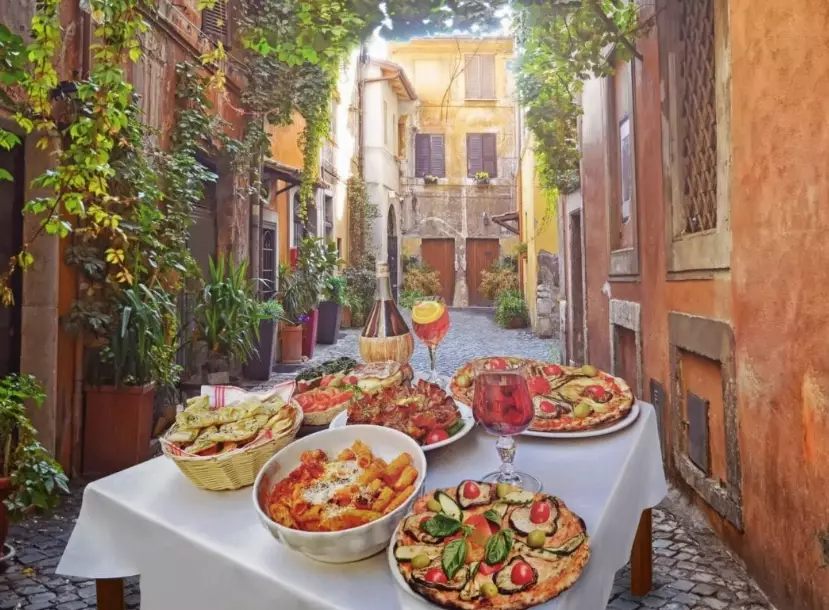
Forget tomato-heavy sauces. Up here, near the Alps and the Po Valley, the food is richer, creamier, and often more French-influenced. Butter, rice, cornmeal (polenta), and hearty meats dominate.
Lombardy & Piedmont: Truffles, Risotto, and Braised Meats
This is luxury territory. In Piedmont, especially around Alba, the white truffle is king (in autumn). The local dish, "Tajarin" (thin egg noodles) tossed in butter and blanketed with fresh white truffle shavings, is a religious experience. It's also expensive—expect to pay €50+ for a truffle portion in season. More everyday brilliance is found in "Brasato al Barolo"—beef braised for hours in the region's famed Barolo wine until it's fork-tender.
In Milan and Lombardy, "Risotto alla Milanese" is the star. Its vibrant yellow color comes from saffron, not turmeric—a crucial distinction. It should be creamy (all'onda, wavy) but not soupy. For a casual, perfect lunch, head to a traditional osterìa for "Ossobuco" (braised veal shanks) served with that saffron risotto.
Veneto & Emilia-Romagna: The Land of Prosciutto and Parmigiano
Emilia-Romagna is often called Italy's food valley. This is the birthplace of Parmigiano-Reggiano cheese, Prosciutto di Parma, and traditional balsamic vinegar from Modena. In Bologna, the "fat city," you eat "Tortellini in Brodo" (tiny meat-filled pasta in capon broth) and the richer-than-rich "Tagliatelle al Ragù" (never, ever call it "spaghetti bolognese").
Venice is tricky for food—tourist traps abound. Venture away from San Marco. Seek out cicchetti bars in the Cannaregio or Dorsoduro districts. These are small bites on bread, like baccalà (salt cod) or sardines, paired with an ombra (small glass of wine). For a classic Venetian dish, try "Sarde in Saor"—sardines marinated in sweet and sour onions with pine nuts and raisins.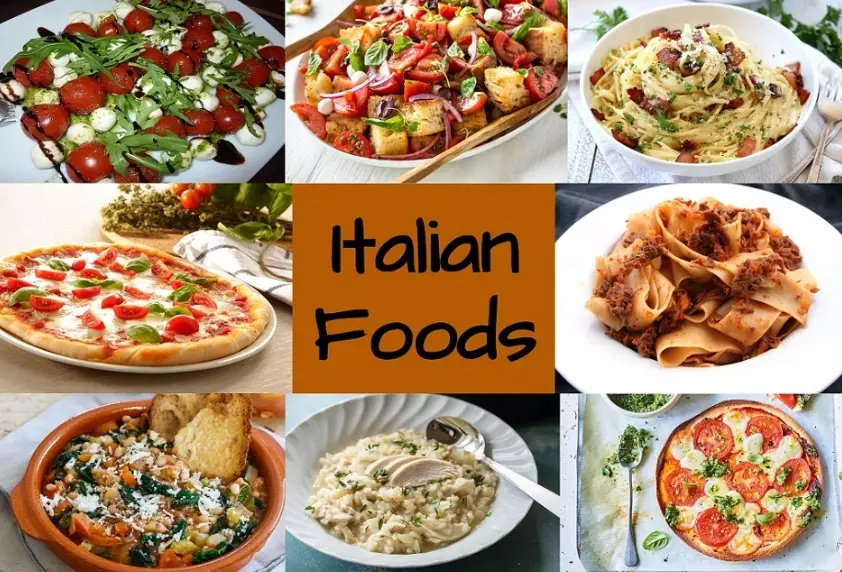
The Hearty Soul of Central Italy
This is the Italy many imagine: rolling hills, olive groves, and rustic, peasant-inspired food that packs immense flavor from few ingredients.
Tuscany: Simplicity is King
Tuscan cuisine is famously austere. They use unsalted bread (a historical quirk), incredible olive oil, beans, and grilled meats. The "Bistecca alla Fiorentina" is a rite of passage: a massive, T-bone steak from the local Chianina cattle, grilled over wood, seasoned only with salt, pepper, and olive oil. It's sold by weight (usually a minimum of 1-1.2kg) and is meant to be shared. Don't ask for it well-done; you might be asked to leave.
In the countryside, look for "Cantinas" or farmhouses (agriturismi) offering meals. You'll get platters of "Crostoni" (grilled bread with toppings), "Pappa al Pomodoro" (tomato and bread soup), and "Ribollita" (a hearty vegetable and bread stew).
Rome & Lazio: The Art of the Perfect Pasta
Roman food is bold, direct, and often uses "fifth quarter" offal. The four iconic pastas are non-negotiable: "Cacio e Pepe" (cheese and pepper), "Carbonara" (egg, guanciale, cheese, pepper—no cream!), "Amatriciana" (tomato, guanciale, pecorino), and "Gricia" (the mother sauce, just guanciale and pecorino). The key ingredient is guanciale (cured pork cheek), not pancetta.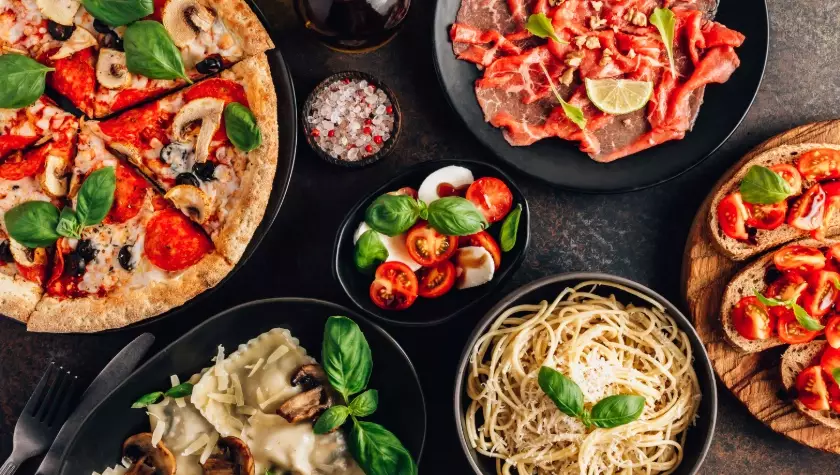
The Sun-Drenched Bounty of Southern Italy & Islands
Here, the food is vibrant, vegetable-forward, and fueled by the sun and sea. Tomatoes, eggplant, peppers, olives, and fresh seafood are the stars.
Naples & Campania: Where Pizza Was Born
Neapolitan pizza ("Pizza Napoletana") is UNESCO-protected for a reason. The rules are strict: San Marzano tomatoes, Fior di Latte or Bufala mozzarella, fresh basil, extra-virgin olive oil, and a soft, chewy, char-speckled crust from a wood-fired oven. Margherita is the ultimate test. Don't even look for a knife and fork; fold it and eat it with your hands.
Beyond pizza, try "Mozzarella di Bufala Campana" (fresh buffalo mozzarella) from the area between Naples and Caserta. It's a different product entirely from the rubbery stuff sold abroad.
Sicily & Sardinia: A World Apart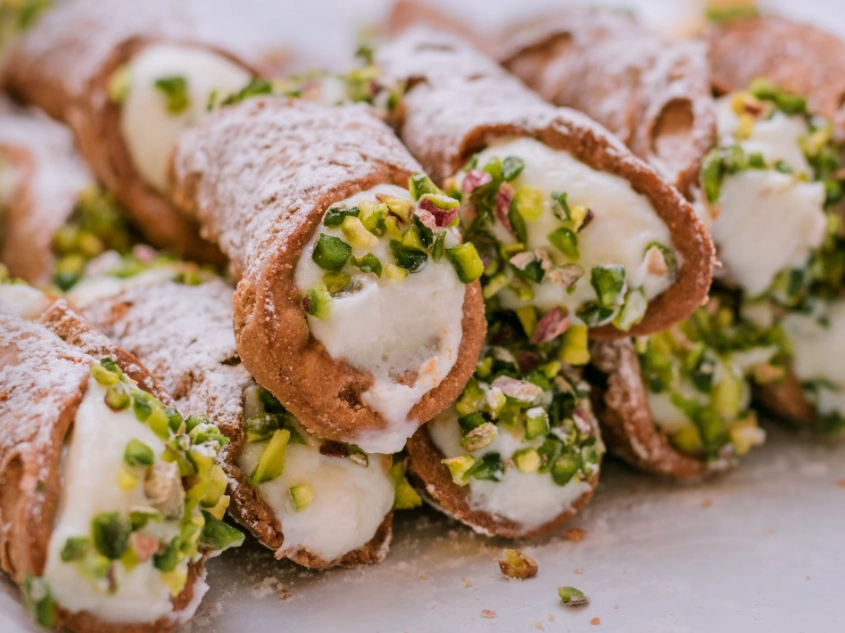
Sicilian cuisine is a history lesson on a plate: Arab, Greek, Spanish, and Norman influences. You'll find saffron, raisins, pine nuts, and citrus everywhere. "Pasta alla Norma" (with eggplant, tomato, and salted ricotta) from Catania is iconic. In Palermo, hit the chaotic street food markets for "Arancini" (fried rice balls) and "Pane e Panelle" (chickpea fritter sandwiches).
Sardinia is its own universe. Focus on seafood, suckling pig (porceddu), and the unique "Pane Carasau" (thin, crispy sheet music bread). Their pecorino cheese is sharper and more complex than its Roman cousin.
| Region | Must-Try Signature Dish | Key Ingredient | Best Place to Try It |
|---|---|---|---|
| Piedmont | Tajarin al Tartufo | White Truffles | Alba or Langhe region in autumn |
| Emilia-Romagna | Tagliatelle al Ragù | Hand-rolled pasta, slow-cooked meat sauce | A family-run trattoria in Bologna |
| Tuscany | Bistecca alla Fiorentina | Chianina beef, olive oil | A classic Florentine steakhouse (like Il Latini) |
| Rome | Carbonara | Guanciale, Pecorino Romano | Testaccio or Trastevere districts |
| Naples | Pizza Margherita | San Marzano tomatoes, wood-fired oven | The historic pizzerias of Naples (e.g., Sorbillo, Da Michele) |
| Sicily | Pasta alla Norma | Eggplant, salted ricotta | Catania or a Sicilian family home |
How to Eat Like a Local: Rules & Rituals
Knowing what to eat is half the battle. Knowing how to eat is the other.
Meal Times: Lunch (pranzo) is usually 1-3 PM. Dinner (cena) starts late, around 8-9:30 PM. Most restaurants won't even open for dinner before 7:30 PM.
The Structure: Aperitivo (drink with snacks) → Antipasto (starter) → Primo (pasta/rice/soup) → Secondo (meat/fish) with Contorno (side vegetable) → Dolce (dessert) → Caffè (espresso, never cappuccino after 11 AM) → Digestivo (liquor). You don't need to order all courses, but respect the sequence.
The Bill: Service (servizio) is often included. Tipping is not expected but leaving small change (€1-2) or rounding up for great service is appreciated. Asking for separate checks is uncommon; just split it evenly.
Water: You'll be asked "Naturale o frizzante?" (Still or sparkling?). Tap water (acqua del rubinetto) is usually safe but rarely ordered in restaurants.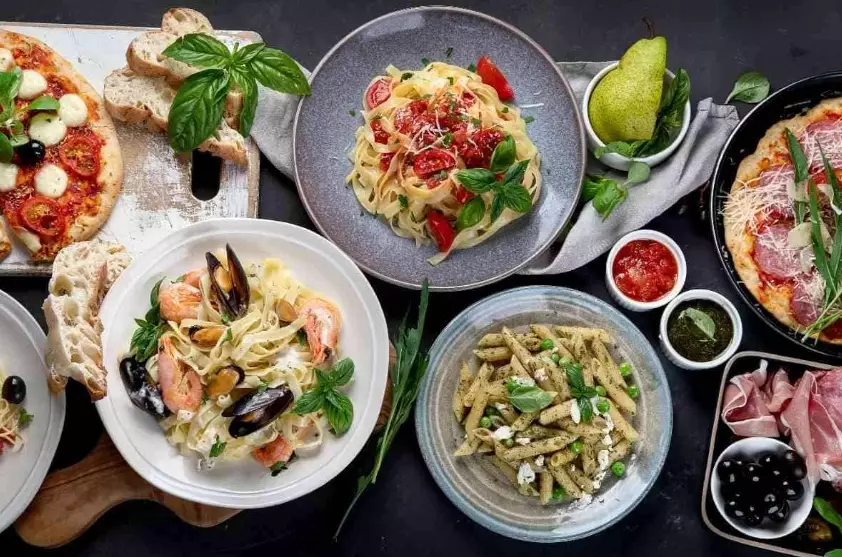
Your Italian Food Questions, Answered
 What's a typical Italian breakfast, and where do I get it?
Reader Comments