When you think of cities in Croatia, Dubrovnik's walls and Split's Diocletian's Palace probably flash before your eyes. They should. They're stunning. But if that's all you see, you're missing at least half the story. Croatia's urban tapestry is woven with threads of Roman grit, Venetian elegance, Austro-Hungarian grandeur, and vibrant, modern energy. I've been navigating these streets for over a decade, and the mistake I see most? People treat cities like checkboxes between island hops. Each one has a distinct personality, a different flavor of coffee, and its own secrets waiting just off the main drag.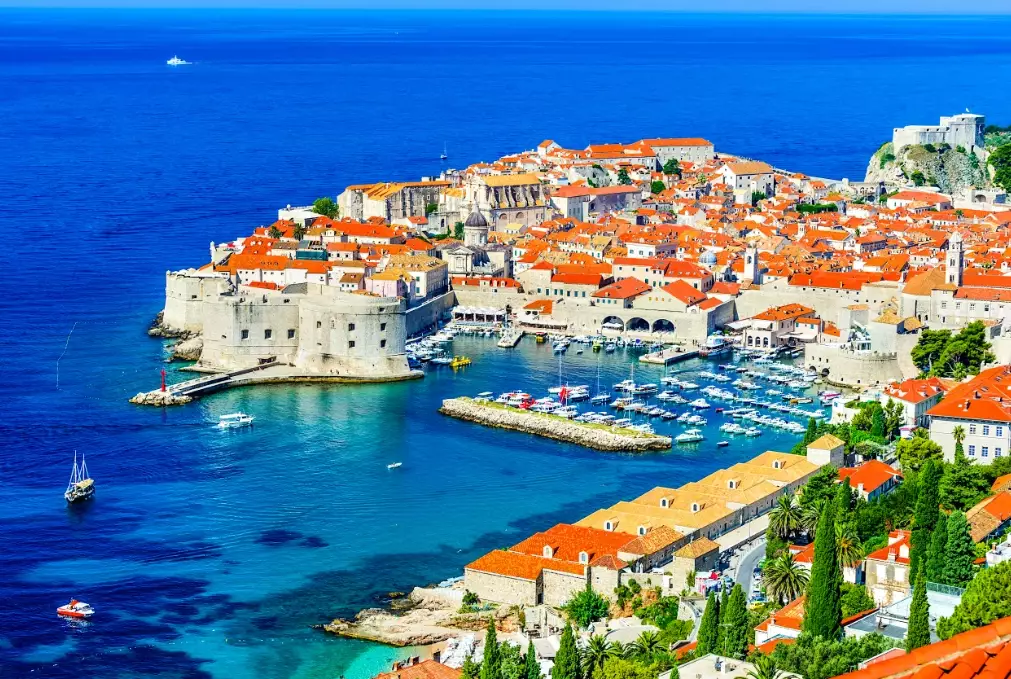
This guide is about changing that. We'll cover the essentials, but we'll dig deeper into the cities that give Croatia its real character—the underrated ports, the inland capitals of culture, and how to experience them without just following the cruise ship crowds.
Your Guide to Croatian City Hopping
The Coastal Powerhouses You Can't Miss
Let's start with the headliners. They're famous for a reason, but knowing how to engage with them makes all the difference.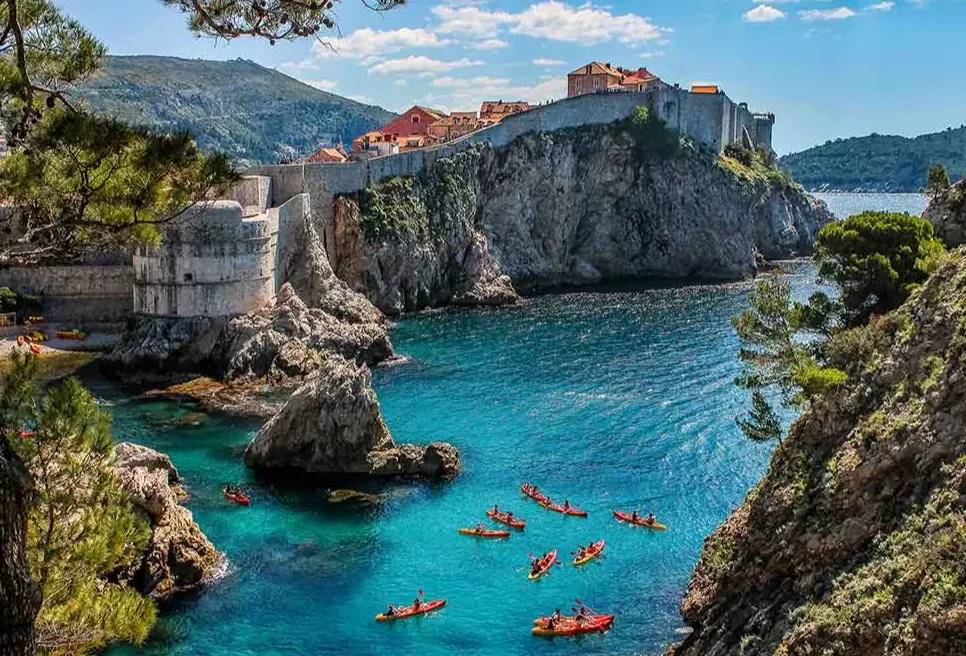
Dubrovnik: The Stone Pearl
Yes, it's crowded. Especially when three large ships dock. The key isn't avoiding it, but reclaiming it. Everyone walks the walls (and you should too—it's 250 HRK/~€33, open 8 am to 7:30 pm in summer). The real trick is timing. Be at the gates at 8 am sharp, or go after 5 pm when the day-trippers thin out and the light turns golden.
My bigger advice? Don't just stay in the Old Town. The neighborhoods like Lapad or Ploče offer more reasonable hotels, leafy streets, and seaside promenades where locals jog. Bus #6 connects them to the Old Town in 15 minutes. For a memorable meal away from the tourist menus, try Konoba Poklisar (Ribarnica 1, inside the Old Town port) for fresh seafood without the theatrical markup.
Split: Where Life Lives in a Palace
Split isn't just a monument; it's a living, breathing apartment complex built into a Roman emperor's retirement home. The Peristyle (the central courtyard) is free to enter and always buzzing. The Cathedral and Crypt ticket is about 50 HRK.
Most visitors cluster in the palace bounds. Walk ten minutes west to the Veli Varoš neighborhood. It's a maze of old stone houses, tiny family-run konobas, and laundry hanging between streets. This is where you feel the city's soul. For a unique perspective, take the public ferry to the nearby town of Solin (ancient Salona) to see where Diocletian was actually from—the sprawling Roman ruins there see a fraction of Split's visitors.
Zadar: Of Sunsets and Sea Organs
Zadar is my personal favorite for balance. It has monumental history (the Roman Forum ruins are just...there, un-fenced, in the middle of town) but a laid-back, almost artsy vibe. The famous Sea Organ and Sun Salutation light show are free and unforgettable. The city museum network offers a good value pass.
The mistake here is not exploring the market. The fish market at the edge of the old town is a spectacle of Adriatic bounty. Across the street, the green market is where locals buy figs, cherries, and pršut (prosciutto). Grab some, find a bench on the Riva (waterfront), and have an improvised breakfast.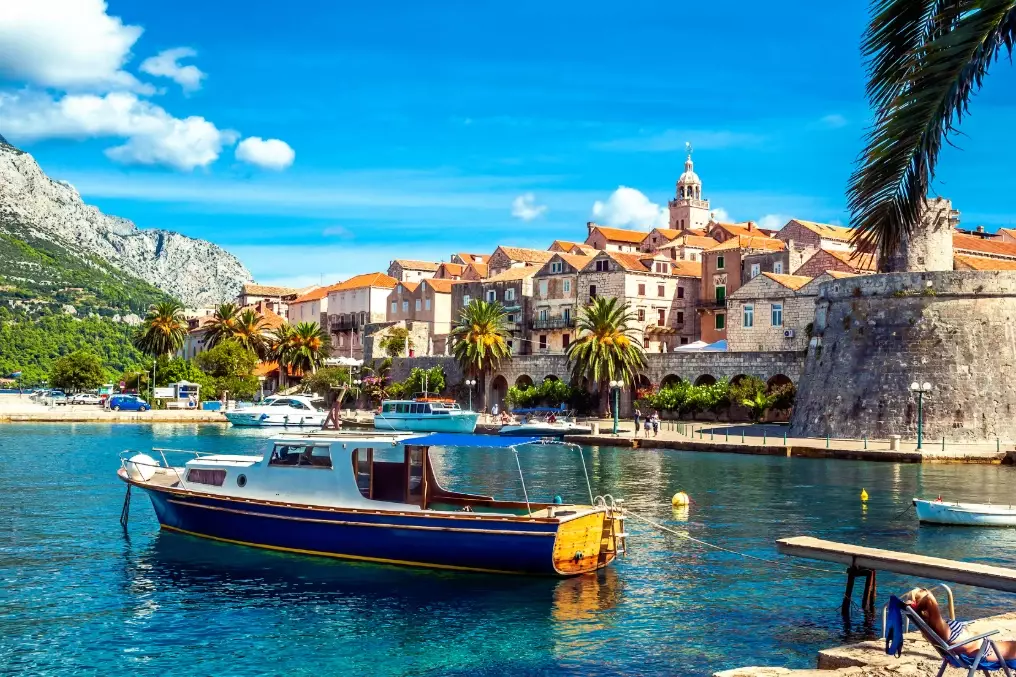
Underrated Gems Most Travelers Skip
This is where your trip gets interesting. These cities offer the charm without the intense pressure of mass tourism.
| City | Core Appeal | Can't-Miss Detail | Practical Tip |
|---|---|---|---|
| Rijeka | Authentic port city grit, 2020 European Capital of Culture, vibrant cafe & alternative scene. | The Korzo pedestrian street for people-watching; Trsat Castle for panoramic views. | Use it as a transport hub. Flights here are often cheaper. The bus to nearby Opatija or the islands of Cres/Lošinj is easy. |
| Šibenik | A stunning, less-crowded old town built on steep slopes, home to the UNESCO-listed Cathedral of St. James. | The four fortresses surrounding the city (St. Michael's, St. John's, Šubićevac, St. Nicholas). | Buy the "Šibenik Fortresses" combo ticket. Stay in a stone-house apartment in the old town for a true medieval feel. |
| Pula | Spectacular, well-preserved Roman Amphitheatre (Arena) that still hosts concerts and film festivals. | The underground passages of the Arena (extra ticket) and the Temple of Augustus in the Forum. | Rent a car. Pula is the gateway to Istria's hilltop towns (Rovinj, Motovun) and truffle-rich interior. |
Rijeka is a reality check. It's not polished for tourists; it's a working city with a fascinating history and arguably the best cafe culture in Croatia. Don't expect Dubrovnik's sheen—expect character.
The Inland Heart: Zagreb & Beyond
Flying into Zagreb and immediately heading south is the classic error. The capital deserves two days minimum.
Zagreb is a tale of two towns: the historic Upper Town (Gornji Grad) with St. Mark's Church and the quirky Museum of Broken Relationships, and the bustling Lower Town with its Austro-Hungarian architecture and endless cafes. The funicular connecting them is a 30-second ride but a rite of passage.
The nuance most miss? Zagreb's park system. Take an afternoon to stroll through Maksimir Park (the oldest public park in Southeast Europe) or the Botanical Garden. For dinner, head to the Dolac Market area first, then explore the side streets of the Upper Town for intimate, chef-led bistros like Mali Bar.
Further north, consider Varaždin. This Baroque gem, a former capital, feels plucked from a Central European fairy tale. Its castle, cemetery (strangely beautiful and park-like), and intact old core are perfect for a day trip from Zagreb by train or bus.
How to Plan Your City Route in Croatia
Geography dictates your logic. Croatia is long and narrow, with a mountainous interior.
The Classic Coastal Route (10-14 days): Fly into Zagreb (2 nights) → Bus/train to Rijeka or Pula (2 nights) → Bus to Zadar (2 nights) → Bus to Šibenik (1 night) → Bus to Split (3 nights) → Bus or ferry to Dubrovnik (3 nights). Fly out of Dubrovnik. This avoids backtracking.
The Istria & Kvarner Focus (7 days): Fly into Rijeka or Pula. Base yourself in Rijeka for city life and day trips to Opatija. Rent a car for 3 days to loop through Pula, Rovinj, Motovun, and Grožnjan. This combines cities with hill towns and wine country.
Transport Truth: Buses are efficient and connect all major cities. Autotrans and FlixBus are major operators. Book online a day or two ahead in summer. Trains are slower and limited mainly to the Zagreb-Rijeka and Zagreb-Split lines, but they're scenic and comfortable. For true flexibility on the Istrian peninsula, a rental car is king.
Local Secrets & Practical Nuances
This is the stuff you learn by being there, not from a generic listicle.
Coffee Culture is Sacred: An invitation for a coffee (kava) is a social contract. It means an hour of conversation, not a grab-and-go. Join in. Sit at a cafe, order a velika kava (large espresso), and watch the world go by.
The "Feral" Rule: In coastal cities, if a restaurant is named "Konoba Feral," "Feral," or has a picture of a lantern, it's usually a good sign. Feral is a traditional lantern, and its use often signals a focus on traditional, local fare. I had one of my best meals in a tiny Konoba Feral in a Rijeka alley.
Address Confusion: Cities like Split and Trogir have dual addressing systems: the official modern one and the old, medieval "po broju" (by house number) system. Google Maps might fail you in the old cores. Look for small ceramic plaques with numbers on ancient doorways. Don't be afraid to ask a shopkeeper; they're used to it.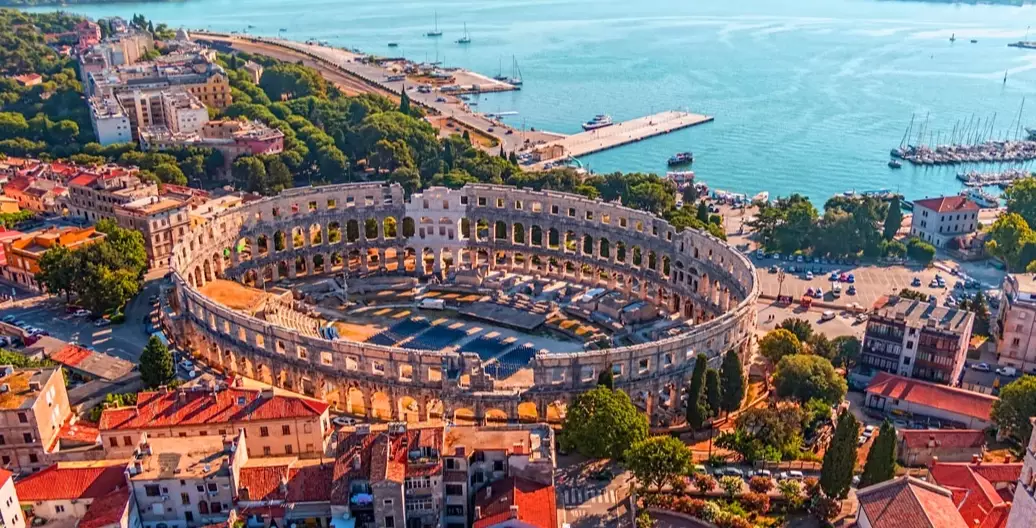
Your Croatian Cities Questions Answered
Is it worth renting a car to visit cities in Croatia?
It depends entirely on your itinerary. For a strictly coastal city-hop from Zagreb to Dubrovnik, buses are sufficient and save you the stress of parking (which is expensive and scarce in old towns). However, if you want to explore the Istrian peninsula (Pula, Rovinj, hill towns) or delve into the Dalmatian hinterland from Split, a car is invaluable for freedom and accessing smaller places. My rule: rent for regional exploration, not for moving between major coastal hubs.
What's the most overrated city in Croatia?
"Overrated" is harsh, but Dubrovnik in peak July/August can feel like a medieval theme park. The beauty is undeniable, but the experience is diminished by crowds and prices. It's not overrated if you visit in shoulder season (May, June, September, October) or employ the timing strategies mentioned earlier. The city itself is a masterpiece; it's the context of the visit that can be problematic.
 Which Croatian city is best for food?
Split and Zagreb are the top contenders for diverse, innovative dining. Split has incredible seafood and new-wave Dalmatian cuisine in places like Konoba Fetivi or Bokeria Kitchen & Wine Bar. Zagreb offers everything from traditional štrukli (cheese pastry) at La Štruk to high-end modern Croatian. For pure, unadulterated traditional Istrian food (truffles, pasta, stews), the smaller city of Pula or the towns around it are hard to beat.
Can I do a day trip to Mostar (Bosnia) from Croatian cities?
Absolutely, and it's a fantastic way to add cultural depth. Organized day tours run regularly from Split and Dubrovnik. From Split, it's a long day (about 12 hours round-trip) but manageable. From Dubrovnik, it's closer (about 2.5 hours each way). Just remember you're crossing an international border, so ensure your passport is valid and check if your rental car agreement permits it (most require prior notice and extra insurance).
What's the biggest mistake people make when planning a Croatian city itinerary?
Trying to see too many places too quickly. Giving a city just one night means you only see it in the crowded afternoon and evening, missing its morning atmosphere and local rhythms. You also spend half your day in transit. I'd rather spend three nights in two cities than one night in six. Depth over breadth. Pick a base (like Split or Zadar) and do a couple of day trips, then move to another base for a different vibe.
Reader Comments