Maine isn't just a state; it's a feeling. The scent of salt and pine, the crash of waves on granite, the sight of a red-and-white lighthouse standing sentinel. If you're looking for a list of places to see in Maine, you'll find no shortage of blogs repeating "Acadia" and "Portland Head Light." But after a decade of exploring every cove and backroad, I've learned that the real magic lies in the *how* and *when*. This guide cuts through the noise. We'll cover the iconic spots you can't miss, but more importantly, I'll tell you how to experience them without the crowds, what nearby secrets they hide, and the subtle mistakes most first-timers make.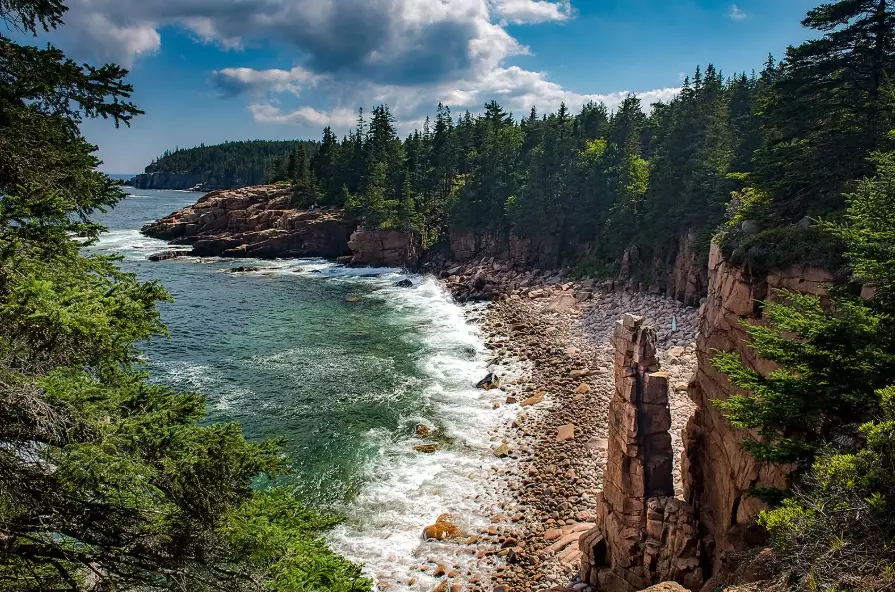
Your Maine Trip Roadmap
Acadia National Park: Beyond the Postcard
Yes, Acadia is the crown jewel. No, you shouldn't just drive Park Loop Road and call it a day. The park's biggest pitfall is its own popularity. Most visitors cluster at Sand Beach, Thunder Hole, and the summit of Cadillac Mountain between 10 AM and 3 PM, creating a traffic-filled experience that feels anything but wild.
Here's the non-consensus view: Treat Acadia like a series of smaller, distinct destinations, not one monolithic park.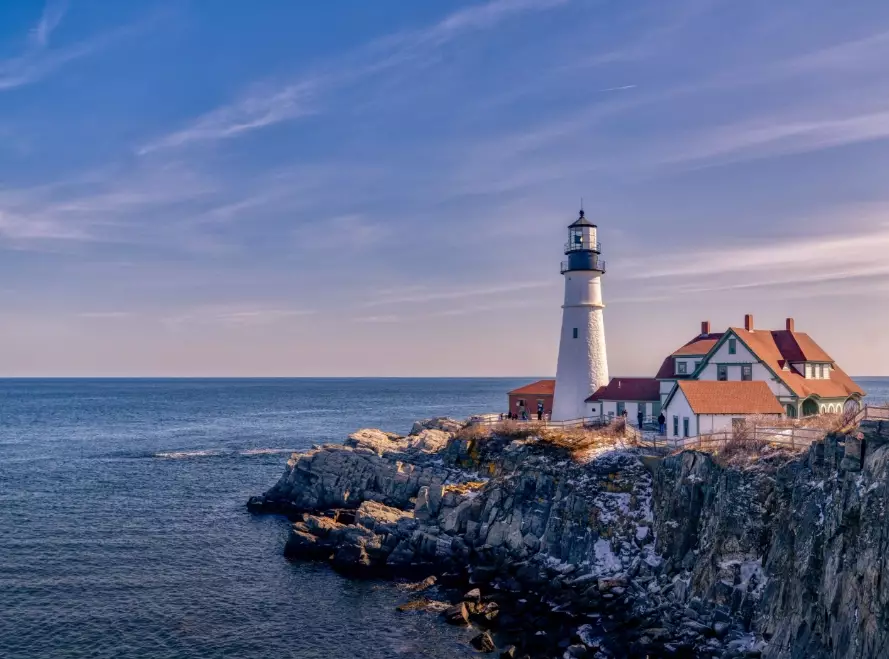
Cadillac Mountain: The Sunrise Myth
Everyone wants the "first sunrise in the U.S." view. The reality? You need a vehicle reservation for the Cadillac Summit Road from May through October (bookable via Recreation.gov). They sell out months in advance for sunrise slots. My alternative? Hike the North Ridge Trail up Cadillac for sunrise. No reservation needed, just a headlamp and sturdy shoes. You'll share the summit with a dozen hearty souls instead of hundreds of cars. The trailhead is on the Park Loop Road, just past the entrance to the Blackwoods Campground.
The Quieter Side: Schoodic Peninsula
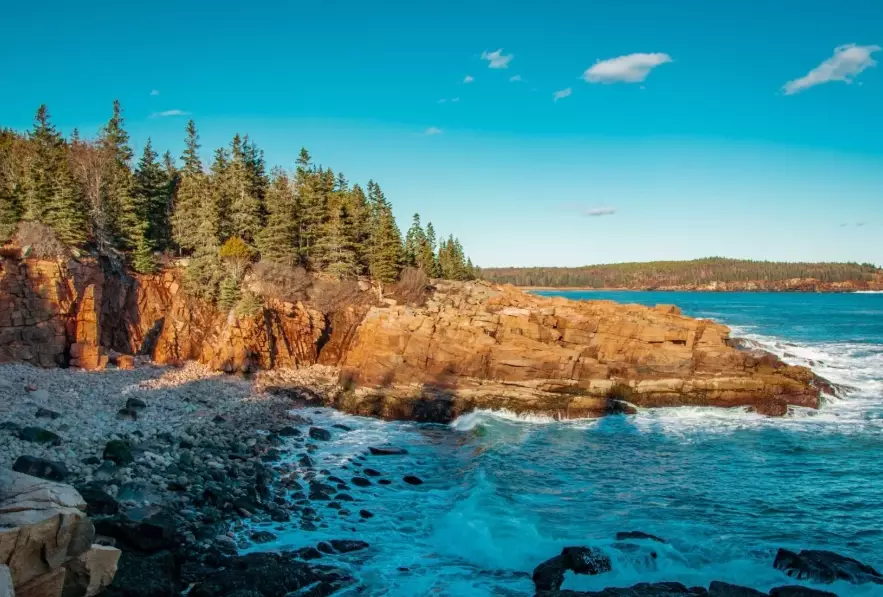
Most visitors never leave Mount Desert Island. Big mistake. The Schoodic Peninsula, about an hour's drive east, is part of Acadia National Park but sees a fraction of the crowds. The scenery is arguably more dramatic—waves crash directly onto sheer pink granite cliffs. You can bike or drive the one-way loop, stopping at Schoodic Point to feel the raw power of the Atlantic. There's no entrance gate, just a $20 park pass (which covers all of Acadia for a week).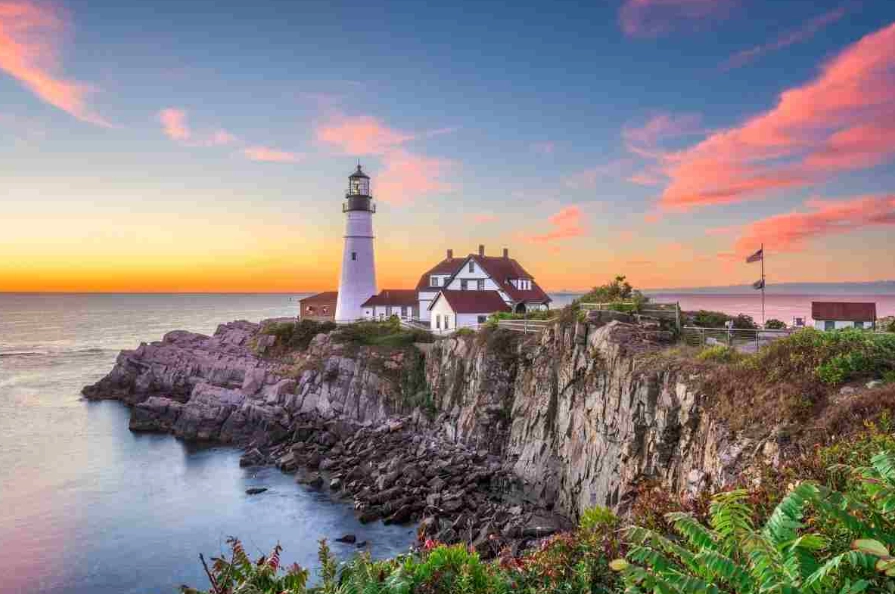
| Acadia Area | Best For | Key Tip / Pitfall | Time Needed |
|---|---|---|---|
| Cadillac Mountain Summit | Iconic panoramic views, sunrise (with reservation). | Pitfall: No reservation = no drive-up access at dawn. Book months ahead or hike. | 1-2 hours (plus drive). |
| Park Loop Road & Sand Beach | Classic coastal drive, easy beach access. | Tip: Go before 9 AM or after 5 PM. Midday in summer is a parking nightmare. | Half-day to full day. |
| Jordan Pond & The Bubbles | Flat walking path, iconic mountain views, popovers at Jordan Pond House. | Pitfall: Restaurant wait can be 2+ hours. Have a picnic instead. | 2-3 hours. |
| Schoodic Peninsula | Dramatic, uncrowded cliffs, biking, solitude. | Tip: Pack a lunch. Services are very limited. Perfect for avoiding Mount Desert Island crowds. | Half-day. |
| Carriage Roads | Walking, biking, horseback riding on gravel paths. | Tip: Rent bikes in Bar Harbor or at the park. The roads near Eagle Lake are stunning and relatively flat. | 2-4 hours. |
Portland: More Than a Foodie City
Portland's food scene is legendary, but reducing it to just lobster rolls and craft beer is a disservice. The city's neighborhoods have distinct personalities.
The Old Port is the historic, cobblestoned heart. It's touristy, yes, but for a reason. The working waterfront smells of salt and fish. You can book a lobster boat tour here for a genuine look at the industry. Standard Baking Co. on Commercial Street has pastries that are worth any line.
Most guides will send you to the Arts District for the Portland Museum of Art. It's a great museum, but the area feels a bit sterile to me. Instead, wander the West End, a residential area of stunning Victorian homes. Or cross the bridge to East Bayside, the true hub of Portland's innovative spirit—home to micro-distilleries like Maine Craft Distilling and quirky spots like the International Cryptozoology Museum (yes, it's about Bigfoot).
For a classic lobster roll, the debate is endless. The $30+ rolls at the famous spots downtown are good. But I often drive 10 minutes south to Bite Into Maine at Fort Williams Park (home of Portland Head Light). Their picnic-style roll with a dash of paprika mayo, eaten on a blanket overlooking the ocean, beats a crowded bistro every time. They're only open seasonally, roughly May to October, from 11 AM to 5 PM.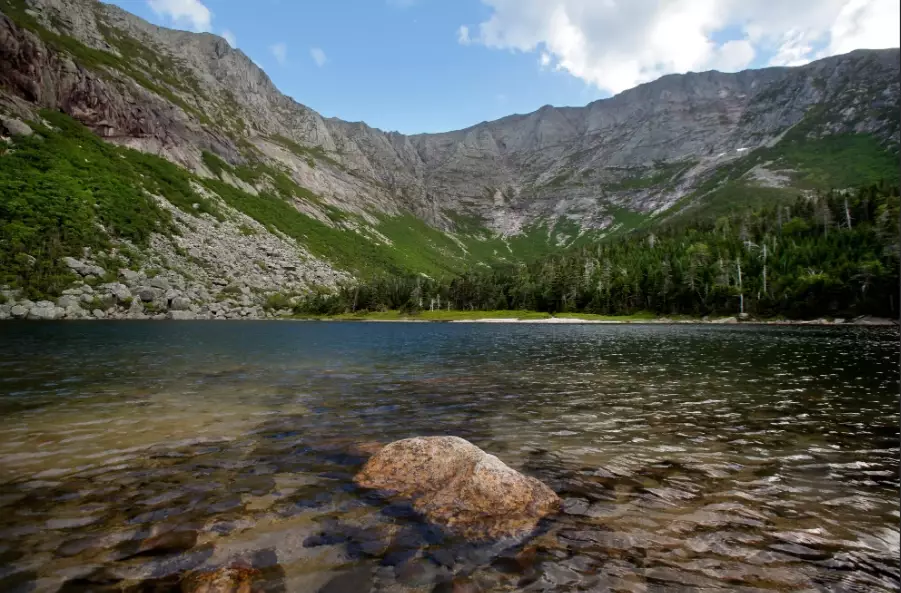
The Art of Lighthouse Hopping
Maine has over 60 lighthouses. Trying to see them all is a recipe for burnout. The key is to pick a coast and explore a few deeply.
Southern Coast Classics: Portland Head Light in Cape Elizabeth is the most photographed for a reason. Go at sunrise. You'll have the place nearly to yourself. By 10 AM, the parking lot is full and the mood is gone. Just down the road, Spring Point Ledge Light in South Portland offers a unique breakwater you can walk out on (carefully!).
Midcoast Treasures: Drive up Route 1 to the Pemaquid Point Light in Bristol. The admission is a few dollars, but it's worth it to climb the tower and wander the dramatic, wave-sculpted rocks that look like a giant's staircase. The fisherman's museum on-site is quaint but informative. Further up, Marshall Point Light in Port Clyde is famous from the movie *Forrest Gump*. It's a simple, beautiful walk and feels less commercialized.
A common mistake is just snapping a photo from the parking lot. Get close. Feel the spray. Read the keeper's history. Each light has a story of shipwrecks and isolation.
Hidden Coastal Gems You Shouldn't Skip
If you only stick to Acadia and Portland, you're missing half of Maine's character.
Camden Hills State Park: Often called "where the mountains meet the sea." Drive or hike up Mount Battie for a breathtaking view of Camden Harbor and Penobscot Bay dotted with islands. The town of Camden itself is postcard-perfect, with schooners in the harbor. It's upscale but retains a working waterfront charm.
Monhegan Island: This is my top recommendation for a true escape. A 10-mile ferry ride from Port Clyde lands you on an island with no cars, about 70 year-round residents, and stunning cliffside hiking trails on the backside of the island. The ferry runs from late May to early October. You need to book ahead and be prepared for a full-day trip. There are a couple of inns and lobster shacks. It's not about ticking sights off a list; it's about slowing down to island time.
Baxter State Park & Mount Katahdin: This is for the adventurer. The northern terminus of the Appalachian Trail, Katahdin is a serious, all-day hike requiring preparation and a parking reservation. But the alpine landscape feels like another world compared to the coast. It's a stark, powerful reminder of Maine's wild interior. The park is about a 4-hour drive north of Acadia.
Planning Your Maine Trip: A Realistic Blueprint
Here’s how to structure a one-week trip that balances icons with discovery.
Days 1-2: Portland & Southern Coast. Land in Portland (PWM). Explore the Old Port, take a lighthouse drive (Head Light, Spring Point, maybe Two Lights). Eat well. On day two, consider a day trip to the Rachel Carson National Wildlife Refuge in Wells for easy, beautiful marshland trails, or drive up to Freeport for LL Bean and the lesser-known Desert of Maine—a bizarre, natural sand desert.
Days 3-5: Acadia Region. Drive to Bar Harbor (about 3 hours). Use one day for classic Mount Desert Island (Cadillac, Park Loop, a hike like the Beehive or Ocean Path). Use another day for the Schoodic Peninsula or a boat tour from Bar Harbor to see puffins (June-August). On your third day, get off the island. Drive to Blue Hill or Stonington for a quieter, more authentic Downeast feel.
Days 6-7: Midcoast. Drive west along Route 1. Stop in Camden for the Mount Battie view. Explore Rockland for the Farnsworth Art Museum (excellent Wyeth collection). Continue to Pemaquid Point Light. Consider a ferry to Monhegan if you have a full day to spare. Your last night could be in a cozy B&B in Wiscasset or Bath before heading back to Portland.
This plan avoids backtracking and gives you a taste of all three main coastal regions.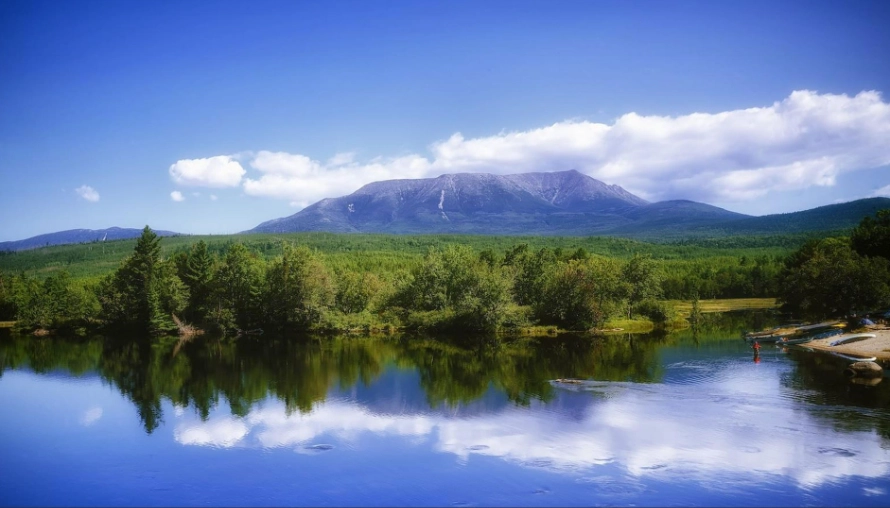
Maine Travel FAQ: Expert Answers
 Where are the best places to see in Maine for fall foliage?
Reader Comments