Arizona punches way above its weight. Forget the cartoon image of endless, flat desert. The real Arizona is a geological wonderland, a historical tapestry, and an adventurer's playground all rolled into one. I've spent years exploring its backroads and main attractions, and the mistake most first-timers make is trying to cram in too much of the "big stuff" without understanding the distances or the unique rhythm of each place. This guide cuts through the noise. We'll look at the iconic spots, sure, but also the places that give Arizona its soul, with the specific details you need to plan a trip that's memorable for the right reasons.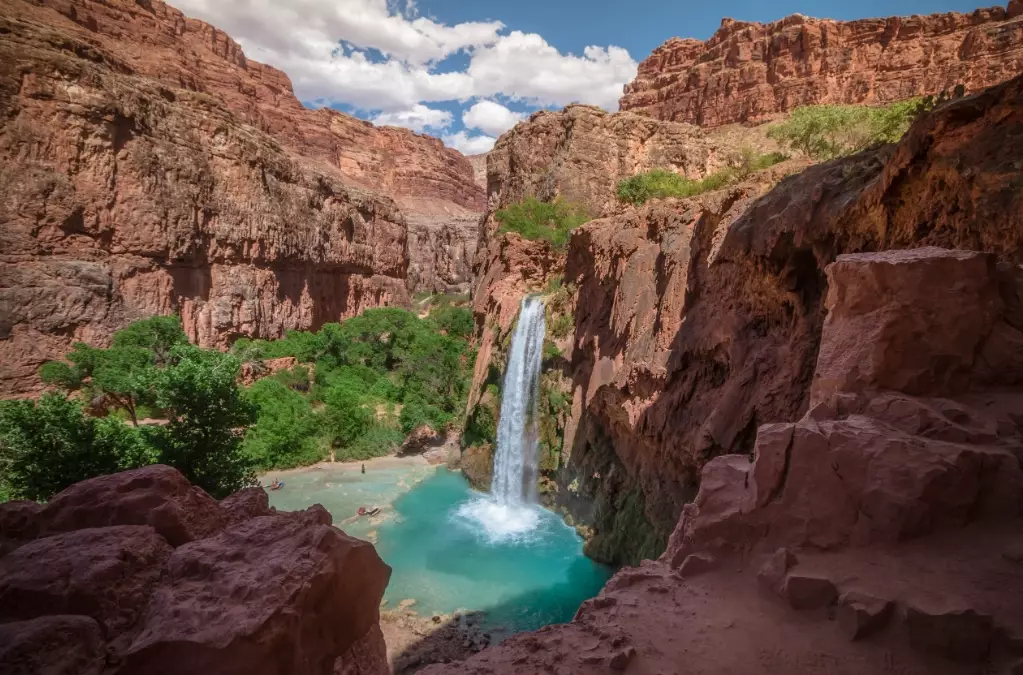
Your Arizona Adventure at a Glance
The Iconic Must-Sees
Let's start with the heavy hitters. These are the places you've seen in pictures, and they absolutely live up to the hype—if you know how to experience them.
Grand Canyon National Park: More Than Just the Rim
Everyone goes to the South Rim. It's spectacular, but it can feel like a natural wonder theme park during peak season. My non-consensus tip? Your first view shouldn't be from the crowded shuttle stop at Mather Point. Instead, enter the park and drive straight to Desert View Drive. Stop at the Desert View Watchtower first. You'll get a panoramic, less crowded introduction that frames the canyon with the Colorado River, giving you a much better sense of scale.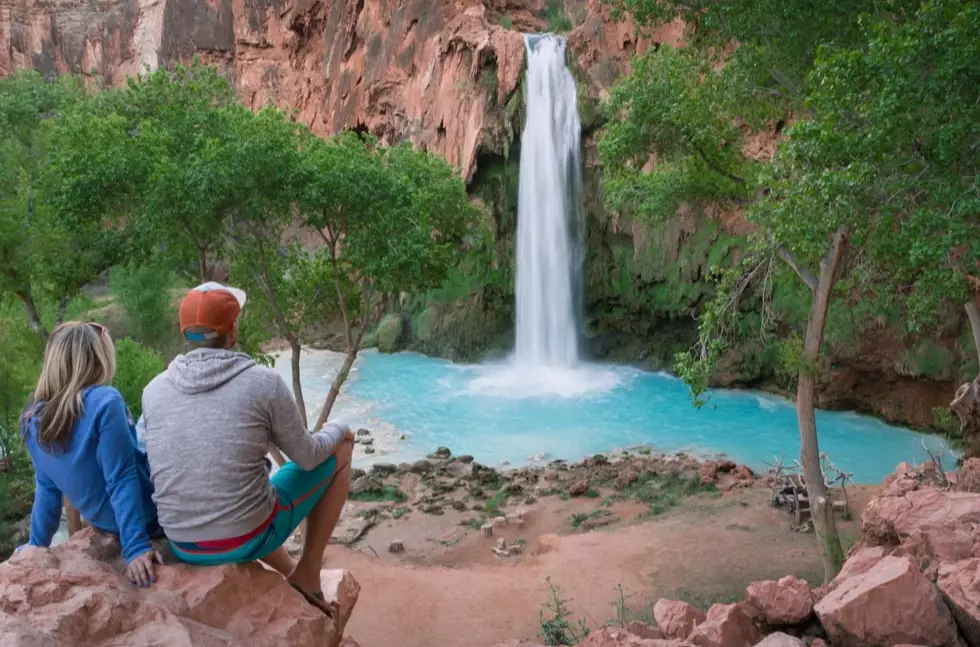
Need to Know: South Rim is open 24/7, year-round. The entrance fee is $35 per vehicle, valid for 7 days. The main gateway town is Tusayan. Parking fills by 9 AM. Use the free, excellent shuttle buses. For a transformative experience, book a mule ride or a permit for a day hike down the Bright Angel Trail (requires serious preparation). The North Rim is higher, cooler, and far less visited, but is only open mid-May to mid-October.
Sedona: Red Rock Country
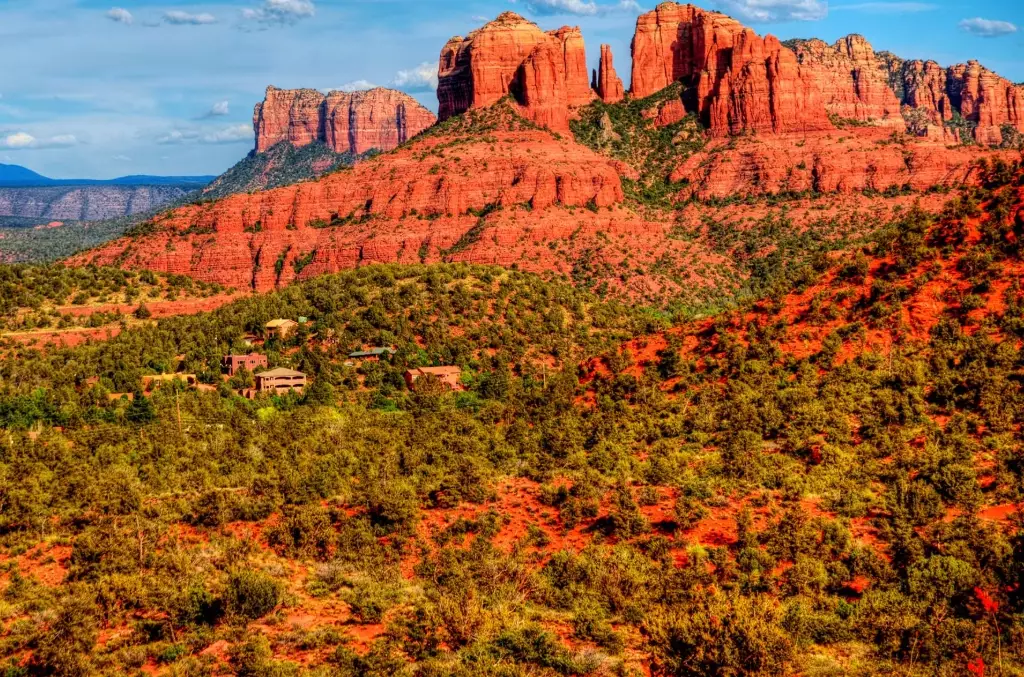
Sedona's beauty is undeniable, but the town itself can be overwhelmingly spiritual-commercial. The key is to get out on the trails early. Skip the crowded Cathedral Rock trailhead at midday. For a stunning, slightly less trafficked alternative, hike the Courthouse Butte Loop near Bell Rock. You get 360-degree views without the bottleneck. Don't just look for vortexes; the real magic is in the changing light at sunrise and sunset.
Address & Access: Sedona is about a 2-hour drive north of Phoenix. No entrance fee for the town or most trailheads, but you need a $5 Red Rock Pass to park at specific sites like the Soldier Pass trailhead, purchasable on-site or at visitor centers.
Antelope Canyon & Horseshoe Bend
These Page attractions are Instagram famous for a reason. Upper Antelope Canyon is the one with the iconic light beams (best around 11 AM-1 PM in summer). You must book a tour with a licensed Navajo guide—no independent access. Companies like Antelope Canyon Tours offer these. Horseshoe Bend is a short, sandy hike from a separate parking lot. The overlook has safety rails now, which some purists grumble about, but they're necessary.
Pro Timing: Book your Antelope Canyon tour months in advance, especially for prime midday slots. For Horseshoe Bend, go for sunset, but bring a flashlight for the walk back. The parking lot fee is $10.
Monument Valley Navajo Tribal Park
This isn't a U.S. National Park; it's on Navajo Nation land. The 17-mile Valley Drive is a self-guided dirt road loop you can drive (with a high-clearance vehicle recommended) past the mittens and buttes. For a deeper understanding, take a guided tour from a Navajo operator who can take you into restricted areas and share cultural stories. The View Hotel is pricey, but waking up to that sunrise from your balcony is unforgettable.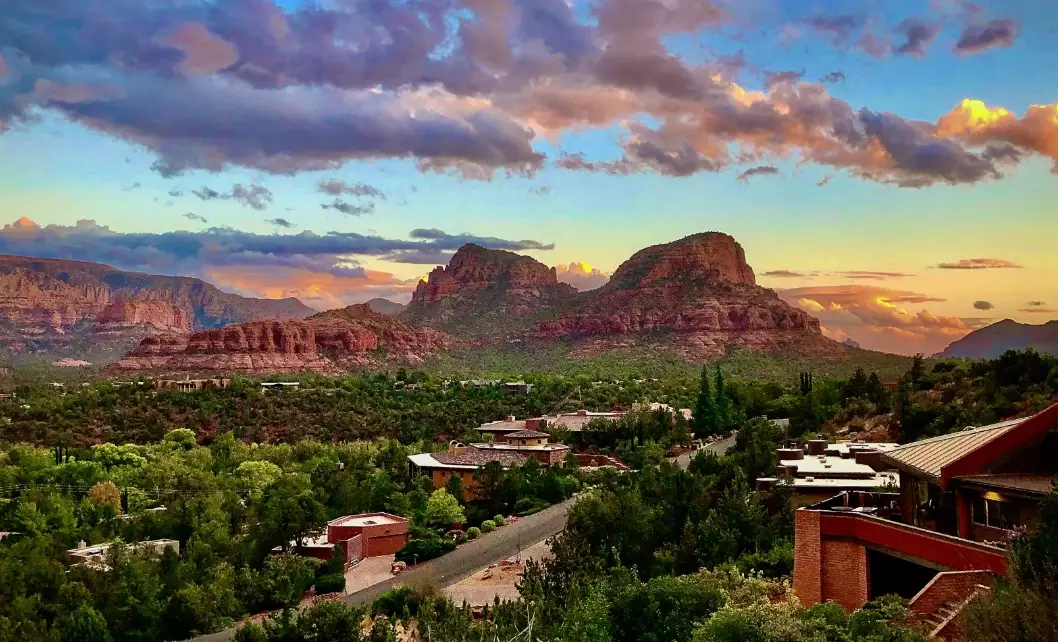
Entry: The park is open daily, 6:00 AM to 8:00 PM (seasonal adjustments). Entrance fee is $20 per vehicle (up to 4 people).
Beyond the Classics: Culture & Hidden Gems
Arizona's heart lies beyond the postcard spots. These places offer history, weirdness, and stunning landscapes without the mega-crowds.
Tombstone: The Town Too Tough to Die
It's touristy, yes. But lean into the kitsch. The gunfight reenactments at the O.K. Corral are cheesy fun. The real gem is the Bird Cage Theatre, an original 1881 saloon and brothel frozen in time. It feels authentically haunted. Wander down Allen Street, but also explore the quieter side streets and the historic courthouse for a more grounded history lesson.
Location: About 70 miles southeast of Tucson. Most attractions have separate tickets ($5-$15). The O.K. Corral experience costs around $15.
Petrified Forest National Park & Painted Desert
Often overlooked for its flashier cousins, this park is a quiet marvel. It's not a forest of standing trees, but a vast landscape of fallen, crystallized logs over 200 million years old. The Rainbow Forest Museum is a great start. The drive through the Painted Desert at the north end is an easy, spectacular addition. This is a great half-day stop if you're driving on I-40.
Logistics: The park is bisected by I-40. Vehicle entry fee is $25. The park road is 28 miles one-way, so plan to enter one end and exit the other.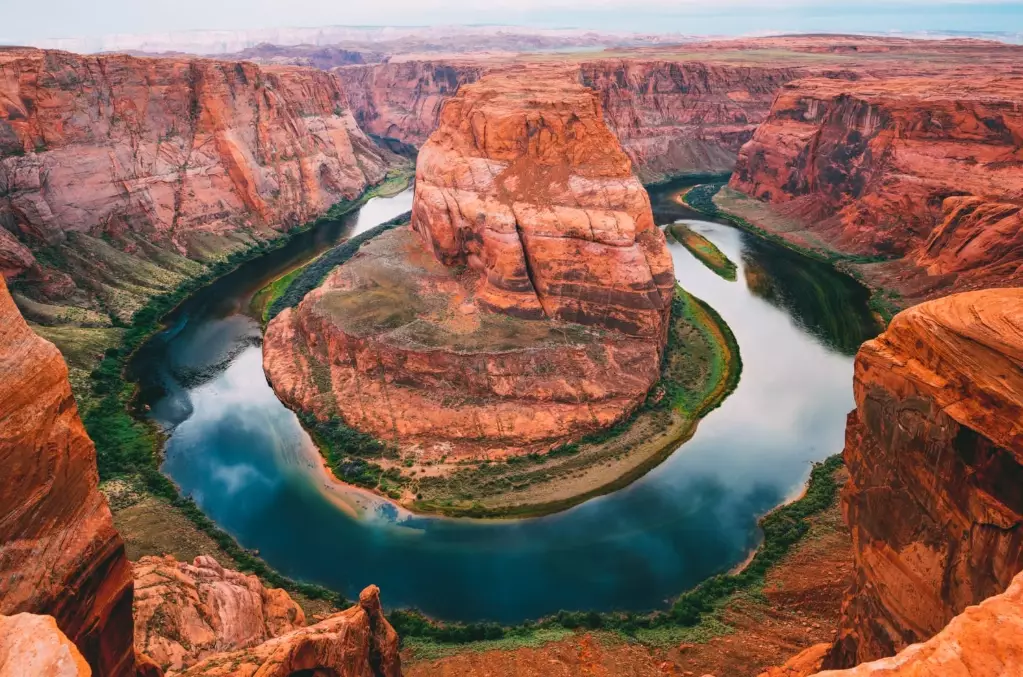
Saguaro National Park (Tucson)
This is the iconic cactus landscape you imagine. The park is split into two districts: East (Rincon Mountain) and West (Tucson Mountain). The West district has a denser concentration of saguaros and is better for short hikes and sunset views. The East district is larger, wilder, and has a fantastic scenic loop drive. For a unique perspective, visit the Arizona-Sonora Desert Museum (part zoo, part museum, part botanical garden) right next to the West district.
| Park District | Best For | Signature Hike/Drive | Entrance Fee |
|---|---|---|---|
| Saguaro West | Classic cactus photos, easy trails, sunsets | Bajada Loop Drive (dirt road), Valley View Overlook Trail | $25 per vehicle (covers both districts for 7 days) |
| Saguaro East | Longer hikes, scenic paved drive, wildlife | Cactus Forest Loop Drive (8 miles paved), Freeman Homestead Trail |
Montezuma Castle & Well
A quick, fascinating stop off I-17. Montezuma Castle is a 20-room cliff dwelling built by the Sinagua people around 1100 AD. It's not a castle, and Montezuma never saw it, but it's incredibly well-preserved. A short drive away is Montezuma Well, a natural limestone sinkhole fed by springs, with its own smaller cliff dwellings. It's a serene, less-visited spot.
Fees & Hours: Managed by the National Park Service. A $10 per person fee (ages 16+) covers both sites for 7 days. Open daily, 8:00 AM to 5:00 PM.
The Meteor Crater & Barringer Space Museum
It's expensive, and it's literally a big hole in the ground. But standing on the rim of the best-preserved meteorite impact site on Earth, nearly a mile wide and 550 feet deep, is a humbling experience that puts our planet into perspective. The museum is dated but informative. Is it worth the $27 adult ticket? If you're fascinated by space and geology, absolutely. If not, you might feel short-changed.
Location: Right off I-40, about 40 minutes east of Flagstaff. Open 8:00 AM to 5:00 PM.
Jerome: A Ghost Town That Came Back to Life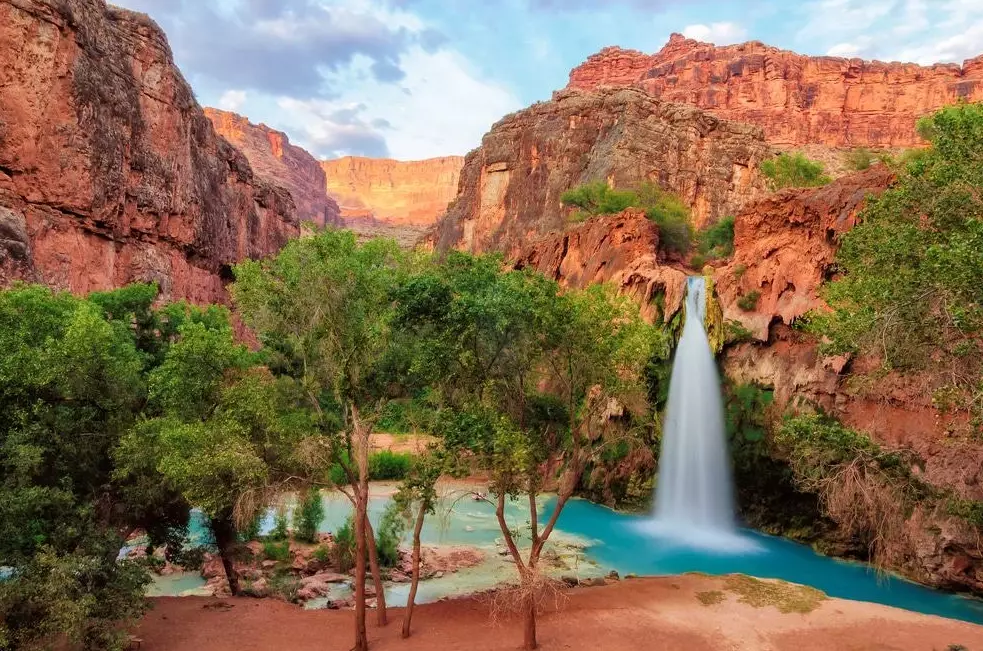
Perched precariously on Cleopatra Hill, this former copper mining boomtown nearly died before being reborn as an artist colony. The streets are steep, the buildings lean, and the history is palpable. Visit the Jerome State Historic Park (Douglas Mansion) for the mining story, then wander the art galleries and quirky shops. The Sliding Jail, which literally slid down the hill, is a must-see. The drive up from Cottonwood offers breathtaking views.
Organ Pipe Cactus National Monument
This is a commitment—it's remote, on the border with Mexico. But it's a UNESCO Biosphere Reserve protecting the unique organ pipe cactus, which is rare in the US. The 21-mile Ajo Mountain Drive is a stunning, one-way gravel loop. This is for the traveler who wants true solitude and a unique desert ecosystem. Check road conditions and park alerts on the National Park Service website before you go.
Lake Powell & Glen Canyon
More than just a reservoir for Page, it's a playground of red rock canyons and blue water. Renting a kayak or a small boat to explore side canyons like Antelope Canyon (the water-access part, different from the slot canyon on land) or Rainbow Bridge National Monument is the way to go. Houseboating is a popular, if pricey, option. The contrast of colors is surreal.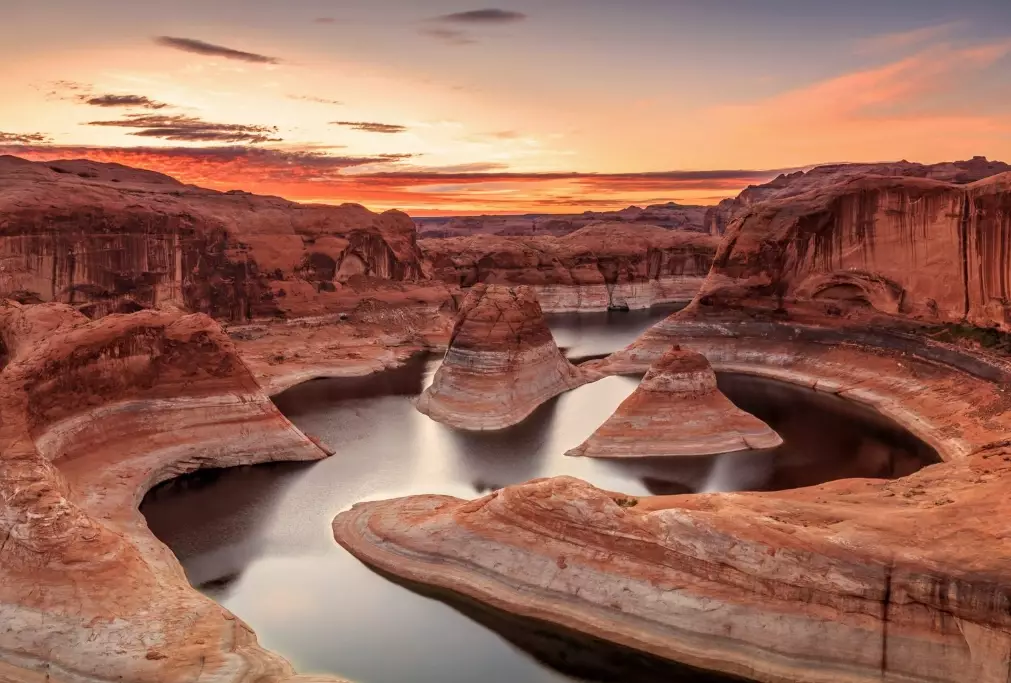
How to Plan Your Arizona Trip
Seeing these places requires a car. Distances are vast. Phoenix (PHX) and Las Vegas (LAS) are the main air hubs. Flagstaff has a smaller airport.
A classic one-week Arizona road trip loop could look like this:
Day 1-2: Arrive Phoenix. Drive to Sedona (2 hrs). Explore red rocks.
Day 3: Drive to Grand Canyon South Rim (2 hrs from Sedona). Explore Desert View Drive, catch sunset.
Day 4: Grand Canyon day (hike, shuttle, visitor centers). Afternoon drive to Page (2.5 hrs).
Day 5: Page day: Antelope Canyon tour in AM, Horseshoe Bend at sunset.
Day 6: Drive to Monument Valley (2 hrs). Do the Valley Drive. Continue to Kayenta or back to Page.
Day 7: Drive back to Phoenix via Flagstaff (stop at Meteor Crater or Walnut Canyon) (~5-6 hrs total).
This is ambitious. For a more relaxed pace focusing on southern Arizona, combine Tucson, Saguaro NP, Tombstone, and maybe a day trip to Bisbee.
Arizona Travel Questions Answered
 How can I experience the Grand Canyon without the massive crowds?
Reader Comments