Let's be honest. When you think of Italy, a few images instantly pop into your head: the Colosseum, a gondola in Venice, Michelangelo's David. They're iconic for a reason. But planning a trip around just those postcards can leave you stuck in endless queues and tourist traps, missing the soul of the place. Having spent over a decade exploring Italy's nooks and crannies, I've learned that the "must-see" label isn't just about ticking boxes. It's about the cities that offer an unforgettable slice of Italian life, art, and history—and knowing how to experience them right.
This guide is your roadmap. We'll cover the non-negotiable classics, because you really shouldn't skip Rome. But we'll also dive into the underrated stars that often deliver a more authentic and relaxed experience. I'll give you the concrete details—ticket links, train times, that perfect spot for a coffee away from the crowds—so you can build an itinerary that feels personal, not generic.
Your Italy City Hit List
The Classic Must-See Trio
These three cities form Italy's golden triangle for a reason. They are powerhouses of art, history, and culture. The mistake most first-timers make is trying to do them all in a rushed five-day blitz. You'll end up exhausted. Give each city its due.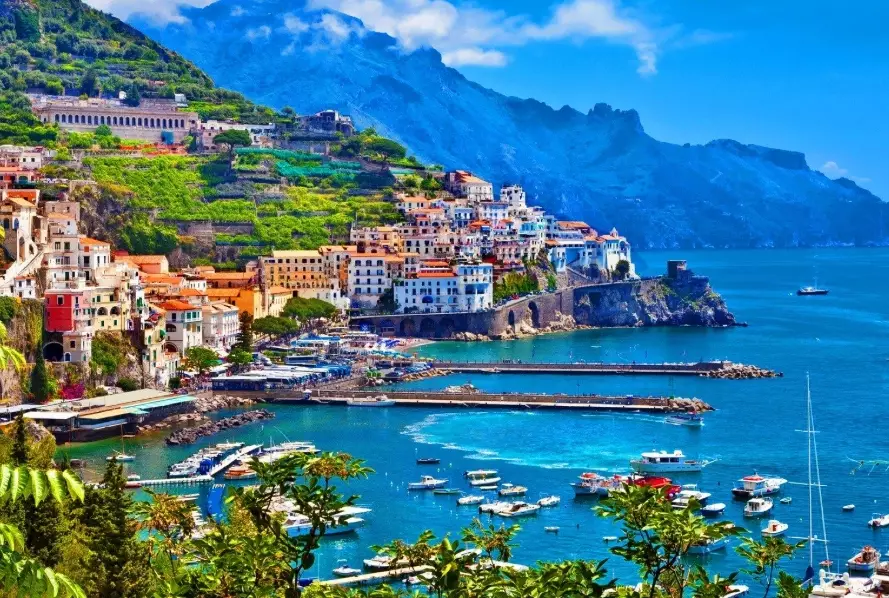
Rome: The Eternal City
Rome isn't a museum; it's a living, breathing archaeological site. You'll trip over history walking to get gelato. The energy is chaotic, passionate, and utterly compelling.
Rome Non-Negotiables:
The Colosseum & Roman Forum: Book your timed entry ticket well in advance on the official CoopCulture site. A standard ticket (€16 + €2 booking fee) covers both. Opening is 8:30 AM; go at opening or one hour before closing for slightly thinner crowds. Metro: Colosseo (Line B).
Vatican City & St. Peter's Basilica: Separate from Rome. Book Vatican Museums/Sistine Chapel tickets online. For St. Peter's Basilica (free), the line is usually shorter around 1 PM or later. Dress code (covered shoulders/knees) is strictly enforced.
The Pantheon: Since 2023, it costs €5 to enter. It's worth it to stand inside the engineering marvel. Open 9 AM - 7 PM. No booking needed, but expect a line.
My tip? Spend a morning just wandering Trastevere. Get lost in its cobbled lanes, have a long lunch at a trattoria like "Da Enzo" (Via dei Vascellari, 29), and feel the local Roman vibe away from the monumental crowds.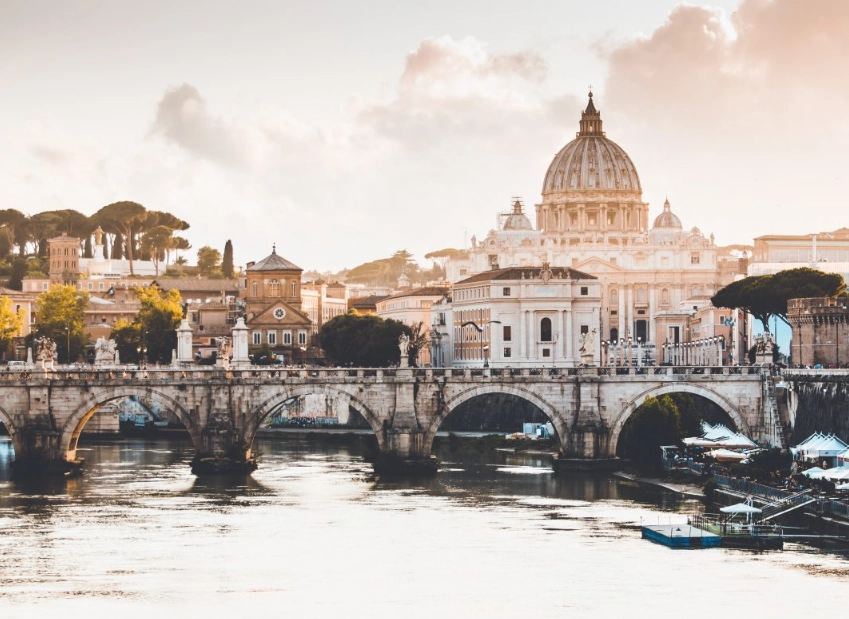
Venice: The Floating Masterpiece
Venice is fragile, crowded, expensive, and completely magical. The key is managing expectations. It's not an "efficient" city. Embrace getting lost.
Getting oriented: Vaporetto (water bus) is your friend. A 72-hour travel card (€45) is cost-effective. The main sights are in San Marco sestiere (district).
St. Mark's Square & Basilica: Basilica entry is free, but you need a (free) timed ticket online to skip the general line. The terrace museum ticket (€7) gets you upstairs and outside for iconic square views. The Campanile (bell tower) next door costs €10 for a panoramic elevator ride.
Doge's Palace & Bridge of Sighs: Book a combined ticket online. The "Secret Itineraries" tour is fascinating but books up fast.
Here's the non-consensus view: Skip the gondola ride if you're on a tight budget (€80 for 30 mins). Instead, take the €2 traghetto ferry across the Grand Canal near the Rialto Market—it's a gondola-esque experience for locals. Or, invest in a sunset gondola in the quieter Cannaregio district.
Florence: The Cradle of the Renaissance
Florence is dense. Almost everything you want to see is within a 20-minute walk. The challenge is the sheer volume of world-class art.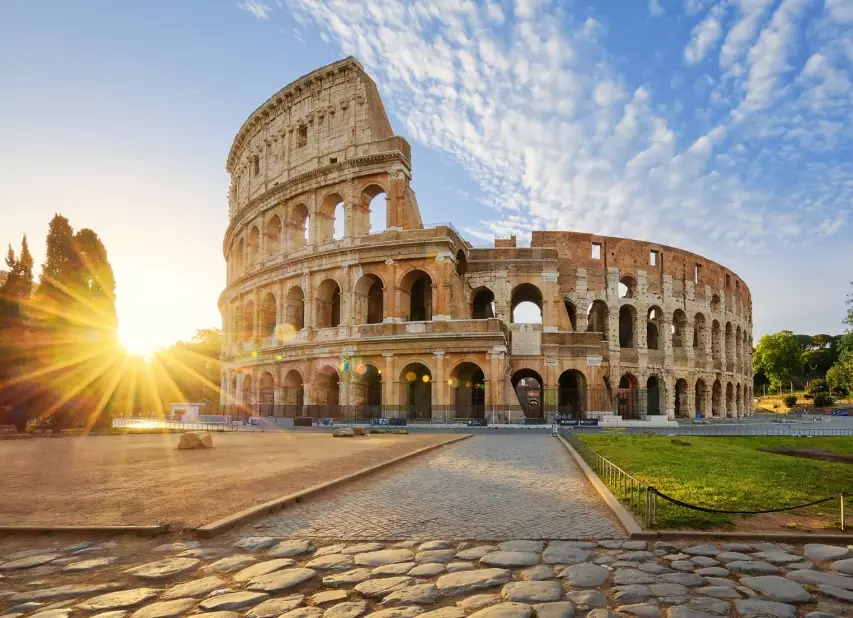
| Must-See Site | Key Info & Booking | Pro Tip |
|---|---|---|
| Uffizi Gallery | Book online mandatory. Full price €25+booking fee. Closed Mondays. | Head straight to the 2nd floor, Botticelli room first to beat the tour groups. |
| Accademia Gallery (David) | Book online mandatory. Full price €12+booking fee. Closed Mondays. | Evening openings (usually Tue & Thu) are less crowded. |
| Duomo Complex | Buy the "Brunelleschi Pass" (€30) online for all monuments (Dome, Bell Tower, Baptistery, Museum). | Dome climb requires a specific timed slot—book the earliest you can manage. |
Don't just museum-hop. Walk across the Ponte Vecchio, watch the sunset from Piazzale Michelangelo (a bit of a climb, but the view is free), and eat a bistecca alla fiorentina (T-bone steak) at Trattoria Dall'Oste or a more local spot like I' Brindellone.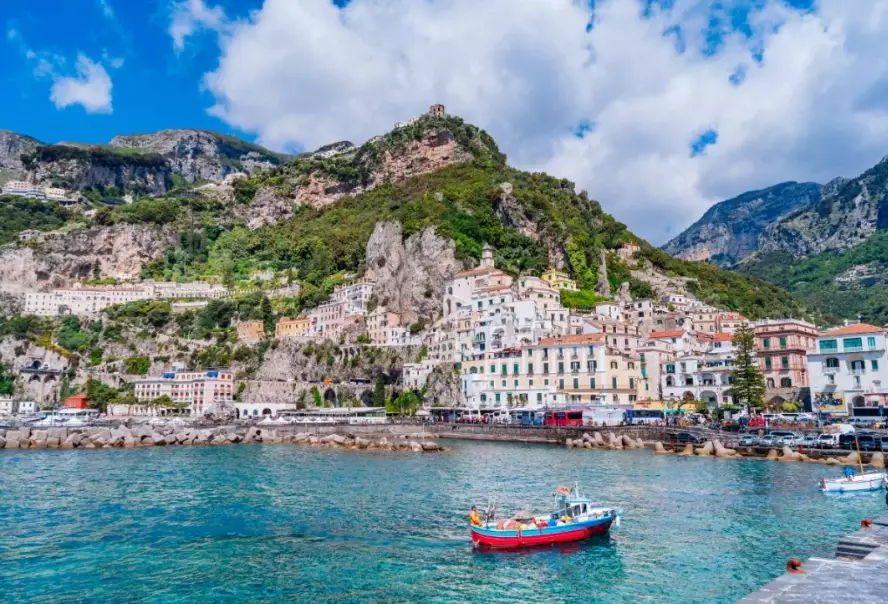
Underrated & Must-See Hidden Gems
If you have time, swapping one of the classics for one of these can transform your trip from a checklist to a discovery.
Bologna: The Food Capital
Florence gets the art, but Bologna gets your stomach. It's a university city with a vibrant, lived-in feel. The porticoed streets are stunning, and the food is arguably Italy's best.
What to do: Climb the Asinelli Tower (498 steps, €5) for a dizzying view. Wander the Quadrilatero market area. The main square, Piazza Maggiore, is grand. But really, you're here to eat.
Eat at: Osteria dell'Orsa (Via Mentana, 1) for hearty, student-friendly pasta. For a sublime tagliatelle al ragù, try Trattoria Anna Maria (Via Belle Arti, 17). A mortadella sandwich from Salumeria Simoni (Via Drapperie, 5/2) is a perfect lunch.
Logistics: 35-min high-speed train from Florence. Perfect for a 2-day food-focused break.
Naples: The Raw, Energetic Soul
Naples is intense. It's loud, chaotic, and breathtakingly beautiful. It's not for everyone, but if you want to see an untamed, passionate Italian city, this is it. It's also the gateway to Pompeii and the Amalfi Coast.
Must-see: The National Archaeological Museum holds the best artifacts from Pompeii. The underground ruins of Napoli Sotterranea are fascinating. And you must eat pizza. Go to the historic L'Antica Pizzeria Da Michele (Via Cesare Sersale, 1) for the classic Margherita, or try 50 Kalò (Piazza Sannazaro, 201b) for a modern take.
Day Trip to Pompeii: Take the Circumvesuviana train from Napoli Centrale to Pompei Scavi-Villa dei Misteri (about 35 mins). Buy Pompeii tickets online. You need at least 4-5 hours. Hiring a licensed guide at the entrance is worth every euro.
Verona: More Than Just Romeo & Juliet
Yes, you can see Juliet's balcony (it's tiny and perpetually crowded). But Verona's real charm is its elegant, compact city center, Roman arena that still hosts operas, and lovely atmosphere on the Adige River.
It's less overwhelming than Venice or Florence but dripping with romance and history. The Verona Card (€20 for 24h) is excellent value, covering arena entry, Juliet's House, and transport.
Planning & Logistics: Making It Work
How you connect these cities matters more than you think.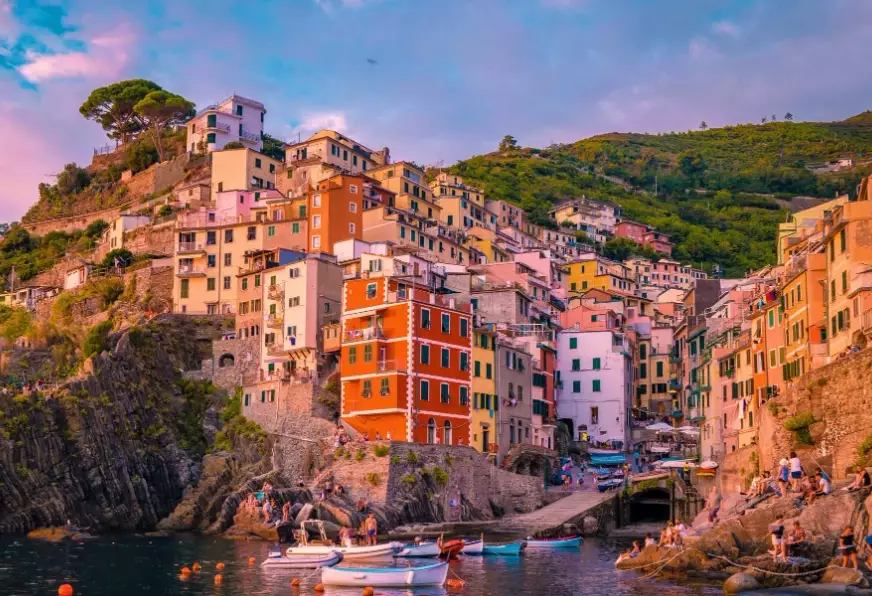
Getting Around: Italy's high-speed train network (Trenitalia Frecciarossa, Italo) is fantastic. Milan to Florence is about 1h 40m, Florence to Rome is 1h 30m. Book in advance on the official websites or apps for the best fares. Regional trains are slower but cheaper for short hops (e.g., Florence to Bologna).
The Itinerary Question: A common 10-day first-timer route could be: Land in Rome (3-4 nights) → Train to Florence (3 nights, with a possible day trip to Bologna) → Train to Venice (2-3 nights). If you have two weeks, add Naples (for Pompeii) and a gem like Verona or the Cinque Terre.
Booking Reality Check: For the major galleries (Uffizi, Accademia, Vatican Museums, Borghese in Rome), assume you must book online weeks, if not months, in advance for peak season (April-October). It's not a suggestion; it's the difference between getting in or not.
Reader Comments