Spain isn't just one destination; it's a collection of fiercely independent regions, each with its own language, cuisine, and personality. The mistake most first-time visitors make? Trying to see it all in a week and ending up in a blur of train stations. After a decade of guiding trips here, I've learned that the magic lies in diving deep, not racing wide. This guide cuts through the overwhelming lists to show you the essential Spanish places, how to experience them authentically, and crucially, how to avoid the queues and tourist traps that can sour the experience.
Your Spain Travel Blueprint
The Urban Beats: Barcelona & Madrid
You'll likely fly into one of these giants. They're worlds apart. Barcelona is the flamboyant artist, Madrid the regal, lived-in capital.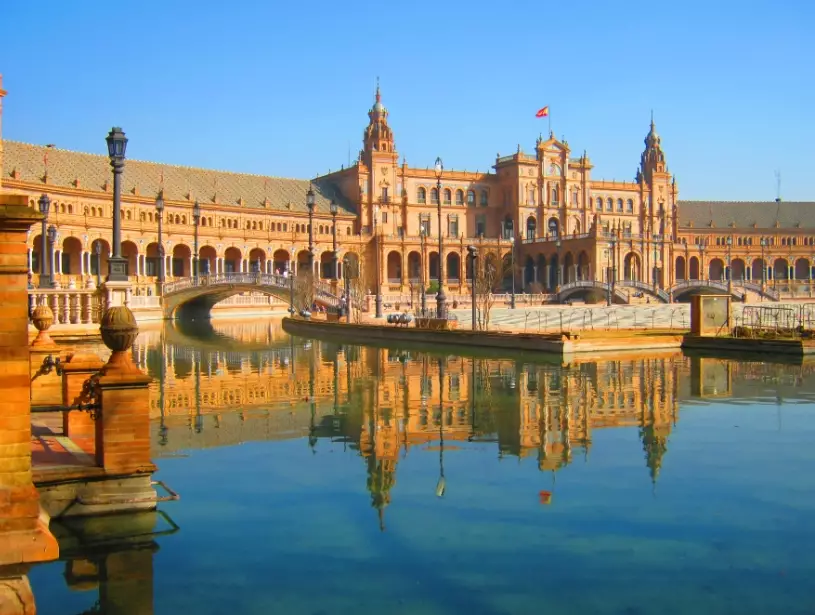
Barcelona: Gaudí's Playground
Yes, you must see the Sagrada Família. But buying a ticket at the door is a fantasy. Book your timed-entry ticket online at least two weeks in advance, directly through the official basilica website. The cheapest basic ticket is €26. Go for the first slot of the day (9:00 AM) to beat the worst of the crowds. The light through the stained glass is worth the early wake-up.
Most people then herd to Park Güell. The monumental zone requires a ticket (€10). My non-consensus tip? The free access area surrounding it offers equally stunning city views and the same whimsical architecture vibe without the ticket hassle or timed entry. For a truly local experience, lose yourself in the Gràcia neighborhood. Plaça del Sol and Carrer Verdi are packed with independent tapas bars where a *pa amb tomàquet* (bread with tomato) and a *caña* (small beer) cost under €5.
Barcelona Quick Facts: Metro is the best way around. A T-Casual card (10 journeys) costs €11.35. Avoid La Rambla for eating—it's overpriced. For authentic paella, head to the Barceloneta district, but remember, paella is a lunch dish here.
Madrid: The Heart of Spain
Madrid feels less like a museum and more like a functioning, glorious city. The Prado Museum is non-negotiable. General admission is €15. Free entry hours are 6-8 PM Mon-Sat and 5-7 PM Sun, but it's packed. I'd pay for a quiet morning slot. Don't try to see everything. Focus on the Spanish masters: Goya, Velázquez, and El Greco.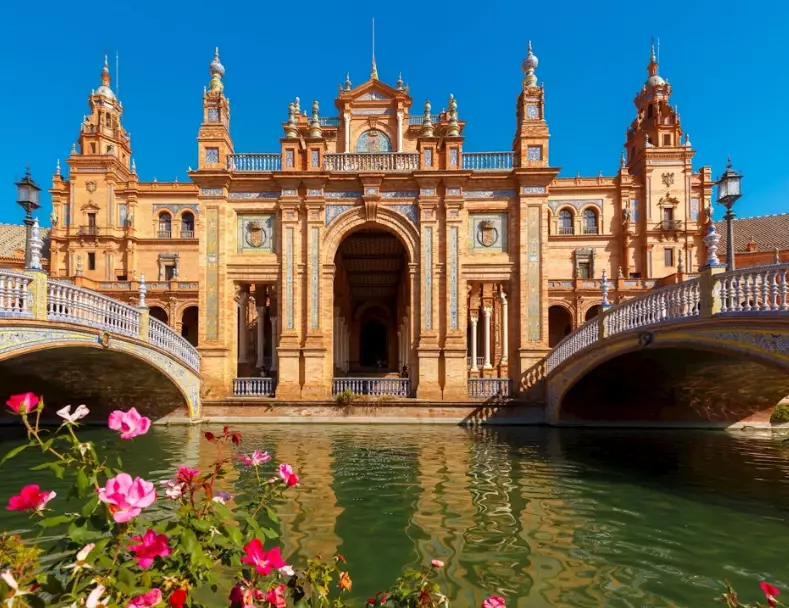
The real Madrid is in its neighborhoods. Malasaña for vintage shops and hip bars. La Latina on a Sunday for the epic El Rastro flea market and a *taberna* crawl. For a classic, no-frills dinner, try Casa Toni (Calle de la Cruz, 14) for incredible fried peppers and grilled sweetbreads. You'll eat well for under €25.
The Soul of Andalucía: Seville, Granada, Córdoba
This is the Spain of flamenco, white villages, and Moorish palaces. The cities are close but distinct.
| City | Must-See Attraction | Ticket Tip & Price | Local Food Highlight |
|---|---|---|---|
| Seville | Real Alcázar (Royal Palace) | Book online. €13.50. The line for walk-ups is brutal, especially in spring. | Tapas in Triana district. Try *espinacas con garbanzos* (spinach with chickpeas). |
| Granada | The Alhambra | Book months ahead on the official site. €19.09. The Nasrid Palaces ticket is timed—don't be late. | Free tapas with every drink! Bar Los Diamantes for fresh seafood tapas. |
| Córdoba | Mezquita-Catedral (Mosque-Cathedral) | €13. Free 8:30-9:30 AM Mon-Sat, but you'll miss details. Worth the fee. | Salmorejo (thick, cold tomato soup). Try it at Taberna Salinas. |
Granada's Alhambra is the crown jewel. The biggest mistake? Not allocating enough time. The complex is vast. Give it a full 4-5 hours. Wear good shoes. The Generalife gardens are not an afterthought—go there first if your Nasrid Palaces slot is later in the day.
Seville's Alcázar is stunning, but the Cathedral (the world's largest Gothic cathedral) and climbing the Giralda tower are equally impressive. Buy a combined ticket. For an authentic flamenco show, skip the expensive tablaos for a *peña* (club) in Triana. It's raw and real.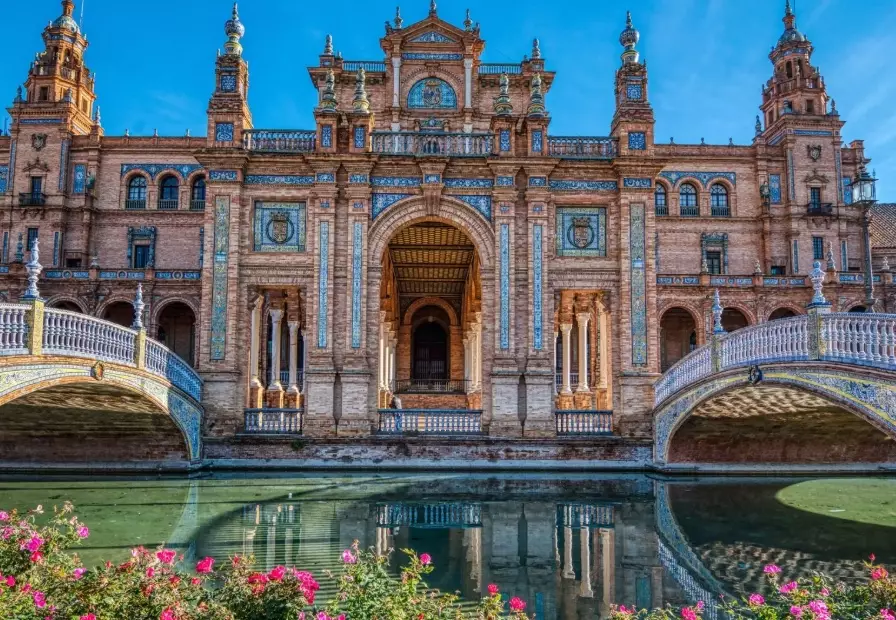
Coastal & Northern Hidden Gems
If you have more time, escape the well-trodden path.
Ronda: The iconic bridge town in Andalucía. It's a day trip from Seville or Málaga. Go early or stay late to avoid the tour bus crowds that descend from 11 AM to 4 PM. The views from the Puente Nuevo are worth it, but wander the old town's quieter streets for the real charm.
San Sebastián (Donostia): In the Basque Country, this is foodie heaven. It's not cheap, but the *pintxos* (Basque tapas) are art. The Michelin stars are famous, but the real action is in the bars of the Old Town (Parte Vieja). Join the crowd, grab a plate, and point at what looks good. A *pintxo* and a small wine (*txikito*) costs €4-6 each. For a blow-out meal, Restaurante Gandarias (31 de Agosto Kalea, 23) does incredible grilled steak.
Santiago de Compostela: The end of the Camino pilgrimage. The cathedral is awe-inspiring, but the magic is in the atmosphere. Stay in the old town, and you'll hear pilgrims arriving at all hours. The local specialty, *pulpo a la gallega* (Galician-style octopus), is a must-try.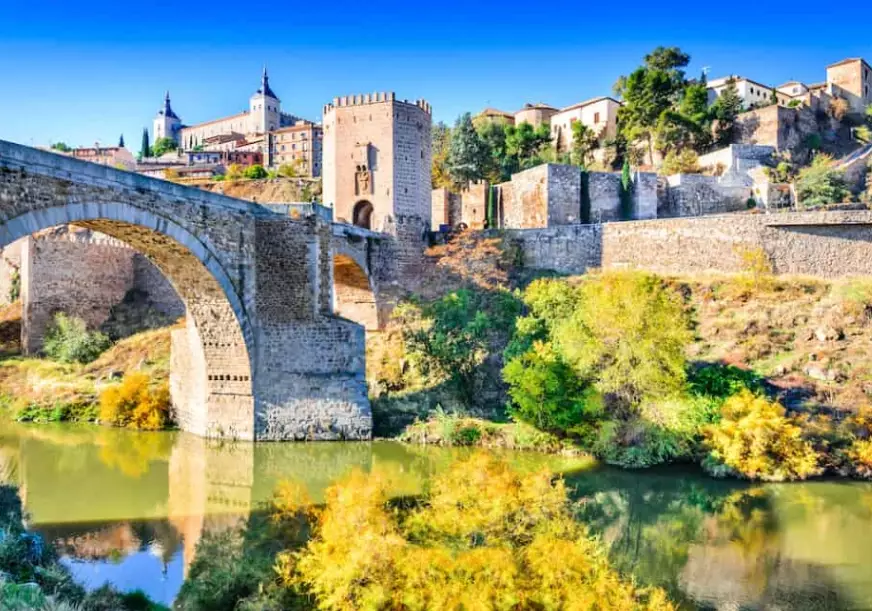
How to Plan Your Spain Itinerary
Be realistic with distances. Spain is big.
- 7 Days: Pick one region. Either Madrid + Toledo + Segovia, OR Barcelona + Costa Brava day trip, OR Seville + Granada + Córdoba (this last one is rushed but doable with high-speed AVE trains).
- 10 Days: Madrid (3 days) -> High-speed train to Córdoba (1 day) -> Train to Seville (3 days) -> Train/bus to Granada (3 days). This Andalucía loop is perfect.
- 14 Days: Combine north and south: Barcelona (3) -> Fly to Málaga -> Ronda (1) -> Seville (3) -> Granada (2) -> Madrid (4, with a day trip to Toledo).
High-speed AVE trains are excellent but book in advance on Renfe's website for the best prices. Buses (ALSA) are cheaper and often connect smaller towns better.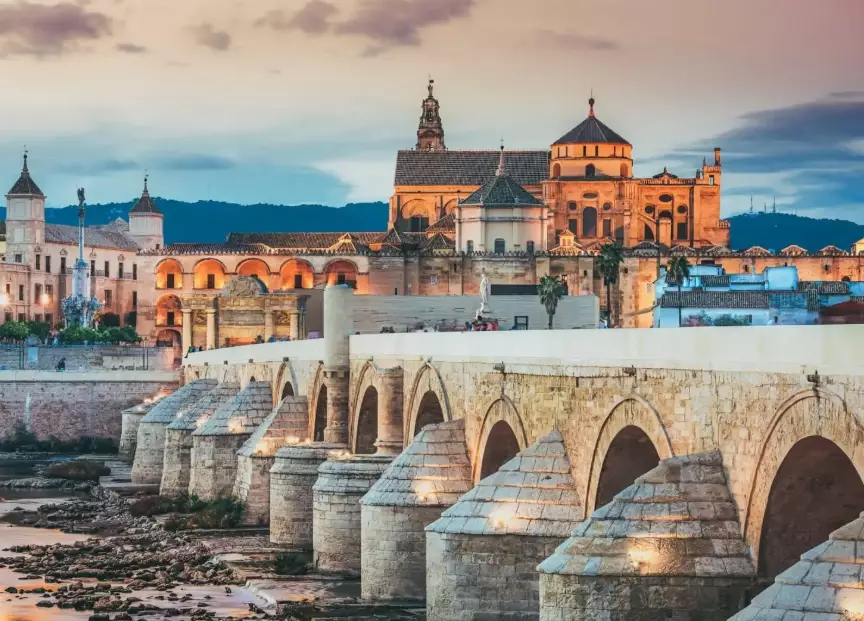
Realistic Budget & Getting Around
Spain is moderately priced for Western Europe, but costs add up.
Accommodation: Expect €80-120/night for a decent central hotel double room in major cities. *Pensiones* (guesthouses) and well-located Airbnb apartments can be cheaper. In smaller towns like Córdoba, prices drop.
Food: You can eat well on a budget. Have a big lunch (*menú del día*), a fixed-price menu often for €12-18 including starter, main, dessert, and drink. Dinner can then be light tapas. A sit-down dinner at a mid-range restaurant is €25-40 per person without drinks.
Attractions: This is a major cost. Budget €15-25 per major monument per day. City tourist cards (like Barcelona Card) can save money if you plan to visit many paid sites in a short time—do the math first.
Common Mistakes to Avoid in Spain
I've seen these too many times.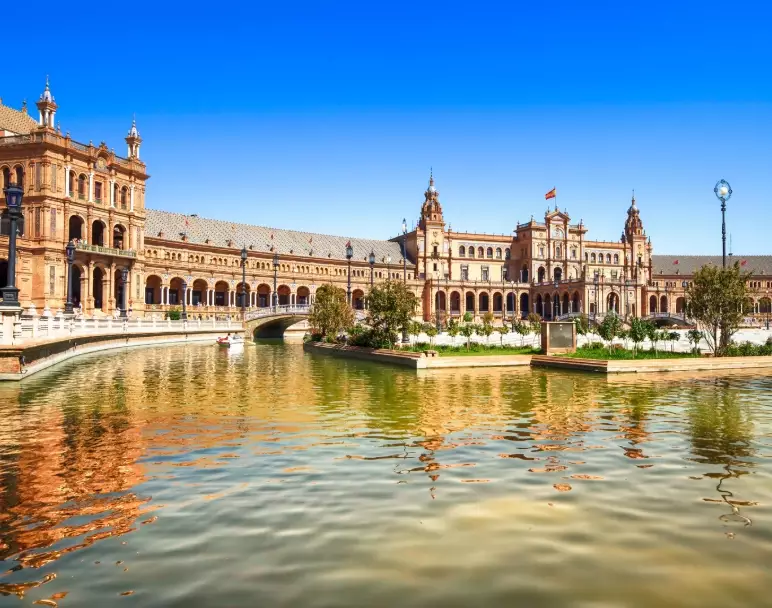
Eating dinner at 6 PM. Restaurants don't really open for dinner until 8:30 or 9 PM. Locals eat later. Adjust your schedule or seek out tapas bars that are open all afternoon.
Over-scheduling. Spain has a slower pace. Build in siesta time (not necessarily sleeping, but a break from 2-5 PM when many shops close). Wander without a plan.
Only staying in city centers. Rent a car for a day and explore the countryside. From Barcelona, the Montserrat mountain monastery. From Madrid, the medieval town of Segovia. From Seville, the white villages of Andalucía like Zahara de la Sierra.
Not learning basic phrases. A simple "Hola", "Por favor", "Gracias", and "La cuenta, por favor" (the bill, please) goes a very long way.
Your Spain Travel Questions Answered
Is one week in Spain enough to see the main places?
Barely, and you'll be exhausted. A week forces you to choose one focus: either the Barcelona/Catalonia region, the Madrid/Castile region, or a very fast-paced highlights tour of Andalucía (Seville, Granada, Córdoba). For a first trip wanting a taste of both modern and historic Spain, 10 days is the sweet spot.
What's the best way to avoid crowds at places like the Alhambra or Sagrada Família?
Pre-booking online for a specific timeslot is non-negotiable. Beyond that, always aim for the first entry time of the day. For the Alhambra, that's 8:30 AM. The light is soft, the air is cool, and you'll have the gardens almost to yourself before the hordes arrive. For city centers, explore early (before 10 AM) or late (after 7 PM).
How much should I budget per day for a mid-range trip to Spain?
For a comfortable but not luxurious trip (decent hotel, eating at a mix of *menú del día* spots and nicer dinners, a few paid attractions, local transport), budget €100-€150 per person per day, excluding inter-city travel. Major city costs are at the higher end, smaller towns at the lower end.
Is it safe to drive in Spain for tourists?
Yes, roads are excellent and well-signed. The main challenge is parking in historic city centers—it's often expensive or impossible. My strategy is to use trains between major hubs, then rent a car for 2-3 days to explore a specific rural region (like Andalucía's white villages or the Basque coast), dropping it off before returning to a city.
What's a major cultural faux pas I might not know about?
Tipping. Americans tend to over-tip. In Spain, tipping is modest and optional. Rounding up the bill or leaving €1-2 per person at a casual meal is fine. For excellent service at a nice restaurant, 5-10% is generous. Leaving 20% will confuse everyone. Also, don't expect speedy service—meals are for lingering.
Reader Comments