Let's cut to the chase. You're looking for the best places to see in Boston, and you don't want a generic list that just repeats the same five spots. You want the essentials, the practical details, and a few curveballs that most guides miss. I've lived here for over a decade, watched tourists make the same mistakes, and discovered the quiet corners that make this city special. This guide is built on that experience. We'll cover the iconic historical landmarks you absolutely cannot skip, some stunning but often overlooked cultural gems, and the charming neighborhoods that give Boston its real flavor. I'll give you the hard numbers on tickets and hours, the best ways to get around, and my personal take on what's worth your time.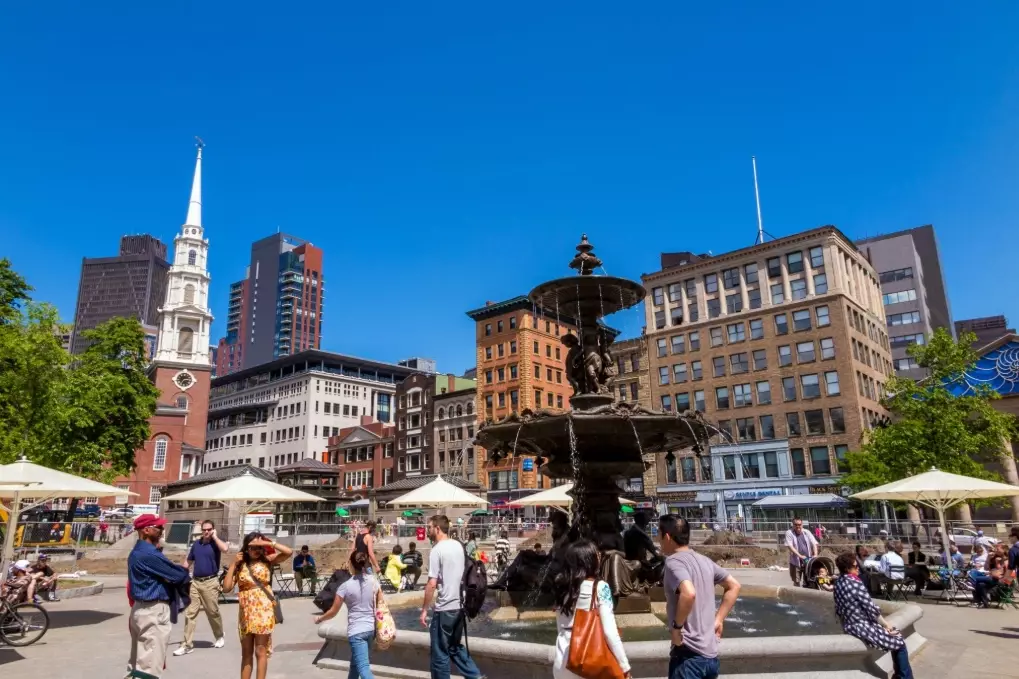
Your Boston Sightseeing Jumpstart
The Freedom Trail, Deconstructed
You can't talk about Boston without the Freedom Trail. It's a 2.5-mile red brick or painted line connecting 16 historically significant sites. The common advice is to "follow the red line," but that's a great way to end up exhausted and missing the point. Here's how to actually do it right.
First, understand that not all 16 stops are created equal. Trying to hit every single one in one go, especially with kids, is a recipe for burnout. The trail is best experienced in digestible chunks. I strongly recommend starting at the Bunker Hill Monument in Charlestown and walking backwards towards downtown. Why? Most crowds start at Boston Common, so you'll be moving against the tide. The climb up the 294 steps of the obelisk is a brutal but rewarding start, and the USS Constitution is right there.
Pro-Tip Most Guides Miss: Don't just look at the buildings. Look down. The Trail's path itself is a mix of modern red paint and, in older sections, actual brick set into the sidewalk. Finding the original brick segments feels like a small treasure hunt.
Here are the non-negotiable stops, the ones with the most impact. You can fill in the gaps between them as energy permits.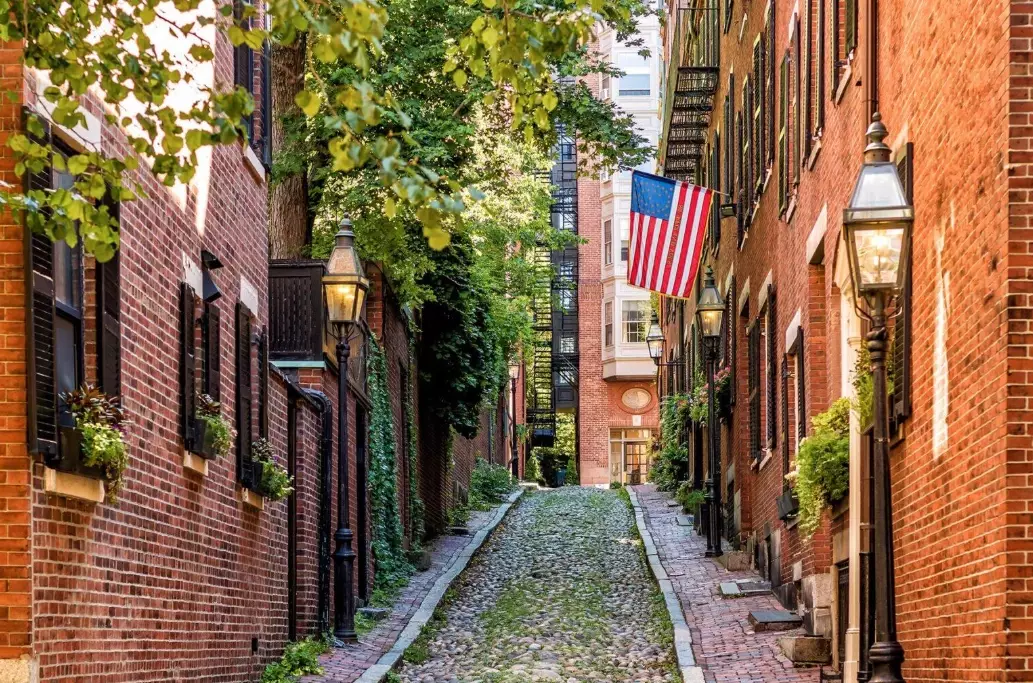
| Site | What It Is & Why It Matters | Key Practical Info (Address, Cost, Hours) |
|---|---|---|
| USS Constitution ("Old Ironsides") | The world's oldest commissioned warship still afloat. You can board it and feel the history. | Charlestown Navy Yard. Free. Open Wed-Sun. Security check required. Official site: National Park Service. |
| Old North Church | “One if by land, two if by sea.” This is where the signal lanterns were hung, starting the Revolutionary War. | 193 Salem St. Small donation suggested. Open daily. The behind-the-scenes tour is worth it for history buffs. |
| Faneuil Hall & Quincy Market | The "Cradle of Liberty" for speeches, now a bustling marketplace. History meets modern food court chaos. | 4 S Market St. Free to enter the Great Hall. Marketplace hours vary. It's crowded and touristy, but the architecture is impressive. |
| Old State House & Boston Massacre Site | The center of colonial government. The massacre occurred just outside its doors. | 206 Washington St. Museum admission fee (around $15). The museum inside is excellent for context. |
| Granary Burying Ground | Final resting place of Paul Revere, John Hancock, Samuel Adams. A serene, stone-crowded space amidst the city buzz. | Tremont St. Free. Open daily. Please be respectful—it's an active cemetery. |
You'll notice I didn't list Paul Revere's House. It's fine, a classic 17th-century home, but it's small, often has a line, and charges admission. You get a better sense of the man at the Old North Church and the Granary. Prioritize accordingly.
Beyond Revolutionary History: Cultural & Scenic Must-Sees
Boston's story didn't end in 1776. The next layer of must-see places showcases its intellectual, artistic, and natural beauty.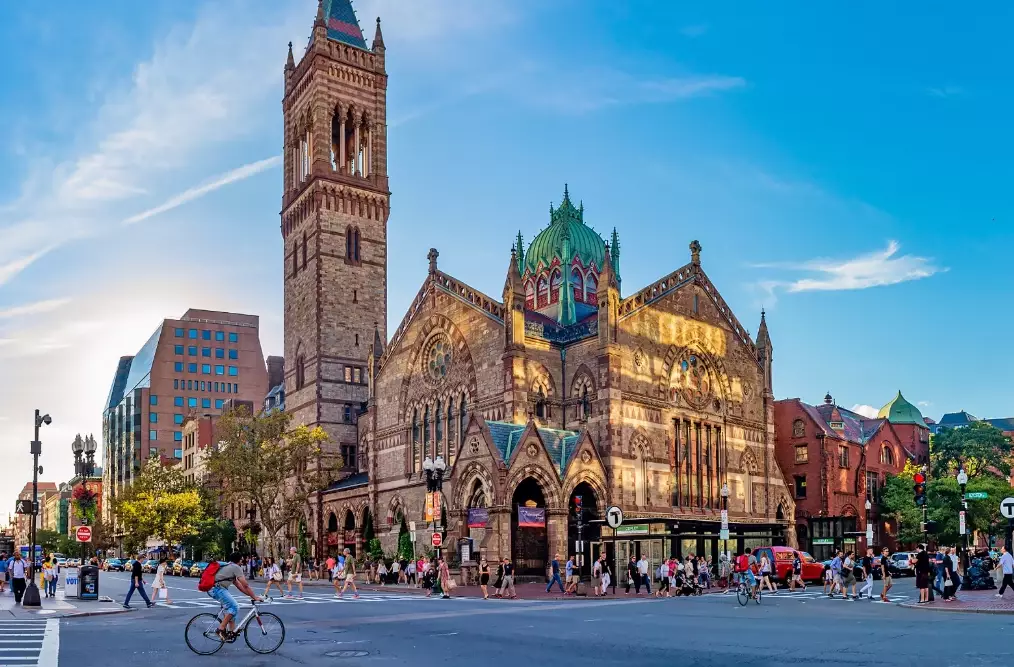
Boston Public Library – Central Library in Copley Square
Calling this a "library" is like calling Fenway Park a "field." It's a palace of knowledge and one of the most breathtaking public spaces in America. Forget the quiet, stuffy library stereotype. The Bates Hall reading room is a cathedral of study with a 50-foot coffered ceiling. The courtyard is a serene Italianate oasis perfect for a coffee break. And it's all free.
Address: 700 Boylston St., Boston. Hours: Open daily (check for variations). Pro Move: Join one of the free art and architecture tours (offered multiple times daily). They'll point out the Sargent murals and the secret details you'd walk right past.
Isabella Stewart Gardner Museum
This is my top recommendation for a unique experience. It's the former home of a fabulously wealthy and eccentric art collector, built around a stunning, sun-drenched courtyard filled with flowers. The collection is arranged by her whims, not by era or style—a Renaissance painting next to a Chinese screen. It feels personal, not institutional.
Address: 25 Evans Way, Boston. Tickets: Around $20. Book online. Note: If your name is Isabella, you get in free for life. The 1990 art heist (still unsolved) adds a layer of intrigue—you'll see the empty frames still hanging.
Fenway Park
Even if you hate baseball, Fenway is a cultural landmark. It's ancient, quirky, and full of soul. The Green Monster left-field wall is iconic. Taking a tour is the best way to appreciate it without game-day prices and crowds. They'll take you up on the Monster, into the press box, and tell stories about the park's 1912 origins.
Tour Info: Tours run year-round, multiple times a day. Costs about $25. Buy ahead. Game tickets are a different beast entirely—expensive and hard to get for big matches.
The Neighborhood Walks: Beacon Hill & the North End
Some of the best "sights" aren't single attractions but entire neighborhoods you wander through.
Beacon Hill is postcard-perfect Boston. Cobblestone streets, red brick row houses with black shutters, glowing gas lamps. The main drag is Acorn Street (yes, it's tiny and always has people taking photos). But wander down any side street—Cedar Lane Way, West Cedar Street. Look for the colorful doors and hidden gardens. It's quiet, residential, and feels frozen in time. Don't miss Louisburg Square.
The North End is Boston's Little Italy, and the attraction is the atmosphere and the food. It's a dense warren of narrow streets packed with restaurants, cafes, and pastry shops. The main historical site here is the Old North Church (see above). But the real activity is along Hanover Street and Salem Street. Get a cannoli (the debate between Mike's Pastry and Modern Pastry is a local rite of passage—try both and pick a side). Come hungry.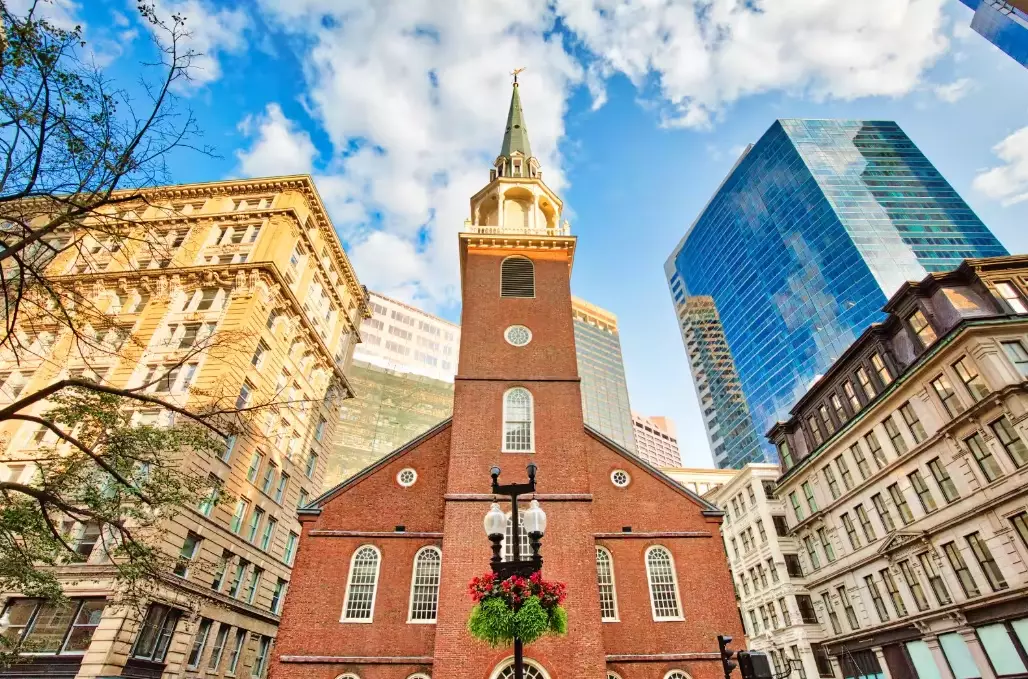
Boston Sightseeing Logistics & Planning
Boston is a walking city, but it's not a grid. Streets were laid out by cow paths, so you will get turned around. Use your phone's map. The MBTA (the "T") is your friend for longer hops. A one-day CharlieCard pass is about $12. For the Freedom Trail chunk from Government Center to Charlestown, the ferry from Long Wharf to the USS Constitution is a fun and scenic shortcut.
When to go? Fall is glorious but packed. Spring can be rainy but lovely. Summer is hot and humid with peak crowds. Winter is cold, but you'll have places like the Gardner Museum almost to yourself. There's no bad time, just different trade-offs.
Don't try to cram everything into one day. Pick two major areas. For example: Morning on the Freedom Trail (North End/Charlestown section), afternoon at the Boston Public Library and Copley Square. Or: Morning at the Gardner Museum and Fenway, afternoon wandering Beacon Hill.
Your Boston Sightseeing Questions, Answered
Focus on the core. Start at Faneuil Hall for context, then walk to the Old State House and the Boston Massacre site. Continue to the Granary Burying Ground and King's Chapel. From there, it's a straight shot up to the Old North Church. Skip the Charlestown part (USS Constitution, Bunker Hill) unless you're a huge naval history fan, as the ferry or walk adds significant time. This "core loop" covers the most famous sites in 3-4 hours, leaving you time for a North End lunch and another neighborhood in the afternoon.
It depends entirely on your list. These cards bundle admission to several attractions for a discounted rate. Do the math. If your must-sees include the New England Aquarium, Museum of Science, and Skywalk Observatory—which are all on the pass—then yes, you'll save money. But if your itinerary is heavy on free sites (Freedom Trail walk, Public Library, neighborhoods) and maybe one paid museum like the Gardner, the pass probably won't pay for itself. Always check the current list of included attractions and compare it to your planned itinerary with individual ticket prices.
 What's a good hidden gem or less crowded spot that most tourists miss?
Two come to mind. First, the Gibson House Museum in Back Bay. It's a perfectly preserved 1860s brownstone townhome. Tours are small and docent-led, giving you an intimate look at how a wealthy Victorian family lived. It's the opposite of the grand, curated museums. Second, the Harvard Museum of Natural History in Cambridge (short T ride away). Its famous "Glass Flowers" collection is a mind-blowing artistic and scientific achievement—thousands of botanically accurate plant models made entirely of glass. It's unique in the world and often quieter than downtown museums.
Extremely walkable in the core areas, but the walking is often on uneven brick or cobblestone sidewalks and involves hills (especially Beacon Hill). Comfortable, broken-in walking shoes are non-negotiable. Blisters are the fastest way to ruin a trip. Dress in layers, as weather can shift quickly, especially near the water. Even in summer, a light jacket is wise. In other words, prioritize function over fashion for daytime exploring.