Let's cut to the chase. You're thinking about Iceland, and your mind is flooded with images of waterfalls, volcanoes, and maybe a confused-looking puffin. The hype is real, but the internet is also full of generic lists that make every spot sound equally magical. They're not. After several trips driving every major road and plenty of dead-end gravel tracks, I've learned that planning what to see in Iceland isn't just about picking famous names on a map. It's about understanding the landscape's rhythm, the brutal honesty of its weather, and how to match sights to your travel style.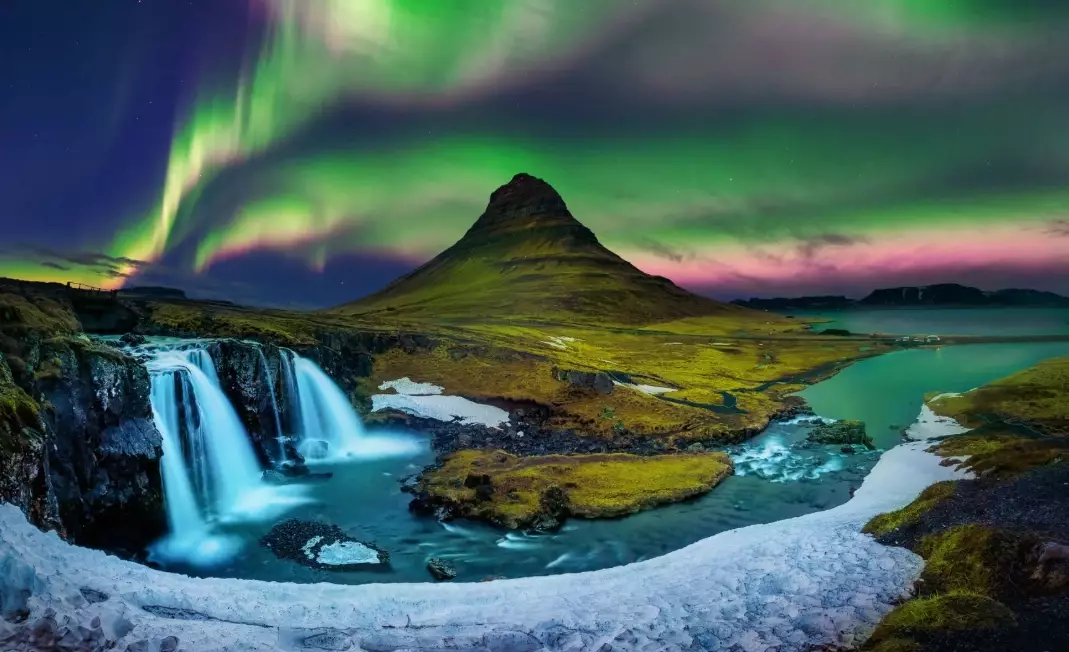
The biggest mistake? Trying to see it all in a week. You'll spend more time in your car than outside of it. This guide focuses on the truly unmissable things to see in Iceland, with the gritty details—like where that elusive parking lot actually is, when you should book months ahead, and which spots are worth the hype versus the ones you can skip if you're short on time.
Your Iceland Sightseeing Roadmap
The Absolute Must-See Natural Wonders
This is why you're coming. Iceland's landscapes are the main event. We'll break them down by region so you can plan logically.
The Golden Circle: The Accessible Icon
Yes, it's touristy. For a reason. You can hit the big three in a day from Reykjavik. Þingvellir National Park is where you can walk between tectonic plates. The Silfra fissure here is world-famous for diving, but just walking the Almannagjá gorge is powerful. Parking costs 750 ISK (about $5-6).
Gullfoss (Golden Falls) is a massive two-tiered waterfall that you can feel in your chest. The main viewing platform is a 2-minute walk from the lot. In winter, it's partially frozen—stunning but extremely slippery. The cafe here is overpriced; pack a sandwich.
Geysir is the namesake for all geysers. The big one, Geysir, sleeps, but Strokkur erupts every 5-10 minutes, shooting water 15-20 meters high. It's free to visit. Stand downwind and you might get a warm, sulfur-scented shower.
Pro Tip: Do the Golden Circle counter-clockwise. Most big tour buses go clockwise. Starting at Þingvellir at 8 AM means you'll have the park almost to yourself and avoid the biggest crowds at Geysir and Gullfoss later.
The South Coast: Waterfall & Glacier Alley
Drive east from Reykjavik and you're in classic Iceland poster territory.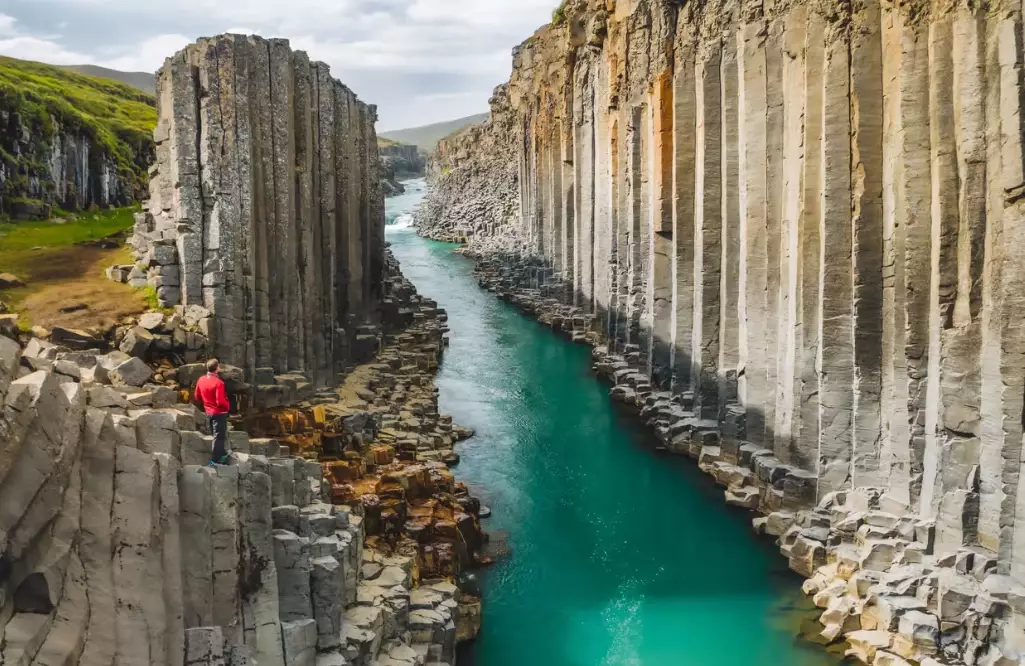
Seljalandsfoss is the waterfall you can walk behind. You will get wet. A waterproof jacket is non-negotiable. Just a 10-minute walk further down the path is Gljúfrabúi, a hidden waterfall inside a canyon. Most people miss it. Don't.
Skógafoss is a brute. A 60-meter wall of water you can walk right up to. The spray creates constant rainbows on sunny days. Climb the 400+ steps to the top for an incredible view down the coast. The lot is free but fills up by midday.
Reynisfjara Black Sand Beach near Vík is breathtaking and dangerous. The waves (sneaker waves) are unpredictable and have killed tourists. Never turn your back on the ocean, and stay well away from the waterline. The basalt columns and Reynisdrangar sea stacks are worth the caution.
The Snæfellsnes Peninsula: "Iceland in Miniature"
A 2-3 hour drive north from Reykjavik, this peninsula packs volcanoes, glaciers, black sand beaches, and dramatic cliffs into one loop.
Kirkjufell is that iconic mountain you've seen, often with the Kirkjufellsfoss waterfall in the foreground. The photo spot is a 5-minute walk from a paid parking lot (approx. 700 ISK). It's beautiful, but be prepared for a crowd of tripods at sunset.
Djúpalónssandur is a more rugged, less crowded black pebble beach with haunting remains of a shipwreck. It feels wilder than Reynisfjara.
Stykkishólmur is the charming fishing town you should base yourself in. The Norwegian Houses are picturesque, and a ferry from here goes to the remote Westfjords.
The Diamond Circle & Lake Mývatn (North Iceland)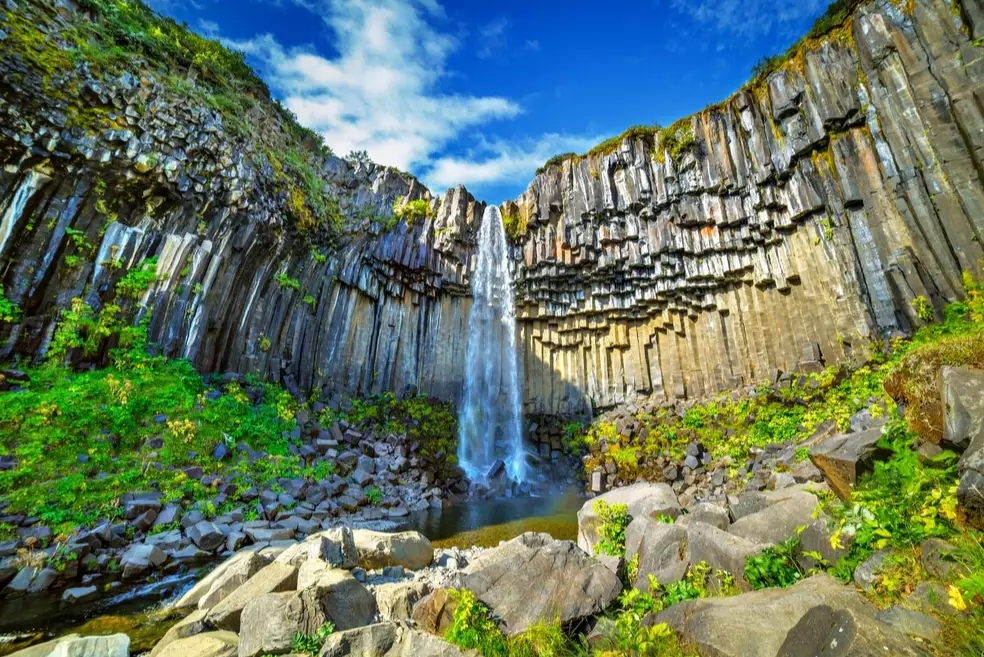
If you make it to the north, you're rewarded with geothermal wonders and vast landscapes.
Lake Mývatn itself is strange and beautiful, surrounded by pseudo-craters. The Mývatn Nature Baths are the north's answer to the Blue Lagoon—cheaper, less crowded, and with a more local feel. Entry is around 6,900 ISK.
Dettifoss is Europe's most powerful waterfall by volume. You can approach from the west (more dramatic view) or east (better path) side. The road is rough gravel; a 4x4 is recommended, especially after rain.
Ásbyrgi is a massive, horseshoe-shaped canyon that feels like another world. Legend says it's the hoofprint of Odin's horse.
Cities & Cultural Highlights
Iceland isn't just nature. The human element is fascinating.
| City / Attraction | What to See & Do | Key Practical Info |
|---|---|---|
| Reykjavik | Hallgrímskirkja church (go up the tower), Harpa concert hall (free to wander inside), Sun Voyager sculpture, Laugavegur shopping street. The Reykjavik City Card covers buses and many museums. | Parking is expensive and timed. Use the Parka app. Most museums cost 2,000-3,000 ISK. |
| Perlan Museum (Reykjavik) | Excellent for understanding Iceland's nature. Has a real ice cave replica and a great panoramic viewing deck. | Adults ~4,900 ISK. Sits on a hill, easy to drive to with free parking. |
| Sky Lagoon (near Reykjavik) | Newer geothermal spa with an epic ocean-view infinity edge and a 7-step ritual. More modern and design-focused than Blue Lagoon. | From 8,990 ISK. Book ahead. The "Pure" pass is sufficient. |
| Akureyri (North) | Charming "Capital of the North." Visit the botanical garden (free), the iconic church, and the Christmas House if you're into that. | Great base for exploring the north. Has an airport with domestic flights. |
Unique Icelandic Experiences
Beyond just looking, here's how to truly engage with the landscape.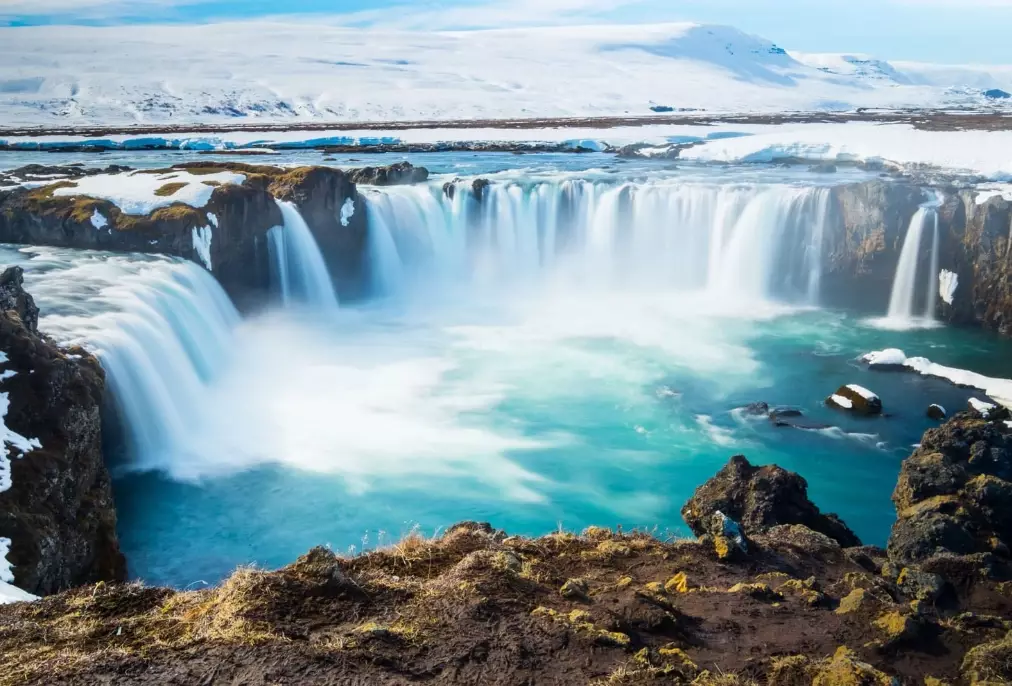
Glacier Hiking on Sólheimajökull or Vatnajökull: Don't just look at the glacier, walk on it. Guided tours are mandatory for safety. You'll get crampons and an ice axe. It's easier than you think and utterly surreal. Tours start around 12,000 ISK per person.
Ice Caving (Winter Only): From November to March, you can enter natural blue ice caves inside glaciers. The crystal blue light is unforgettable. Tours depart from Jökulsárlón or the south coast. This must be booked with a licensed guide—caves are unstable.
Whale Watching from Húsavík or Reykjavik: Húsavík in the north is called the whale watching capital. The success rate is high. From Reykjavik, it's more convenient. Dress warmly, even in summer. Tours last 3-4 hours.
Icelandic Horseback Riding: These small, sturdy horses have a unique fifth gait called the tölt, which is incredibly smooth. Dozens of farms near Reykjavik and around the country offer short rides. It's a peaceful way to see the countryside.
Putting It All Together: Itinerary Ideas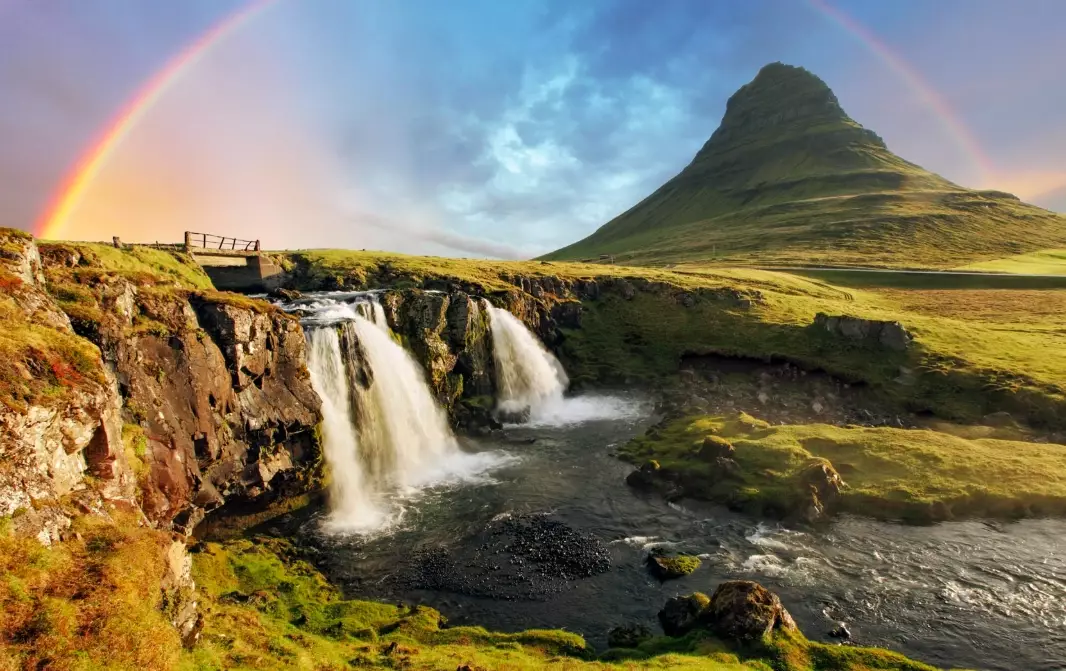
Here's how to structure your time. These are driving itineraries—a rental car is essential.
The 7-Day Classic Ring Road Taster: This is fast-paced. Day 1: Reykjavik & Golden Circle. Day 2: South Coast to Vík. Day 3: Jökulsárlón Glacier Lagoon and Diamond Beach, drive to Höfn. Day 4: Eastfjords to Egilsstaðir. Day 5: Lake Mývatn area. Day 6: Akureyri, drive to near Borgarnes. Day 7: Snæfellsnes Peninsula, back to Reykjavik. You'll see a lot, but you'll be driving 4-6 hours most days.
The 10-Day Deeper South & West Focus: More relaxed and immersive. Days 1-2: Reykjavik and Golden Circle. Day 3: Þórsmörk Valley hike (superjeep tour needed). Days 4-5: South Coast in detail, including a glacier hike and overnight near Vík. Day 6: Jökulsárlón and back. Day 7: Relax in the Secret Lagoon or hike Reykjadalur hot river. Days 8-9: Snæfellsnes Peninsula. Day 10: Departure.
My personal preference? Skip the frantic full Ring Road loop on a first visit. Pick two regions, like the South Coast and Snæfellsnes, and explore them thoroughly. You'll have time for spontaneous stops and won't feel like you're on a marathon.
Practical Tips for a Smooth Trip
This is the stuff that makes or breaks your trip.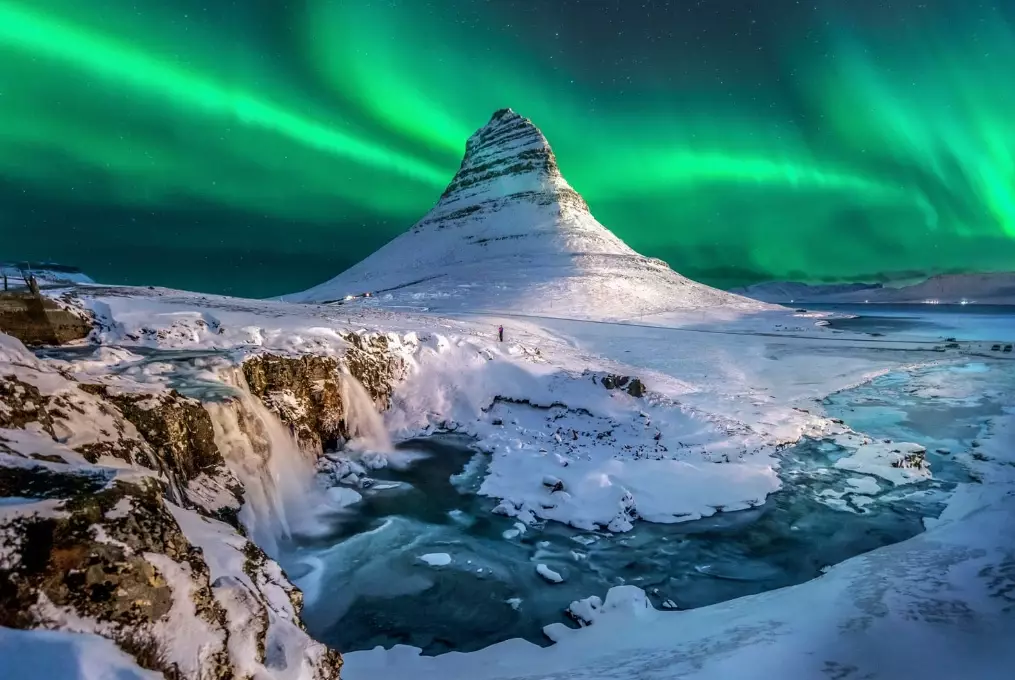
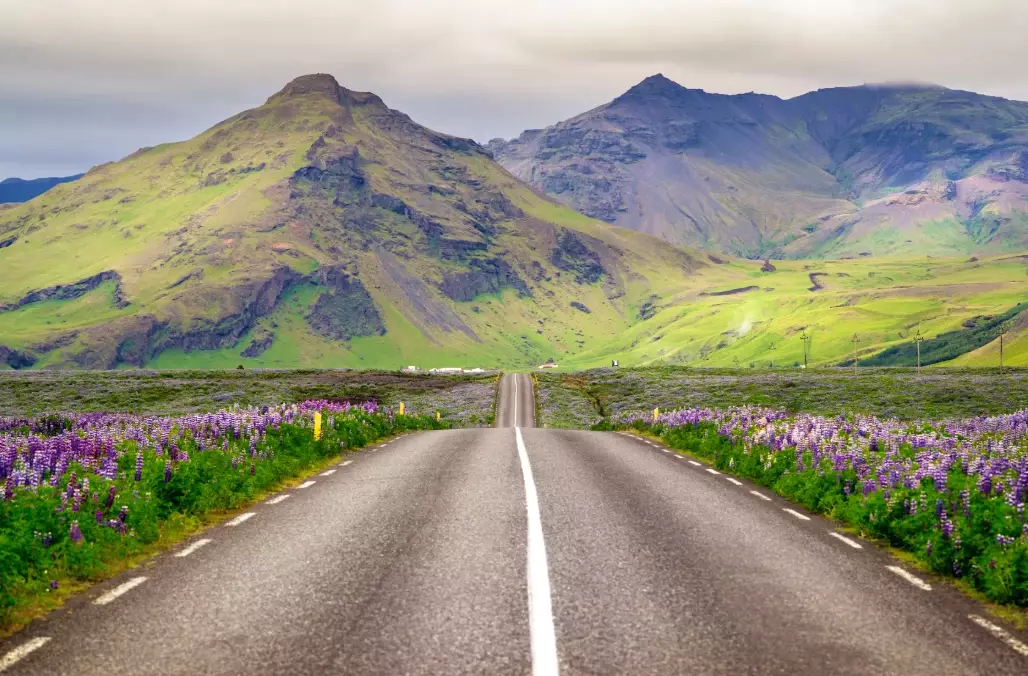
Renting a Car: Book months in advance for summer. Get the gravel protection insurance. Icelandic gravel roads are brutal on windshields and paint. A 4x4 is only necessary for the Highlands (F-roads) or in winter. For the main Ring Road (Route 1) in summer, a 2WD is fine.
Weather & Packing: The saying "if you don't like the weather, wait five minutes" was invented for Iceland. Layers are key. A waterproof and windproof outer shell is more important than a heavy coat. Pack gloves and a beanie even in July. Good, waterproof hiking shoes are your best friend.
Booking & Costs: Iceland is expensive. A casual meal is $25-40 per person. Book popular accommodations (especially unique rural guesthouses) 6+ months ahead for summer. Book Blue Lagoon, Sky Lagoon, and major guided tours (ice caving, glacier hikes) as soon as your dates are firm.
Driving: Download the SafeTravel app and check road.is for conditions. Speed limits are strictly enforced by cameras. Off-road driving is illegal and ecologically destructive. There are plenty of designated pull-offs for photos—use them.
Your Iceland Questions Answered
What's the single most important piece of advice for a first-time visitor planning what to see in Iceland?
Build your itinerary around driving times from a reliable source like Google Maps, then add at least 30%. You'll stop constantly for photos, sheep on the road, and sudden weather changes. A 3-hour drive can easily become 5. Overpacking your schedule is the quickest way to turn a dream trip into a stressful race.
Is the Blue Lagoon worth it, or is it overhyped?
It's a beautifully designed facility, but it's a manufactured experience, not a natural hot spring. The water is run-off from the geothermal plant next door. If you want a luxurious, Instagram-friendly soak with all amenities, it's worth the splurge. If you seek a more rustic, local vibe, choose the Secret Lagoon, Mývatn Nature Baths, or one of the many local swimming pools (sundlaug) found in every town, which cost a fraction of the price.
Can I see the Northern Lights from Reykjavik?
Technically yes, if the aurora is very strong and you're in a dark spot like Grótta lighthouse. But city light pollution drastically reduces your chances. To seriously hunt them, you need to be outside the city on a clear, dark night between September and April. Booking a tour with a guide who chases clear patches is often more successful than trying on your own.
 What's one underrated thing to see in Iceland that most tourists miss?
The Westfjords. It's a detour off the Ring Road, so most people skip it due to time. What they're missing is Iceland's most dramatic, rugged coastline with incredible bird cliffs (Látrabjarg), remote hot springs (Hellulaug), and roads that wind through landscapes that feel utterly untouched. You need at least 3 full days and a good tolerance for winding gravel roads to do it justice.
How do I manage the high cost of food while traveling around Iceland?
Embrace the grocery store. Bónus (the pink pig) and Krónan are your best friends. Stock up on Skyr, bread, cheese, fruit, and sandwich supplies for lunches. Most accommodations, even guesthouses, have kitchenettes. For dinner, look for "day catch" or "today's soup" specials at local restaurants, which are often the best value. And yes, the famous hot dog at Bæjarins Beztu Pylsur in Reykjavik is still a relatively cheap and tasty meal.