Arizona hits you with a stark, beautiful kind of overwhelm. You've seen the pictures—the vast crack in the earth that is the Grand Canyon, the red rocks of Sedona, the saguaros standing sentinel in the sun. But a list of Arizona attractions doesn't prepare you for the dry heat, the sheer scale, or the quiet moments that sneak up on you. This isn't just a checklist; it's a guide to experiencing the soul of the desert, written after one too many trips where I learned the hard way. Let's talk about how to actually do Arizona right.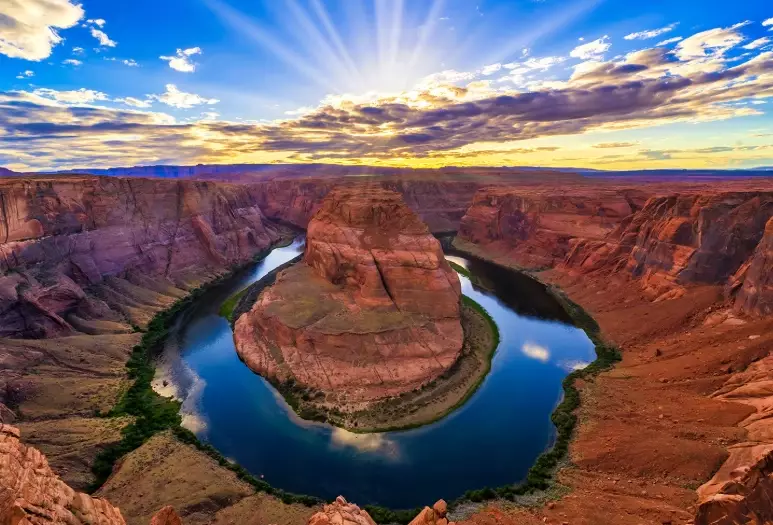
Your Arizona Adventure Map
The Grand Canyon: More Than Just a View
Everyone goes to the South Rim. It's iconic for a reason—the views are immediate, staggering, and accessible. The park entrance fee is $35 per vehicle (valid 7 days). The main visitor area is Grand Canyon Village, Arizona 86023. It's open 24/7, but visitor center hours vary.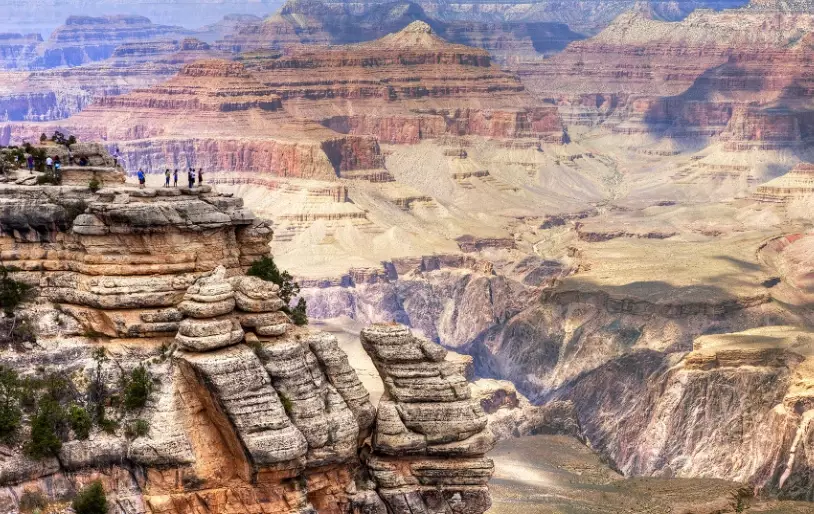
Here's the thing most first-timers miss: they walk from the parking lot to the rim, take their photos, and leave. The canyon becomes a backdrop, not an experience. The magic happens when you engage with it.
How to Beat the Crowds at the Grand Canyon?
Get up early. I mean, really early. Aim to be at a rim viewpoint like Mather Point or Yavapai Point for sunrise. Not only do you avoid the tour bus hordes that roll in after 10 AM, but the light is softer, the colors are surreal, and the silence is profound. The other option is sunset, but sunset is a shared, crowded event. Sunrise feels private.
If you have time and fitness, you must hike below the rim. Even a short way down changes everything. The South Kaibab Trail to Ooh Aah Point (1.8 miles round trip) is a steep but manageable intro. It gives you that "inside the canyon" feeling. Bring way more water than you think you need—the hike up is tougher than the hike down.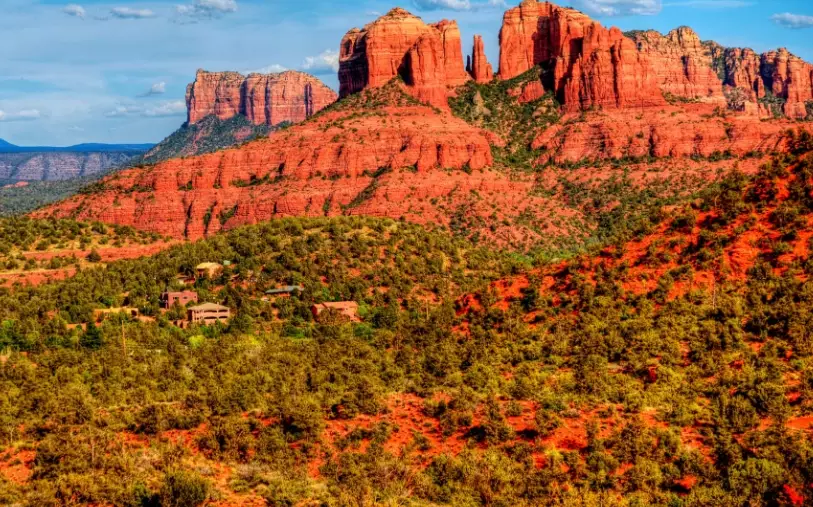
Grand Canyon South Rim vs. North Rim
| Aspect | South Rim | North Rim |
|---|---|---|
| Accessibility | Open year-round, easier access from I-40 and Flagstaff. | Closed mid-Oct to mid-May due to snow. Remote location. |
| Crowds | Very high, especially in summer. | Significantly fewer visitors (10% of South Rim traffic). |
| Vibe | Bustling, full services, iconic viewpoints. | Quiet, secluded, more forested, higher elevation. |
| Best For | First-time visitors, families, those with limited time. | Repeat visitors, solitude seekers, hiking enthusiasts. |
Sedona's Red Rocks & Vortex Hikes
Drive two hours south of the Grand Canyon and the landscape shifts to fiery red sandstone formations. Sedona is a hiking and spiritual wellness mecca. The town itself can feel touristy, but the trails are the real draw.
For a classic, moderately challenging hike with a huge payoff, do the Devil's Bridge Trail. It's about 4.2 miles round trip. The trail ends at a natural sandstone arch you can walk out onto (yes, it's safe, but it's narrow—don't do it if you're scared of heights). Get there before 7 AM or plan for a late afternoon start to avoid a full parking lot and a conga line on the trail.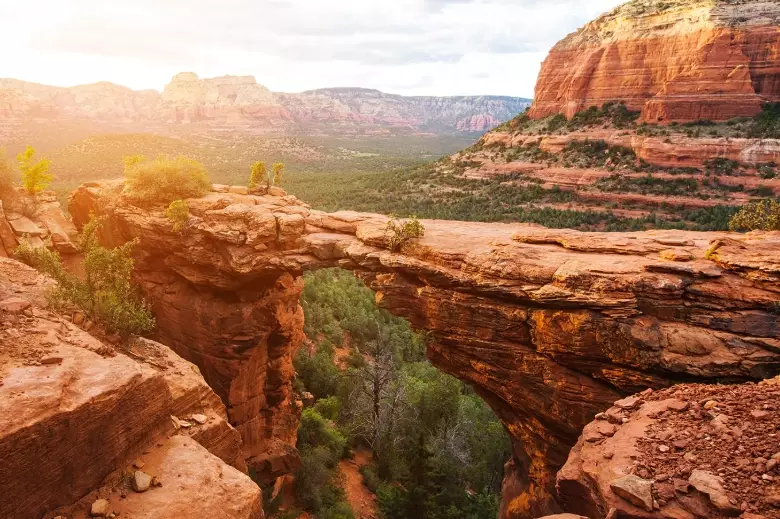
Now, the vortexes. Sedona is famous for these supposed centers of spiritual energy. You'll see people meditating on rocks. Whether you buy into the energy or not, the vortex sites are invariably located at stunning, peaceful spots. Airport Mesa and Cathedral Rock are two of the most famous. Go for the view and the serenity; the energy is a bonus if you feel it.
My personal favorite is the Cathedral Rock Trail. It's a short but steep scramble (1.2 miles round trip). Using your hands is mandatory. The 360-degree view from the saddle between the spires is one of the best in Arizona. No vortex hype needed.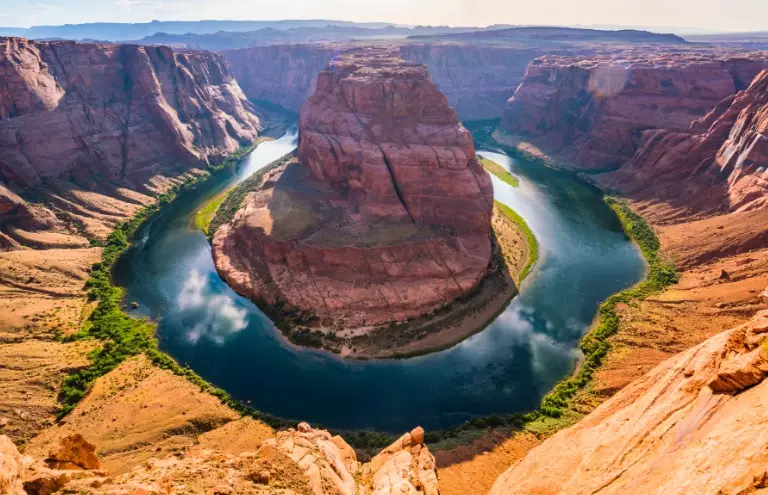
Tombstone: Live Wild West History
For a complete change of pace, head southeast to the town that's "too tough to die." Tombstone is a living history museum dedicated to the 1880s gunfight at the O.K. Corral. It's kitschy, it's loud, and it's an absolute blast if you lean into it.
The main event is the O.K. Corral (326 E Allen St, Tombstone, AZ 85638). For $10, you get access to the historic lot and a reenactment of the famous 30-second shootout. The shows run multiple times daily. The actors chew the scenery, the gunfire is startlingly loud, and kids love it. Wander down Allen Street afterward, where costumed cowboys and sheriff's deputies roam, and you can catch staged gunfights right in the street for free.
Don't just stick to the main drag. Visit the Bird Cage Theatre, an original saloon and brothel preserved with hundreds of bullet holes in the walls. It feels genuinely haunted. For a more sobering experience, the Boothill Graveyard on the edge of town has the simple, often humorous markers for those who died "with their boots on."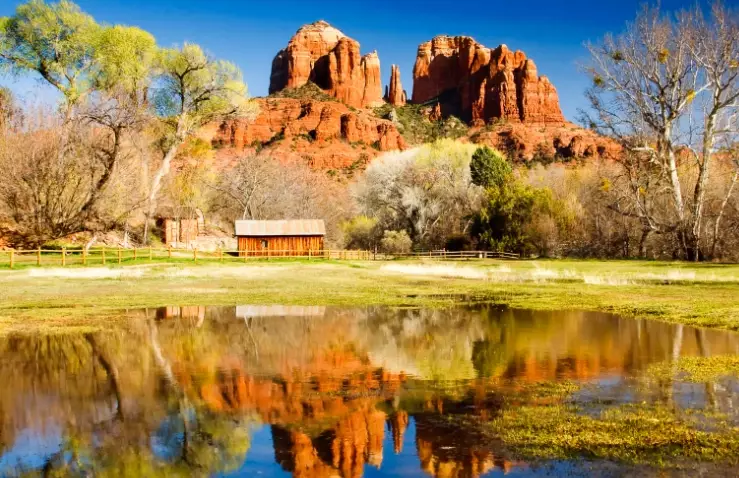
Phoenix & Scottsdale: Desert Metropolis Oasis
Flying into Phoenix? The Valley of the Sun isn't just a gateway; it's a destination with its own sophisticated desert flair. The summer heat is brutal, so plan indoor or poolside activities for midday.
Start at the Desert Botanical Garden (1201 N Galvin Pkwy, Phoenix, AZ 85008). Admission is around $24.95 for adults. It opens at 8 AM—go early. This isn't just a bunch of cacti; it's a beautifully curated showcase of how stunning and diverse desert plant life can be. The trails wind through towering saguaros and vibrant wildflowers (in spring). It redefines the word "desert" for most people.
For culture, the Heard Museum (2301 N Central Ave, Phoenix) offers a world-class, respectful, and deep dive into Native American art and history, particularly of the Southwest tribes. It's essential context for understanding Arizona.
In Scottsdale, the Old Town area is great for upscale shopping, art galleries, and dining. Want a unique Arizona meal? Try Barrio Café (2814 N 16th St, Phoenix) for incredible, upscale Mexican food (the cochinita pibil is legendary), or Pizzeria Bianco (623 E Adams St, Phoenix) for pizza that's consistently ranked among the nation's best—yes, in the desert.
Other Can't-Miss Arizona Gems
Your Arizona bucket list has room for more. Here’s a quick-hit list of essentials beyond the big names.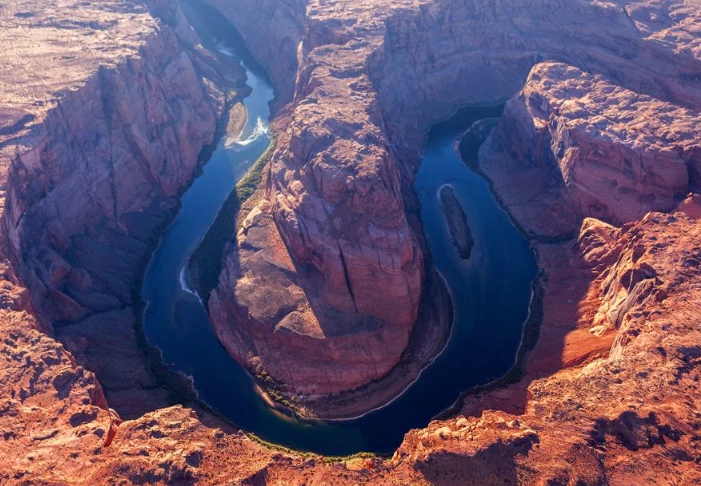
| Destination | Must-Do Activity | Pro Tip |
|---|---|---|
| Monument Valley (Navajo Nation) | Drive the 17-mile self-guided loop road for iconic mesa views. Guided tours go deeper. | This is not a U.S. National Park. Respect it as tribal land. Purchase permits at the visitor center. |
| Antelope Canyon (Page) | Book a guided tour (mandatory) of Upper or Lower Antelope Canyon to see the legendary light beams. | Photography tours are more expensive but allow tripods. Lower Canyon involves ladders but is less crowded. |
| Havasu Falls | Hike 10 miles (one-way) to stunning turquoise waterfalls on Havasupai tribal land. | Permits are extremely competitive and sell out a year in advance. Plan far, far ahead. |
| Saguaro National Park (Tucson) | Drive or bike the scenic loops (West is better for sunset) among forests of giant saguaro cacti. | The saguaros only grow here and in Sonora, Mexico. This is their iconic home. |
| Petrified Forest National Park | See the Rainbow Forest of colorful, fossilized ancient logs and the painted desert badlands. | It's a small park easily combined with a drive along I-40. Don't steal the petrified wood—it's illegal and bad luck! |