The East Coast of the United States packs an incredible punch. You've got centuries of history, world-class cities, serene beaches, and everything in between, all stretched along a single coastline. But that's also the problem—where do you even start? Most lists just throw names at you. I've been exploring these spots for over a decade, and I'll tell you the real deal: what's worth your time, how to actually get there, and the mistakes most first-timers make.
This guide cuts through the noise. We're focusing on three iconic, must-see spots that define the East Coast experience: a historic landmark in New York, the political heart of the nation in D.C., and a sun-soaked paradise in Florida. For each, you'll get the nitty-gritty—ticket prices, exact addresses, operating hours, and the best ways to get around. Let's get into it.
Your Quick Guide to This Article
From NYC to Miami: Three Iconic East Coast Stops
Think of this as a highlights reel. You could spend months exploring, but if you want the quintessential East Coast tourist spots, these three deliver unmatched history, culture, and vibe. They're spread out, which is the reality of the coast. I'm laying them out north to south.
At a Glance: The Big Three
New York (Statue of Liberty): The symbol of American ideals and immigration. It's busy, it's expensive, but standing at the base is a feeling you can't get anywhere else.
Washington D.C. (National Mall): Two miles of free museums and monuments that tell the American story. It's overwhelming in scale and significance.
Miami (South Beach): Art Deco glamour meets tropical beach life. It's less about quiet reflection and more about vibrant energy, people-watching, and ocean waves.
Stop 1: The Statue of Liberty & Ellis Island, New York
Let's be clear: visiting Lady Liberty is a logistical project, not a casual stroll. The biggest mistake? Showing up at Battery Park expecting to buy a ticket and walk right on a boat. It doesn't work like that.
You must book ferry tickets in advance through the official Statue Cruises website. That's the only operator authorized to land on the islands. The main departure points are Battery Park in Manhattan and Liberty State Park in Jersey City.
| What You Need to Know | Details |
|---|---|
| Address (Ferry Departure) | Battery Park, New York, NY 10004 (Manhattan side) |
| Ticket Types & Price (Adult) | Grounds Access: $24.50. Pedestal Access: $24.50. Crown Access: $24.50. Note: Crown tickets sell out months in advance. |
| Operating Hours | Ferries run approx. 8:30 AM to 5:00 PM, daily. Hours extend in summer. Last ferry to islands is usually 3:30 PM. |
| Best Way to Get There | Subway: 1 train to South Ferry; 4/5 trains to Bowling Green. Tip: Give yourself 45 mins to get through security before your ferry time. |
Once you're there, don't rush. The statue is incredible, but Ellis Island is where the story gets personal. Walking through the Great Hall, you can almost hear the echoes of millions of hopeful arrivals. The museum there is world-class and included in your ferry ticket.
Stop 2: The National Mall, Washington D.C.
This is America's front yard. The National Mall isn't one building; it's a vast, two-mile green expanse flanked by the Smithsonian museums, with the Washington Monument at its center and the Lincoln Memorial at one end. The best part? Almost all of it is free.
The mistake most people make is trying to see everything in one day. You'll end up with what I call "museum feet" and remember nothing. Pick two, maybe three, highlights.
| What You Need to Know | Details |
|---|---|
| Address / Area | Between Constitution & Independence Aves, from the Capitol to the Lincoln Memorial. |
| Key Attractions (All Free) | Lincoln Memorial, Washington Monument (ticket required), WWII Memorial, Vietnam Wall, Smithsonian Museums (e.g., Air & Space, American History). |
| Operating Hours | Outdoor monuments: 24/7 (best visited at dawn or dusk). Smithsonian Museums: typically 10 AM - 5:30 PM. |
| Best Way to Get Around | Metro: Smithsonian station (Orange/Blue lines) drops you in the middle. Walking is essential. Wear good shoes. Capital Bikeshare is also a great option for getting between ends. |
A non-consensus tip? Skip the interior of the Washington Monument unless you have a burning desire to see the city from that specific point. The tickets are timed and a hassle to get, and the elevator ride up is… just an elevator. The view from the Lincoln Memorial steps back toward the obelisk is far more iconic.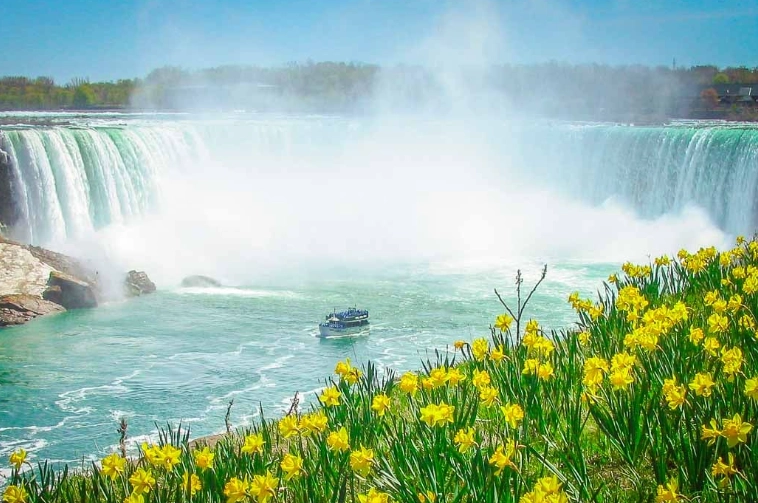
Spend your museum time wisely. The National Museum of African American History and Culture requires timed-entry passes, which are free but must be reserved online in advance. They're often gone for the day by mid-morning.
Stop 3: South Beach, Miami
After all that history, you've earned some sun. South Beach (SoBe) is the postcard image of Miami. It's not a quiet, secluded beach. It's a scene. The real attraction is the combination: the turquoise Atlantic, the wide, sandy beach, and the backdrop of perfectly preserved Art Deco architecture in soft pastels.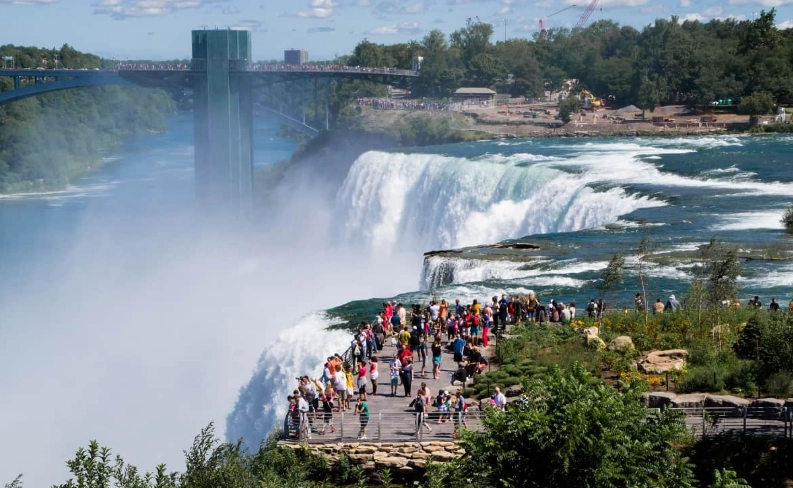
The biggest pitfall here is parking. Street parking is a competitive sport and expensive. Your best bet is to find a public parking garage (like the one at 12th Street and Collins) or use a ride-share service.
| What You Need to Know | Details |
|---|---|
| Address / Area | Ocean Drive from 5th St to 15th St, Miami Beach, FL 33139. |
| Cost | Beach access is free. Chair/umbrella rentals run $20-$40 for the day. Parking garages cost $4-8 per hour. |
| Best Time to Visit | Beach is always open. For the full energy, daytimes on weekends. For a quieter vibe, weekday mornings. The Art Deco Historic District is great for walking any time. |
| How to Experience It | Rent a bike or simply walk the Ocean Drive strip. Have a Cuban coffee. Walk through Lummus Park between the beach and the hotels. At night, the neon lights on the buildings are spectacular. |
Don't just stay on the sand. Walk a few blocks west to Española Way for a more European, cafe-style vibe. And the food on Ocean Drive is notoriously overpriced and mediocre. Walk a block or two inland to Collins or Washington Ave for better, more authentic Cuban food and other eats.
How to Plan Your East Coast Trip: Insider Advice
Stringing these spots together is a classic East Coast adventure, but it requires thought. You're looking at a 1,200+ mile journey from New York to Miami.
By Air: The fastest way. Fly into New York (JFK/LGA), take the train to D.C. (Amtrak Acela is pricey but fast; Northeast Regional is cheaper), then fly from D.C. (DCA/IAD) to Miami (MIA). This saves time but adds cost and airport hassles.
By Road: The ultimate East Coast experience. I-95 is the main artery, but it can be a monotonous slog. My advice? Budget extra time to get off the highway. Detour to coastal routes like the A1A in Florida or visit smaller towns like Charleston or Savannah in between D.C. and Florida. The drive from D.C. to Miami alone is about 18 hours without stops.
When to Go:
- Spring (April-May) and Fall (Sept-Oct): The sweet spot for NYC and D.C. Pleasant temperatures, fewer crowds than summer. Miami is lovely then too, though still warm.
- Summer: Hot, humid, and packed with families in NYC and D.C. Miami is scorching but has its own summer rhythm. Expect afternoon thunderstorms in Florida.
- Winter: Can be bitterly cold in the north, but you'll find great deals and no lines. Miami is in its high season—warm, sunny, and more expensive.
Reader Comments