You've seen the pictures a thousand times. The Colosseum, the Leaning Tower, the canals of Venice. But staring at a screen is one thing; standing there, surrounded by crowds, heat, and a dozen tour operators shouting in your ear, is another. I've been traveling to Italy for over a decade, guiding friends and family, and I've learned one thing the hard way: visiting Italy's famous places without a plan is a recipe for frustration.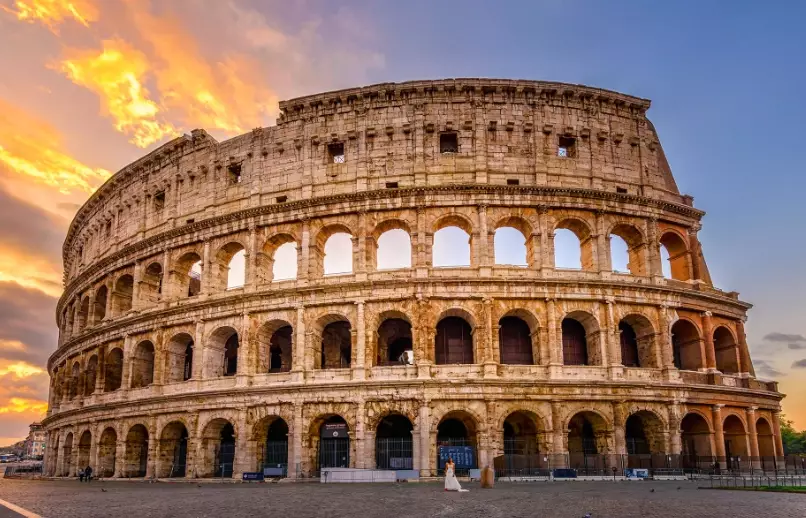
This isn't just another list. It's a tactical guide. We'll cover the iconic sites you must see, but more importantly, we'll dive into the how: when to go, how to buy tickets (this is critical), what to skip, and the quiet corners most visitors miss entirely. Let's get past the postcard and into the real experience.
Your Italian Journey at a Glance
How to Plan Your Visit to Italy's Iconic Sites
Most blogs tell you what to see. I'm telling you how to see it and actually enjoy it. The single biggest mistake first-timers make is trying to cram too many iconic spots into one day. You'll spend more time in lines and on trains than actually experiencing the place.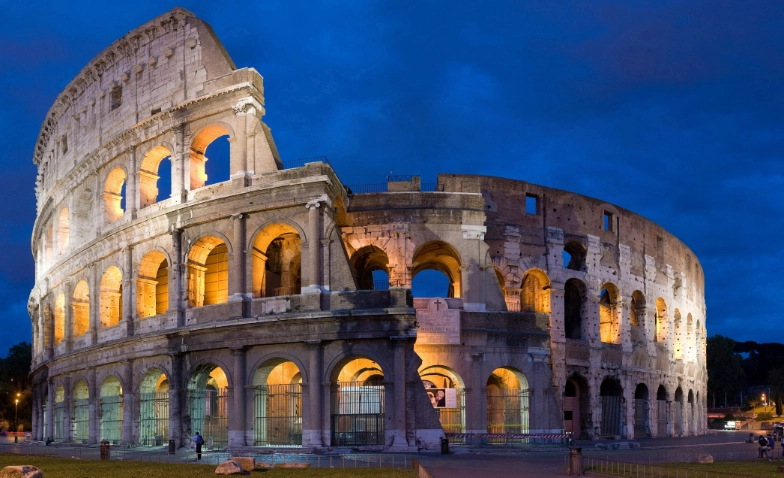
Here’s my non-negotiable rule: Book major tickets online, weeks in advance. I'm not kidding. For the Colosseum, Uffizi Gallery, or the Vatican Museums, on-the-day tickets either don't exist or involve a 3-hour queue under the sun. Official sites are your best friend. For the Colosseum, that's the CoopCulture website. For the Vatican, it's the Musei Vaticani site.
Pro Tip Nobody Tells You: Many sites offer "first entry" or "last entry" tickets. These are gold. Being in the Vatican Museums an hour before the general public, or at the Colosseum as it opens, gives you 45 minutes of relative peace. It's worth the slight premium.
Geographically, Italy is long. Don't base yourself in Rome and do day trips to Venice—it's a 4-hour train ride each way. Cluster your visits. Rome, Florence, and Venice form a classic triangle connected by fast trains. The Amalfi Coast pairs with Pompeii. This saves energy and travel time.
The Undisputed Top 3: Rome, Florence, Venice
These cities are famous for a reason. They're also crowded for a reason. Let's break them down with actionable details.
Rome: The Eternal City's Heavy Hitters
The heart of ancient history. The density of famous places here is insane.
| Site | Key Info (Address, Hours) | Ticket Tip & Cost | How to Get There |
|---|---|---|---|
| The Colosseum | Piazza del Colosseo, 1. Open 8:30 AM until one hour before sunset. Closed Jan 1, Dec 25. | €24 Full Experience ticket (booked online) includes Colosseum, Roman Forum, Palatine Hill. The underground/arena floor access sells out months ahead. | Metro B line to 'Colosseo' station. It's impossible to miss. |
| Vatican Museums & Sistine Chapel | Viale Vaticano, 00165. Mon-Thu 8:30 AM-6:30 PM (last entry 4:30 PM). Fri-Sat open later. | €22 standard entry. Book a "Prime Experience" (€38) for early access. Free last Sunday of the month (but insanely busy). | Metro A to 'Ottaviano' or 'Cipro', then a 10-min walk. Taxis can't get super close. |
| Trevi Fountain | Piazza di Trevi. Open 24/7. | Free. No tickets. | It's in a tight square. Walk from Barberini metro stop (Line A) or anywhere in the historic center. |
My personal take? The Roman Forum is often more impressive than the Colosseum. You can wander through ancient streets for hours. Most people rush through it. Don't.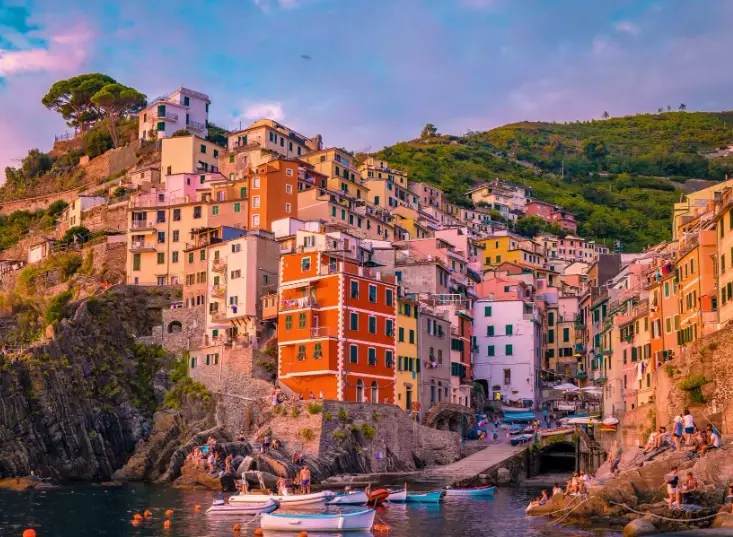
Florence: The Cradle of the Renaissance
Smaller, walkable, and packed with art. The main challenge here is managing gallery time.
Uffizi Gallery: Piazzale degli Uffizi. The queue snakes around the square. Pre-book online (€29-€35) for a timed slot. Go straight to Botticelli's "Birth of Venus" first if crowds bother you—it gets packed. Then work backwards.
Florence Cathedral (Duomo): Piazza del Duomo. The climb to the dome (463 steps) requires a separate, timed ticket (€30 for the "Brunelleschi Pass" which includes everything). Book this weeks ahead. The view is worth the tight, claustrophobic staircase.
People forget about the Ponte Vecchio. It's free, always open, and best seen at sunrise when the goldsmith shops are closed and the crowds are gone. The postcard shot is from the Ponte Santa Trinita bridge next to it.
Venice: The Floating Masterpiece
Venice isn't about a single site; it's the entire city. The famous places are its canals and squares.
St. Mark's Square (Piazza San Marco): The basilica and the Doge's Palace are here. For the Basilica, book a skip-the-line ticket online (€3 reservation fee). For the Doge's Palace, a combined ticket with other civic museums (€30) is good value. Go inside the Basilica—the golden mosaics are breathtaking.
Grand Canal: The vaporetto (water bus) Line 1 from Ferrovia (train station) to San Marco is the cheapest and best introduction. A single ticket is €9.50. A gondola ride is the famous experience, but it's expensive (€80-€100 for 30 mins). Do it at dusk in the smaller canals off the Grand Canal for a more authentic feel.
Here's a secret: Get lost. Seriously. Turn away from San Marco, put your map away, and wander. You'll find quiet canals, local bacari (wine bars), and the real Venice.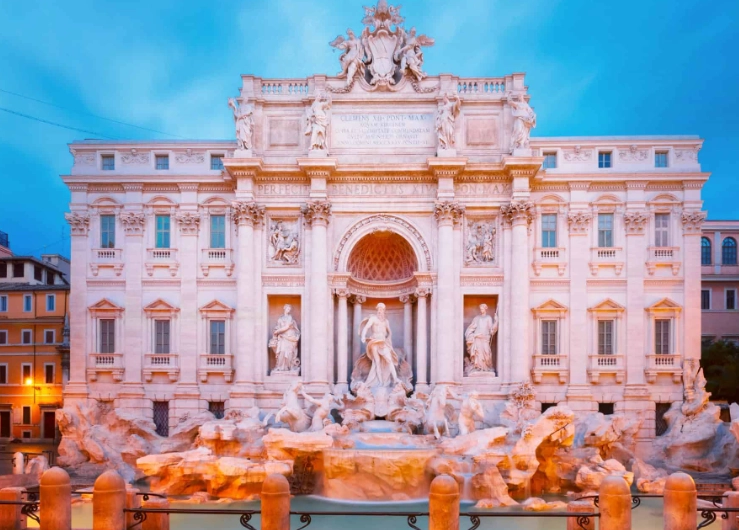
Beyond the Classics: Southern Gems and Scenic Escapes
If you have more time, or want to escape the northern crowds, head south.
The Ruins of Pompeii: This is a full-day trip from Naples or Sorrento. The scale is staggering. Buy your ticket online from the official Pompeii Sites website (€19). Get the audio guide or book a small-group tour—the context is everything. Wear sturdy shoes and a hat; there's zero shade. The Circumvesuviana train from Naples is cheap but can be crowded.
The Amalfi Coast: Famous for Positano and Amalfi town. It's not about one address; it's the drive (or ferry ride) along the cliffs. The SITA bus from Sorrento is the budget option. Summer traffic is legendary. May or September are better. My opinion? Ravello, up in the hills, has the most stunning views and feels more refined.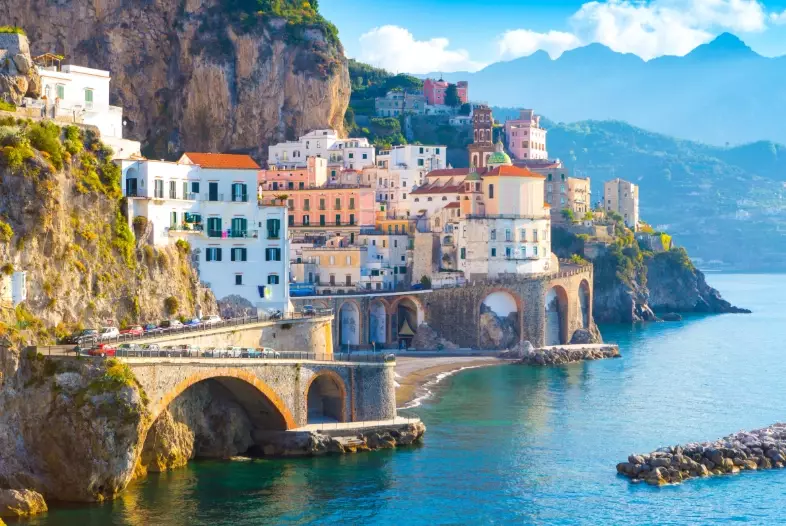
The Leaning Tower of Pisa: Piazza del Duomo, Pisa. Yes, it's touristy. The climb (€20) is fun but the tower genuinely leans—it can be disorienting. The real pro move? Most people just snap the holding-up-the-tower photo and leave. The Cathedral and Baptistery next to it are included in a combo ticket and are virtually empty by comparison. Beautiful.
Local's Insight: The Cinque Terre villages are stunning, but they've been loved to death. If you go, hike the trails between them (buy the Cinque Terre Card) and stay in one of the villages overnight. The day-tripper crowds from cruise ships vanish after 5 PM, and the villages regain their magic.
Your Italy Trip Questions Answered
The shoulder seasons—April to early June and September to October—offer the best balance. The weather is pleasant, and crowds are thinner than in July-August. Late October sees fewer tourists but shorter days. I avoid August entirely; it's when all of Europe is on holiday, prices peak, and many local shops in cities close.
It depends on your museum stamina. Passes like the Roma Pass or Firenze Card offer skip-the-line access at a few sites and free public transport. Do the math: add up the individual entry fees for the sites you realistically will visit in 2-3 days. If it's close, the convenience of pre-paying and skipping some ticket lines might be worth it. But if you only want to see the Colosseum and Vatican, buying those two specific timed entries is cheaper and more direct.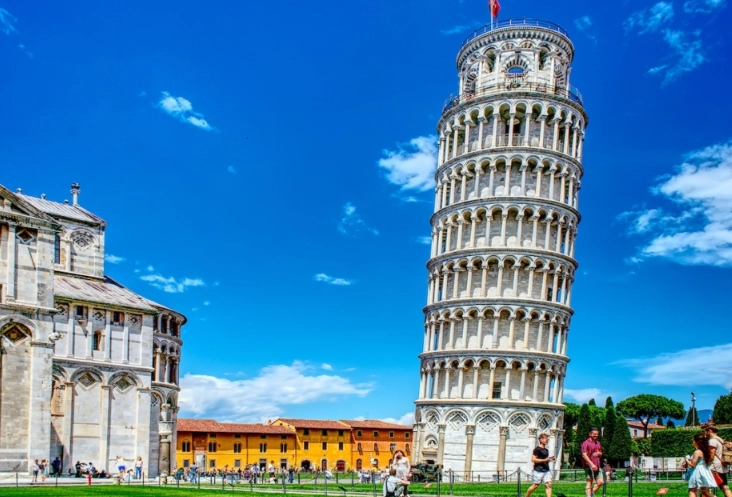
Focus on the free and cheap wonders. In Rome, the Pantheon (free), Trevi Fountain, and wandering the Trastevere neighborhood cost nothing. Many state museums, including the Uffizi and Colosseum, have free admission on the first Sunday of the month—but expect colossal crowds. A cheaper alternative to a gondola in Venice is the traghetto, a two-minute gondola ferry across the Grand Canal for €2. Eat lunch as a big meal from a trattoria and have a light, cheap dinner from a pizzeria or deli.
I'll be blunt: the inside of the Leaning Tower of Pisa. The climb is a unique experience due to the lean, but the interior is just an empty, spiraling stone cylinder. The view from the top is nice, but you can get similar views from other towers in Tuscany (like Giotto's Bell Tower in Florence) with more interesting interiors. The money and time are better spent exploring the stunning Cathedral and Baptistery right at its base, which most people ignore.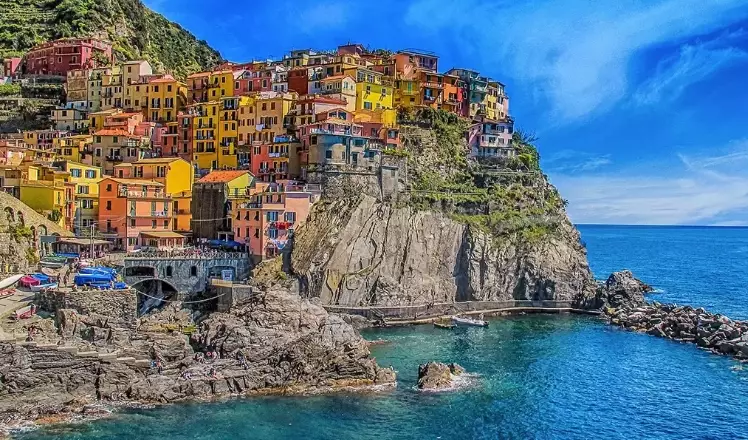
Reader Comments