England is one of those places that feels both instantly familiar and endlessly surprising. You think you know it from films and books, but then you turn a corner in a medieval village or stumble upon a wild stretch of coastline that takes your breath away. The challenge isn't finding places to visit in England—it's choosing which ones to see when your time is limited.
I've spent over a decade exploring every corner, from the tourist-packed hotspots to the quiet lanes where you might not see another soul. This guide isn't just a list. It's a practical blueprint to help you plan a trip that matches your pace, whether you have a long weekend or a full month.
Your England Travel Blueprint
How to Plan Your England Trip: A Realistic Approach
Most first-time visitors make the same mistake: they try to cram too much in. England looks small on a map, but travel between destinations takes time. Public transport is generally good, but a two-hour train journey can easily become four hours door-to-door once you factor in getting to the station and finding your hotel.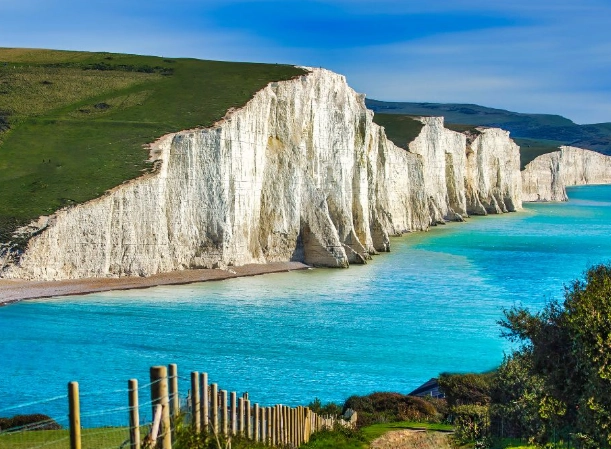
Here's a non-negotiable rule: For a first trip, pick one or two bases and explore outwards. Don't try to sleep in a different town every night.
Sample 7-Day Itinerary (The Classic Mix):
Days 1-3: London. Yes, it's obvious, but for good reason. Use it as your base. Day trips are easy from here.
Day 4: Train to York (2 hrs). Spend the day and night in this stunning historic city.
Day 5: Rent a car in York. Drive through the Yorkshire Dales (90 mins) to the Lake District.
Days 6-7: Lake District. Hike, take a lake cruise, and soak in the views before driving back to Manchester (1.5 hrs) for your flight.
If you hate packing and unpacking, consider this: base yourself in London and take day trips by train to Oxford, Brighton, or even as far as Bath (about 1.5 hours). Then, take a separate short flight or train to a second base like Edinburgh in Scotland (which is often part of a broader UK trip) or Manchester to access the Peak District and North Wales.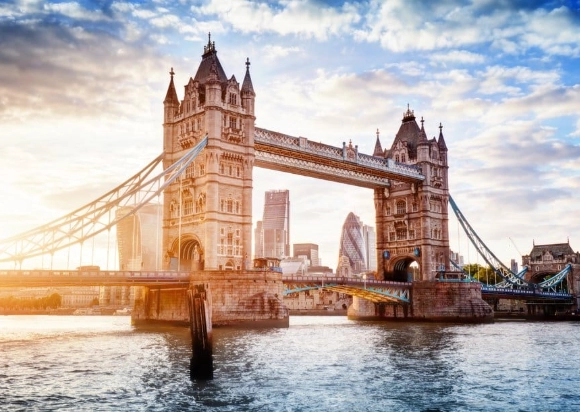
Transport is key. For cities and major towns, trains are fantastic. Book in advance on the National Rail website for the best fares. For the countryside—the Cotswolds, the Lake District, Cornwall—you will need a car. Trust me, the bus schedules to those picture-perfect villages are designed for locals, not tourists with a tight schedule.
The Unmissable Places to Visit in England
Let's break this down not just by location, but by the kind of experience you're after. I'm including the practical details you need to plan, because nothing ruins a day like showing up to a closed attraction.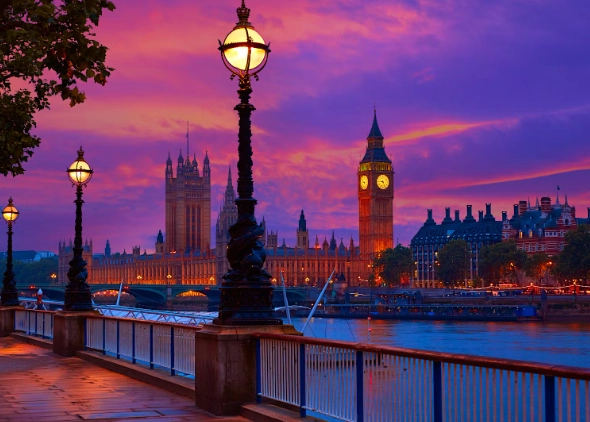
The Iconic Cities & Historic Towns
These are the heavy hitters, the places you've likely heard of. They're popular for a reason.
| Place | Why Go? | Key Practical Info | My Personal Take |
|---|---|---|---|
| London | The world-class museums (many free), history, theatre, and sheer energy. | Get an Oyster Card for transport. Book major attractions (London Eye, Tower of London) online to skip queues. The British Museum and National Gallery have free entry. | Don't just do the centre. Explore neighborhoods like Greenwich for the Cutty Sark and market, or Hampstead for a village feel and great pubs. |
| Oxford | The dreaming spires, ancient university colleges, and Bodleian Library. | Just 1 hour by train from London Paddington. Many colleges charge an entry fee (around £8-15). Check individual college websites for opening times to tourists. | Climb the University Church of St Mary the Virgin tower for the best view. Avoid punting on the busiest part of the river—it's a traffic jam of boats. |
| Bath | Georgian architecture and the Roman Baths, a UNESCO World Heritage site. | 1.5 hours by train from London. Roman Baths entry is around £28-32. Book the Thermae Bath Spa rooftop pool separately for a modern soak. | The city is stunning, but can feel overrun with tourists. Go early in the day. The Fashion Museum is a quirky, underrated gem. |
| York | Incredibly intact medieval walls, the magnificent York Minster, and the shambling Shambles street. | 2 hours by train from London. York Minster entry is £16+ (free for worship). The City Walls are free to walk. The National Railway Museum is free and brilliant. | My favorite English city outside London. Walk the walls at sunset. The Jorvik Viking Centre is fun but very commercial—good for kids, skippable for adults on a tight schedule. |
The Breathtaking Countryside & Coast
This is where England's soul really lies. You need to get out of the cities to see it.
The Lake District: Wordsworth's inspiration. It's about hiking, but you don't have to be a mountaineer. Drive the winding passes, take a boat on Lake Windermere, and stay in a cozy inn. Parking is a nightmare in summer—use the park-and-ride services. The National Trust's Stickle Ghyll walk from the Old Dungeon Ghyll hotel car park is a manageable, stunning introduction.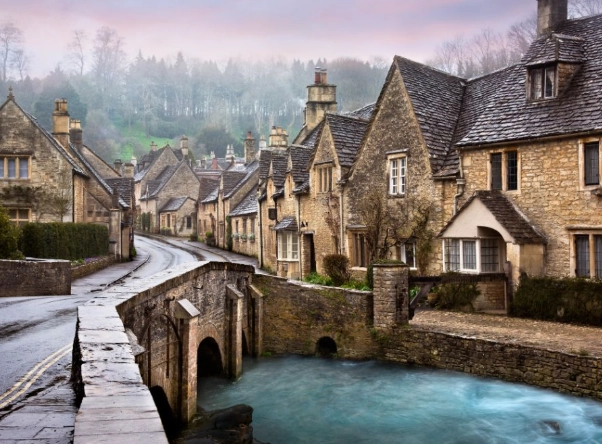
The Cotswolds: Think honey-stone villages like Bourton-on-the-Water, Broadway, and Castle Combe. It's chocolate-box perfect, almost to a fault. It gets very crowded. My advice? Skip the most famous villages at midday. Instead, aim for lesser-known spots like Painswick (the "Queen of the Cotswolds") or walk a section of the Cotswold Way between villages. You'll need a car.
Cornwall: For a beach holiday with dramatic cliffs and great surfing. St Ives is beautiful but packed; consider staying in Penzance and visiting the Minack Theatre (an open-air theatre carved into a cliff) and St Michael's Mount. Foodies should head to Rick Stein's Padstow, but book restaurants months ahead.
The Yorkshire Dales & Northumberland: For raw, empty landscapes. The Dales have classic dry-stone walls and rolling hills (Malham Cove is spectacular). Northumberland has England's most dramatic castles (Bamburgh, Dunstanburgh) and dark sky parks. You'll have these places much more to yourself.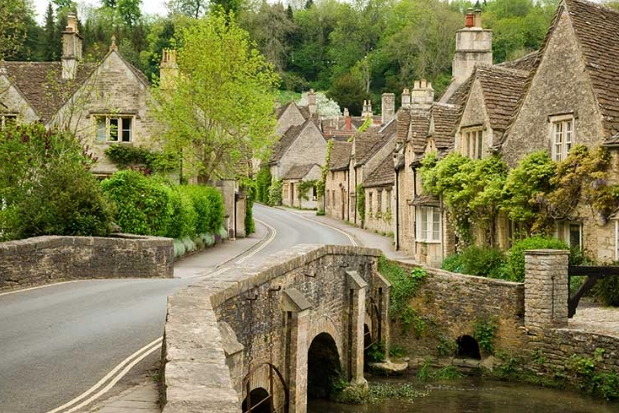
The Historical Deep Dives
Stonehenge: It's iconic. Is it worth it? Yes, but manage your expectations. You can't walk among the stones on the general ticket. Book the special early-morning or evening Stone Circle Access for that. Or, visit the equally impressive but far quieter Avebury stone circle, where you can wander freely. English Heritage and National Trust members get free entry to Stonehenge.
Canterbury: The heart of the Church of England. The cathedral is breathtaking. The city is charming but can be done as a day trip from London.
Stratford-upon-Avon: Shakespeare's birthplace. It's a pilgrimage site for literature fans. See a play at the Royal Shakespeare Company if you can. The town itself is quite tourist-focused.
England Travel Tips: From an Insider's Perspective
Book trains early. A London to Edinburgh ticket can be £35 if booked months ahead, or £150 on the day.
Embrace the pub. It's the social hub of every village. Go for a lunchtime pie and a pint. Don't just eat in the tourist centre—walk five minutes away.
Weather is a real factor. It can rain any day, any month. Waterproof shoes are more important than an umbrella (it's often windy). Layers are your friend.
If you're driving, understand that country roads are often single-track with passing places. Be courteous, reverse if you need to, and don't panic.
Consider memberships. If you're visiting more than 2-3 historic houses/castles, a National Trust or English Heritage membership can save you money and grant you free parking at many beautiful spots.
Your England Travel Questions Answered
Is 5 days enough for a trip to England?
Five days is enough for a solid introduction, but you must focus. The classic mistake is trying to see London, Stonehenge, Bath, Oxford, and the Cotswolds. You'll spend your whole trip on trains or in traffic. Pick one base—London—and do 2-3 day trips maximum. Or, focus entirely on one region like the Cotswolds and Oxford. Depth beats breadth every time in England.
What is the most overrated place to visit in England?
This is subjective, but many experienced travellers find the Jack the Ripper tours in London to be a tasteless disappointment. In terms of places, I find Stratford-upon-Avon can feel a bit like a Shakespeare-themed park, lacking the authentic lived-in feel of somewhere like York. Also, the London Dungeon is expensive and cheesy—your time and money are better spent at the Tower of London for real history.
How can I visit the English countryside without a car?
It's challenging but possible with planning. Focus on areas with good public transport links. The Lake District has buses from Windermere train station to key towns. In the Cotswolds, Moreton-in-Marsh has a train station and buses to some villages (but service is infrequent). The best option is to base yourself in a market town like Bakewell (Peak District) or Keswick (Lake District) and use local buses and taxis for specific hikes or sights. Alternatively, look for organised day tours from cities like London or Manchester.
What's a hidden gem most tourists miss?
The city of Durham in the northeast. It's often overlooked for York, but Durham Cathedral is arguably more spectacular, perched on a cliff above a river bend. The university town has a great atmosphere, and it's a gateway to the wild Northumberland coast. Similarly, in the south, the Jurassic Coast towns like Lyme Regis (Dorset) are fantastic for fossil hunting and have a lovely, low-key seaside charm.
Is it worth renting a car to drive in England?
Only if you're committed to exploring the countryside or coastal regions in depth. For a trip focused on cities and major towns, trains are faster, less stressful, and often cheaper when you factor in fuel, insurance, and parking (which is expensive and scarce in historic towns). If your itinerary is 50% countryside, then a car becomes essential for freedom and efficiency. Just be prepared for narrow lanes and driving on the left.
The key to enjoying England is to slow down. Pick a few places to visit in England that genuinely interest you, not just the ones on every list. Have a cream tea (jam first, then cream—that's the Cornish way, and I'll fight anyone from Devon on this), talk to a local in a pub, and get a little lost down a country lane. That's where you'll find the magic.
Reader Comments