So, you're planning a trip to Boston? Good choice. It's a city that wears its history on its sleeve but isn't stuck in the past. You'll find revolutionary war sites next to gleaming skyscrapers, Ivy League campuses a short walk from bustling Italian bakeries. It's walkable, it's packed with character, and yes, the accents are real (sometimes). But where do you even start? This isn't just a list of places. It's a guide from someone who's walked the cobblestones more times than I can count, made the mistakes, and found the spots that make Boston special.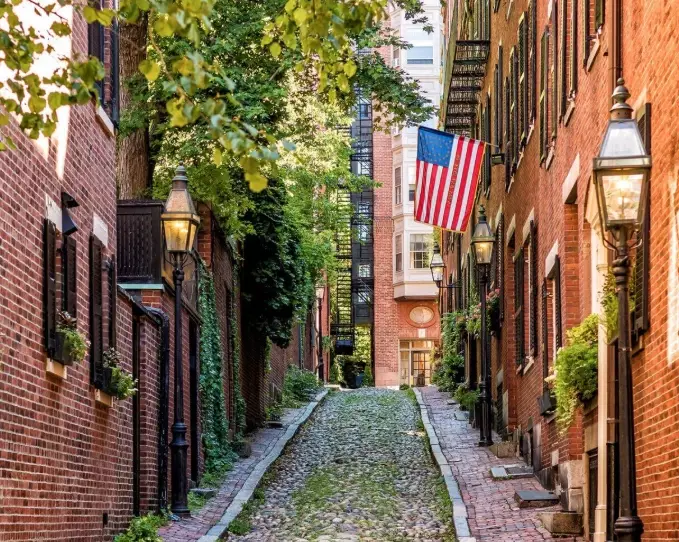
Your Boston Trip at a Glance
Top 5 Must-Visit Attractions
Let's cut to the chase. If you have limited time, these are the non-negotiables. I'm skipping the obvious "visit Fenway" if you're not a baseball fan. These spots give you the core Boston experience.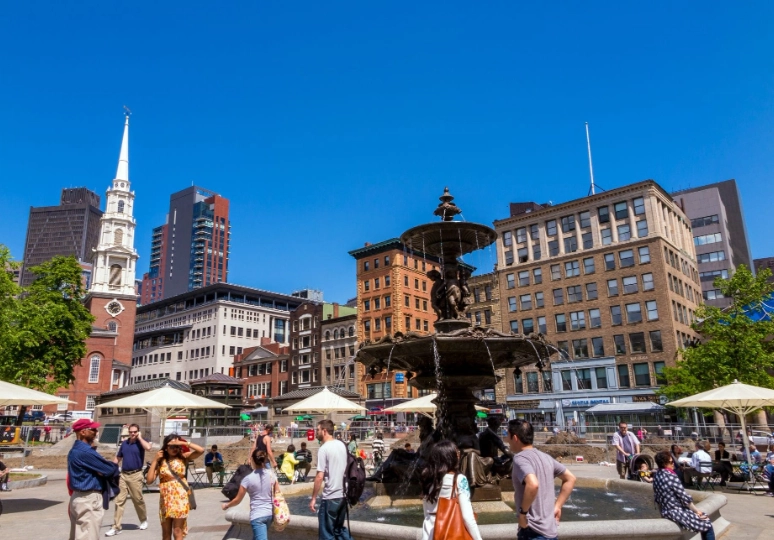
1. Walk the Freedom Trail
This is Boston's spine. A 2.5-mile red brick line connecting 16 historically significant sites. Start at Boston Common (America's oldest public park) and end at the Bunker Hill Monument in Charlestown. Don't just walk it—understand it. The National Park Service offers free guided talks at the Faneuil Hall visitor center. Key stops include the Granary Burying Ground (final resting place of Paul Revere), the Old North Church (“one if by land, two if by sea”), and the USS Constitution. Pro tip: Do it backwards. Start at Bunker Hill and walk towards downtown. You'll avoid the biggest tour groups and finish near food and shops.
2. Explore Faneuil Hall Marketplace
Yes, it's touristy. But it's been a marketplace since 1743, so it's touristy for a reason. Inside Quincy Market, you'll find a dizzying array of food stalls. The building itself is a spectacle. Outside, street performers (buskers) are licensed and often incredibly talented. It's chaotic, lively, and a sensory overload. Address: 4 S Market St, Boston, MA 02109. Hours: Marketplace 10 AM–9 PM, individual restaurant hours vary.
3. Wander the Boston Public Garden & Beacon Hill
Right next to Boston Common, the Public Garden is more manicured and picturesque. This is where you find the Make Way for Ducklings statues and the iconic Swan Boats (operates April-September, $4.50 for adults). Cross the street and lose yourself in Beacon Hill. Acorn Street is the most photographed cobblestone lane, but the whole neighborhood, with its brick row houses, gas lamps, and hidden gardens, feels like a movie set. No major attractions here, just atmosphere.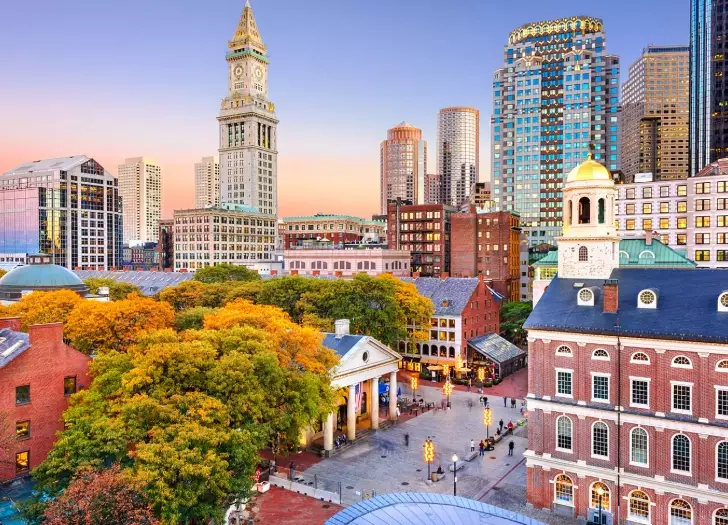
4. Museum of Fine Arts (MFA) or the Isabella Stewart Gardner Museum
For culture. The MFA is massive and world-class. You could spend a whole day here. Highlights include Ancient Egyptian artifacts, French Impressionist works, and an incredible collection of American art. Address: 465 Huntington Ave. Hours: 10 AM–5 PM (Wed–Fri until 10 PM). Admission: $27 for adults. Check for free admission days or times.
The Gardner Museum is a different beast. It's the former home of a wealthy art collector, built to resemble a Venetian palace. The art is arranged exactly as she left it (even the empty frames from a famous 1990 heist remain). The central courtyard is stunning. It's intimate and unforgettable. Address: 25 Evans Way. Hours: 11 AM–5 PM (Thu until 9 PM). Admission: $20. If your name is Isabella, you get in free.
5. Catch a View from the Skywalk Observatory or the Harbor
See the city from above or from the water. The Skywalk Observatory at the Prudential Center offers a 360-degree indoor view. It's pricey ($21), but on a clear day, it's spectacular. A cheaper alternative is to go to the Top of the Hub bar (same building) and buy a drink for the view.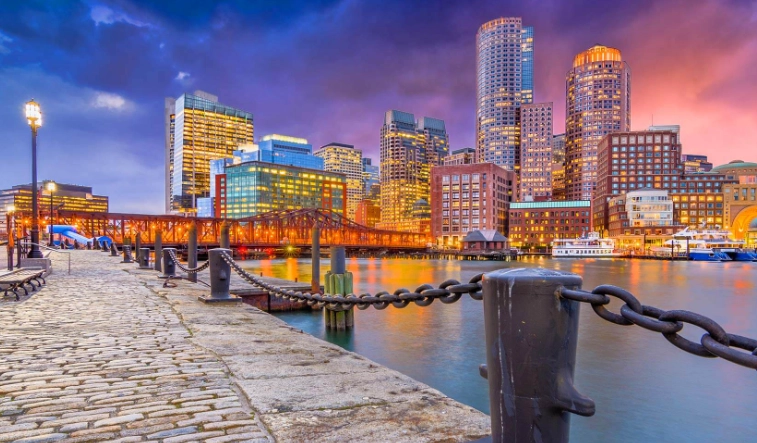
Better yet, get on the water. A Boston Harbor Cruise or a ferry to the Boston Harbor Islands (like Georges Island with Fort Warren) gives you a brilliant perspective of the skyline and a breath of fresh air.
How to plan your Boston itinerary?
Boston is a city of neighborhoods. Trying to hop from the North End to Fenway to Harvard in one afternoon will leave you tired and underground on the T. Group activities by geography.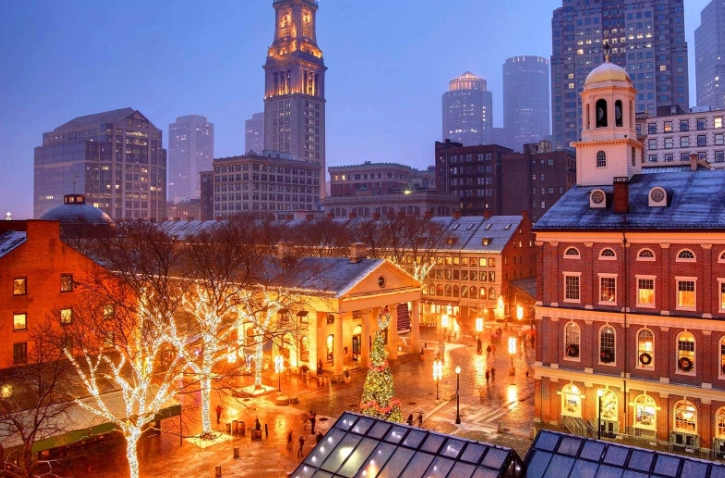
| For a 3-Day Classic Trip | For a 2-Day Blitz |
|---|---|
| Day 1: History Core. Morning: Freedom Trail from Boston Common to Faneuil Hall. Afternoon: Explore the North End (Paul Revere House, Old North Church). Evening: Dinner in the North End. | Day 1: Downtown & Waterfront. Condensed Freedom Trail (Boston Common, Granary Burying Ground, Faneuil Hall). Afternoon: Boston Tea Party Ships & Museum (it's interactive and fun). Evening: Waterfront dinner or seafood at Legal Harborside. |
| Day 2: Culture & Back Bay. Morning: Museum of Fine Arts OR Isabella Stewart Gardner. Afternoon: Stroll Newbury Street for shopping, see the Public Garden. Walk down Commonwealth Ave mall. Evening: Catch a show or go to a rooftop bar. | Day 2: Across the Charles. Morning: Harvard Square walk/tour. Afternoon: Quick T ride to Beacon Hill and the Public Garden. Late afternoon: Skywalk Observatory for sunset views. |
| Day 3: Across the River & Waterfront. Morning: Harvard Yard tour (free student-led tours). Afternoon: MIT area or take a Harbor Cruise. Alternative: Day trip to Salem (30 min train) if you love witch history. | If you have an extra half-day: Dedicate it entirely to the North End for food, coffee, and atmosphere. |
The biggest mistake I see? Over-scheduling. Build in time to just sit in a park, wander a side street, or queue for a cannoli. That's where the magic happens.
Boston’s Food Scene: Beyond the Lobster Roll
You will be told to eat a lobster roll. You should. But there's so much more.
The North End (Boston's Little Italy) is ground zero for food. It's packed, especially on weekends. For pastries, the rivalry is between Mike's Pastry (cash only, chaotic, iconic boxes) and Modern Pastry (some argue better quality). Try a cannoli from both and decide. For dinner, you need reservations for top spots like Mamma Maria (fancy) or Carmelina's (hearty). No res? Try Trattoria il Panino or wander Hanover Street and pop into any place with a line of locals.
Seafood Classics:
- Neptune Oyster: Tiny, no reservations, epic lobster roll (hot buttered or cold mayo). Be prepared to wait. 63 Salem St.
- Union Oyster House: Historic (oldest restaurant in continuous service in the US). The food is fine, but you go for the history. Sit at the oyster bar. 41 Union St.
- Legal Sea Foods: A local chain, but consistently good for a no-fuss clam chowder or fried clams. Multiple locations.
Other Can't-Miss Bites: A Fenway Frank at the ballpark. A Turkey Sandwich from Sam LaGrassa's (downtown lunch legend). Ice Cream from Toscanini's in Cambridge (voted best in the country multiple times).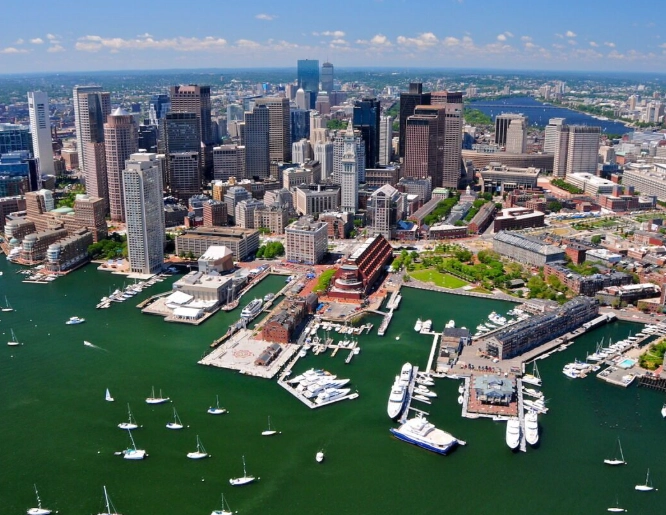
Where to Stay in Boston
Location is everything. Boston is small, so a good location saves time and money on transport.
Back Bay: My top recommendation for first-timers. It's central, beautiful (Victorian brownstones), and has two major T stops (Copley, Back Bay). You're steps from the Public Garden, Newbury Street shopping, and great restaurants. It's upscale.
Hotel Example: The Colonnade Hotel. Classic, has a rooftop pool. Address: 120 Huntington Ave. Price: $$$.
Downtown/Waterfront: Most convenient for Freedom Trail, Faneuil Hall, and the aquarium. Can feel more corporate and busy.
Hotel Example: Bostonian Boston. Great location right at Faneuil Hall. Address: 26 North St. Price: $$$.
Charlestown or Cambridge: Quieter, more residential. You'll get more space for your money but will commute across the river. Fantastic for a local feel.
Hotel Example: The Liberty Hotel (in Beacon Hill, former jail - incredibly cool). Address: 215 Charles St. Price: $$$$.
Budget-Friendly Tip: Look at hotels in the Seaport District (modern, but a bit isolated) or near Boston University. Consider Airbnbs in Jamaica Plain (JP) or Somerville—vibrant neighborhoods with direct T access.
What are the best free things to do in Boston?
Boston can be expensive, but its best assets are often free.
- Walk the Freedom Trail: The walking itself is free. You only pay to enter specific historic buildings.
- Explore Harvard Yard: Wander the historic core of Harvard University. Free student-led tours start from the Harvard Information Center.
- Stroll the Charles River Esplanade: Beautiful paths, parks, and skyline views. In summer, catch a free outdoor movie or concert at the Hatch Shell.
- Visit the Boston Public Library: The McKim building in Copley Square is a palace. Take a free architectural tour (check times) or just marvel at the Bates Hall reading room.
- Watch a Street Performer at Faneuil Hall: Free entertainment.
- Tour the Samuel Adams Brewery: In Jamaica Plain. The tour is technically free (donation suggested) and includes a few tastings.
- Walk across the Harvard Bridge: The view of the Boston skyline from the middle of the Charles River is priceless. It's measured in “smoots” (an MIT prank).
Boston Travel Tips from a Local
These are the things you learn after getting lost a few times.
Getting Around: Don't drive in the city center. The “T” (MBTA subway) is your friend. Get a CharlieCard (reusable plastic card) for cheaper fares than a paper ticket. The core is very walkable—wear comfortable shoes. The commuter rail is great for day trips (Salem, Gloucester, Concord).
Money Saver: If you plan to hit multiple paid attractions, check if the Go Boston Pass or CityPASS makes sense for your itinerary. Do the math first.
Weather: Be prepared for anything, especially in spring and fall. Layers are key. A sunny 60-degree day can turn into a windy, chilly 50-degree afternoon by the water.
The “Boston” Thing: People are kind but not necessarily polite. They'll help you if you're lost but might not say “excuse me.” It's not personal. Embrace the directness.
One Underrated Activity: Take the ferry to George's Island. It's part of the Boston Harbor Islands National Recreation Area. You get a boat ride, explore a creepy Civil War fort (Fort Warren), and have amazing skyline views. It feels a world away. Schedule on the Mass.gov website.
Reader Comments