The East Coast of the United States packs an incredible punch. You've got world-famous cities, foundational American history, serene national parks, and charming coastal towns, all within a relatively compact stretch. But that's also the problem—where do you even start? A common mistake is trying to see everything from Maine to Florida in one go. You'll spend more time on I-95 than actually experiencing places. After a decade of guiding trips and traveling myself, I've found the magic is in picking a region and diving deep.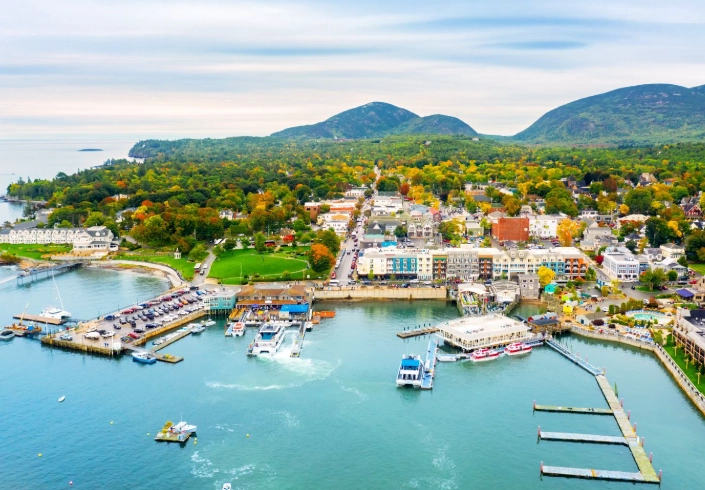
Your East Coast Travel Blueprint
New York City: The Urban Icon
Let's get the obvious one out of the way. NYC is a universe unto itself. A lot of guides will just list Times Square, Central Park, and the Statue of Liberty. Sure, see those. But the real New York lives in its neighborhoods.
Skip the expensive Statue of Liberty ferry if you're tight on time or budget. Instead, take the Staten Island Ferry. It's completely free, runs 24/7, and gives you that iconic skyline view alongside Lady Liberty. You get off on Staten Island, turn around, and get right back on. It's a perfect 1-hour activity.
Pro Tip: Most first-timers stay in Midtown Manhattan. It's convenient but can feel sterile and crowded. Consider neighborhoods like the Upper West Side (quieter, near the park) or Long Island City in Queens (just one subway stop from Manhattan, often cheaper hotels, stunning views back across the river).
For museums, the Met is a classic, but don't sleep on the Morgan Library & Museum (housed in a financier's stunning personal library) or the Tenement Museum on the Lower East Side. The Tenement Museum requires a guided tour, but it's one of the most powerful experiences in the city, telling the stories of real immigrant families who lived there. You need to book those tours well in advance.
| Landmark | Key Info | Why It's Worth It |
|---|---|---|
| Central Park | Free, open 6am-1am. Enter at 72nd St. for Strawberry Fields & Bethesda Terrace. | It's the city's backyard. Rent a Citi Bike or just wander. The best people-watching on earth. |
| The Metropolitan Museum of Art | 1000 5th Ave. $30 for adults (NY/NJ/CT residents pay what you wish). Open Sun-Tue 10am-5pm, Fri-Sat 10am-9pm. | You could spend days here. Focus on one wing—like the American Wing or Egyptian Art—to avoid burnout. |
| High Line | An elevated park on a former railway from Gansevoort St. to 34th St. Free. | A unique perspective of the city's architecture and neighborhoods. Go early to avoid crowds. |
Washington D.C.: A Journey Through American History
D.C. feels completely different from New York. It's greener, more spread out, and steeped in political gravity. The National Mall is the main event, but it's massive. Walking from the Lincoln Memorial to the U.S. Capitol is about 2 miles. Wear good shoes.
The biggest mistake? Trying to see every single Smithsonian museum in one day. You can't. They're free, which is amazing, but that also means you can pop in for an hour without guilt. Pick two that genuinely interest you.
- For history buffs: The National Museum of American History (see the Star-Spangled Banner flag) and the National Archives (Declaration of Independence).
- For art lovers: The National Gallery of Art (world-class collection) and the Smithsonian American Art Museum.
- For something unique: The National Museum of the American Indian (architecture is stunning, cafeteria is famously good).
Most monuments are open 24 hours. A moonlight walk to the Lincoln Memorial is far more atmospheric than a midday slog. The Vietnam Veterans Memorial is particularly moving at night.
Beyond the Mall: Georgetown and Alexandria
Escape the marble and head to Georgetown. It's a historic neighborhood with cobblestone streets, great shopping on M Street, and the waterfront park. For a real local vibe, cross the Potomac to Old Town Alexandria in Virginia. The King Street trolley is free, and the historic homes and river views are a peaceful contrast to D.C.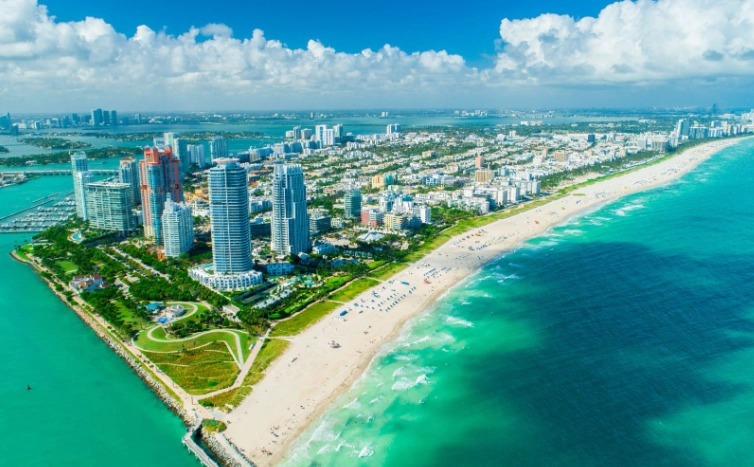
Acadia National Park: The Rugged Northern Gem
If you need a break from cities, this is your spot. Acadia, on the coast of Maine, is the only major national park in the Northeast. It's all about dramatic rocky shores, pine forests, and that classic New England charm.
The gateway town is Bar Harbor. It's touristy, yes, but in a pleasant way. You'll find plenty of lobster rolls and inns. The secret season is the fall. Yes, it's busy for leaf-peeping, but the crowds thin dramatically after mid-October, and you can have the park almost to yourself, with crisp air and fewer bugs.
You must drive or bike the 27-mile Park Loop Road. The highlights are all here:
- Cadillac Mountain: For part of the year, this is the first place in the U.S. to see the sunrise. You now need a timed vehicle reservation for the summit road from May through October. Book it the moment it becomes available on Recreation.gov.
- Thunder Hole: A natural rock inlet where waves crash with a booming sound. Time your visit for mid-tide coming in for the best effect.
- Jordan Pond: Famous for its popovers at the Jordan Pond House restaurant. Have afternoon tea here, but expect a wait.
For a real adventure, hike the Beehive Trail. It's short but involves iron rungs and ladders on exposed cliffs. Not for anyone afraid of heights, but the views are unbeatable.
Southern Charms: Savannah & Beyond
The pace slows, the air gets warmer, and the sweet tea flows as you head south. Savannah, Georgia, is the poster child for Southern charm. Its historic district is a grid of 22 beautiful squares, each with its own personality—oak trees dripping with Spanish moss, monuments, and benches.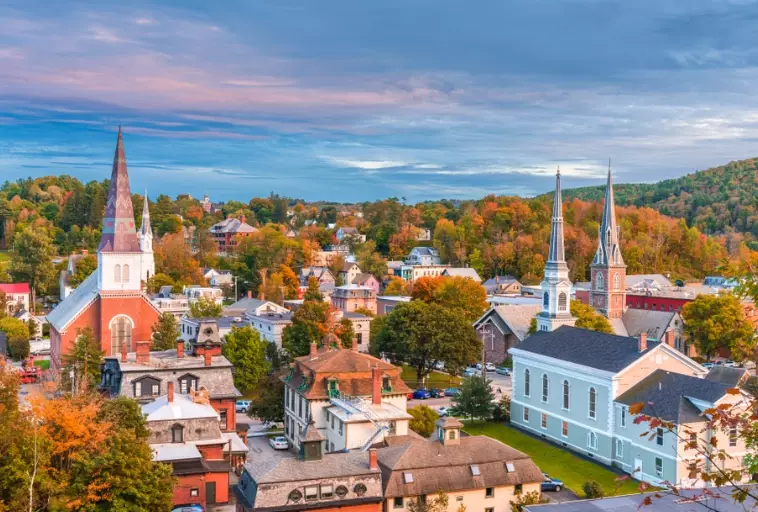
Forget a rigid itinerary here. The best thing to do is walk. Start at Forsyth Park (with its iconic fountain) and wander north toward the river. You can legally walk around the historic district with an open container of alcohol in a plastic cup, which fuels a lively bar scene. Take a ghost tour—they're kitschy but fun, and you learn a lot of local history.
Food is a major draw. You have to try the low-country cuisine.
- The Olde Pink House (23 Abercorn St): Fine dining in a historic mansion. Reservations essential.
- Mrs. Wilkes' Dining Room (107 W Jones St): A legendary family-style Southern lunch. Cash only. Be prepared to line up.
- For a quick, fantastic lunch, hit Zunzi's (108 E York St) for their famous Conquistador sandwich.
If you have more time, drive 2 hours north to Charleston, South Carolina. It's Savannah's more polished cousin, with incredible architecture and waterfront Battery views. Or, fly further south to Miami, Florida for a complete change of scene—art deco architecture in South Beach, vibrant Cuban culture in Little Havana, and the tropical vibe of the Everglades nearby.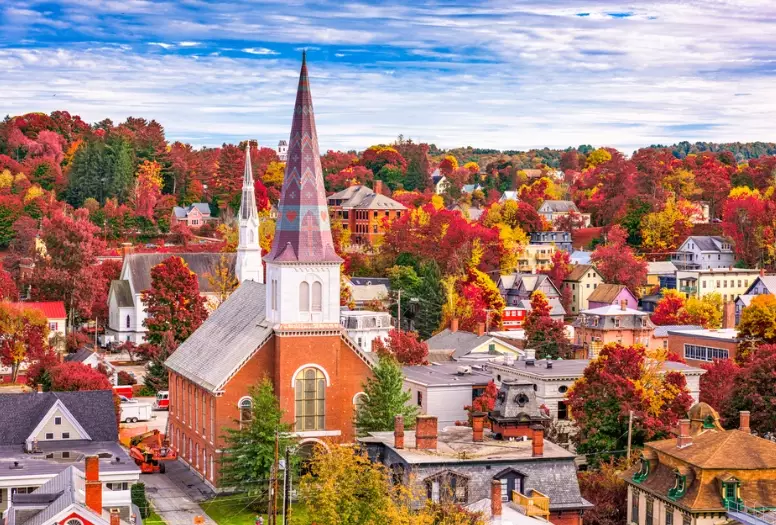
How to Plan Your East Coast USA Trip?
You can't see it all in one trip. I recommend focusing on one of these core itineraries:
The Urban History Corridor (7-10 days): Fly into New York City (3-4 days). Take the Amtrak Acela or Northeast Regional train to Washington D.C. (3-4 days). The train is stress-free, takes about 3.5 hours, and drops you right in the city centers. You could add a day in Philadelphia on the way.
New England Explorer (7-10 days): Fly into Boston (2 days for Freedom Trail, seafood). Drive or take a bus up the coast to Portland, Maine (1 day for foodie scene). Continue to Acadia National Park/Bar Harbor (3-4 days).
The Southern Loop (10-14 days): Fly into Atlanta, see the sights, then rent a car. Drive to Savannah (3 days). Drive up to Charleston (3 days). Continue to the Outer Banks of North Carolina (3 days for beaches and history like Kitty Hawk) or head to the mountains of Asheville, NC.
Best Time to Go: Late spring (May-June) and early fall (September-October) are ideal for most of the coast—pleasant weather, fewer summer crowds. Summer is peak and can be brutally hot and humid in the cities and south. Winter is great for city museums and lower prices, but some coastal areas (like Bar Harbor) are quiet with limited services.
Getting Around: The Northeast Corridor (Boston to D.C.) is brilliantly connected by Amtrak. For anything else, or for exploring national parks and smaller towns, you'll need a car. Book rental cars very early for peak seasons.
Your East Coast Travel Questions Answered
I have 7 days for an East Coast trip from New York to Washington D.C., what's the best itinerary?
Spend four full days in New York. Don't try to check every box; pick a few neighborhoods to explore deeply. On day five, take a morning Amtrak train to Washington D.C. (book tickets in advance for the best price). Spend your remaining two and a half days in D.C. Focus on the National Mall monuments (do a night walk) and two, maybe three, Smithsonian museums. This pace avoids burnout and lets you actually absorb the places instead of just running between them.
What's the most overrated East Coast tourist spot I should skip?
Times Square in New York. It's chaotic, crowded, and feels like a giant outdoor advertisement. Walking through it once for the experience is enough—maybe at night to see the lights. Don't eat there (overpriced, mediocre food), and don't make it a base for your trip. The real New York exists everywhere else.
Is an East Coast road trip from Florida to Maine realistic in two weeks?
It's a marathon, not a vacation. You're looking at over 1,500 miles of driving, which eats up at least 3-4 full days just behind the wheel. You'll be skimming the surface of everything and seeing a lot of highways. You'll come back exhausted. I'd strongly advise against it. Instead, pick a segment: do Florida to Savannah, or the full New England coast. You'll have a richer, more relaxing experience.
We're a family with young kids. Which East Coast destination is most manageable?
Washington D.C. is fantastic for families. Almost all the major attractions (the Smithsonian museums, the National Zoo, the monuments) are completely free. The Metro subway is easy to navigate. There's lots of open space on the Mall for kids to run around. The Air and Space Museum and the Natural History Museum (with dinosaurs) are huge hits. Just plan one major activity per morning or afternoon, and build in downtime.
What's one thing I should absolutely book in advance for an East Coast summer trip?
Accommodation, without a doubt. Hotels in cities like NYC, D.C., and Bar Harbor fill up fast and prices skyrocket. For specific attractions, also book ahead for: the Statue of Liberty ferry (if you're set on going inside), popular Broadway shows in NYC, timed entry tickets for the U.S. Capitol or Washington Monument in D.C., and that vehicle reservation for Cadillac Mountain in Acadia. Spontaneity in peak season often leads to disappointment.
Reader Comments