Figuring out what to do in Boston can feel like staring at a menu with 200 items. You know there's good stuff, but where do you even start? The Freedom Trail is the obvious answer, but Boston has layers. It's a city of revolutionary history, yes, but also world-class universities, innovative food, quirky neighborhoods, and a harbor that's come alive in the last decade. This guide isn't just a list. It's a framework to help you build a trip that matches your pace, whether you have 48 hours or a full week, without missing the soul of the city.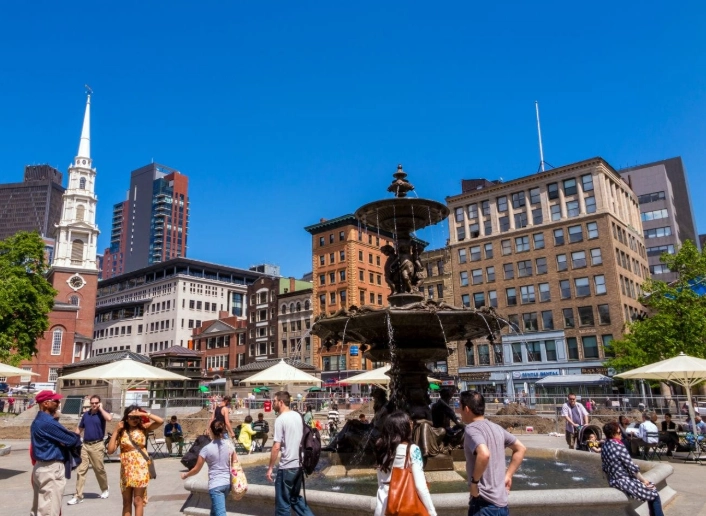
What's Inside?
The Core Attractions You Can't Miss
Let's get the big ones out of the way. These are the pillars. But I'll tell you how to see them smartly.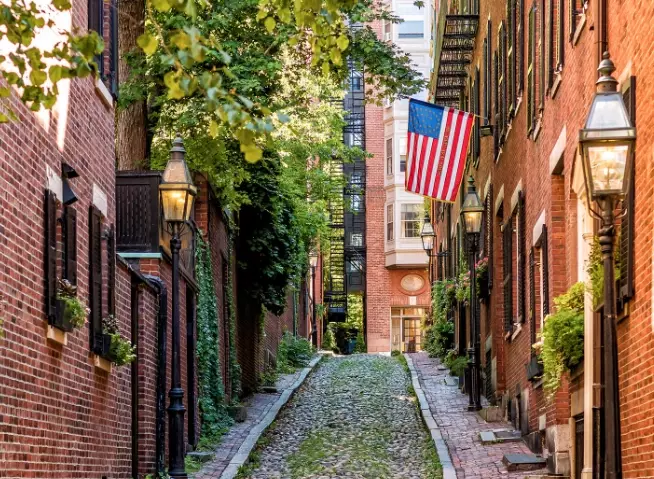
The Freedom Trail: Do It Right
The 2.5-mile red-brick path connecting 16 historic sites is Boston's signature experience. The rookie mistake? Starting at Boston Common and following the crowd. By the time you hit Faneuil Hall, you're herded like cattle. Try this instead: take the T to North Station. Start at the USS Constitution ("Old Ironsides") in Charlestown. It's free, the Navy guides are fantastic, and you get the ship almost to yourself if you go early. Walk the trail backwards towards downtown. You'll hit the Bunker Hill Monument (climb the 294 steps if you dare), the Paul Revere House (admission: $6 adults), and the Old North Church ("one if by land...") before merging with the main flow. You experience the history in chronological order of the events, and you avoid the biggest crowds.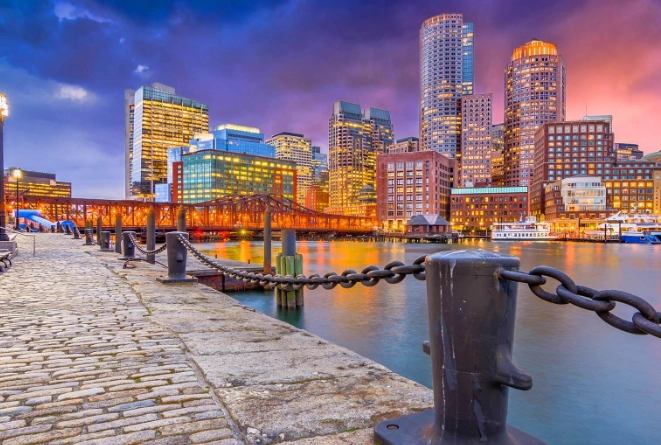
Museum Musts: From Art to Science
Boston's museum scene is elite. Don't try to do them all.
- Museum of Fine Arts (MFA): 465 Huntington Ave. A world-class collection. Don't miss the Ancient American, Japanese, and contemporary wings. General admission is $27. Pro-tip: Wednesdays after 4 PM are voluntary contribution (pay what you wish), but it gets busy.
- Isabella Stewart Gardner Museum: 25 Evans Way. This is my favorite. It's a Venetian palace built by a eccentric heiress, frozen in time after a still-unsolved art heist in 1990. The courtyard is stunning. Admission: $20. Cash only for admission under $20—a weird, charming quirk.
- Museum of Science: Science Park. Fantastic for kids and the curious adult. The lightning show is a classic. Tickets start at $29. Check for planetarium or IMAX combo tickets.
How to Plan Your Boston Itinerary
Boston is a walkable city, but neighborhoods are clustered. Group your days by geography.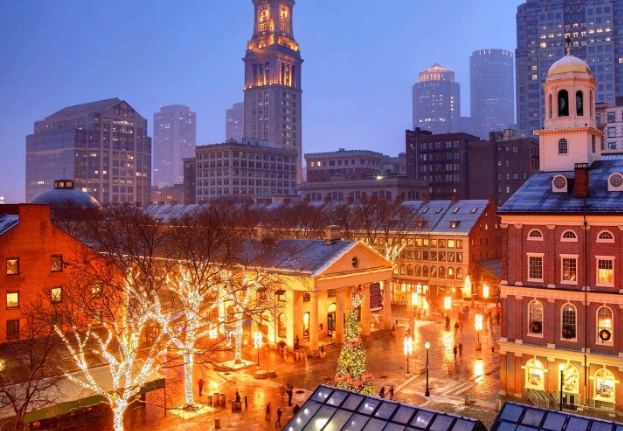
The Perfect 3-Day Boston Weekend
| Day | Morning | Afternoon | Evening |
|---|---|---|---|
| Day 1: History & Downtown | Backwards Freedom Trail start (USS Constitution). | Explore North End. Grab a pastry at Modern Pastry (less chaotic than Mike's). | Dinner in the North End (see food section). Walk along the Harborwalk. |
| Day 2: Culture & Back Bay | Isabella Stewart Gardner Museum. | Walk down Newbury St for shopping, then into the Public Garden. Ride the Swan Boats ($4.50). | Catch a game at Fenway Park (if in season) or take a tour. Otherwise, dinner in the South End. |
| Day 3: Innovation & Views | Harvard Square tour (free student-led tours from the info center). | Walk across the river to MIT. Explore Kendall Square. Take the T to Seaport. | Sunset drinks at a Seaport rooftop bar (Legal Harborside, Lookout Rooftop). Dinner in Seaport or Fort Point. |
That's the blueprint. Feel free to swap the MFA for the Gardner on Day 2 if you prefer a larger museum.
Beyond the Landmarks: Neighborhood Deep Dives
This is where you find the real Boston.
The North End: More Than Just Cannoli
Yes, it's Boston's Little Italy. The food is the draw, but wander the side streets. Hanover Street is the main drag, but explore Salem, Prince, and Richmond streets. Visit the Paul Revere Mall (the "Prado") for a great photo op with the Old North Church. My personal favorite corner is the tiny Via Della Chiesa alley. For pastries, the debate between Mike's and Modern is a local sport. Modern is my pick for a smoother experience and, many argue, a better shell. Cash is king in many shops here.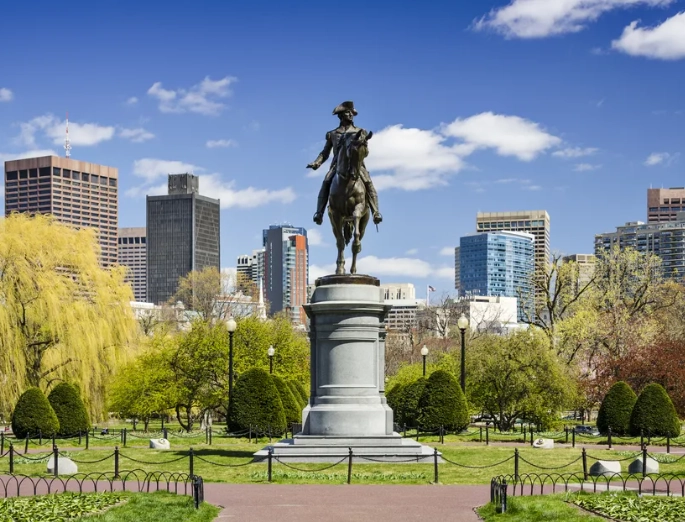
Charlestown: The Quieter History Hub
Just over the bridge from the North End, it feels like a separate village. After the USS Constitution, walk up Main Street. The houses are beautiful. Stop by the Warren Tavern (est. 1780), allegedly Paul Revere's favorite pub. It's a great spot for a pint and a burger in a setting that hasn't changed much in 200 years.
The Seaport District: Boston's New Frontier
Twenty years ago, this was parking lots. Now it's all glass, steel, and innovation. The Institute of Contemporary Art (ICA) is here ($20 admission, free on Thursdays 5-9 PM). Its cantilevered design over the water is worth the visit alone. The Seaport is great for modern seafood restaurants, rooftop bars, and people-watching. It lacks the old-world charm but shows you where Boston is headed.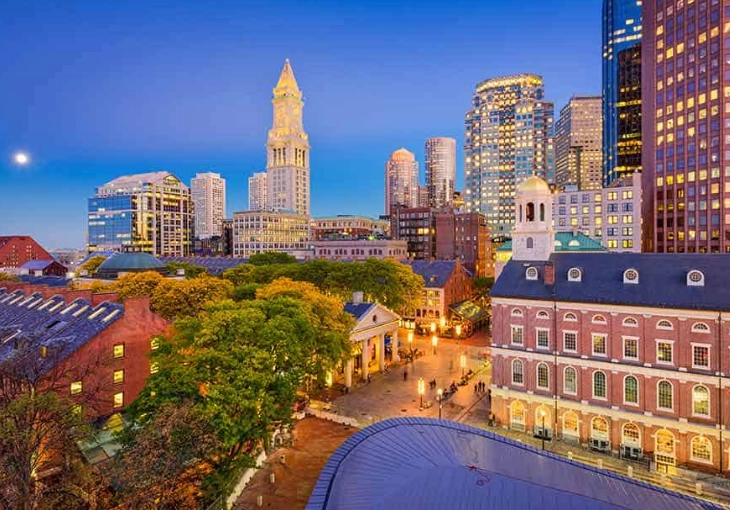
The Boston Food & Drink Guide (Beyond Chowder)
You have to try New England clam chowder, but let's expand the palette.
Iconic Boston Eats
- Union Oyster House: 41 Union St. The oldest continuously operating restaurant in the US (1826). It's touristy, but the history is palpable. Sit at the raw bar where JFK used to. Chowder and oysters are solid. Expect a wait.
- Neptune Oyster: 63 Salem St. Tiny, no reservations, always a line. Arguably the best lobster roll in the city (served hot with butter or cold with mayo). Worth the hype if you can time it (try late afternoon).
- Regina Pizzeria: 11 ½ Thacher St. The original in the North End. The brick oven has been firing since 1926. The "Number 9" (sausage, peppers, onions) is a classic. The franchised locations elsewhere are not the same.
Where Locals Eat & Drink
Venture out of the downtown core.
- The South End: This is Boston's restaurant neighborhood. Toro for fantastic Spanish tapas, Myers + Chang for fun Asian fusion, Coppa for Italian small plates. It's all here.
- Cambridge: Alden & Harlow in Harvard Square for "secret burger" and creative small plates. Life Alive for the best healthy, vibrant bowls you'll ever have.
- Drinks: For a classic pub, The Black Rose near Faneuil Hall. For craft cocktails, try Drink in Fort Point (no menu, they make based on your preference) or Backbar in Union Square, Somerville (a bit off the beaten path, but stellar).
Practical Tips to Save Time & Money
These are the things most guides don't stress enough.
Getting Around: Don't rent a car if you're staying in the city. Traffic is bad, parking is expensive ($40-60/day). The "T" (subway) and walking will get you everywhere. Get a CharlieCard (reusable plastic card) for the lowest fares ($2.40 per ride vs. $2.90 with paper ticket). You can get one at major station booths. Rideshares and bikeshares (Bluebikes) fill the gaps.
CityPass/GoCard: If you plan to hit the Museum of Science, Skywalk Observatory, New England Aquarium, and a harbor cruise, a Boston CityPASS can save about 45%. Do the math first based on your itinerary.
The Best View: Everyone goes to the Skywalk Observatory at the Prudential Center ($21). A better, free alternative is the view from the top floor of the Boston Public Library's Johnson Building in Copley. It's a quiet terrace with great views of Back Bay. For a drink with a view, the View Boston observation deck at the top of 200 Clarendon (the old John Hancock) is new and includes interactive exhibits.
Weather Prep: Boston weather is fickle. Layers are non-negotiable, even in summer. A light rain jacket is always a good idea.
Your Boston Trip Questions Answered
Boston's charm is in its mix of old and new, the scholarly and the salty. It's a city that rewards curiosity. Don't just check boxes. Sit on a bench in the Public Garden, watch the ducks, strike up a conversation in a North End bakery line. That's when you'll figure out what to do in Boston—you'll start to feel it.