Let's be honest. When you think of places in Italy, your mind probably jumps straight to the Colosseum, the Leaning Tower of Pisa, and the canals of Venice. And sure, those are iconic for a reason. But after a decade of leading tours and traveling every backroad from the Alps to Sicily, I've learned something crucial: Italy's real magic often lies just outside those postcard frames.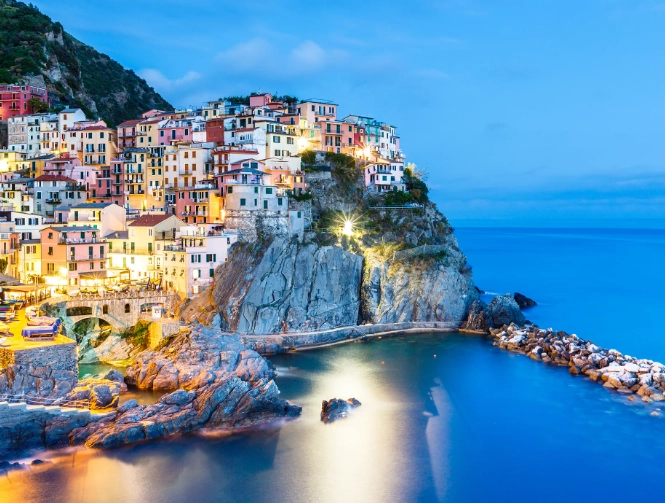
Most first-timers make the same mistake—they cram Rome, Florence, and Venice into a week, spending half their time in queues and the other half navigating crowded streets. They come home exhausted, having seen incredible art, but maybe missing the soul of the place. The soul is in the slower pace of a hilltop village in Umbria, the chaotic energy of a Naples market, or the silent awe of a prehistoric trulli house in Puglia.
This guide isn't just another list. It's a blueprint for building an Italian journey that balances the unmissable classics with the authentic gems most tourists rush past. We'll break down the country by region, give you actionable planning advice you won't find in a generic guidebook, and answer the real questions travelers have before they go.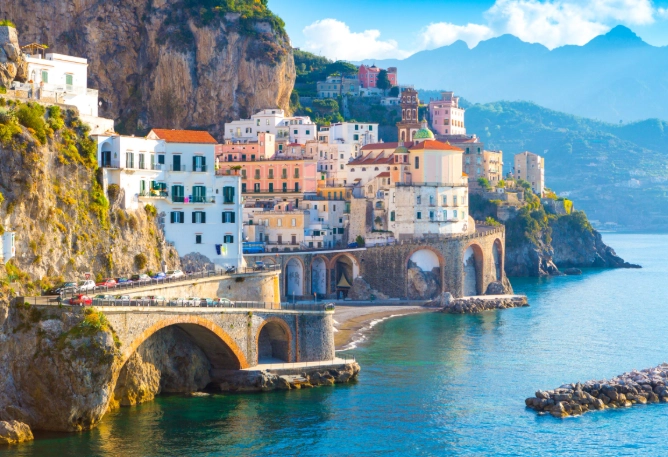
Your Italy Travel Roadmap
Italy's Top Cities & Hidden Gems
Think of Italy in layers. The top layer is the famous cities. The layer beneath is the smaller towns and unique landscapes that give each region its character. You need a mix of both.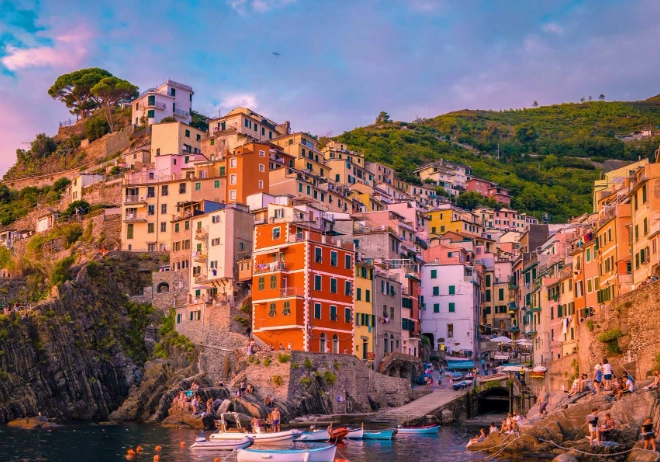
The North: Alps, Lakes, and Renaissance Wealth
Venice is a must, but the trick is how you visit. Everyone flocks to Piazza San Marco and the Rialto Bridge. Instead, get lost in the Cannaregio or Dorsoduro districts in the early morning. Want a genuine local experience? Take the public ferry (Linea 4.1) to the island of Sant'Erasmo, known as Venice's garden. No museums, just farms and quiet canals.
**Practical Tip:** Buy a "Venezia Unica" city pass online in advance. It includes public transport (vaporetti) and can reserve timed entry to St. Mark's Basilica, saving you a 2-hour queue. Address for the main sites? Just follow the signs to Piazza San Marco – you can't miss it. It's always open, but interior attractions have hours.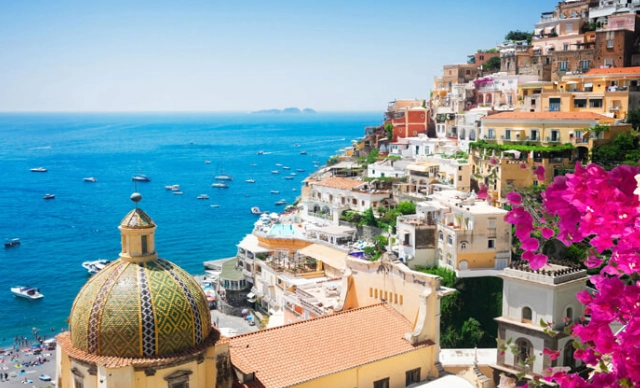
Most people use Milan just as an airport hub. That's a shame. Yes, see The Last Supper (book tickets months ahead on the official website), but then explore the Navigli canals at aperitivo hour. For a day trip, Lake Como is stunning, but Lake Orta (Orta San Giulio) is its quieter, more romantic cousin.
Central Italy: The Heart of Art, History, and Rolling Hills
Florence is overwhelming. The Uffizi Gallery holds a lifetime's worth of art. My non-consensus advice? Don't try to see it all. Pick one or two masterpieces you're passionate about, see them, then escape the museum fatigue. Climb to Piazzale Michelangelo for the classic view, but for something different, visit the Bardini Garden for a stunning, less crowded panorama of the Duomo.
The Cinque Terre are five picturesque villages clinging to cliffs. They are beautiful and famously crowded. The hiking trail connecting them, the Sentiero Azzurro, requires a hiking card (€7.50/day). A smarter move? Stay in the slightly larger town of La Spezia, use it as a base, and take the Cinque Terre Express train (€18/day unlimited pass) to visit the villages. It's cheaper and gives you more dining options in the evening.
The South & Islands: Ancient Ruins, Dramatic Coasts, and Vibrant Chaos
Rome is eternal for a reason. The Colosseum, Roman Forum, and Vatican are non-negotiable. Book a "skip-the-line" tour with a guide—it's worth every euro for the context and time saved. But wander beyond. The Trastevere neighborhood, across the Tiber, has winding medieval streets and some of the city's best food without the tourist-trap prices.
For a true southern experience, Naples is raw, loud, and delicious. It's the birthplace of pizza. Go to L'Antica Pizzeria da Michele (Via Cesare Sersale, 1) for the classic Margherita (about €5). It's chaotic, you'll wait, but it's a pilgrimage. From here, you can easily visit the ruins of Pompeii (€18 entry) and the stunning Amalfi Coast.
Sicily is a continent in itself. Palermo's markets, the Greek temples at Agrigento (Valley of the Temples, €10), and the baroque beauty of Noto. In my opinion, the most underrated spot is the Aeolian Islands, a volcanic archipelago north of Sicily. Stromboli offers night hikes to see active lava flows—an unforgettable experience.
How to Plan Your Italy Itinerary?
This is where trips succeed or fail. Be realistic about distances and your own energy.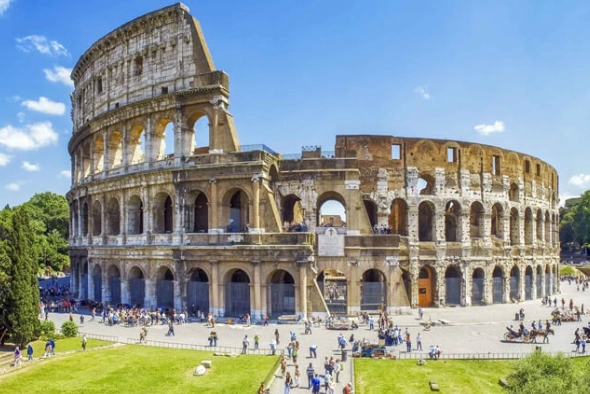
Sample 10-Day Itineraries for Different Tastes
Don't try to see everything. Pick a theme.
| Itinerary Focus | Route Example | Key Highlights | Best For |
|---|---|---|---|
| The Classic First Timer | Rome (3 nights) → Florence (3 nights) → Venice (2 nights) → Milan (1 night) | Colosseum, Vatican, Uffizi, Duomo, Venetian Canals, Last Supper | History & art lovers who want the iconic hits. |
| Dolce Vita & Coastlines | Rome (2 nights) → Amalfi Coast/Positano (3 nights) → Naples (2 nights) → Puglia/Lecce (3 nights) | Roman ruins, coastal drives, Pompeii, trulli houses, southern cuisine | Travelers seeking beauty, food, and a slower pace. |
| Deep Dive: North & Culture | Milan (2 nights) → Lake Como (2 nights) → Bologna (2 nights) → San Marino (day trip) → Ravenna (1 night) → Venice (2 nights) | Renaissance art, food capital Bologna, Byzantine mosaics, unique microstate | Those who've seen the majors and want depth. |
Getting Around: Train vs. Car
Trains (Trenitalia, Italo) are fantastic for city-to-city travel in the north and center. They're fast, reliable, and you can book online. The high-speed Frecciarossa from Rome to Florence takes 1.5 hours.
Renting a car becomes essential for exploring regions like Tuscany, Puglia, Sicily, or the Dolomites. A crucial warning: Zona a Traffico Limitato (ZTL) are restricted traffic zones in historic city centers. Driving into one means automatic, hefty fines sent to your home months later. Always ask your hotel about parking outside the ZTL.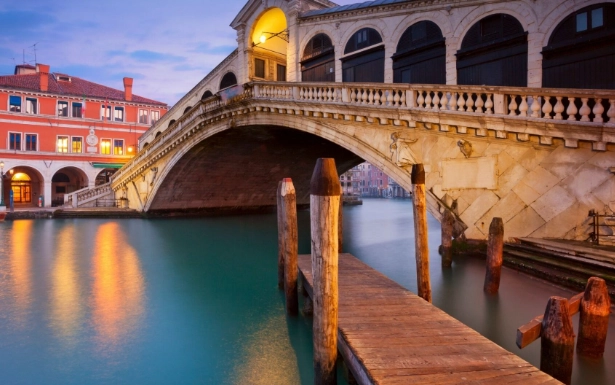
Budgeting Realistically
Italy can be expensive, but it doesn't have to break the bank. Outside of luxury destinations like the Amalfi Coast in peak summer, you can manage.
**Mid-range daily budget (per person):** €120-€180. This covers a decent hotel/B&B (€80-€120), meals (€30-€50), local transport/attractions (€10-€30). Remember, many churches and piazzas are free. The best things—people-watching with a gelato—cost very little.
What is the Best Way to Experience Italy?
It's not about checking boxes. It's about immersion.
Eat Like a Local (Not Like a Tourist Menu)
Avoid restaurants with pictures of food outside or "Tourist Menu" signs. Look for places filled with Italians. Eat on their schedule: a light breakfast (cappuccino & cornetto), lunch around 1-3 PM, and dinner after 8 PM. Have an aperitivo around 6-8 PM—a drink (spritz, anyone?) that comes with complimentary snacks.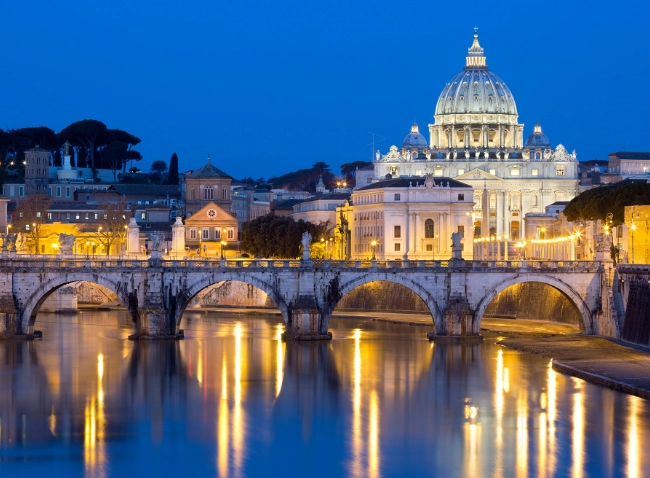
In Bologna, go to Osteria dell'Orsa (Via Mentana, 1) for hearty, affordable pasta. In Rome, try Supplizio (Via dei Banchi Vecchi, 143) for the city's best supplì (fried rice balls). Just walk in.
Embrace the Culture of *Passeggiata*
The evening stroll, the passeggiata, is a social ritual. Join it. In every town, between about 5-8 PM, locals dress up and walk through the main streets. It's not about going somewhere; it's about seeing and being seen. Do it. You'll feel the pulse of the place.
Book Key Attractions in Advance. Seriously.
This is the single most practical tip I can give. For the Uffizi, Colosseum, Vatican Museums, Last Supper, Doge's Palace, etc.—buy your timed-entry ticket online weeks, if not months, in advance. You'll walk past lines that are 2-4 hours long. It transforms your experience from one of frustration to enjoyment.
Your Italy Travel Questions Answered
How can I avoid long lines at popular places in Italy?
Pre-book online for any major museum or archaeological site. For churches like St. Mark's Basilica or the Duomo in Florence, go right at opening (usually 8:30-9:30 AM) or during lunchtime when tour groups are eating. Another trick for popular towns like Cinque Terre or Positano: visit in the shoulder seasons (April-May, September-October) when crowds thin out dramatically.
What is the most underrated region in Italy?
Hands down, Puglia (the "heel" of the boot). It has everything: unique white-washed trulli houses in Alberobello (a UNESCO site), stunning baroque architecture in Lecce (the "Florence of the South"), crystal-clear beaches on both the Adriatic and Ionian coasts, and some of Italy's best food (orecchiette pasta, burrata cheese). It's less expensive and feels more authentic than the typical tourist trail.
Is driving in Italy a good idea?
It depends. For connecting major cities (Rome-Florence-Venice), absolutely not—take the train. For exploring rural Tuscany, Umbria, Puglia, or Sicily, a car is freedom. Just be prepared for assertive drivers, especially in the south, and be hyper-vigilant about ZTL zones. Get full insurance coverage and rent a small car—streets are narrow.
Should I be worried about pickpockets in Italy?
It's a concern in crowded tourist hubs like Rome's Metro, Florence's Ponte Vecchio, and Naples' central station. Don't be paranoid, but be smart. Use a cross-body bag with a zipper you can keep in front. Don't keep your phone or wallet in your back pocket. Be extra cautious in crowds and on public transport. It's less about violent crime and more about opportunistic theft.
What is the off-season in Italy and is it worth visiting?
The true off-season is November to March, excluding Christmas. It's absolutely worth it if you prioritize cities over beaches and don't mind cooler, potentially rainy weather. You'll have the Uffizi or Pompeii almost to yourself, prices for flights and hotels plummet, and you'll see Italy going about its daily life. Just check opening hours, as some smaller attractions or hotels in coastal areas may be closed.
Reader Comments