Geneva. You see the postcard first: that iconic water jet shooting skyward from the lake. But if that's all you know, you're missing the real city. Geneva is a layered place—a compact global hub where UN diplomats walk past 12th-century cathedrals, and watchmakers' ateliers hide behind unassuming doors in the Old Town. Planning your visit around just the lakefront is the most common mistake first-timers make. Let's fix that. This guide is about discovering the depth of Geneva, from its cobbled heart to its thought-provoking museums and surprisingly vibrant local scenes.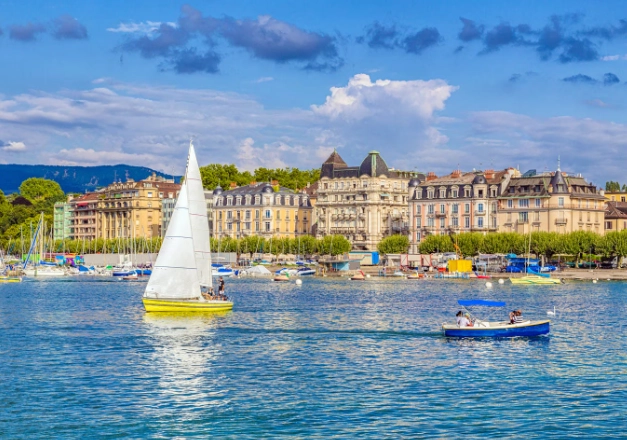
Your Geneva Journey at a Glance
- Get Lost in Geneva's Historic Old Town (Vieille Ville)
- Experience Lake Geneva & The Iconic Jet d'Eau
- Discover Geneva's Unique Museums & Culture
- A Quick Guide to Food & Shopping
- Where to Stay in Geneva: A Quick-Reference Table
- How to Plan Your Geneva Itinerary
- Practical Tips & Common Mistakes to Avoid
- Your Geneva Questions Answered
Get Lost in Geneva's Historic Old Town (Vieille Ville)
This is where Geneva began. Perched on a hill, the Old Town is a maze of narrow, sloping streets (called rues), hidden courtyards, and antique shops. Ditch the map for an hour here. Start at the Place du Bourg-de-Four, arguably the oldest square in the city. It's always buzzing. Grab a coffee at an outdoor table and just watch—students, lawyers from the nearby Palais de Justice, tourists. It's a perfect slice of local life.
From there, the logical climb leads to St. Pierre Cathedral. The exterior is imposing, but the real magic is inside and underneath. For a small fee (around CHF 8), you can access the archaeological site beneath the cathedral. It's a sprawling dig that shows the layers of religious buildings dating back to the 4th century. Then, for the best view in Geneva, climb the North Tower (157 steps). The panorama over the red rooftops to the lake and Alps is worth every step. The cathedral is open daily, with slightly shorter hours on Sundays. Take bus lines 2, 7, or 20 to Place de Neuve and walk up.
A two-minute walk from the cathedral brings you to the Wall of the Reformers in the Parc des Bastions. It's a massive monument to key figures of the Protestant Reformation. Honestly, it can feel a bit austere. But the park itself is lovely for a stroll, with giant chessboards locals actually use.
My personal favorite spot, often overlooked, is the Maison Tavel. It's Geneva's oldest house, now a museum of the city's history. It's free, and the detailed model of 19th-century Geneva on the top floor is fascinating. You see how the city walls once looked before they were torn down.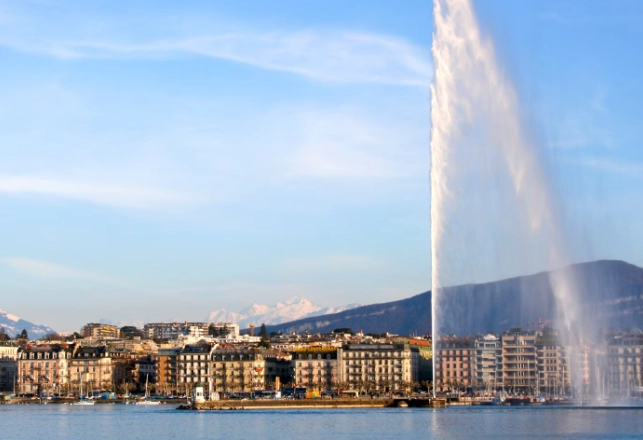
Experience Lake Geneva & The Iconic Jet d'Eau
Okay, we have to talk about it. The Jet d'Eau is impressive. It pumps 500 liters of water per second to a height of 140 meters. You can feel the mist from the Quai du Général-Guisan on a windy day. The best photo spot? From the Pont de la Machine or the Jardin Anglais. A pro tip: it's usually turned off if winds are too strong or temperatures drop near freezing, so check it's running if it's a key reason for your visit.
Right next to the Jardin Anglais is the Flower Clock (L'Horloge Fleurie). It's pretty, a tribute to Geneva's watchmaking, but it's a quick stop—five minutes max. Don't build your day around it.
The real lakefront joy is a boat cruise. Compagnie Générale de Navigation (CGN) offers everything from short one-hour tours of the harbor to trips to other lakeside towns like Nyon or Yvoire (in France). A simple 50-minute Tour du Lac Rive Droite gives you a fantastic perspective of the city, the wealthy villas of the rive droite, and the mountains. Tickets start around CHF 20. It's the most relaxing thing you can do on a sunny afternoon.
For a free alternative, walk or rent a bike and follow the lakeside promenade. Head towards the Parc de la Grange or the Parc des Eaux-Vives. These are vast, beautiful parks where Genevans picnic, read, and escape the city bustle.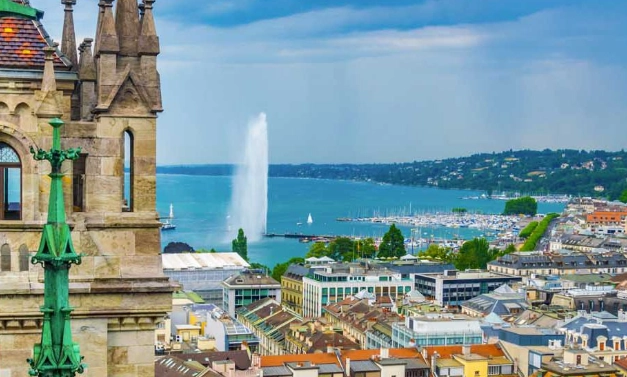
Discover Geneva's Unique Museums & Culture
Geneva's museums are niche, world-class, and often surprisingly engaging.
The International Red Cross and Red Crescent Museum
This isn't a typical museum. It's an emotional, immersive experience about humanitarian action. Located in the international district near the UN, it uses multimedia installations to tell stories of conflict, disaster, and the people who help. It's thought-provoking and humbling. Plan for at least two hours. Admission is around CHF 15. Take tram 15 to the Nations stop.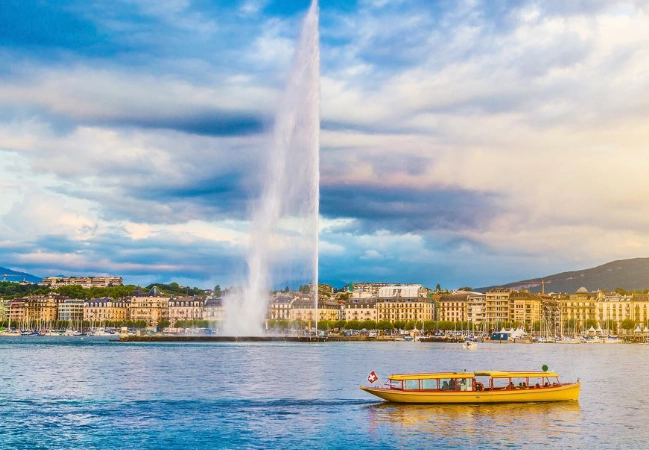
Musée d'Art et d'Histoire (MAH)
Geneva's main art and history museum is comprehensive and, importantly, free for its permanent collections. You'll find everything from archaeological finds to works by Konrad Witz, Rodin, and Van Gogh. It's a great rainy-day option. It's in the Old Town area, easy to combine with other sights.
Patek Philippe Museum
Even if you're not a watch fanatic, this museum is a testament to insane craftsmanship. It traces the history of watchmaking from the 16th century to Patek's modern masterpieces. The intricate enamel portraits and impossibly complex mechanisms are mesmerizing. Entry is about CHF 10. It's in the Plainpalais district.
A Quick Guide to Food & Shopping
Forget bland international food. Dive into local specialties.
Fondue is a must in cooler months. Try it at Les Armures in the Old Town (1 Rue du Puits-St-Pierre)—it's classic, if touristy. For a more local vibe, Café du Soleil in the Plainpalais area is famous for its fondue moitié-moitié (half Gruyère, half Vacherin). A pot for one costs around CHF 25-30.
Rösti, the Swiss potato pancake, is perfect for lunch. Brasserie Lipp near the lake does a good one, often topped with sausage or cheese.
For chocolate, skip the airport. Go to Du Rhône Chocolatier (3 Rue de la Confédération) or the more artisanal Philippe Pascoët (2 Rue de la Tour-de-l'Île). Buy a few pavés (chocolate gravel) – they're a Geneva invention.
Shopping? The luxury boutiques are on Rue du Rhône and Rue du Marché. For interesting independent shops and bookstores, explore the Carouge district (take tram 12 or 18). It has a village-like feel, with workshops and cafes.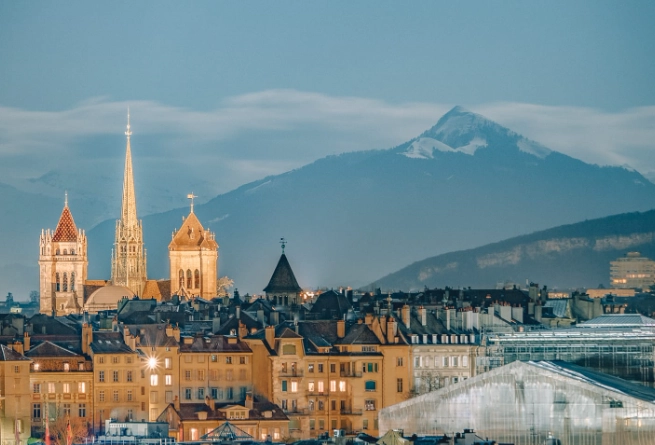
Where to Stay in Geneva: A Quick-Reference Table
Location is everything in this walkable city. Here’s a breakdown to simplify your choice.
| Area | Best For | Hotel Example & Address | Price Range (Per Night) |
|---|---|---|---|
| Old Town (Vieille Ville) | History, charm, central walking. | Hôtel Les Armures 1 Rue du Puits-St-Pierre |
CHF 400 - 700 |
| Pâquis / Near the Station | Budget, transport, diverse food. | Hotel Suisse 10 Place Cornavin |
CHF 150 - 300 |
| Eaux-Vives / Right Bank | Lakeside tranquility, parks, local feel. | Hotel d'Angleterre 17 Quai du Mont-Blanc |
CHF 300 - 600 |
| Plainpalais | Students, markets (Sat. flea market), vibrant. | Hotel Admiral 8 Rue Pellegrino Rossi |
CHF 200 - 350 |
Remember, most hotels provide a free Geneva Transport Card for the duration of your stay, covering all buses, trams, and boats within the city. Always ask for it.
How to Plan Your Geneva Itinerary
Geneva is small. You can see a lot in a short time if you're strategic.
One Day in Geneva: Morning in the Old Town (Cathedral, Maison Tavel). Walk down to the lake for lunch. Afternoon lake cruise. Visit the Red Cross Museum or stroll through Parc de la Grange. Evening fondue in Carouge or the Pâquis district.
Two Days in Geneva: Day 1 as above. Day 2: Focus on culture. Visit Patek Philippe Museum, then explore the Plainpalais area and its market (Wednesday or Saturday). In the afternoon, take a longer boat trip to Yvoire (France, remember your passport!) or spend time in the UN district (guided tours of the Palais des Nations are available).
Three Days or More: Use your extra day for a mountain excursion. A short train ride to Mont Salève (in France) gives you breathtaking Alpine views. Or take a train to Lausanne (40 mins) or Montreux (1 hour) to explore more of Lake Geneva.
Practical Tips & Common Mistakes to Avoid
Transport: The city network is excellent. The free hotel card is gold. Trams 12, 14, 15, and 18 are your main arteries. Download the TPG app for real-time schedules.
Language: French is the main language, but English is widely spoken in tourist areas. A simple "Bonjour" before asking a question goes a long way.
Money: Switzerland uses Swiss Francs (CHF). Credit cards are accepted almost everywhere, but having some cash for smaller cafes or markets is smart. It's not a cheap city—a coffee can cost CHF 5, a main dish CHF 30+. Budget accordingly.
When to Visit: Late spring (May-June) and early autumn (September-October) are ideal—pleasant weather, fewer crowds. Summer is warm and busy with festivals. Winter is cold but magical around Christmas, with markets in the Old Town.
Your Geneva Questions Answered
What are the best things to do in Geneva with kids?
The Natural History Museum (free) is fantastic, with extensive, engaging exhibits. The Bains des Pâquis is a lakeside pool and beach area where kids can swim safely in the summer. In winter, they have a fondue hut. A boat trip is also usually a hit. For a unique treat, take the Mouettes (yellow water taxis) across the harbor—it's a cheap, fun mini-cruise.
Are there free things to do in Geneva?
Absolutely. Walk the Old Town and explore St. Pierre Cathedral (free entry to the main nave; only towers/archaeology cost). Visit the permanent collections of the Musée d'Art et d'Histoire. Stroll through Parc La Grange and see its beautiful rose garden (June is best). Walk along the Promenade de la Treille and see the world's longest bench. Window-shop on Rue du Rhône. The city itself is a spectacle.
Is Geneva worth visiting in winter?
Yes, but with adjusted expectations. The Christmas market in the Old Town (Place de la Fusterie and others) is charming. The atmosphere in cozy cafes and fondue restaurants is perfect. However, some lake activities are limited, and the Jet d'Eau may be off. It's a great time for museum-hopping and enjoying the city's indoor warmth. Pack good shoes for potentially icy cobblestones.
Can I do a day trip to Geneva from Zurich?
Technically yes, the direct train takes about 2 hours 45 minutes. But it makes for a very long, rushed day. You'd have maybe 6 hours in the city, which is enough for a whirlwind tour of the Old Town and lakefront, but you'd miss the depth. If it's your only chance to see Geneva, go for it—prioritize the Cathedral, a quick lake walk, and maybe one museum. But if you can, staying overnight is vastly better.