Let's talk about the East Coast. It's not one thing. It's a thousand different postcards stacked together: the salty breeze off a Maine pier, the electric hum of a New York City crosswalk, the profound silence inside the Lincoln Memorial, the sweet, messy bliss of a Georgia peach. Planning a trip here can feel overwhelming because the options are endless. This guide cuts through the noise. I've driven these roads for years, made the mistakes, found the hidden turn-offs, and I'm here to help you build an East Coast America experience that's more than just ticking off landmarks.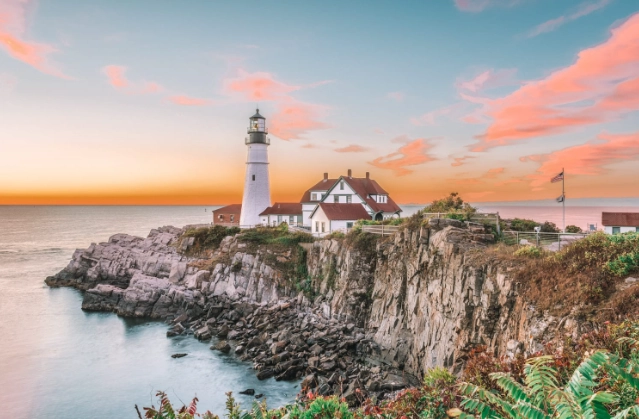
Your East Coast America Roadmap
The Unmissable Urban Anchors
You can't talk about the East Coast without its cities. They're the cultural powerhouses, but each has a distinct personality. Trying to see them all in one go is a recipe for burnout. Pick two or three that match your vibe.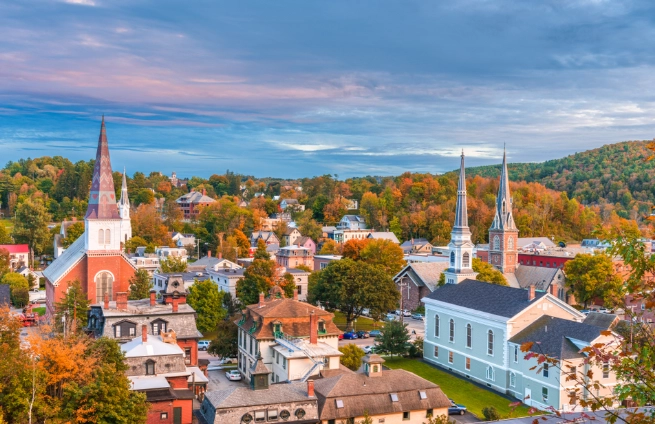
Boston: History You Can Walk
Forget the bus tours. Boston is a walking city. The Freedom Trail is a legitimately great idea—a 2.5-mile red brick line connecting 16 historic sites. Do it yourself, start at Boston Common (free, always open), and end in Charlestown at the USS Constitution. The secret? Dive off the trail into the North End for espresso and cannoli at Modern Pastry (257 Hanover St, cash preferred). Fenway Park tours are worth it even if you're not a baseball fan; the history in that old park is palpable.
New York City: Pace Yourself
The classic mistake is trying to see all of Manhattan in three days. You'll just see subway stations. Pick a neighborhood per day and explore it deeply. Spend a morning getting lost in the Metropolitan Museum of Art ($30 for adults, pay-what-you-wish for NY state residents), but know that a full day there isn't enough. Skip the Top of the Rock vs. Empire State debate and book a sunset ferry ride to Staten Island (completely free). You get the skyline, the Statue of Liberty, and a breeze. For Broadway, the TKTS booth in Times Square works, but for popular shows, bite the bullet and book online in advance.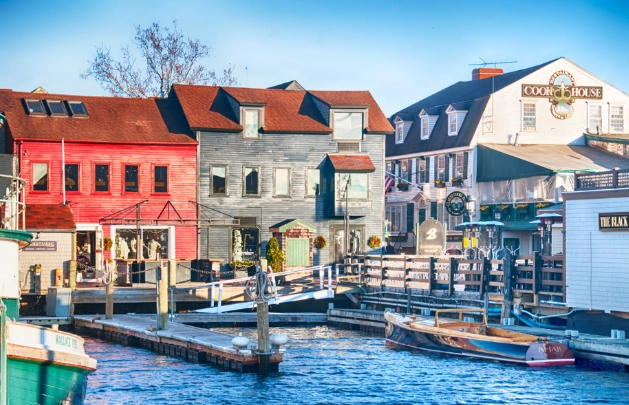
Washington D.C.: It's (Mostly) Free
The sheer scale of free, world-class access in D.C. is staggering. The Smithsonian museums, the National Zoo, the monuments—all free. The problem is choice paralysis. Don't try to museum-hop. The National Air and Space Museum and the National Museum of African American History and Culture require timed, free passes you should reserve weeks ahead. My advice? Spend one day on the National Mall (walk from the Lincoln Memorial to the Capitol), and dedicate another full day to just one or two museums. Your feet will thank you.
Coastal Escapes & Scenic Drives
This is where you need a car. The real East Coast magic often happens between the cities.
Acadia National Park, Maine
Acadia is a masterpiece of rocky coastline and mountain peaks. Everyone drives the Park Loop Road. Do that. But then, get up at 4 AM and drive to the top of Cadillac Mountain to be among the first people in the U.S. to see the sunrise. You need a vehicle reservation for this sunrise slot ($6), available online via Recreation.gov. It sells out fast. In Bar Harbor, skip the generic souvenir shops and get a lobster roll from the Side Street Cafe (49 Rodick St)—their version with butter and mayo on the side is perfect.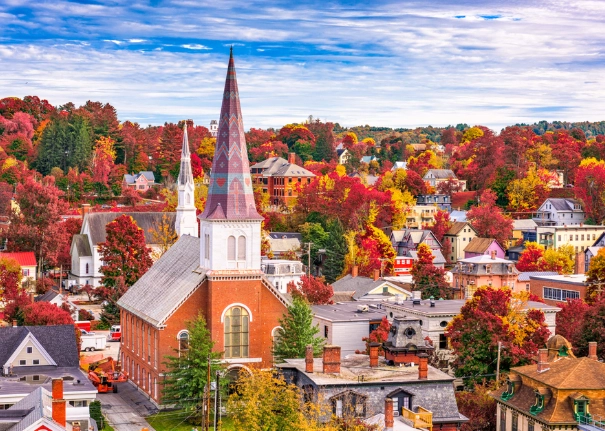
The Outer Banks, North Carolina
A 200-mile string of barrier islands where you can still find solitude. It's not just beaches. Visit the Wright Brothers National Memorial in Kill Devil Hills ($10 per adult) to stand where flight began. Climb the Cape Hatteras Lighthouse (tickets required, often sell out by noon). The real gem is the wild horses on Corolla and Carova beaches. You need a 4x4 vehicle to drive on the sand to see them, or book a guided tour. Rentals and tours are plentiful in Corolla.
A1A in Florida: More Than Miami
Yes, Miami's South Beach is iconic. But driving north on A1A reveals a different Florida. Stop at the Bonnet House Museum & Gardens in Fort Lauderdale (900 N Birch Rd), a quirky historic estate. Keep going to the quieter, artsy towns like Delray Beach. The stretch through coastal St. Augustine, the nation's oldest city, feels like another world entirely, with its Spanish fort and cobblestone streets.
A Culinary Journey Up the Coast
Food is the region's diary. Each bite tells a story.
| City/Region | Must-Try Dish | Where to Get It (A Specific Spot) | Note |
|---|---|---|---|
| Philadelphia, PA | Cheesesteak | Pat's King of Steaks (1237 E Passyunk Ave). Open 24 hours. | The debate is Pat's vs. Geno's across the street. Pat's invented it. Order "whiz wit" (Cheez Whiz with onions). |
| Maryland | Steamed Blue Crabs | Captain James Landing (2121 Aliceanna St, Baltimore). | It's a messy, social affair. Go with a group, get a mallet, and expect to spend hours. |
| Charleston, SC | Shrimp & Grits | Hominy Grill (207 Rutledge Ave). Breakfast/Lunch only. | Their version is creamy, smoky, and considered a benchmark. Go early to avoid a wait. |
| Savannah, GA | Southern Fried Chicken | The Grey (109 Martin Luther King Jr Blvd). | Upscale diner in a restored Greyhound bus station. Reservations essential. |
In New England, the lobster roll war is real: Connecticut serves theirs warm with butter, Maine serves theirs cold with mayo. Try both. I lean towards Connecticut's for pure, unadulterated lobster flavor.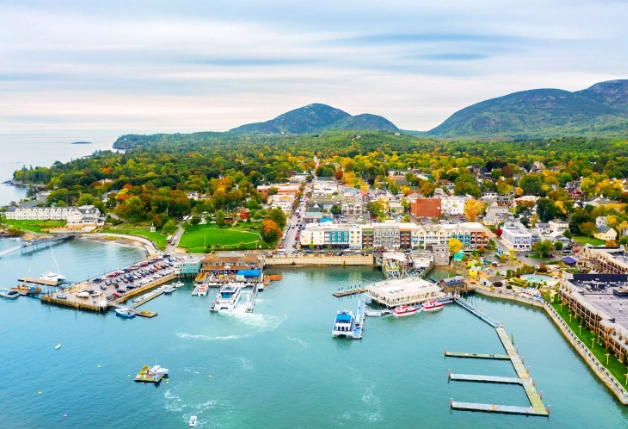
Pro Tip: Don't sleep on the local food markets. Reading Terminal Market in Philadelphia, Lexington Market in Baltimore, or Chelsea Market in NYC. They're one-stop shops for tasting local specialties, people-watching, and grabbing a unique, affordable lunch.
Building Your Flexible 7-Day Road Trip Plan
Here’s a skeleton for a classic Boston-to-Washington D.C. drive. It's aggressive but doable if you're okay with 2-4 hours of driving every other day.
Day 1 & 2: Boston. Land, get settled. Walk the Freedom Trail, explore Beacon Hill, eat in the North End.
Day 3: Boston to Newport, RI (1.5 hrs drive). Tour the Gilded Age mansions like The Breakers. Drive to New Haven, CT (1.5 hrs) for the night. Yes, for pizza. Frank Pepe Pizzeria Napoletana (157 Wooster St) is an institution.
Day 4: New Haven to New York City (1.5 hrs). Drop the car at your hotel (budget for parking!). Spend the afternoon and evening in one neighborhood, like the High Line and Chelsea.
Day 5: New York City. Museum day or downtown exploration. See a Broadway show.
Day 6: NYC to Philadelphia (2 hrs). Pick up a new rental car if needed. See Independence Hall (free timed tickets from the visitor center), eat a cheesesteak, run up the Rocky Steps.
Day 7: Philadelphia to Washington D.C. (2.5 hrs). Return the car in D.C. (trust me, you don't want to drive in D.C.). Use the metro. Spend your last afternoon on the National Mall.
This is a framework. Want more nature? After NYC, head west to the Pocono Mountains or south to the Delaware beaches. Have more time? Insert a 2-day stop in coastal Maine or the Blue Ridge Mountains.
Local Tips & How to Avoid the Crowds
After a decade of trips, here's what most guidebooks won't tell you.
Book D.C.'s Major Attractions Early. I mentioned it, but it's worth repeating. The African American History Museum and the U.S. Capitol tour release passes months in advance. Set a calendar reminder.
Use E-ZPass for Tolls. The entire I-95 corridor is electronic tolling. If your rental car doesn't come with a transponder, the rental company will bill you later at a much higher "administrative fee" rate. Pre-purchase an E-ZPass online or specifically request a car with one.
The Best Beach Time Isn't Summer. The Mid-Atlantic beaches (NJ, DE, MD) are packed and expensive July-August. Go in late June or early September. The water is warm, the rentals are cheaper, and the towns are quieter.
Skip the Chain Hotels in Cities. In historic districts like Savannah's Historic District or Charleston's French Quarter, look for boutique inns or licensed B&Bs. They're often in stunning historic homes, include breakfast, and offer way more local character.