Let's be honest. When you think Arizona, you see the Grand Canyon. It's a masterpiece, no argument. But if that's the only frame on your Arizona trip, you're missing the whole gallery. This state is a layered story of red rock cathedrals, whispering saguaro forests, dark sky sanctuaries, and culinary traditions older than the country itself. I've spent years driving its backroads, and the real magic often happens between the famous stops.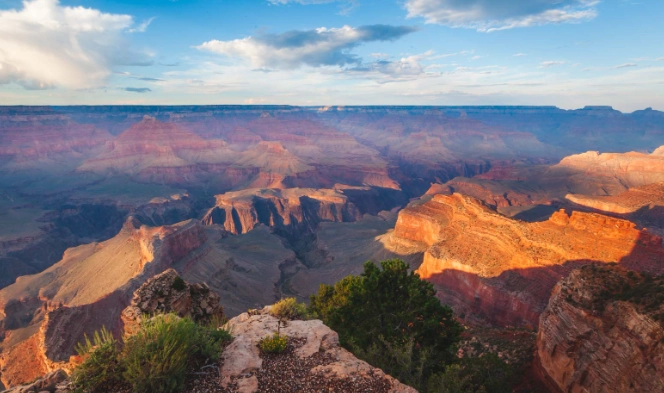
Your Arizona Adventure Map
How to Plan Your Arizona Adventure
First, ditch the idea of "doing Arizona" in a weekend. The distances are vast, and the landscapes demand your time. Phoenix to the Grand Canyon South Rim is a 3.5-hour drive. Phoenix to Tucson is another 2 hours south. You need a strategy.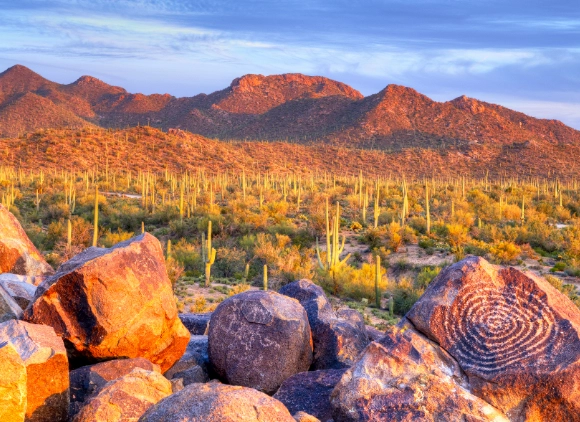
The Season Decides Everything
Spring (March-May) & Fall (Sept-Nov): The golden windows. Hiking in Sedona or Phoenix is glorious—70s to 80s°F. Wildflowers bloom in spring. This is peak season for a reason; book everything early.
Summer (June-August): The desert lowlands (Phoenix, Tucson) are an oven, hitting 110°F+ daily. It's punishing for any outdoor activity past 9 AM. But—this is the secret—it's prime time for the high country. Flagstaff sits at 7,000 feet and stays mild. The Grand Canyon South Rim is pleasant. You can have two climates in one day.
Winter (Dec-Feb): Mild and sunny in the south, perfect for desert exploring. Northern Arizona gets snow. The Grand Canyon is stunning under a white blanket, but check road conditions (AZ 511 is your friend). Some higher-elevation roads close.
Crafting Your Arizona Itinerary
Most visitors fly into Phoenix (PHX) or Las Vegas (LAS—closer to the Grand Canyon's West Rim). A rental car is non-negotiable for a real Arizona travel experience. Public transport won't cut it out here.
The Classic 7-Day Loop:
- Days 1-2: Land in Phoenix. Adjust, hit the Desert Botanical Garden, eat Sonoran hot dogs. Don't try to hike Camelback Mountain at noon.
- Days 3-4: Drive north to Sedona (2 hours). Hike, jeep, soak in the vibes. Spend two nights here minimum.
- Days 5-6: Head to the Grand Canyon South Rim (2 hours from Sedona). Watch sunrise at Mather Point, hike a bit of the South Kaibab Trail. Stay in Tusayan or Flagstaff.
- Day 7: Drive back to Phoenix (3.5-4 hours).
The Deep Dive 10-Day Route: Add Tucson and Saguaro National Park to the start, then take the scenic route through Globe to reach the Phoenix area, before heading north.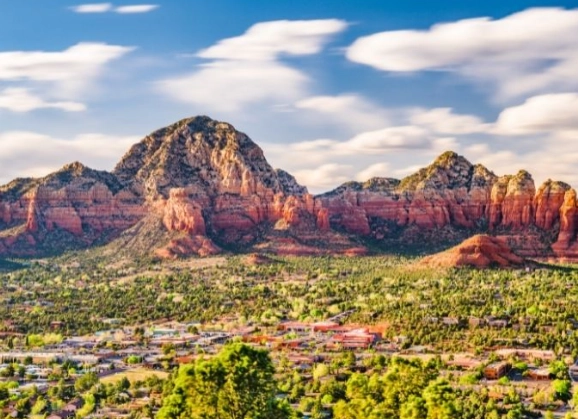
Top Destinations and Attractions in Arizona
This is where we get specific. Here’s a breakdown of the must-see spots, with the nitty-gritty details you need to plan.
| Destination | Can't-Miss Activity | Key Practical Info | Pro Tip |
|---|---|---|---|
| Grand Canyon National Park (South Rim) | Hiking the South Kaibab Trail to Ooh Aah Point (1.8 miles round trip). The views are immediate and staggering. | Entrance: $35/vehicle, valid 7 days. Best Parking: Arrive before 9 AM or use the free shuttle system. Lodging: Book in-park lodges (Xanterra) a year ahead, or stay in Tusayan. |
Skip the helicopter tours from the South Rim. They're loud, expensive, and the views from the rim trails are just as powerful. Save the splurge for a quieter airplane tour from Grand Canyon Airport. |
| Sedona | The Cathedral Rock Trail (1.2 miles round trip). It's a short, steep scramble to a postcard-perfect view. | Parking: The main lot fills by 7:30 AM. Use the Sedona Shuttle from the Park & Ride lot. Red Rock Pass: $5 daily for trailhead parking. Food: Elote Cafe—get reservations weeks in advance. |
The "vortex" sites are real places of beauty, but the commercial hype is intense. Go for the geology and silence, not the promised energy shift. Bell Rock and Airport Mesa are accessible and less crowded at sunrise. |
| Monument Valley Navajo Tribal Park | The 17-mile self-drive Valley Drive loop (dirt road, 2-3 hours). | Entrance: $8 per person + $20 vehicle fee. Guides: Highly recommend a Navajo-guided tour for access to restricted areas. Location: On the AZ/UT border, 2.5 hours from Page. |
Stay at The View Hotel. Waking up to the mittens outside your window is worth every penny. Book months ahead. Their restaurant serves solid Navajo fry bread. |
| Antelope Canyon (Page) | A guided tour of Upper Antelope Canyon. The light beams are surreal. | Tours: Book online months in advance. No self-guided access. Cost: ~$80-$100 for a basic tour. Timing: Midday tours (11 AM-1:30 PM) offer the best light beams. |
Lower Antelope Canyon is less crowded, often cheaper, and involves climbing ladders—it feels more adventurous. The shapes and colors are just as stunning. |
| Tucson & Saguaro National Park | The scenic drive and short hikes in Saguaro West (Red Hills Visitor Center). | Park: $25/vehicle. Two separate districts (East & West). Food: Mi Nidito for President Clinton's favorite Mexican food plate. Stay: Downtown Tucson or a ranch-style resort. |
Visit the Arizona-Sonora Desert Museum. It's technically a zoo and botanical garden, but it's the best introduction to desert ecology you'll find. Go early, it gets hot. |
Hidden Gems and Unique Arizona Experiences
Now for the stuff that doesn't make every listicle. This is where your trip becomes memorable.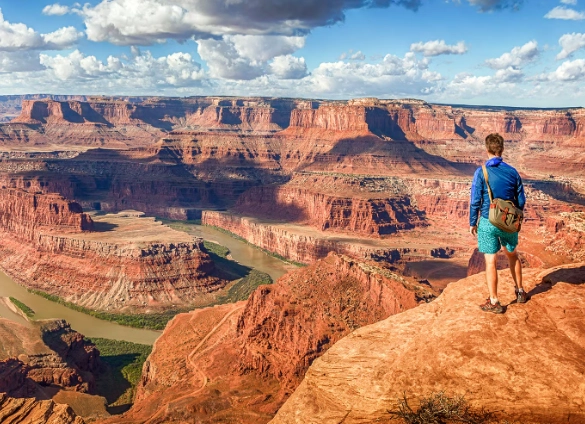
Stargazing in Flagstaff
Flagstaff is the world's first International Dark Sky City. The Lowell Observatory is where Pluto was discovered—take a night tour. But you can just drive 10 minutes out of town on US-180, pull over, and look up. The Milky Way is visible to the naked eye on a clear night. It's humbling.
Kayaking the Salt River
East of Phoenix, you can rent a kayak and paddle through the Sonoran Desert with wild horses roaming the banks. Companies like Salt River Tubing offer shuttle services. Go in spring for water flow and greenery. In summer, it's a popular tubing party scene—choose your vibe accordingly.
Bisbee: The Quirky Mining Town
Way down in southeastern Arizona, Bisbee is all steep streets, historic buildings, and artist galleries. Stay at the Copper Queen Hotel (reportedly haunted), take a Queen Mine tour underground, and just wander. It's the polar opposite of the desert park experience and a fascinating slice of the state's history.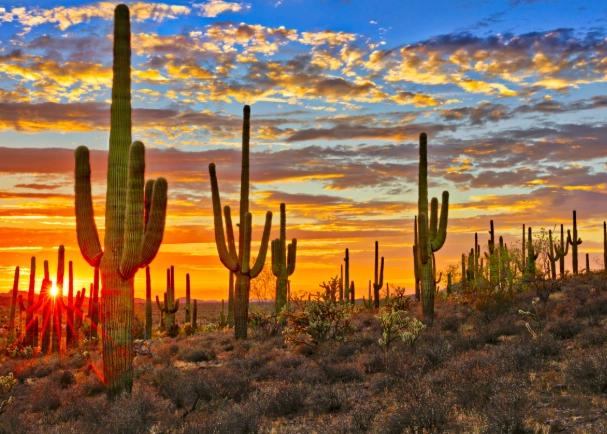
Eating Your Way Through the Sonoran Desert
This isn't just Tex-Mex. Sonoran cuisine is its own thing.
- Sonoran Hot Dog: A bacon-wrapped dog stuffed in a bolillo roll, topped with beans, onions, tomatoes, mayo, mustard, and jalapeño sauce. Find it at street carts like El Caprichoso in Phoenix.
- Carne Seca: Sun-dried beef, shredded and rehydrated. The signature dish at Tucson's El Charro Café, the nation's oldest Mexican restaurant in continuous operation by the same family.
- Prickly Pear Anything: The fruit of the cactus. Try it as lemonade, margarita flavoring, or jelly. It tastes like a cross between watermelon and strawberry.
Practical Arizona Travel Tips
The Non-Negotiables
Water: Carry at least one gallon per person, per day, in the car. On a hike, a minimum of 2 liters. Hydration packs are better than bottles.
Sun Protection: Wide-brimmed hat, UV-blocking sunglasses, and mineral sunscreen (the desert sun eats chemical sunscreen). Reapply every two hours.
Footwear: Sturdy hiking shoes with ankle support. The terrain is rocky, uneven, and often slippery with sand.
Fuel & Food: Gas stations can be 50+ miles apart in northern Arizona. Fill up at half a tank. Pack snacks.
Respect the Land
Much of northern Arizona is Navajo Nation or other tribal land. It's not a national park; it's someone's home. Follow posted rules, don't wander off marked paths, and purchase goods directly from Native artisans. A simple rule: if there's a sign asking you not to do something (like climb a sacred rock formation), just don't.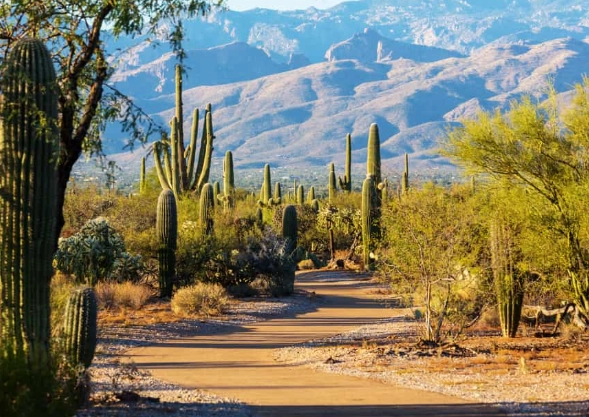
Where to Stay
Lodging fills fast, especially in Sedona, Grand Canyon, and Page.
- Phoenix/Scottsdale: Resorts with pools are a summer lifesaver. In cooler months, consider a retro motor court in downtown Phoenix for character.
- Sedona: Hotels are pricey. Look at vacation rentals in the Village of Oak Creek, a 15-minute drive south.
- Flagstaff: A great, more affordable base for the Grand Canyon. Chain hotels off I-40 are convenient.
- Camping: Developed sites in national forests (Coconino, Kaibab) require reservations on Recreation.gov. Dispersed camping is free but has no facilities—practice Leave No Trace rigorously.
Your Arizona Trip Questions Answered
So, what to do in Arizona? You start by looking past the canyon's edge. You plan for desert mornings and mountain afternoons. You pack more water than seems reasonable. You seek out the quiet dirt road, the local taco stand, the shadow of a saguaro at sunset. Arizona isn't a checklist; it's a feeling—vast, ancient, and startlingly alive. That's the trip worth taking.